15 Safe Human Foods That Can Help Your Dog Live Healthier (Plus Simple Prep Tips)
From fish to pumpkin, these 15 safe human foods can support your dog’s joints, digestion, brain, and coat—if you prep them right.

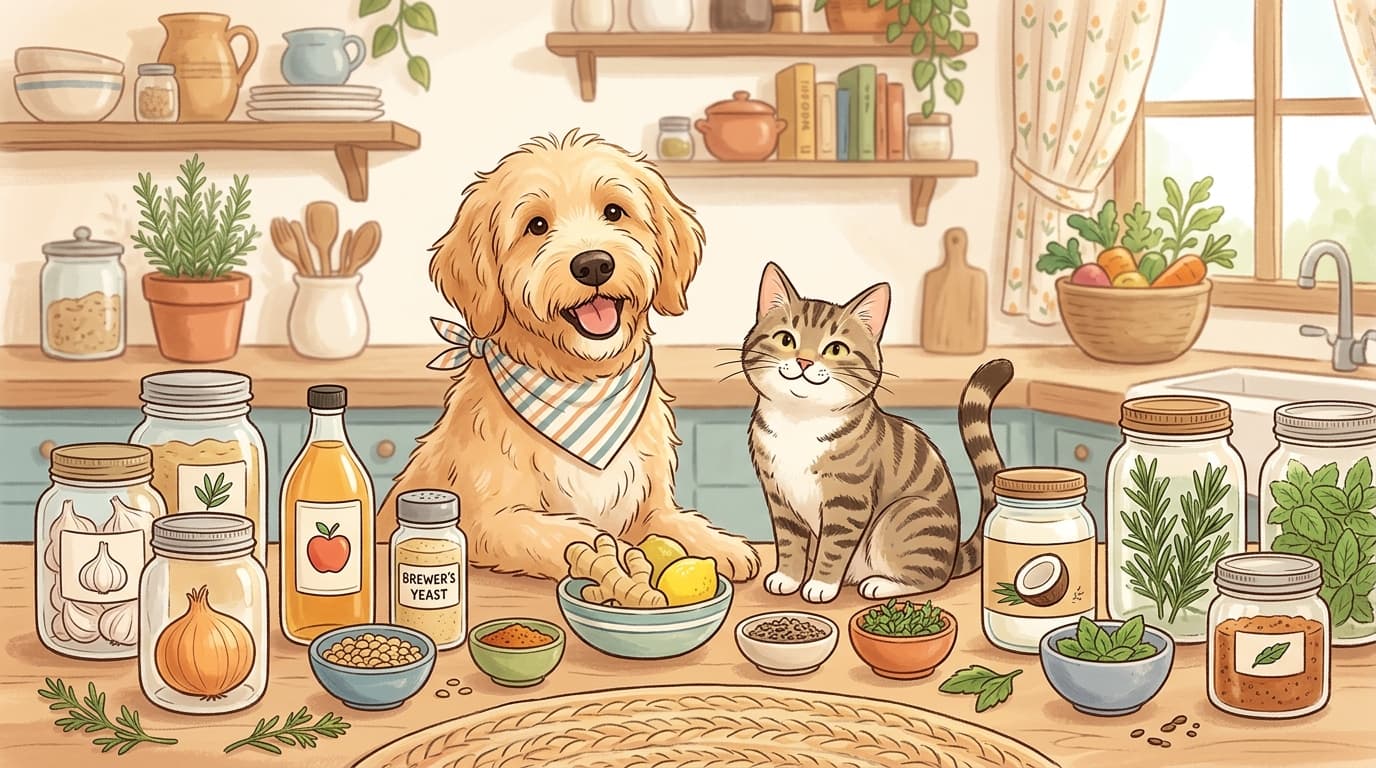
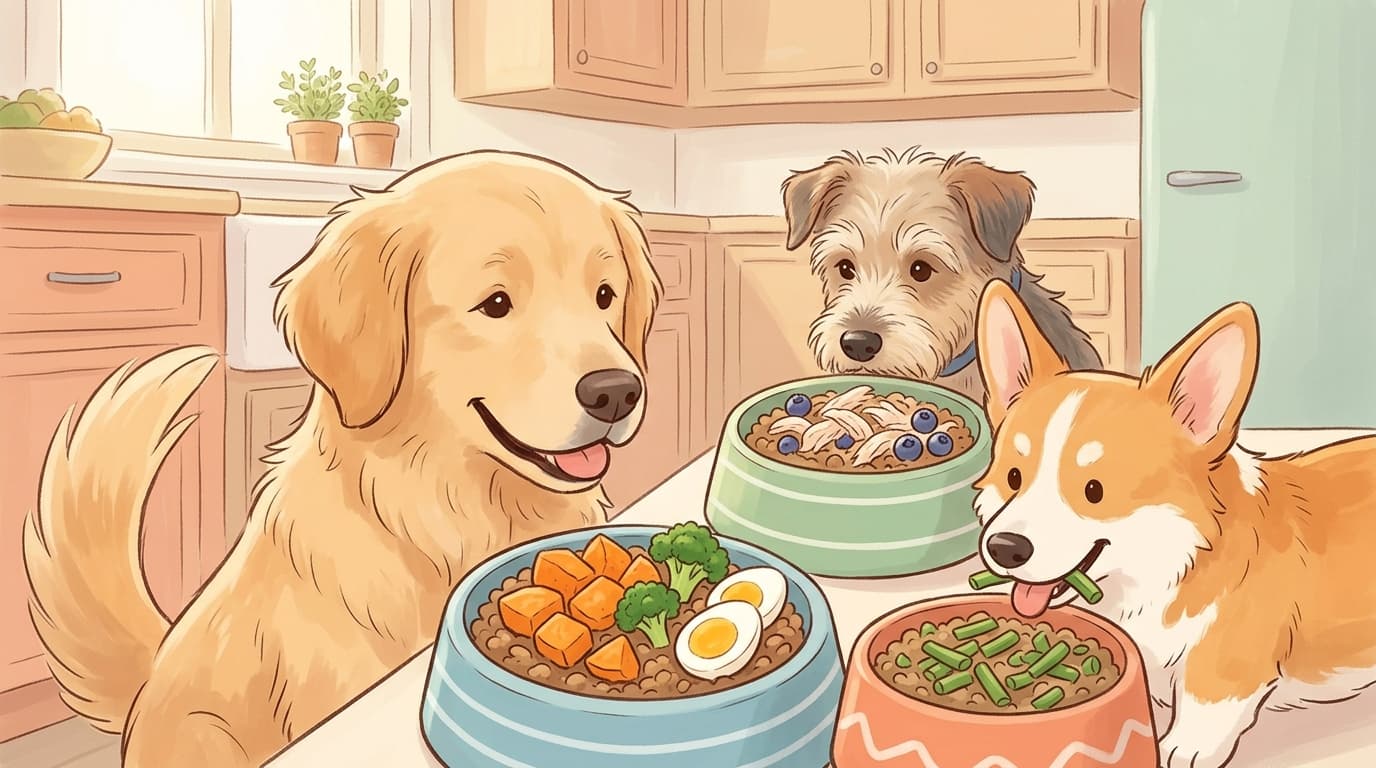
You probably have a few dog-friendly “superfoods” in your kitchen right now—yet most of us still default to the same bowl of kibble every day. The good news is that adding a handful of the right fresh foods (prepared safely) can support your dog’s joints, digestion, brain health, weight, and coat in ways you can actually notice.
Below are 15 safe human foods for dogs, what they’re good for, and the simple prep rules that make the difference between helpful and risky.
Fish: the omega-3 boost for joints and skin
Cooked fish like salmon, tuna, or sardines can be a big win for your dog’s coat and comfort—especially if you’ve ever noticed dry, itchy skin or that “getting up is stiff” vibe in older dogs. The star benefit is omega-3 fatty acids, which help calm inflammation and support the immune system.
How to serve it safely
- Serve cooked fish, not raw.
- Cook thoroughly (think fully done, flaky, no translucent center).
- Remove every bone—small bones can lodge or puncture.
- Keep portions modest: once a week is plenty for most dogs.
Eggs: easy, complete protein (when cooked)
Eggs are one of the most efficient proteins your dog can use. They’re soft, easy to digest, and a nice option for seniors or dogs coming back from an upset stomach.
How to serve it safely
- Skip raw eggs. Raw whites can interfere with biotin over time, and raw eggs can carry bacteria.
- Serve plain cooked eggs (scrambled or hard-boiled).
- No butter, salt, milk, pepper, or seasoning.
- A simple rhythm: about once a week.
Lean meat: real building blocks, minus the risky extras
Chicken, turkey, and beef provide the amino acids dogs rely on for muscle, energy, and overall “thriving.” The biggest mistakes tend to be fat, seasoning, and bones.
How to serve it safely