Rottweiler Traits Most People Miss: 5 Fascinating Characteristics of This Iconic Breed
From their butcher-dog history to “happy growls” and air-licking, these 5 Rottweiler traits explain how they think and communicate.
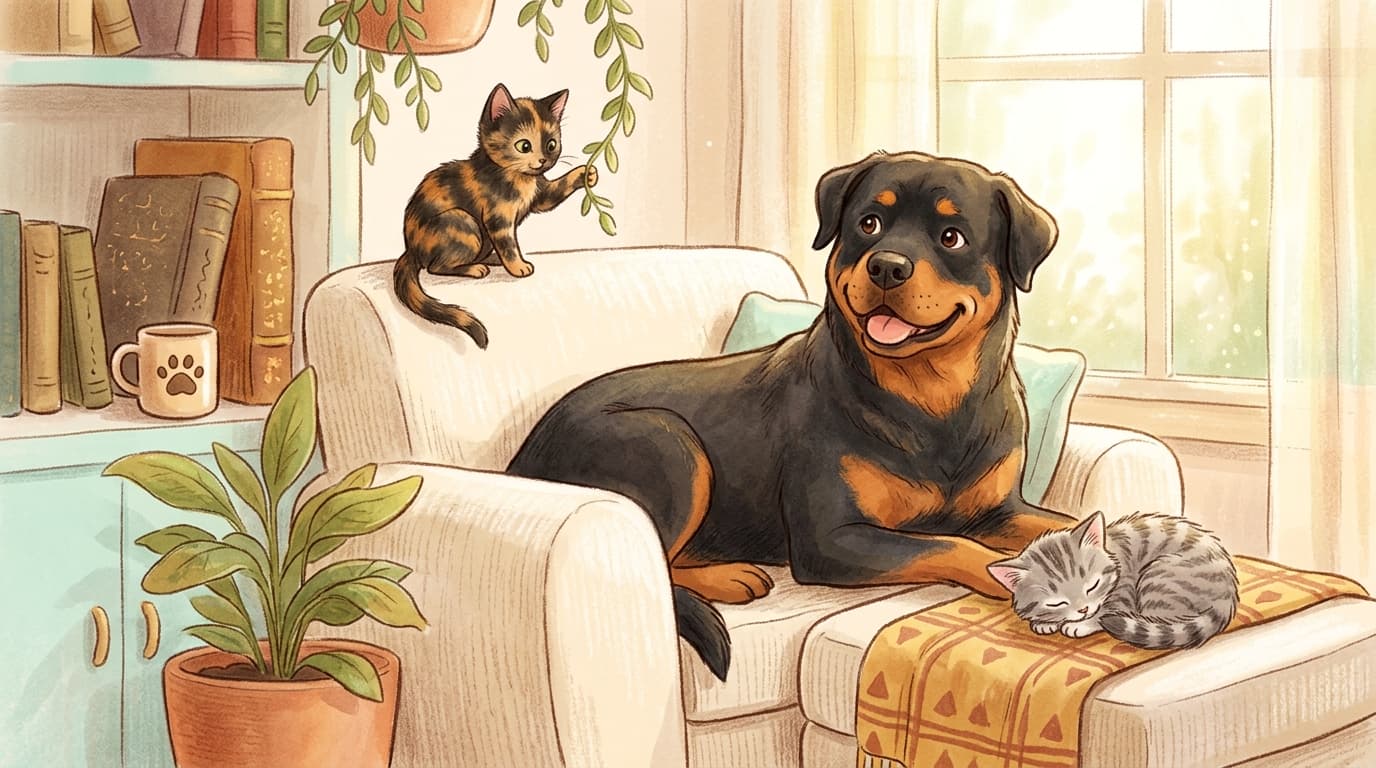
Rottweilers have a reputation that’s bigger than life, but a lot of what makes them special is surprisingly subtle. Beyond the strong body and confident stance, this breed has a history (and a communication style) most pet owners don’t realize.
1) The Rottweiler name comes from a working-town origin
The word “Rottweiler” traces back to Rottweil, a city in Germany where these dogs earned their keep alongside butchers. They weren’t just hanging around the shop—they helped move cattle and guard valuable goods.
One of the most memorable details from their past is how butchers would protect their money from thieves: it was often tied around the dog’s neck for safekeeping. It’s a wild image, but it says a lot about the trust people placed in these dogs—and why the breed became known as steady, capable, and hard to intimidate.
2) Rottweilers have an impressive memory for people and situations
If you’ve ever noticed your Rottweiler acting like they “never forget,” you’re not imagining it. Many Rottweilers are known for remembering faces, routines, and specific situations with striking accuracy.
That kind of memory made practical sense in their working days: a dog that can recognize who belongs, what’s normal, and what feels off is a dog that can protect and respond appropriately. Today, it’s one reason Rottweilers can shine in more complex training—especially when you’re consistent and give them a job that feels meaningful.
3) That low rumble might be a relaxed “happy growl”
One quirky Rottweiler trait that confuses people is the low growl they sometimes make when they’re calm. Not all growls are warnings. Some Rottweilers vocalize with a deep, rumbly sound when they’re content—almost like a purr in dog form.
Of course, context matters. A relaxed body, soft eyes, and loose posture tell a very different story than a stiff stance or hard stare. But it’s worth knowing that with this breed, a growl isn’t automatically bad news.