
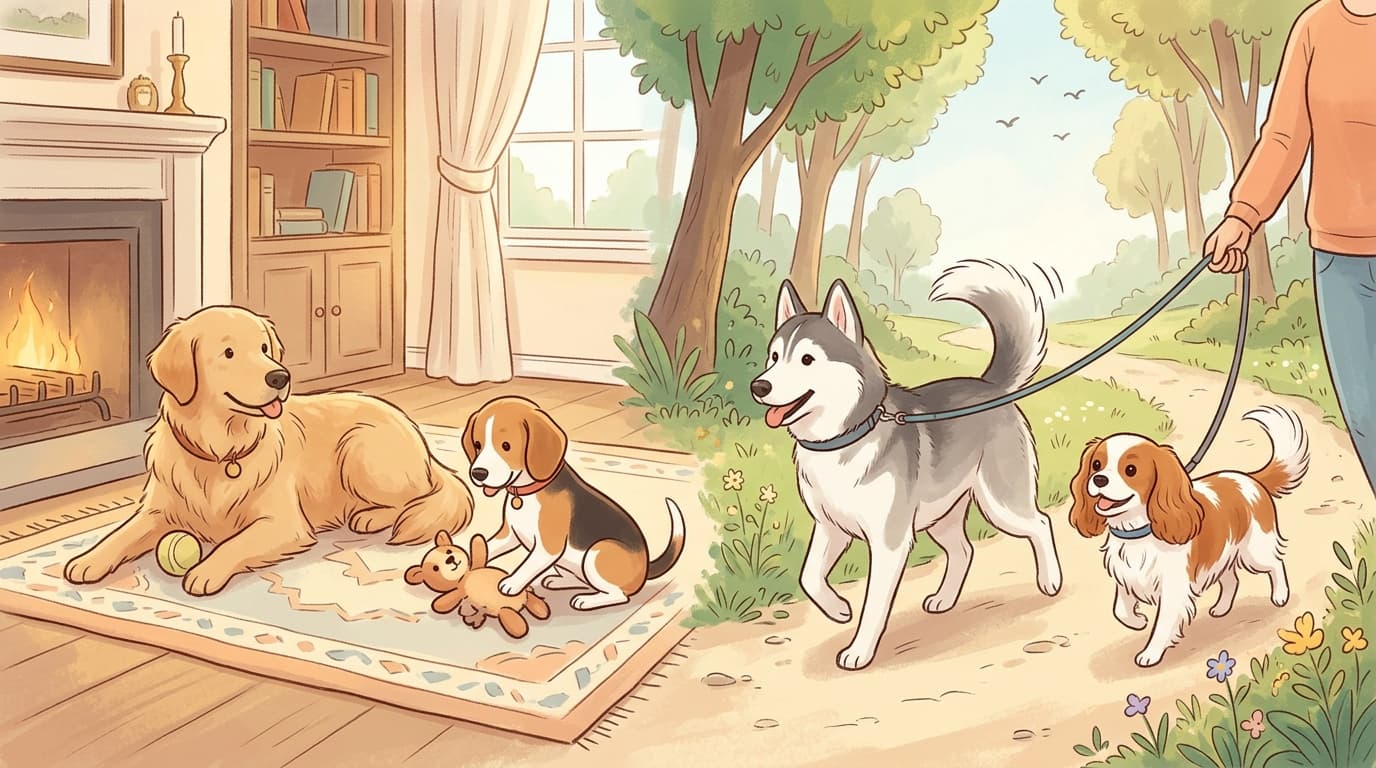
 № 01
№ 01Male Dogs vs Female Dogs: 5 Real Differences You’ll Notice at Home and on Walks
From pee-mail to leash pulling and rough play, here are 5 everyday ways male dogs tend to differ from females.
5 min read
§ Index
№ 01From pee-mail to leash pulling and rough play, here are 5 everyday ways male dogs tend to differ from females.
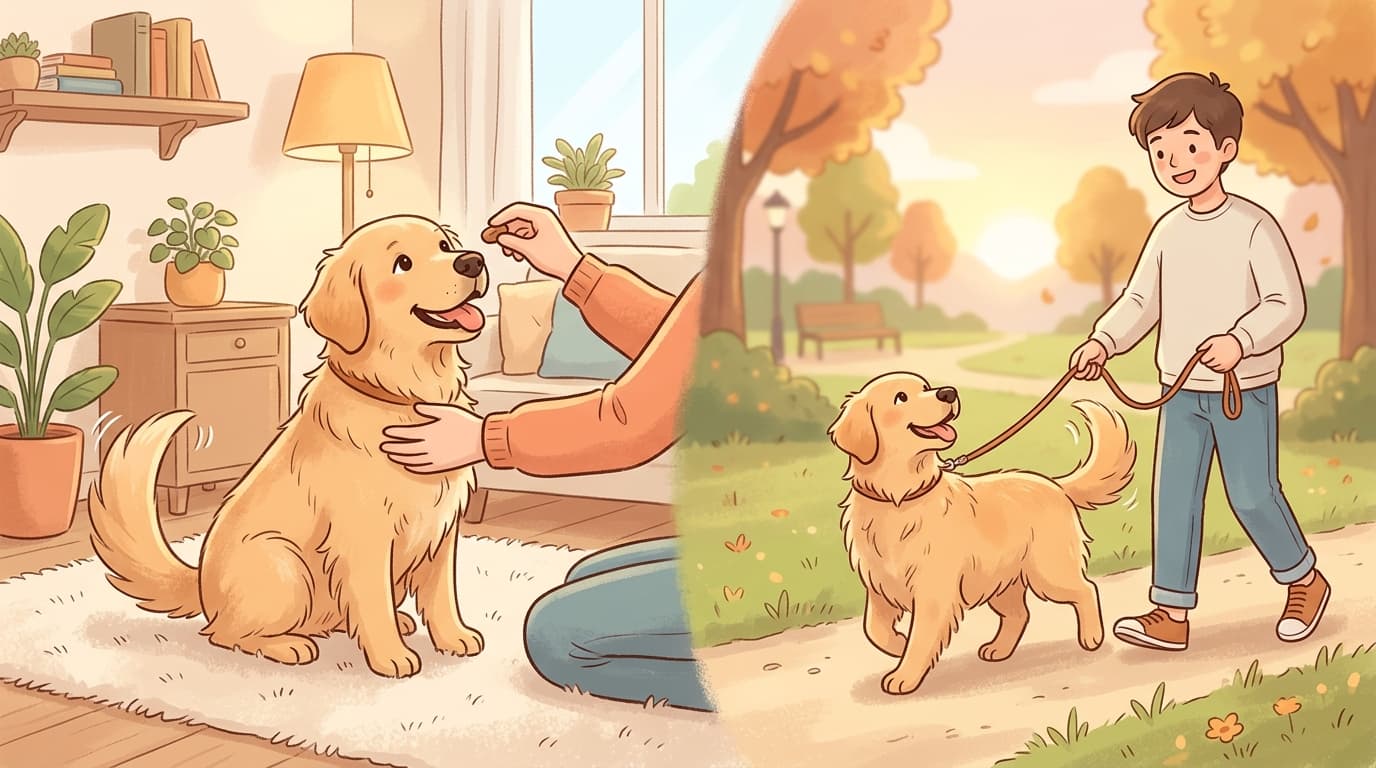 № 02
№ 02Small daily habits can quietly stress your dog. Learn what hurts your dog’s feelings—and the simple swaps that rebuild trust.
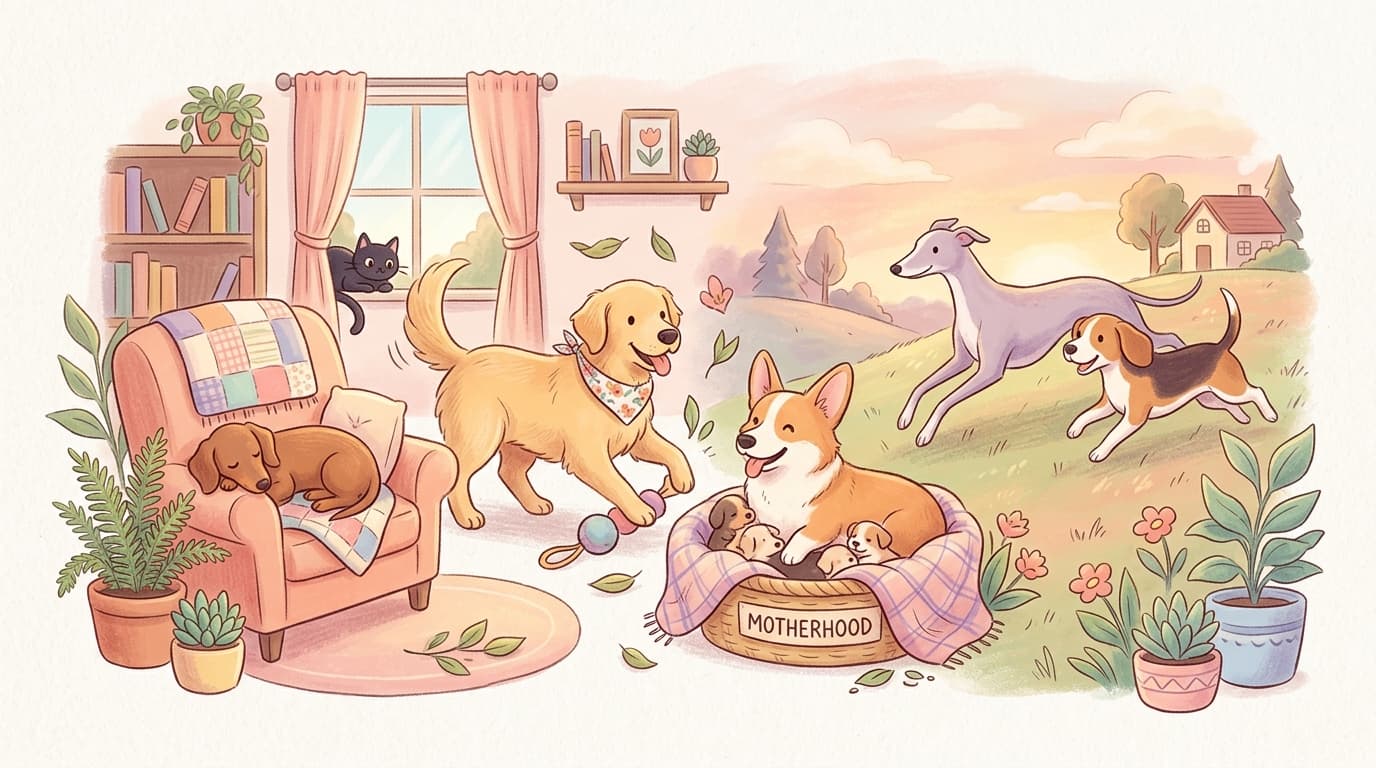 № 03
№ 03Female dogs often learn faster, bond differently, and hide pain better. Here are 8 real-life differences to understand your girl.
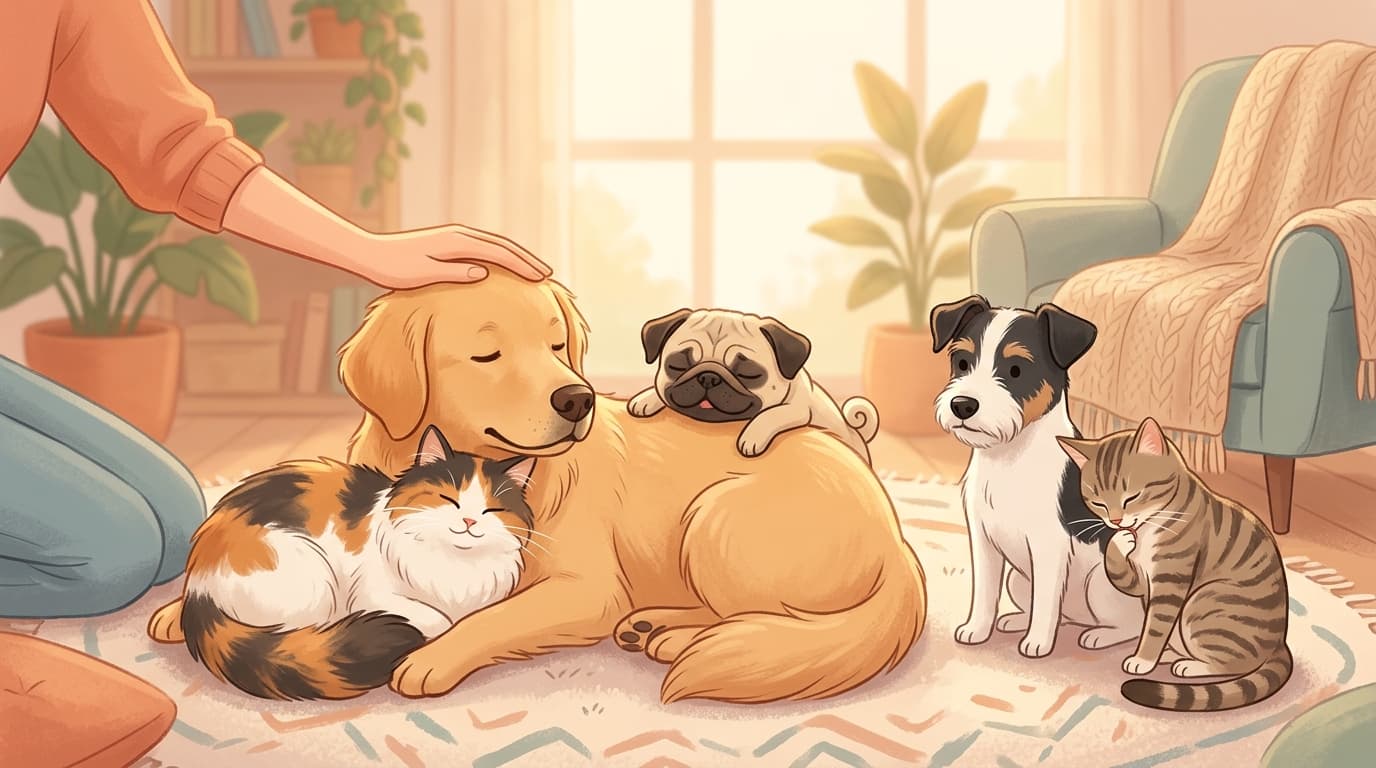 № 04
№ 04The right words can lower your dog’s stress. Learn 8 confidence phrases that build safety, belonging, and calmer days.
 № 05
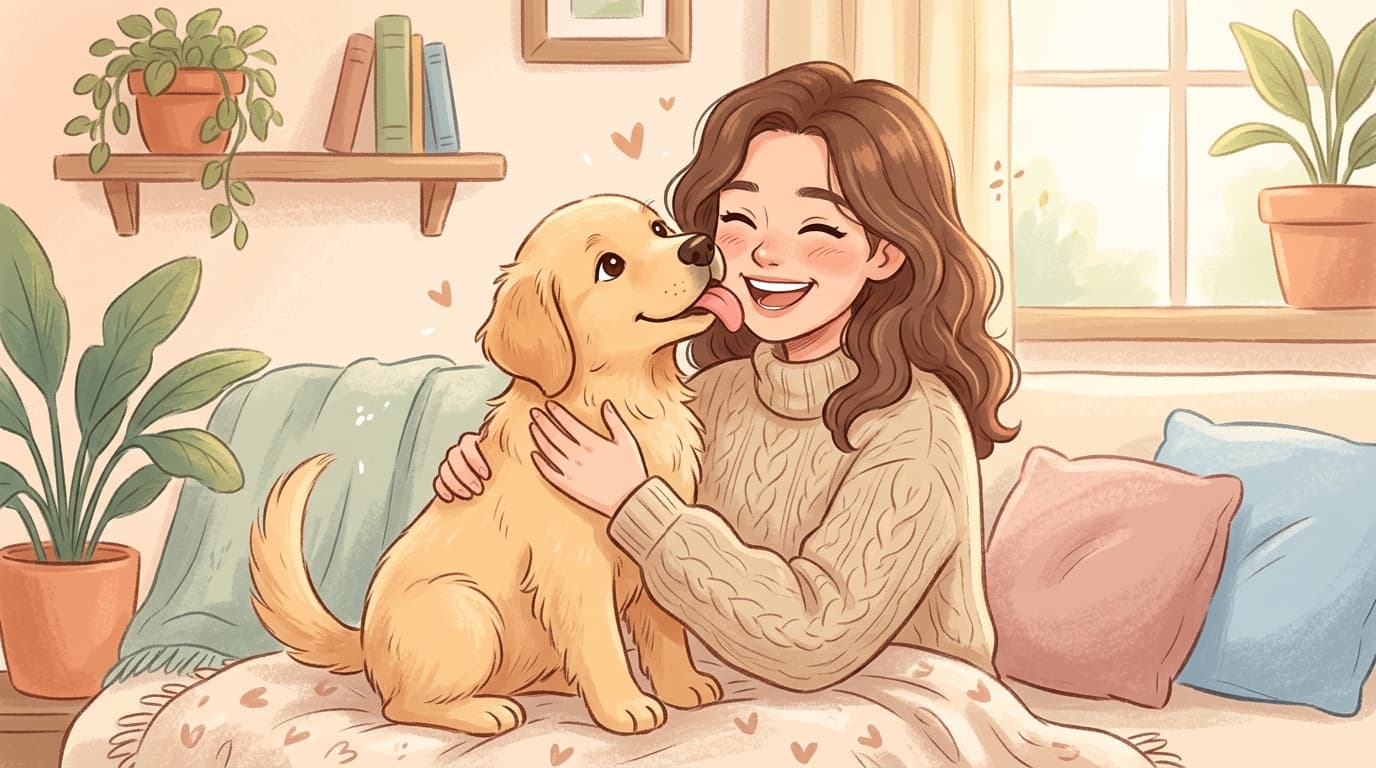
№ 05Dogs lick your face for more than love—attention, stress, calming signals, and more. Here’s what it can mean and what to do.
 № 06
№ 06Meet the 3 strongest dogs in the world—Kangal, English Mastiff, and Rottweiler—and see how their power compares to a lion.
 № 07
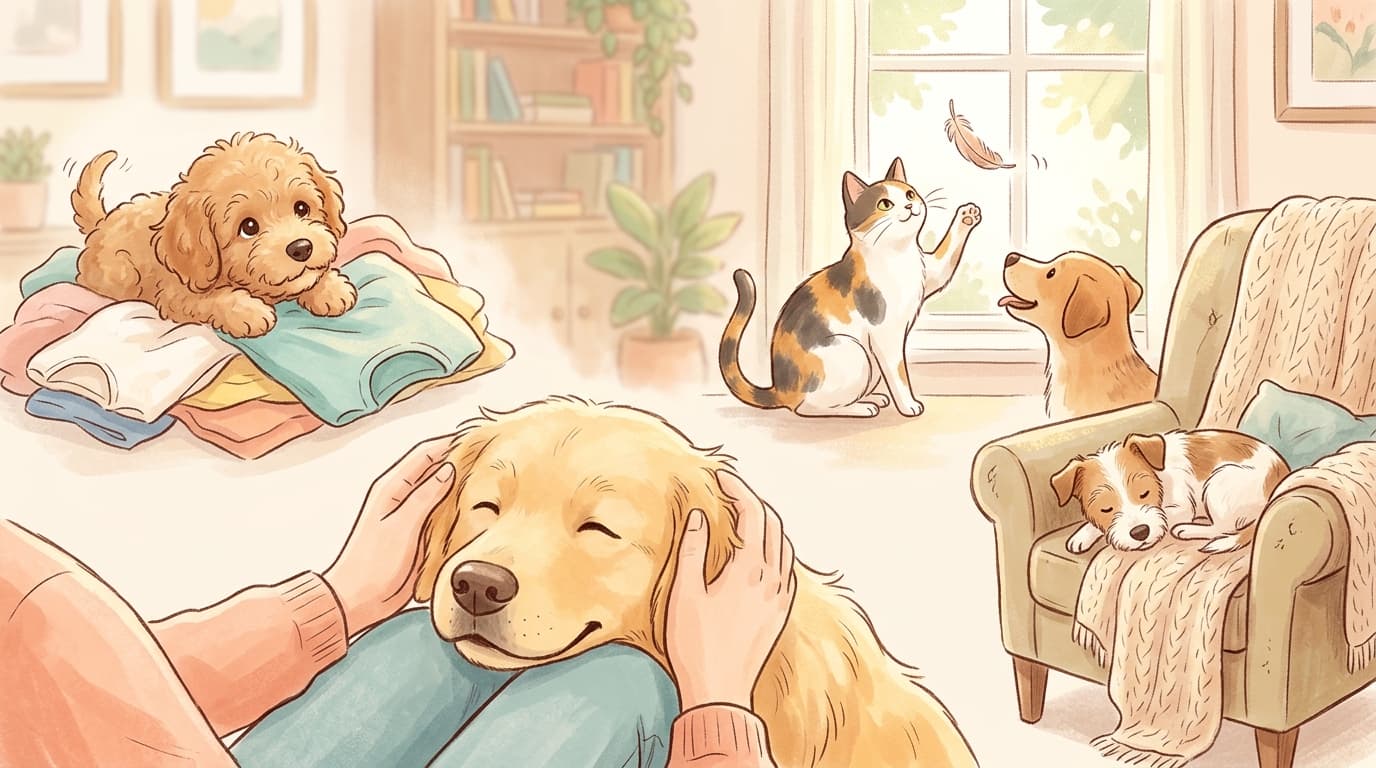
№ 07From “sniff walks” to quiet togetherness, these simple habits can make your dog feel calmer, safer, and more connected to you.
 № 08
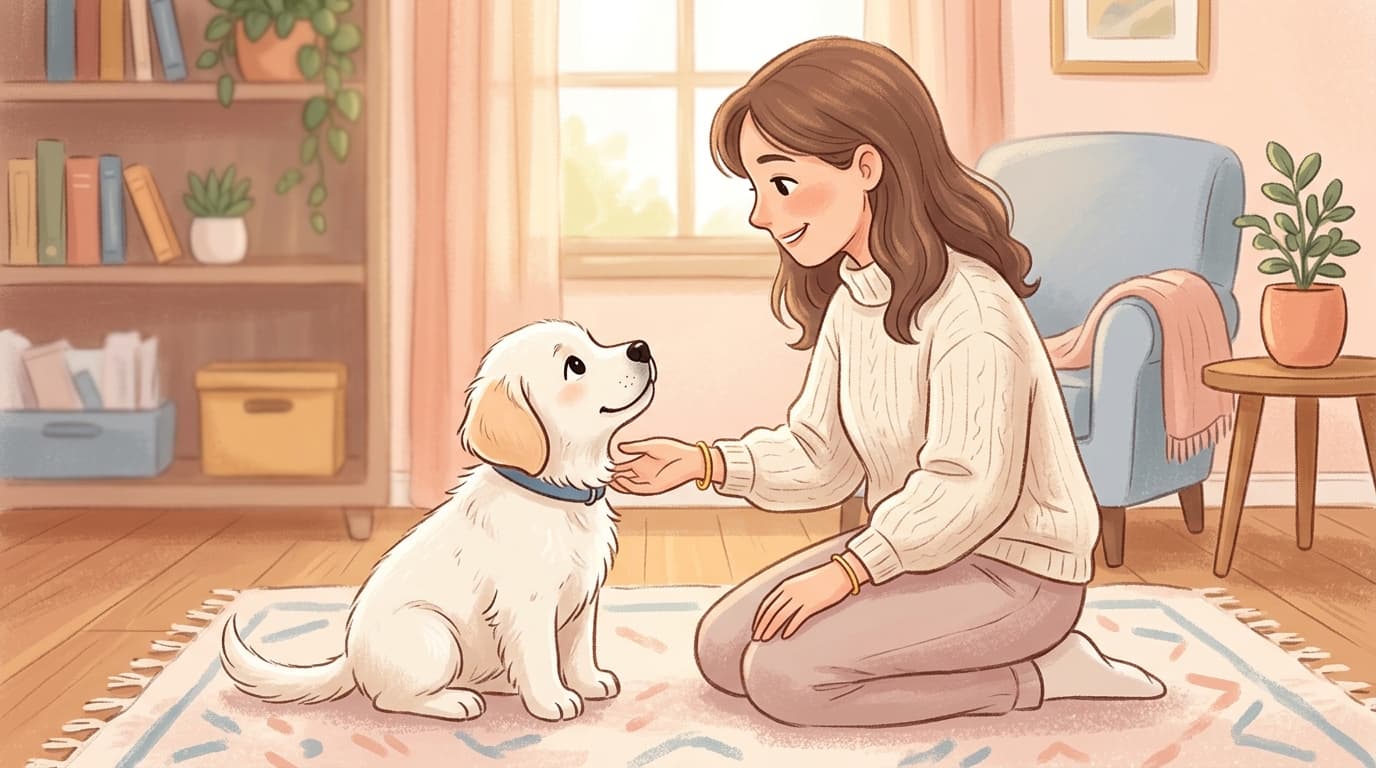
№ 08Your dog judges you in quiet moments—fear, nudges, mistakes, walks, and pain. Small responses shape trust more than you think.
 № 09
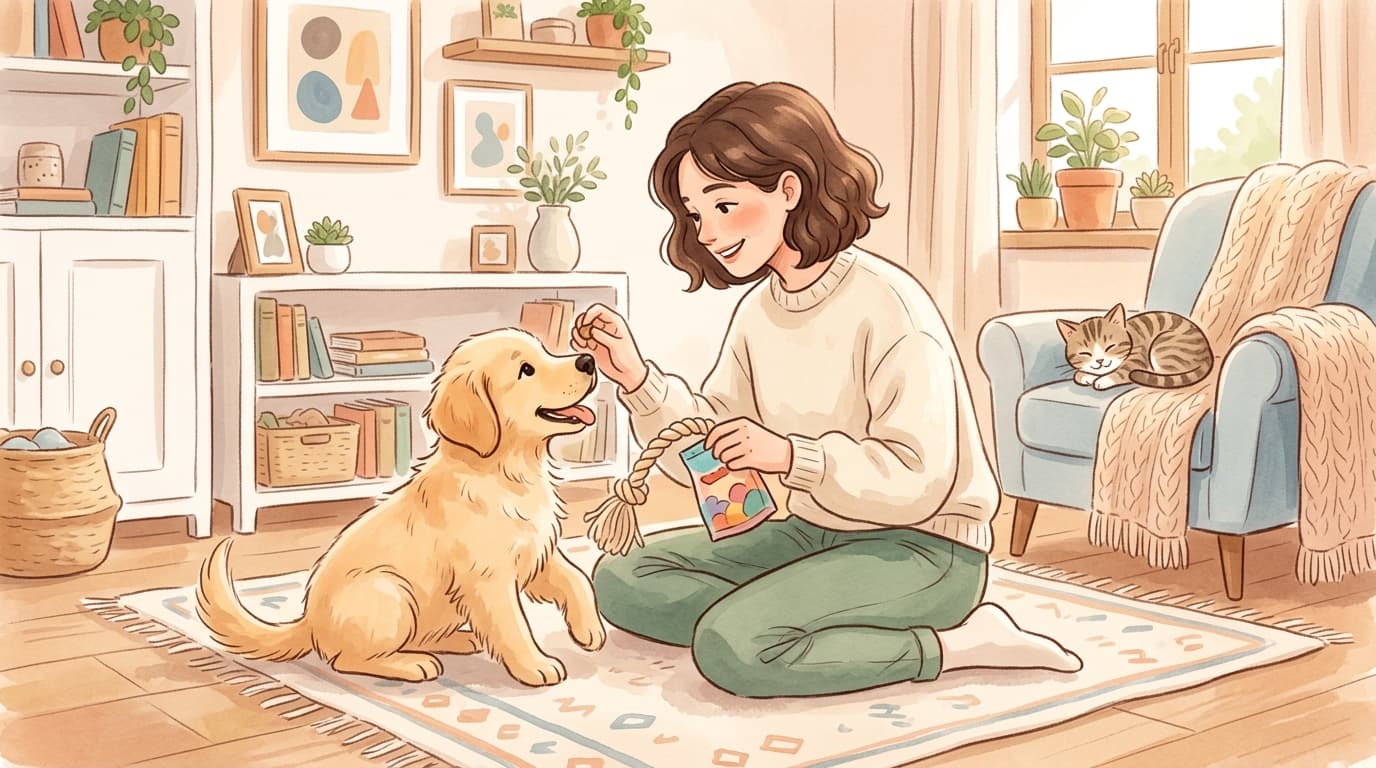
№ 09A new survey suggests dog training choices reflect our ethics, not just what “works.” Here’s why punishment persists and what to do instead.
 № 10
№ 10Dogs bark at night for real reasons—senses, boredom, anxiety, territory, discomfort, and more. Learn 7 causes and practical fixes.
 № 11
№ 11Many “disobedient” dogs aren’t being stubborn—they’re distracted or stressed. Learn how to rethink pulling, jumping, and reactivity.
 № 12
№ 12Use this simple pre-departure routine to reduce dog separation anxiety with calmer cues, scent, sound, light, and a quiet exit.