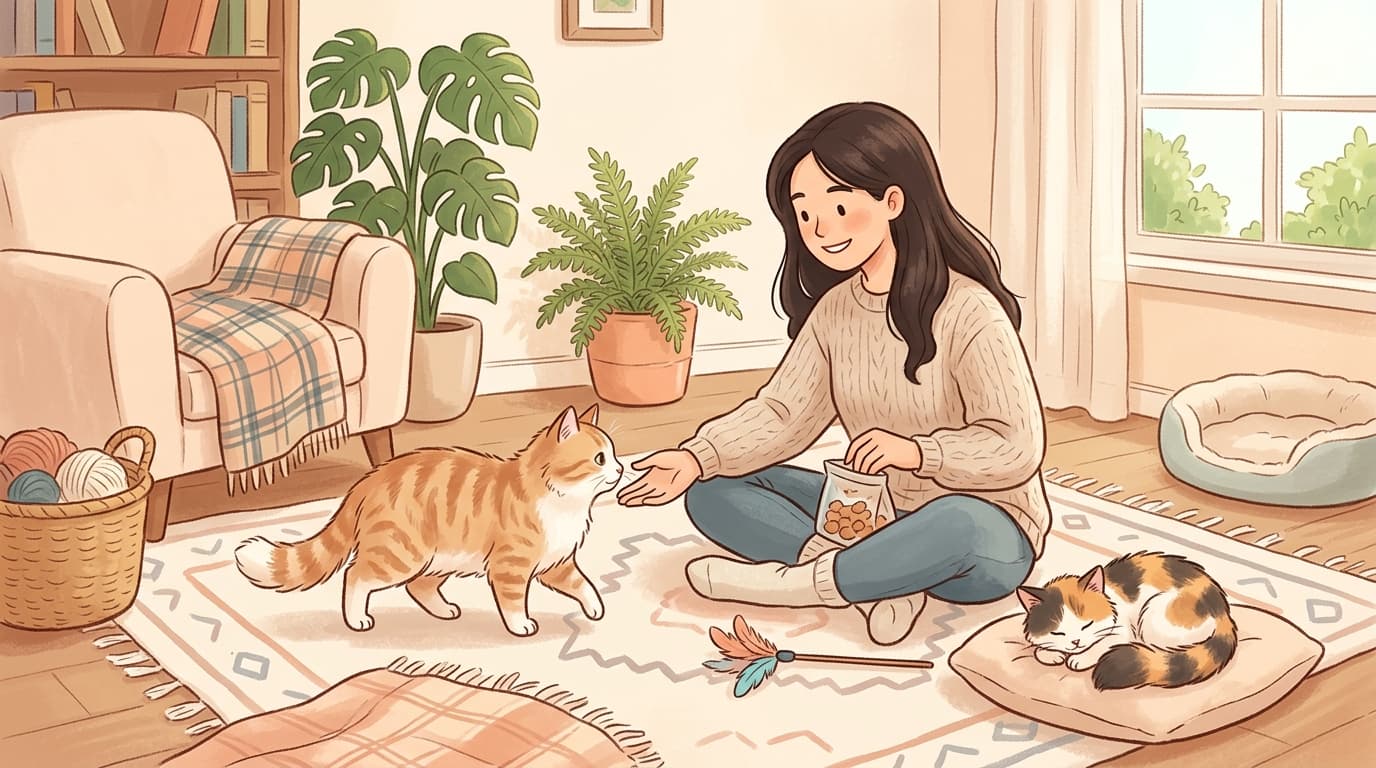
What Your Cat Has Been Waiting for All Along: 6 Small Changes That Build Real Trust
Your cat isn’t asking for more toys—just a few daily habits that make them feel safe, understood, and closer to you.

Your cat isn’t asking for more toys—just a few daily habits that make them feel safe, understood, and closer to you.

Messy litter box? Fix litter flinging with the right box, litter type, fill depth, placement, and a cleaner routine.

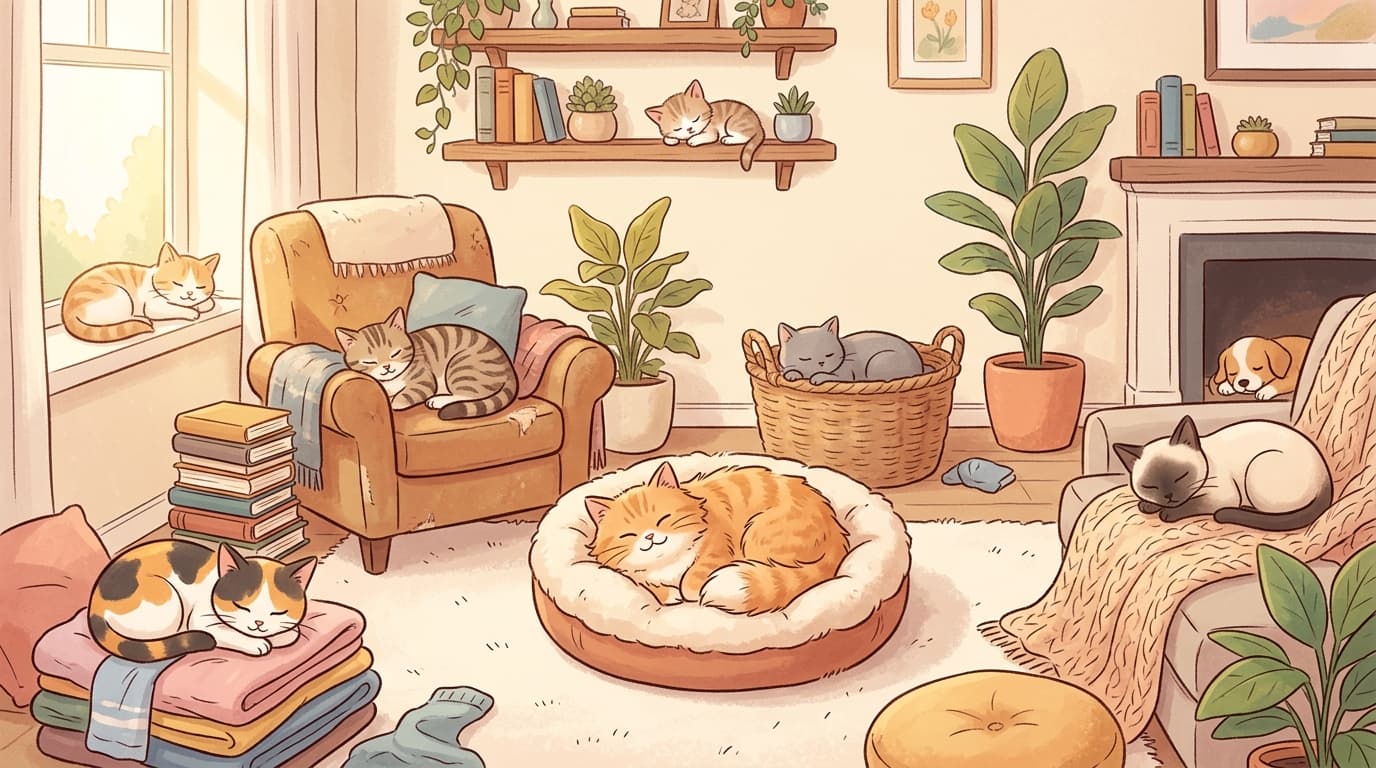
From your feet to your pillow, your cat’s sleeping spot is a quiet love letter. Here’s what 7 common choices really mean.

Cats knock things over due to hunting instincts, curiosity, and attention-seeking. Learn what it means and how to curb the habit.

Your cat isn’t being nosy—bathroom follow-ups are driven by instinct, territory, curiosity, and a surprisingly sweet kind of loyalty.

That gentle paw tap isn’t always affection. Here are 5 common reasons cats place a paw on you—and what to watch for.

Cat licking isn’t just affection—it can be scent-marking, bonding, stress-soothing, or even checking on you. Here’s what it means.

Cats test your patience, boundaries, and consistency daily. Learn the subtle signs—and how to earn real feline trust.

Your cat isn’t being picky—instinct drives their food choices. Here are 15 cat-friendly human foods and how to offer them safely.

A paw on your face can mean affection, attention, play, scent-marking, or even “give me space.” Learn the clues to read it right.

Daily wet food can boost hydration, support urinary health, help weight control, improve coat shine, and reduce food anxiety in cats.

Many indoor cats are safe but not fulfilled. Learn the hidden need behind “lazy” behavior—and simple ways to make life feel richer.

Cats do apologize—just quietly. Learn 6 subtle “sorry” signals (and how to respond) after tension with your cat.

Cats tilt their head to see and hear better, show curiosity, and sometimes signal trust. Learn what it means and when to worry.

Learn the top signs your cat is deaf or losing hearing, plus simple ways to communicate and keep your cat safe at home.

Your cat isn’t being rude. These 6 common annoying habits are often real signs of love, trust, and bonding.

Cat headbutting (head bunting) is a sign of trust and affection. Learn what it means and how to respond the right way.

From lap-sitting to cheek rubs, your cat’s “cute” habits are secret messages about safety, scent, and trust.

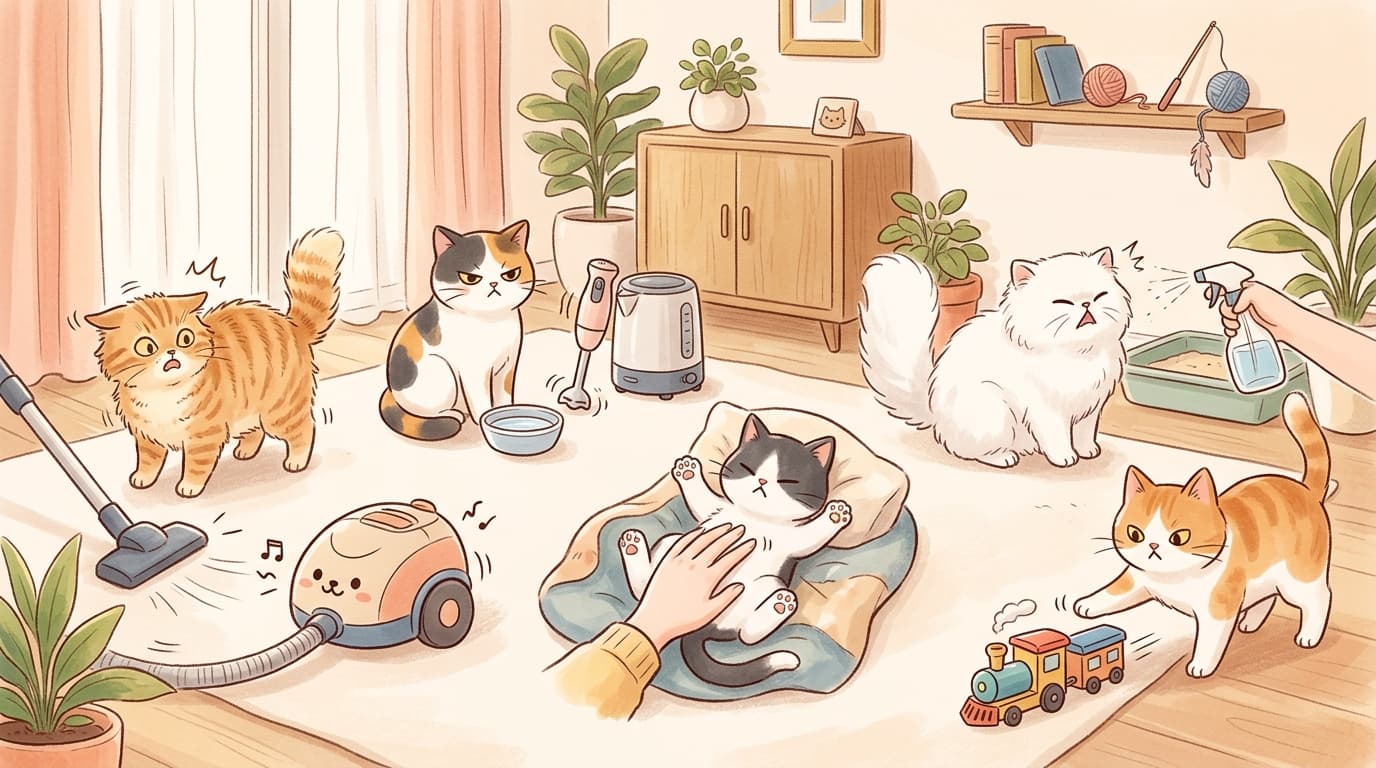
From the “wrong” petting spots to noisy rooms and sudden changes, these everyday habits can stress your cat and trigger swats.

Small daily habits can make your cat angry or stressed. Learn common triggers, warning signs, and how to handle them gently.

Cats may not recognize your face like you expect, but they remember your scent, voice, routines, and more—here are 6 things they never forget.

Meet the Burmilla cat: a shimmering coat, emerald eyes, a gentle voice, and a perfect mix of playful and calm.

Your cat’s coat color can hint at temperament and care needs. Here’s how orange, black, white, tabby, tuxedo and more often differ.

If your cat steps on your chest at night, it’s not random. Here are the real reasons—and how to respond without encouraging 5 a.m. wakeups.

From slow tail-tip curls to choosing your seat, these 8 subtle behaviors can reveal how deeply your cat trusts you.

From pre-meal play to cozy boxes, these 8 small habits make your cat feel safer, calmer, and more connected to you.

From your feet to your pillow, your cat’s sleeping spot is a clue to trust, comfort, and how they see you.

From food “hunting” to vertical space, these 6 small changes can make your cat calmer, happier, and more at home.

Cats may not see ghosts, but their night vision and super-hearing can make them react to things you can’t detect.
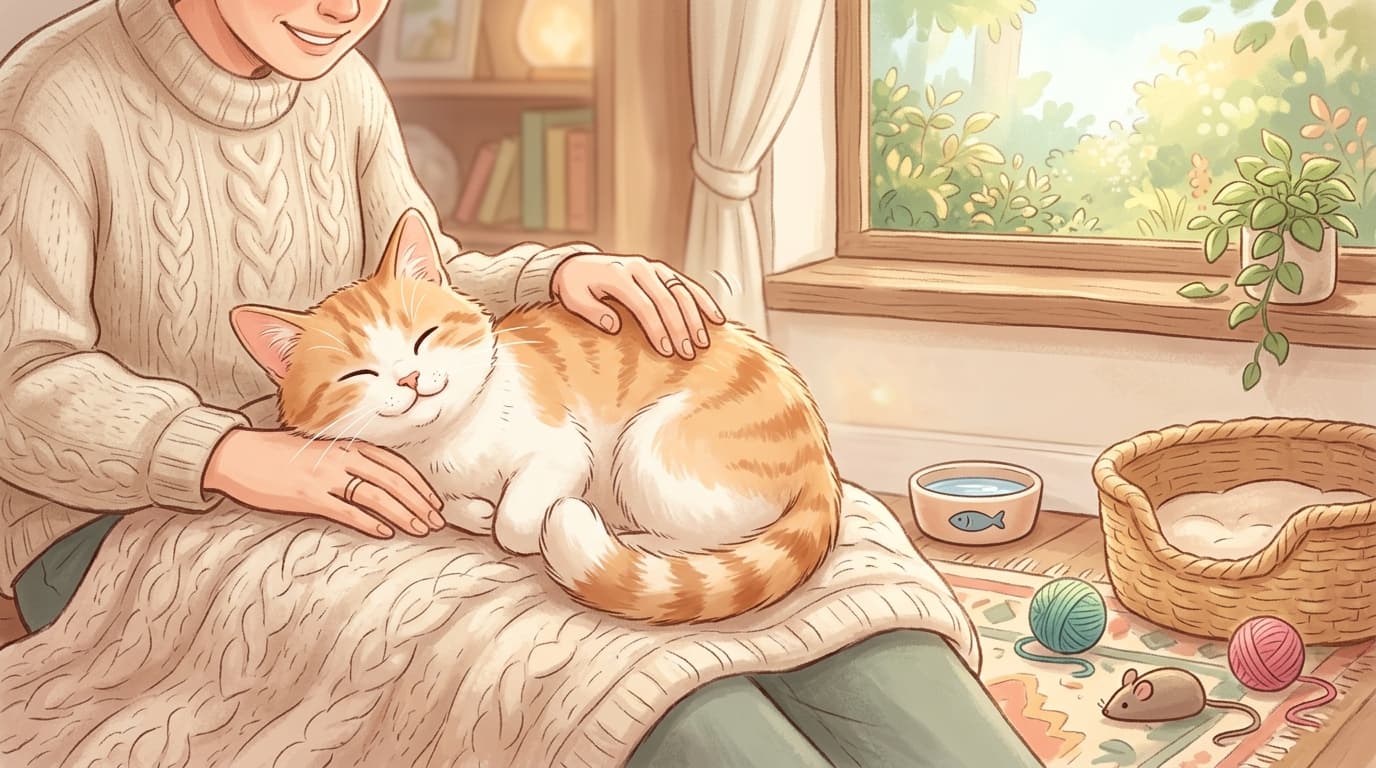
Cats don’t give trust by default. Learn the signals they watch—control, body language, routine, scent, and patience—to build a stronger bond.