How Cats Decide Who to Trust (and How to Earn It Gently)
Cats can look aloof, picky, or even a little suspicious—but most of the time, they’re simply making careful choices about who feels safe. Trust is not a personality quirk in cats; it’s something they build through patterns, signals, and how you make them feel in your space.
Cat trust starts with control, not cuddles
If you’ve ever reached for your cat and watched them slip away like liquid, you’ve seen their #1 rule in action: they want to choose.
Cats don’t bond by automatically “submitting” the way many dogs do. They feel secure when they can decide when to approach, when to leave, and how much touch is okay. Grabbing, restraining, surprise hugs, or lifting a cat who isn’t asking for it can chip away at cat trust fast.
What helps instead:
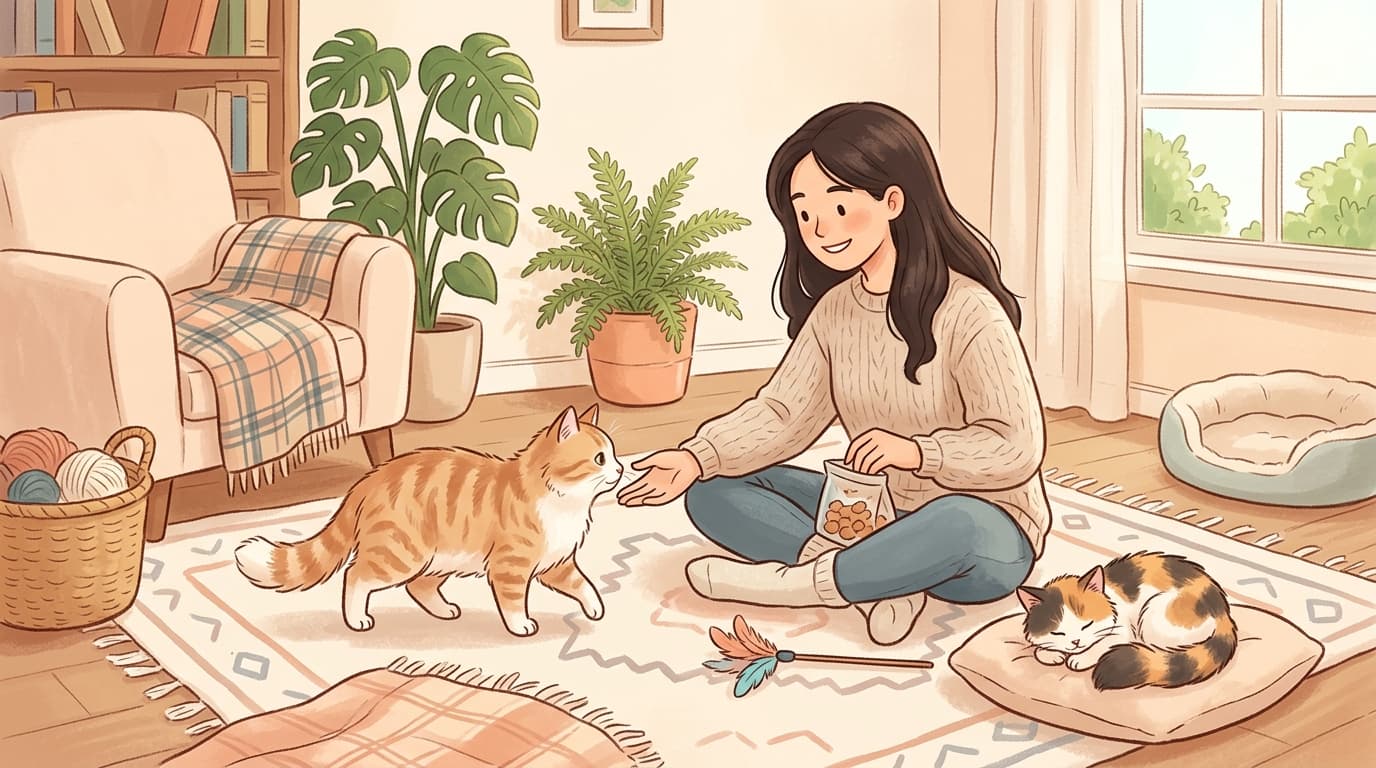
- Sit nearby and let your cat close the distance
- Offer a hand for a sniff rather than going straight for the head rub
- Stop petting before your cat gets irritated (ending on a good note matters)
Reading body language is how you earn cat trust
Cats speak with posture, eyes, and tiny shifts you can miss if you’re not looking for them.
Signs your cat feels safe with you:
- Slow blinking while holding a relaxed gaze
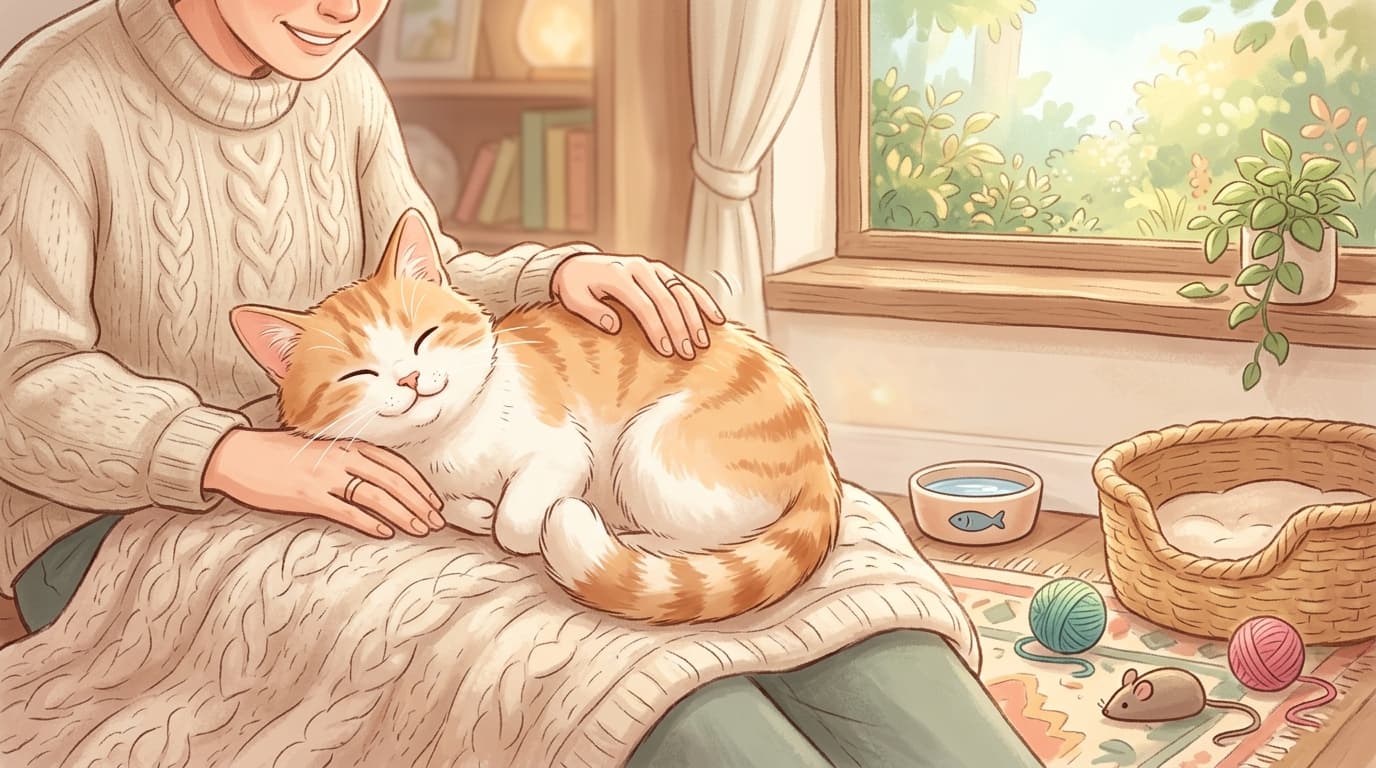
- Resting on their side, looking loose rather than tense
- Tail held up (often with a soft curve at the tip)
You can “talk back” in cat language by slowly blinking in return and keeping your movements unhurried. On the flip side, intense staring can feel confrontational to a cat, and sudden motions or loud sounds can make you seem unpredictable.
Routine builds a cat’s sense of safety
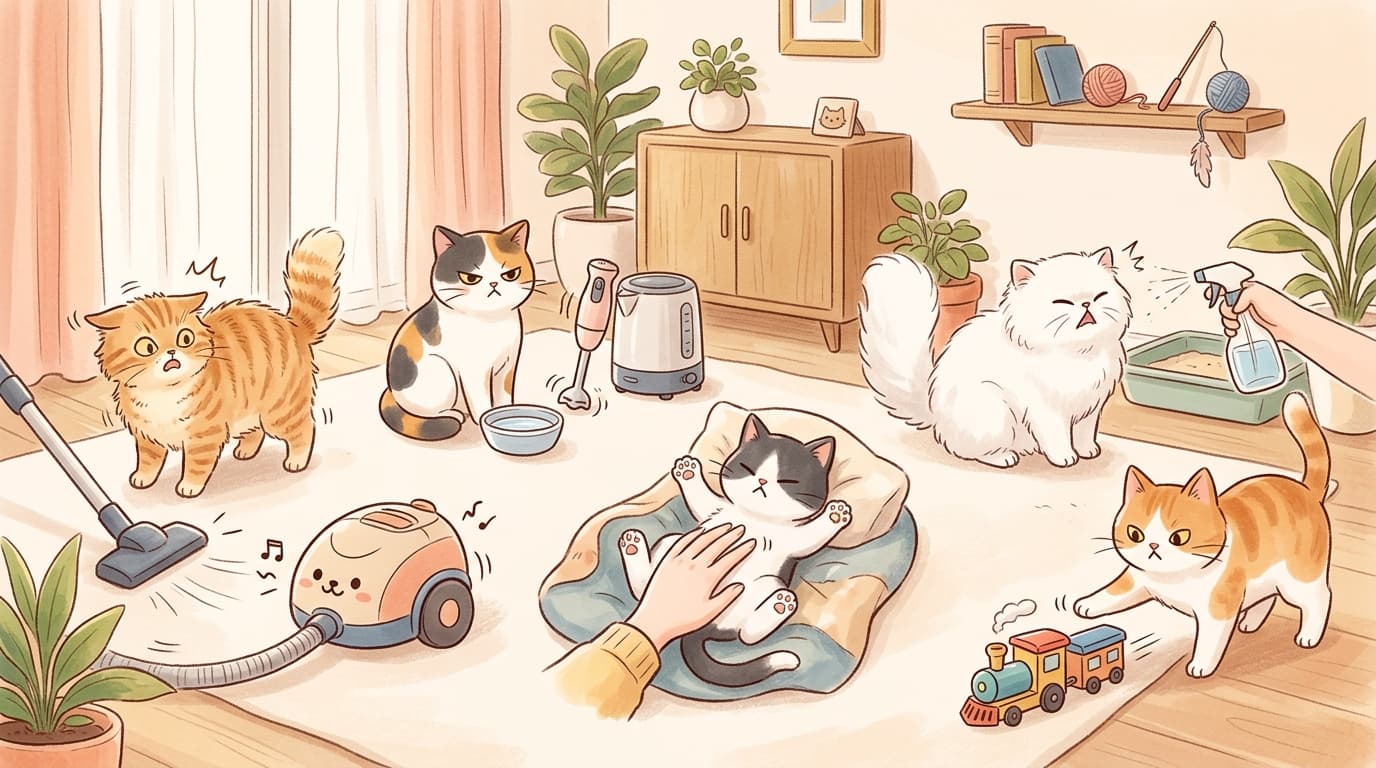
A dependable daily rhythm makes it easier for your cat to relax around you. Regular meal times, familiar play sessions, and a fairly consistent household flow all tell your cat, “Nothing scary is about to happen.”
Mixed signals do the opposite. If one day you ignore them and the next day you crowd them, or if feeding happens randomly, a cat often reads that as unpredictability—and unpredictability is the enemy of cat trust.
Small, repeatable habits that help:
- Feed and play around the same times each day
- Use similar cues (same words, same gentle approach)
- Create a few reliable “safe zones” (beds, perches, quiet corners)
Scent is your cat’s loyalty stamp
Most pet owners don’t realize how much cats rely on smell to decide what belongs.
When your cat rubs their head on you, brushes their body along your legs, or gives you a casual “drive-by” bump, they’re not just being cute. They’re leaving their scent on you—basically tagging you as familiar and safe.
This is also why a new perfume, a visitor’s smell, or the scent of another animal on your clothes can make your cat cautious. If you’ve just come home from being around other pets, don’t be surprised if your cat hangs back at first. Give them a little time to re-check you and re-file you under “trusted.”
Patience is the fastest way to build cat trust
You can’t hurry trust with a cat. For confident cats it may happen quickly, but for shy cats—or cats with rough past experiences—it can take weeks or months.
The goal is to stack up calm, positive moments:
- Soft voice
- Gentle, predictable movements
- Respectful distance when your cat asks for it
Over time your presence becomes associated with comfort, not pressure.
The subtle signs your cat truly trusts you
Cat trust isn’t always a dramatic lap-sit. Often it looks quiet.
Watch for these “small but huge” signals:
- They choose to sit near you (even if they don’t want touching)
- They follow you from room to room like a silent little shadow
- They lie down and fully relax while you’re around
- They sleep in your presence
- They purr, groom you, or gently lick your hand
And about that belly-up pose: a cat showing their stomach is mainly saying, “I feel safe enough to be vulnerable here.” It’s not automatically an invitation to rub their belly—many cats will defend that area if touched—so treat it as a trust signal first, and a petting offer only if your cat clearly enjoys it.
How to respond so cat trust keeps growing
Once you start noticing these signals, the next step is responding in ways your cat would choose.
Try this simple approach:
- Invite, don’t insist (offer contact, let them accept)
- Keep interactions short and pleasant
- End before your cat gets overstimulated
- Reward brave moments with something your cat loves (play, a treat, a favorite scratch spot)
A quick takeaway for building cat trust
Your cat isn’t being “difficult”—they’re being thoughtful. When you respect their boundaries, stay predictable, and pay attention to their quiet signals, you become the kind of person a cat chooses on purpose.
Continue reading

How to Stop Your Cat From Throwing Litter Out of the Box (Fast, Lasting Fixes)
Messy litter box? Fix litter flinging with the right box, litter type, fill depth, placement, and a cleaner routine.

Where Your Cat Sleeps Says a Lot About Love (7 Favorite Spots Decoded)
From your feet to your pillow, your cat’s sleeping spot is a quiet love letter. Here’s what 7 common choices really mean.

Why Cats Knock Things Over: The Real Reasons Behind That Push-and-Scatter Habit
Cats knock things over due to hunting instincts, curiosity, and attention-seeking. Learn what it means and how to curb the habit.