How to Stop Your Cat From Throwing Litter Out of the Box (Fast, Lasting Fixes)
Litter scattered around the box can make your home feel like a tiny sandstorm hit it. The good news: most cats aren’t being “naughty”—they’re telling you something about their setup isn’t working for them.
If you’ve ever noticed your cat digging like they’re on a mission and launching litter over the edge, these practical tweaks usually solve it for good.
Why cats throw litter out of the box
Cats are wired to bury their waste thoroughly. Some cats do it gently, and others go full excavator mode. When the box, litter, or environment doesn’t feel quite right, that digging often gets faster, harder, and messier—so litter ends up everywhere.
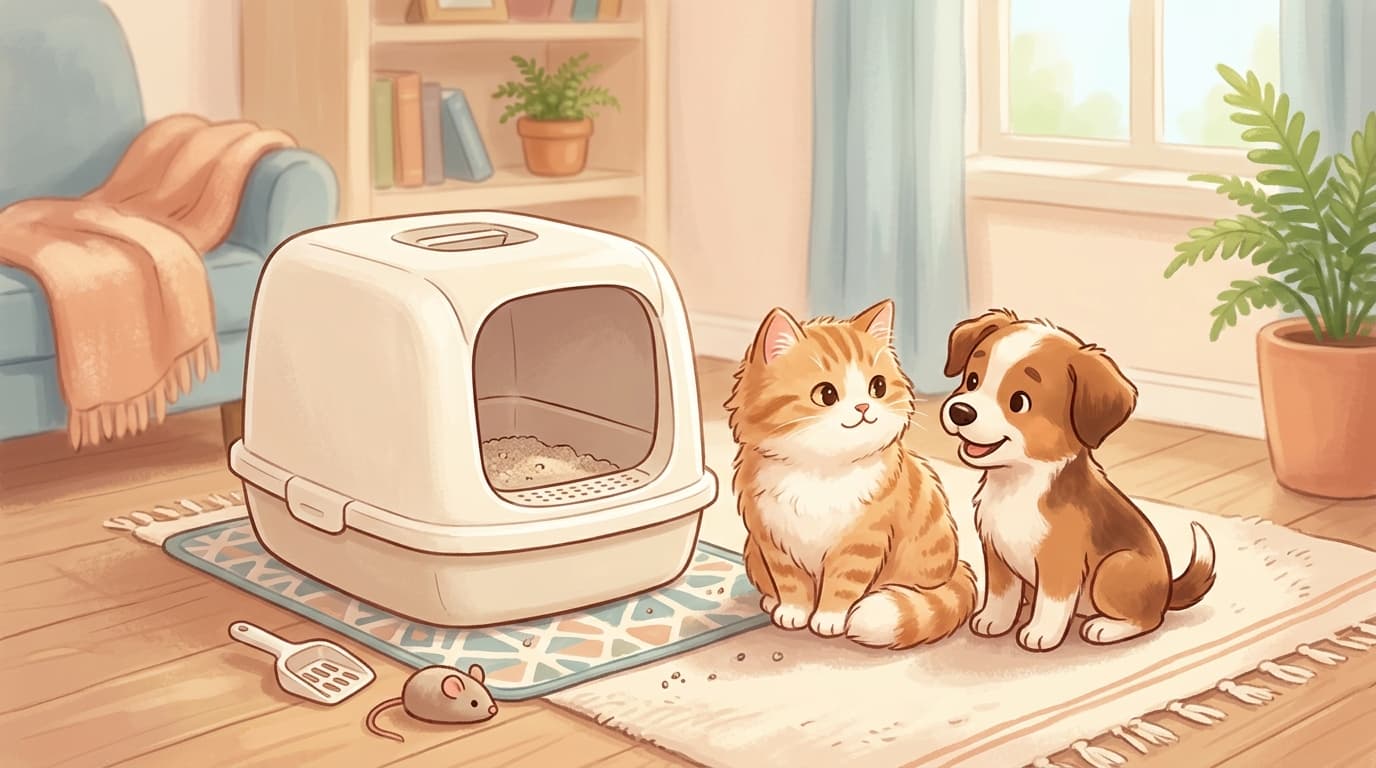
Choose a litter box that can actually contain the digging
One of the most common reasons for litter flinging is a box that’s simply the wrong shape.
A box that’s too small or too shallow makes it almost inevitable that litter will fly out as your cat turns, scratches, and kicks. Aim for a litter box that’s large enough for your cat to comfortably turn around in without bumping into the sides.
What tends to help most:
- High-sided litter boxes that catch the backward kicks
- Top-entry boxes that reduce “straight out the front” scatter
- Covered boxes (for cats who don’t mind them) to keep litter contained
One personal-feeling reality: some cats hate feeling closed in. If your cat seems hesitant, stressed, or avoids the box with a lid, a roomy high-sided open box may be the better choice.
Use a cat litter that doesn’t fly with every swipe
Not all litter behaves the same. Very light litter and extra coarse pieces can get tossed out quickly during normal digging. Dusty litter can also trigger more intense scratching, because your cat may keep searching for a comfortable spot.
Try switching to a litter that’s:
- A bit heavier and finer so it stays put better
- Good at clumping for easier scooping
- Effective at odor control so your cat is happier using it
Pay attention to your cat’s reaction for a few days after any change. Most pet owners don’t realize how strongly cats can prefer (or reject) certain textures.
Fix the litter depth: too little makes digging worse
A thin layer of litter is a hidden cause of chaos. When your cat’s paws hit the hard bottom quickly, they often dig more aggressively to “get it right,” which can catapult litter out of the box.
A simple target that works well for many homes: about 2–3 inches (5–7 cm) of litter. That gives your cat enough material to bury without scraping the base every two seconds.
Put the litter box in a calmer, more secure spot
Location matters more than people think. If the box is in a busy, noisy, or high-traffic area, your cat may feel exposed—and that can lead to rushed, frantic digging.
Look for a spot that’s:
- Quiet and low-traffic
- Easy to access (no stressful obstacles)
- Not crammed into a tight corner where your cat feels trapped
When your cat feels safe, their bathroom routine often becomes noticeably calmer—and the litter stays where it belongs.
Keep the box consistently clean so your cat doesn’t “over-bury”
A dirty box can trigger extra vigorous scratching as your cat tries to cover unpleasant areas. In some cases, it can even lead to your cat avoiding the box altogether.
A realistic routine:
- Scoop daily (clumps and solid waste)
- Replace litter regularly based on how many cats you have and how fast it gets smelly
- Wash the box thoroughly during full litter changes
Cleanliness doesn’t just help your nose—it often reduces the frantic “must bury everything” behavior that sends litter flying.
The real goal: solve the cause, not the cat
Litter flinging is usually your cat’s way of saying, “This setup isn’t working for me.” Adjust the box style, litter type, depth, placement, and cleanliness, and the mess often fades on its own.
Once your cat feels comfortable and the box works with their instincts (not against them), you’ll spend a lot less time sweeping up little grains from the floor.
Meta description: Messy litter box? Fix litter flinging with the right box, litter type, fill depth, placement, and a cleaner routine.
Continue reading

Why Your Cat Touches Your Face With Their Paw (And What They’re Trying to Tell You)
A paw on your face can mean affection, attention, play, scent-marking, or even “give me space.” Learn the clues to read it right.

How Cats Secretly Test You Every Day (And What They’re Really Looking For)
Cats test your patience, boundaries, and consistency daily. Learn the subtle signs—and how to earn real feline trust.

15 Human Foods Cats Can Safely Enjoy (And Why They’re So Drawn to Your Plate)
Your cat isn’t being picky—instinct drives their food choices. Here are 15 cat-friendly human foods and how to offer them safely.