5 Everyday Things Your Cat Hates (and How to Stop Accidental Tantrums)
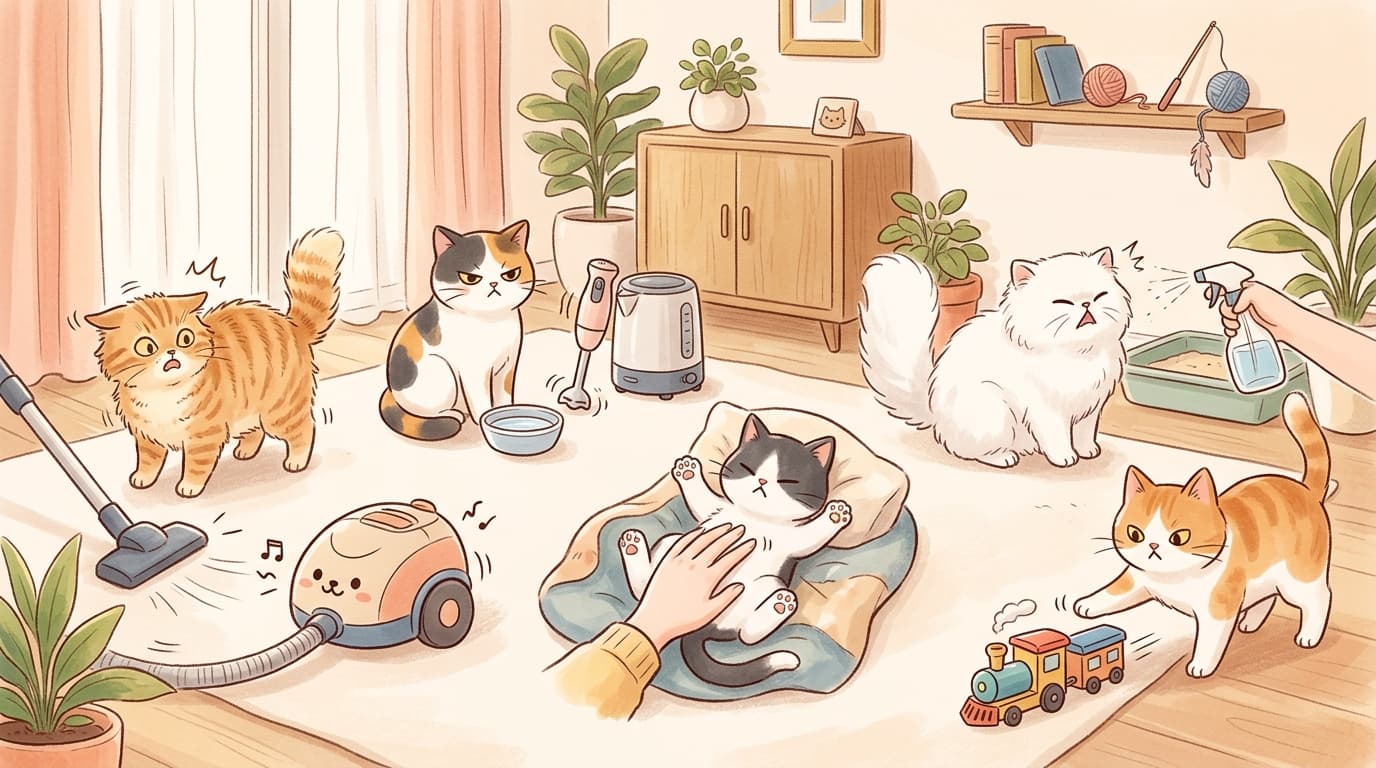
Your cat isn’t being “moody” for no reason. A lot of the things your cat hates are ordinary, well-meaning habits that accidentally feel stressful, pushy, or unpredictable to them.
If you’ve ever reached in for cuddles and gotten a surprise swat, you’ve already seen how fast a cat can go from “okay” to “nope.”
1) Petting the wrong spots (and for too long)
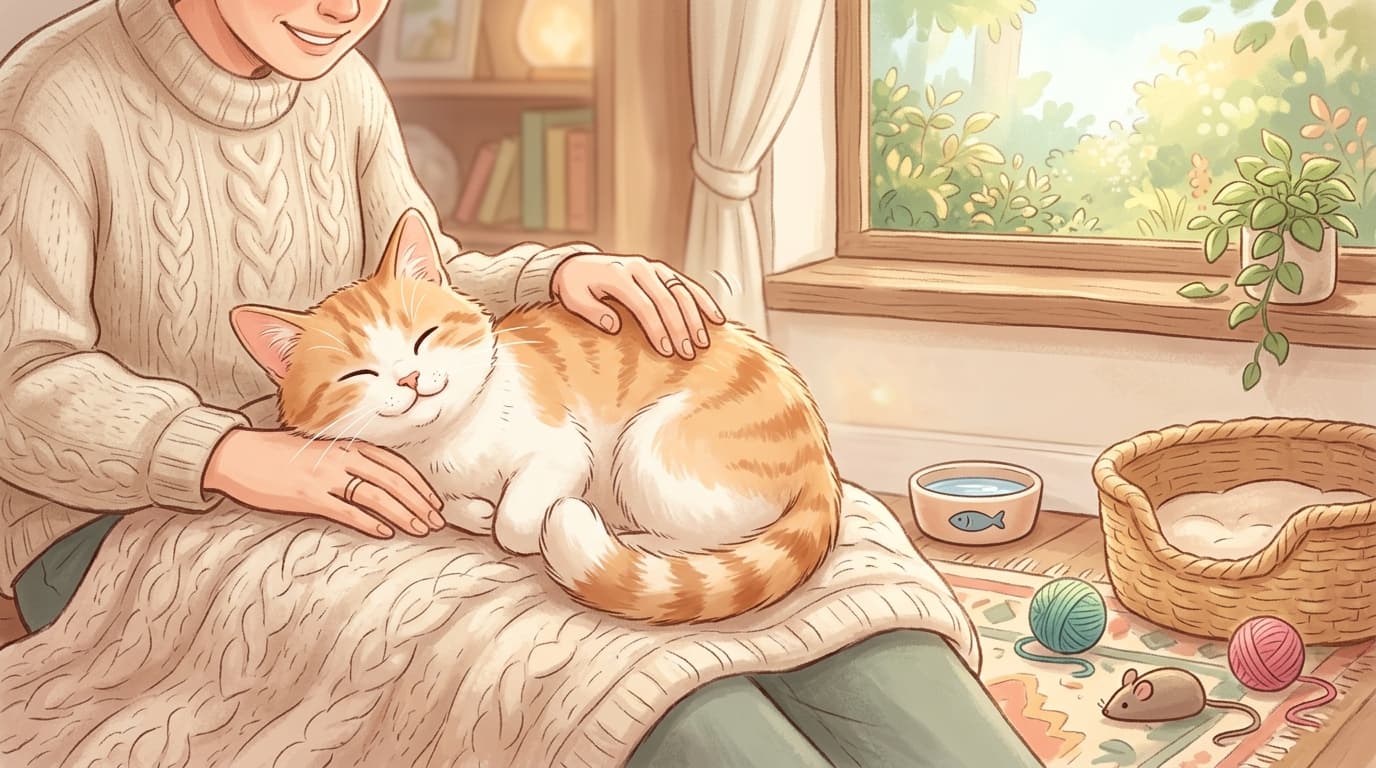
One of the most common things your cat hates is being stroked in sensitive areas or having petting go on past their comfort limit. Many cats enjoy affection, but only in specific places and in shorter “sessions” than we expect.
Areas that often trigger irritation include:
- The belly
- The base of the tail
- The paws and legs
A cat may even approach for affection and still get overstimulated quickly. Most pet owners don’t realize that “more petting” can turn into “too much” in seconds.
2) Forcing interaction when your cat isn’t choosing it
Cats do best when they feel in control of how close you are and how long contact lasts. Picking your cat up when they’re trying to leave, pushing them toward a visitor, or insisting on playtime when they want peace can make them feel trapped.
When a cat thinks there’s no easy escape route, defensive behavior (hissing, swatting, biting) becomes more likely. It’s not them being “bad.” It’s them trying to create space.
3) Invading their personal space (especially their rest zones)
Cats are serious about territory, and they’re even more serious about safe resting spots. Reaching into their hiding place, disturbing them while they sleep, or constantly “checking on them” in their favorite nook can backfire.
A simple way to reduce tension is to give your cat:
- A quiet, predictable resting area
- Elevated spots (cat trees, shelves, window perches)
- At least one “no one bothers me here” zone
The more secure their space feels, the calmer they usually are in the rest of the house.
4) Loud noises and sudden sound blasts
Your cat’s hearing is far more sensitive than yours, so everyday noise can feel like chaos to them. Vacuums, loud music, shouting, and doorbells are common triggers that can cause fear or ongoing stress.
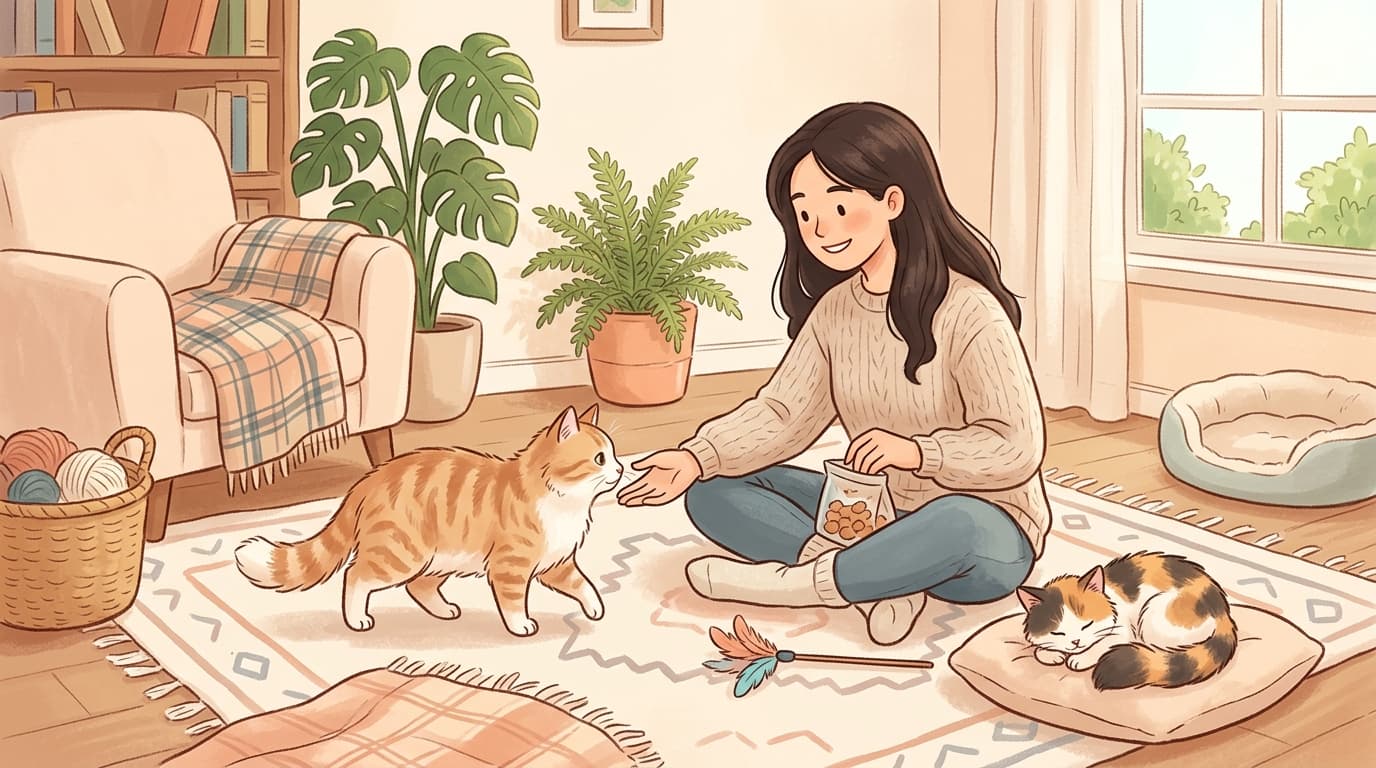
What helps is not perfect silence, but options. Make sure your cat always has access to a quieter room or a cozy retreat where they can ride out the noisy moments.
5) Making changes to their territory too quickly
Another big item on the list of things your cat hates is change that arrives without warning. Even normal updates—moving furniture, adding a new decoration, rearranging a room—can make a cat feel like their map of the world is suddenly wrong.
Cats often rely on stability to feel safe. If you need to change something, small steps usually go better than a full “new layout” overnight. Let them investigate at their pace and keep familiar items (beds, scratching posts, blankets) in consistent places when you can.
The mistake that makes everything worse: ignoring the early warning signs
Cats rarely go straight to scratching or biting. They typically signal discomfort first, and those signals are easy to miss if you’re focused on what you want (one more pet, one more hug, one more photo).
Common “please stop” cues include:
- Tail flicking or thumping
- Ears pinned back
- A stiff, frozen body
- Dilated pupils
The moment you see these signs, pause and give space. Over time, your cat learns they don’t need to escalate to get their boundaries respected.
A calmer cat is usually a cat who feels in control
Most cat blow-ups aren’t random. When you respect your cat’s timing, space, and sensitivity to noise and change, you’ll likely see fewer swats and a lot more relaxed affection.
Continue reading

How to Stop Your Cat From Throwing Litter Out of the Box (Fast, Lasting Fixes)
Messy litter box? Fix litter flinging with the right box, litter type, fill depth, placement, and a cleaner routine.

Where Your Cat Sleeps Says a Lot About Love (7 Favorite Spots Decoded)
From your feet to your pillow, your cat’s sleeping spot is a quiet love letter. Here’s what 7 common choices really mean.

Why Cats Knock Things Over: The Real Reasons Behind That Push-and-Scatter Habit
Cats knock things over due to hunting instincts, curiosity, and attention-seeking. Learn what it means and how to curb the habit.