
 № 01
№ 01How Cats Decide Who to Trust (and How to Earn It Gently)
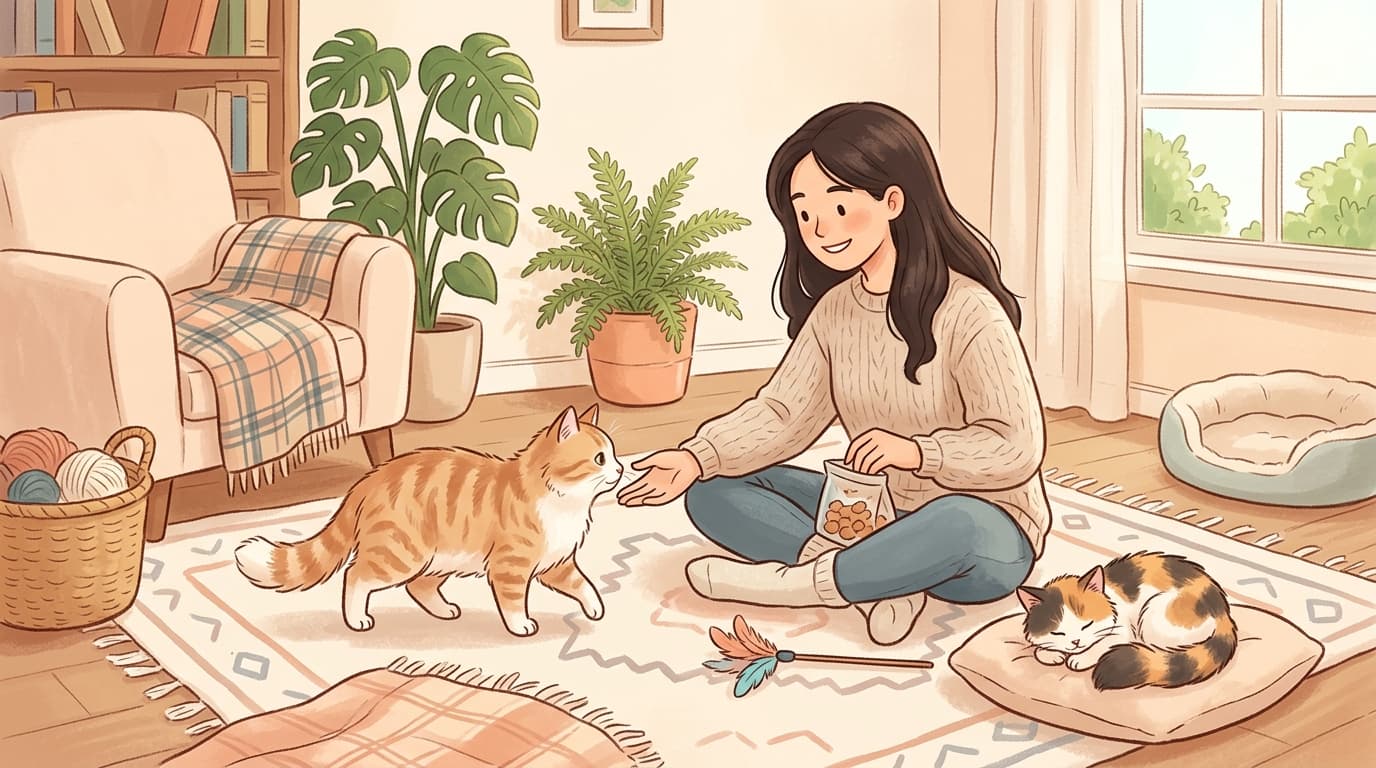
Cats don’t give trust by default. Learn the signals they watch—control, body language, routine, scent, and patience—to build a stronger bond.
4 min read
§ Index
№ 01Cats don’t give trust by default. Learn the signals they watch—control, body language, routine, scent, and patience—to build a stronger bond.
 № 02
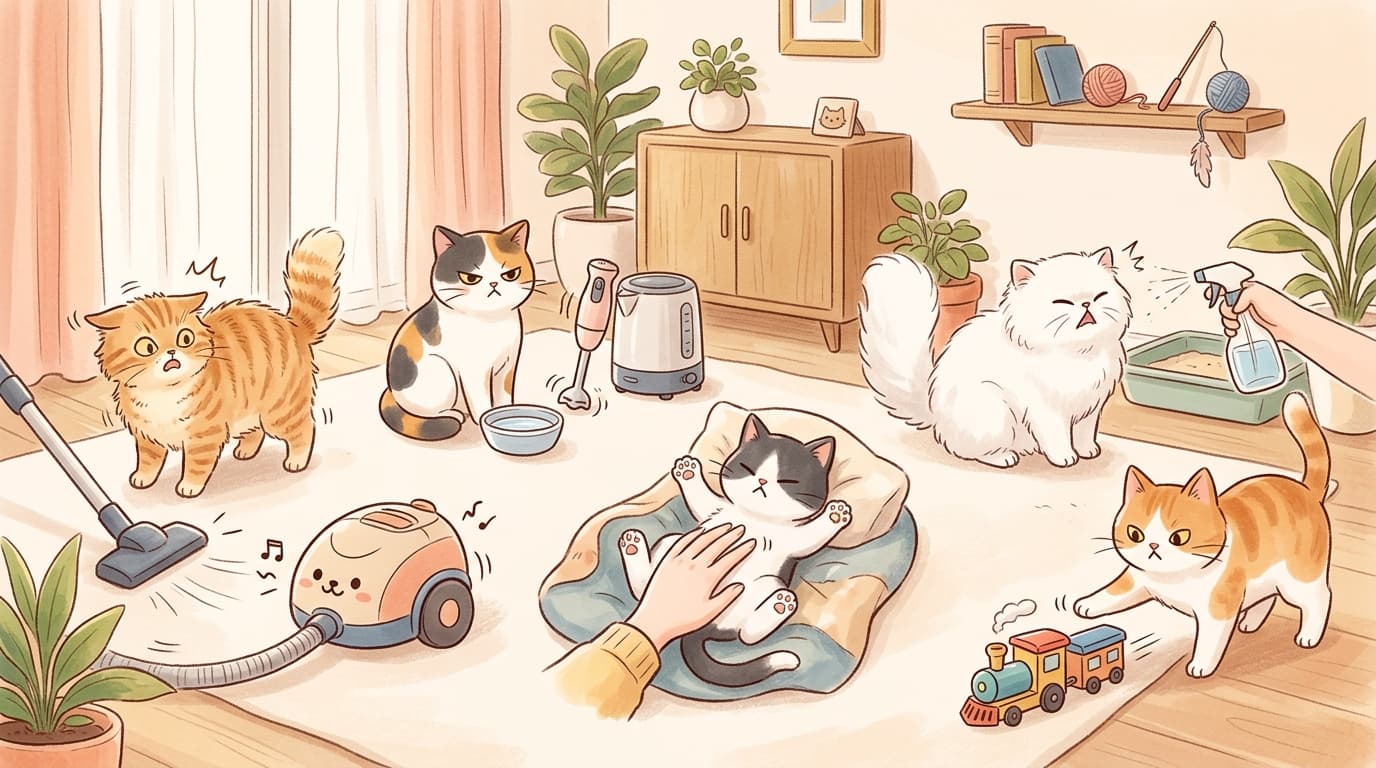
№ 02From the “wrong” petting spots to noisy rooms and sudden changes, these everyday habits can stress your cat and trigger swats.
 № 03
№ 03From your feet to your pillow, your cat’s sleeping spot is a clue to trust, comfort, and how they see you.
 № 04
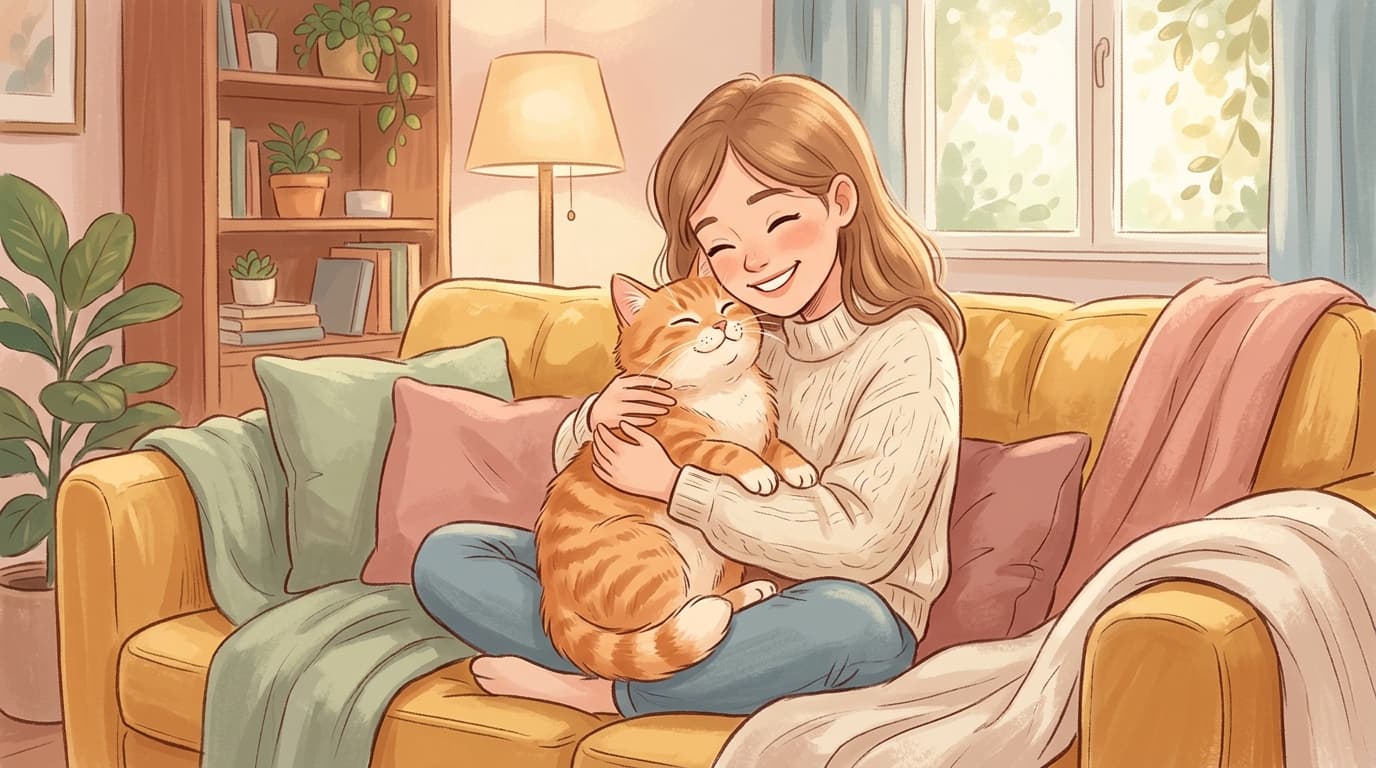
№ 04From slow tail-tip curls to choosing your seat, these 8 subtle behaviors can reveal how deeply your cat trusts you.
 № 05
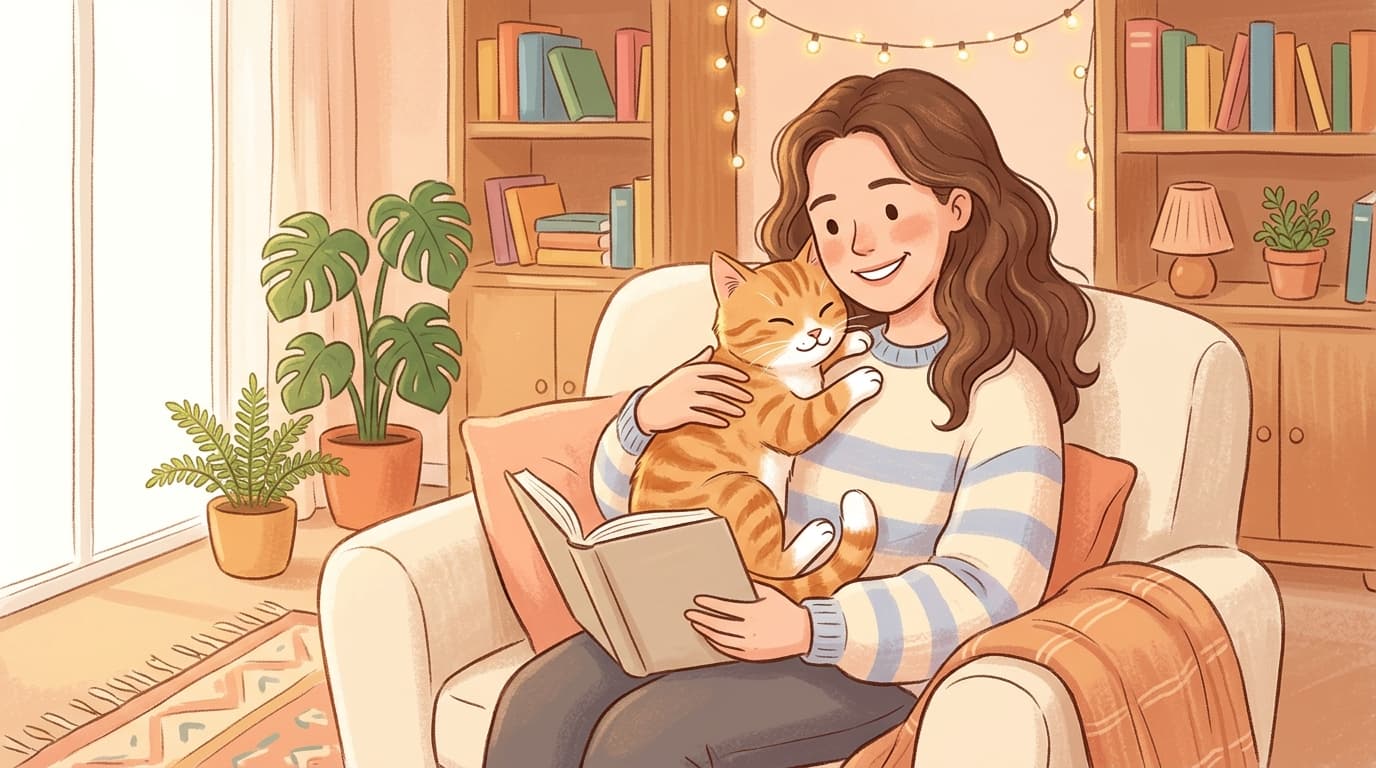
№ 05From lap-sitting to cheek rubs, your cat’s “cute” habits are secret messages about safety, scent, and trust.
 № 06
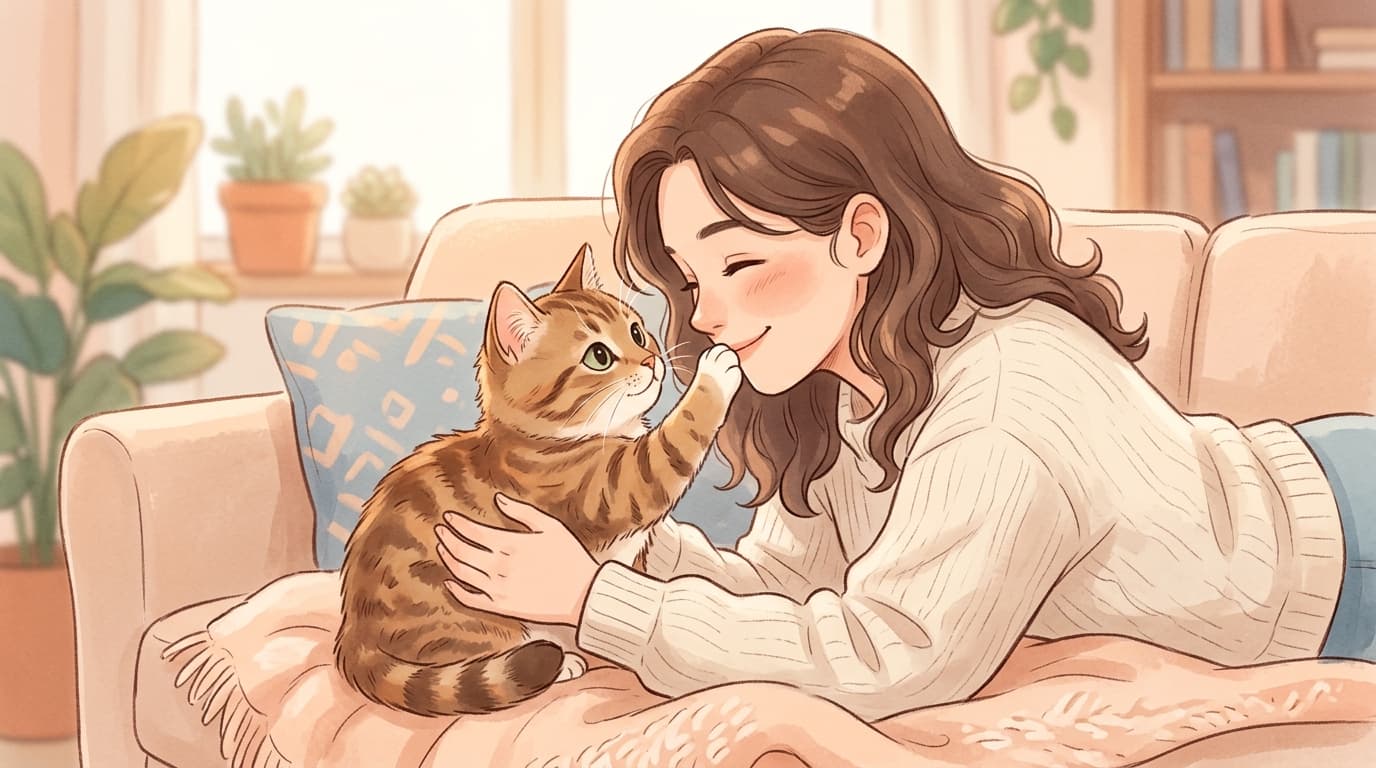
№ 06A paw on your face can mean affection, attention, play, scent-marking, or even “give me space.” Learn the clues to read it right.
 № 07
№ 07Cats tilt their head to see and hear better, show curiosity, and sometimes signal trust. Learn what it means and when to worry.
 № 08
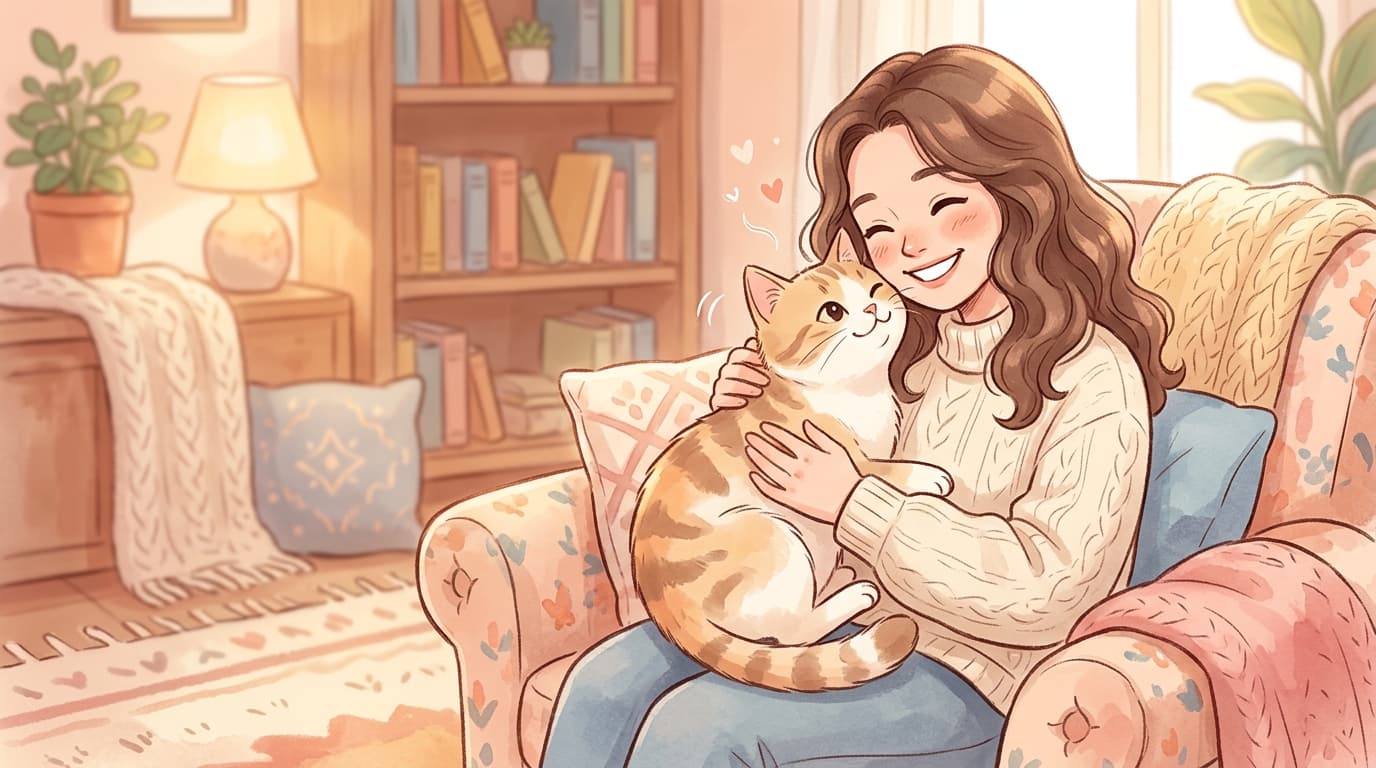
№ 08Cats do apologize—just quietly. Learn 6 subtle “sorry” signals (and how to respond) after tension with your cat.
 № 09
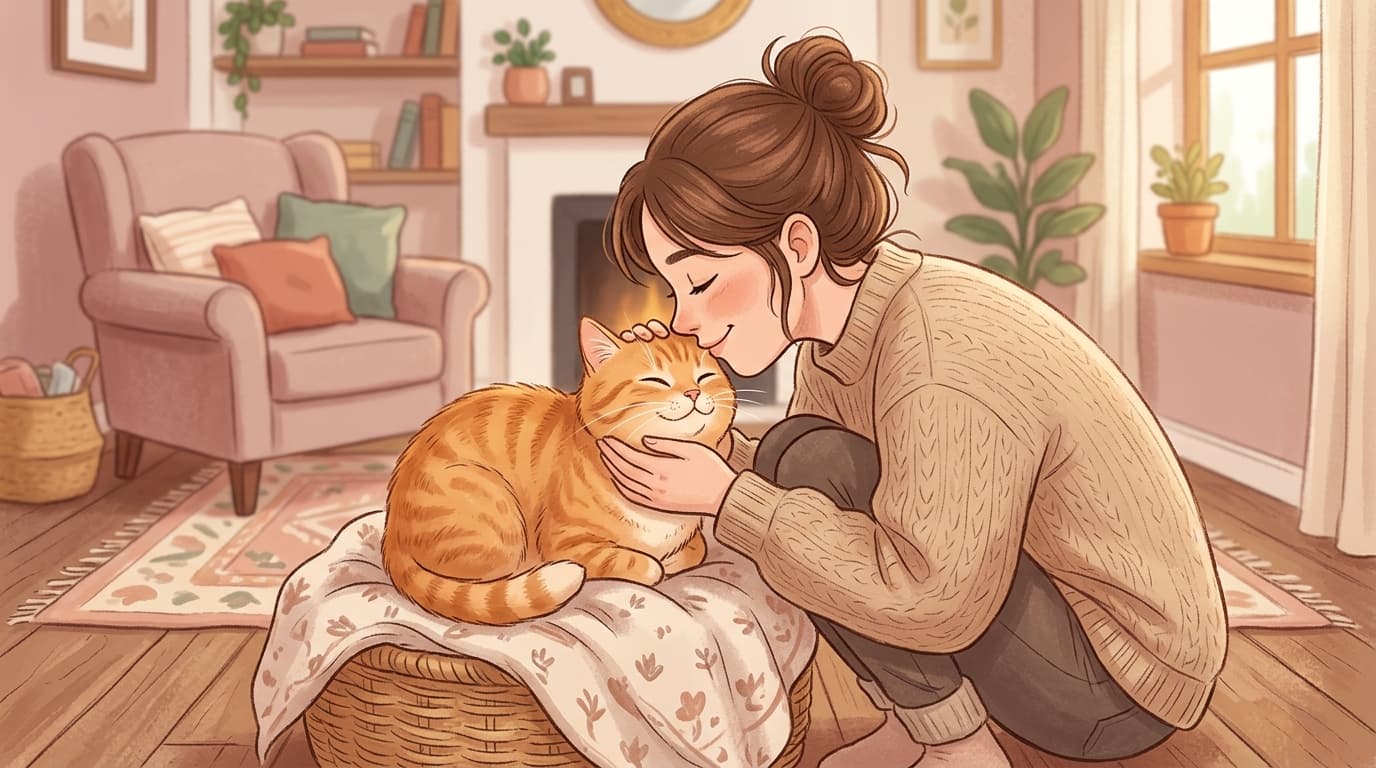
№ 09A cat doesn’t interpret kisses like humans do. Here’s what your face-to-fur “kiss” really communicates—and why some cats pull away.
 № 10
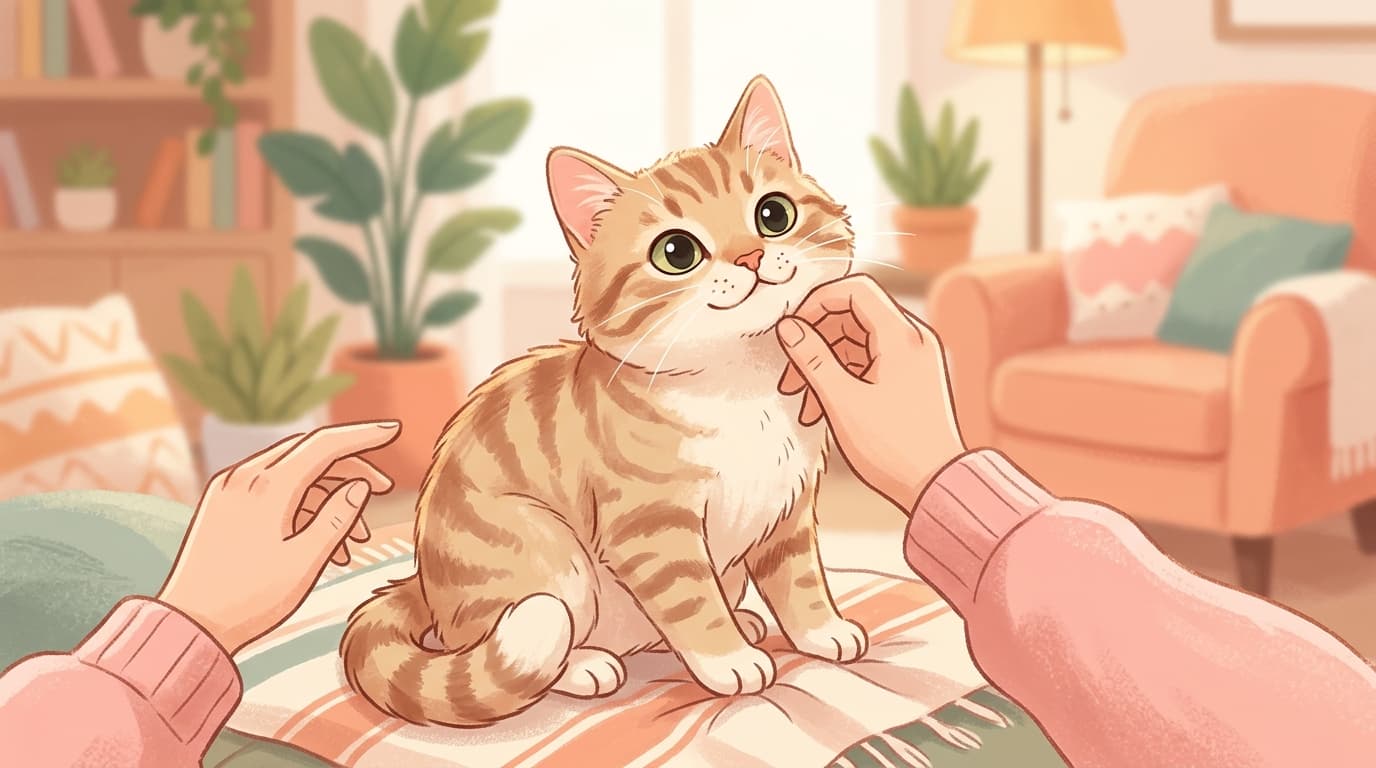
№ 10Your cat’s “random” bite usually isn’t love—it’s communication. Learn the real reasons and the subtle signals you’re missing.
 № 11
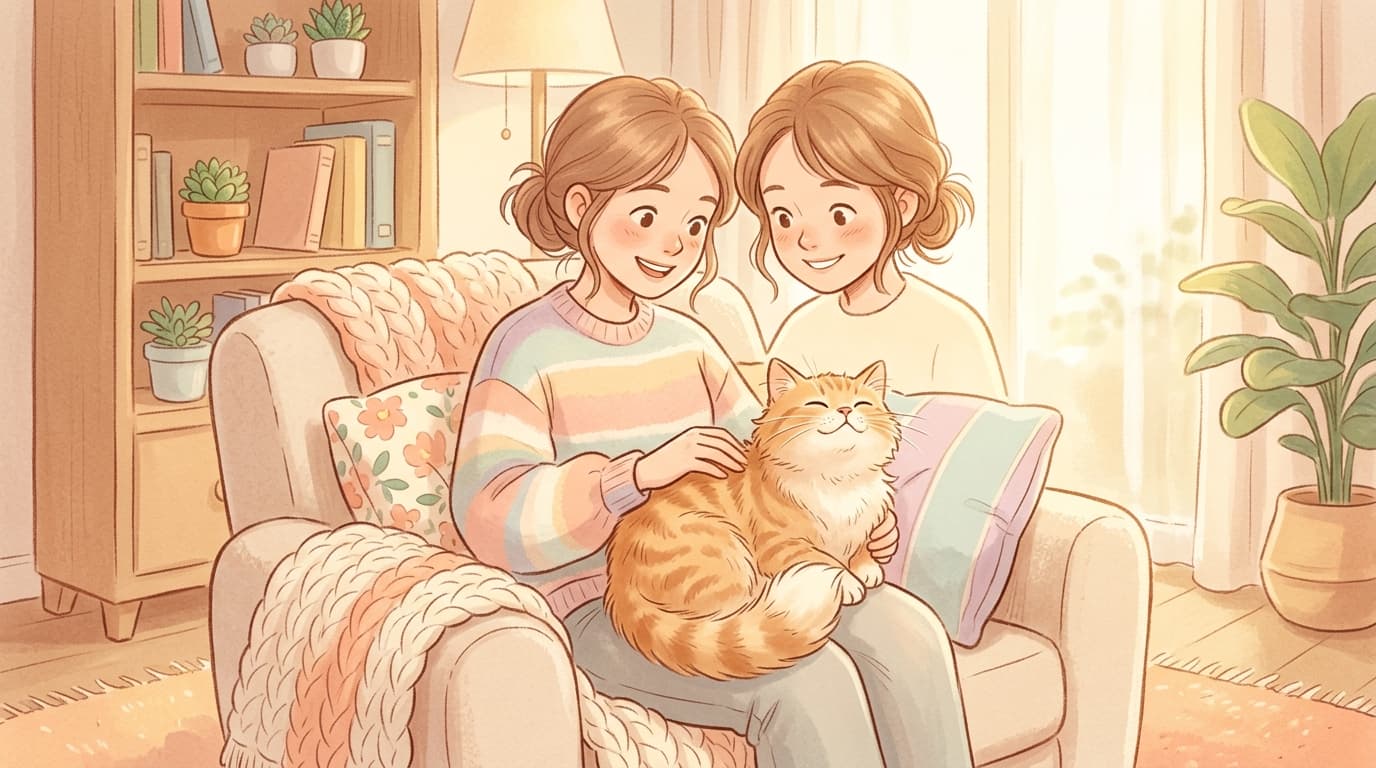
№ 11Your cat reads petting as scent, identity, and safety—not simple affection. Learn where to pet, what to avoid, and why bites happen.
 № 12
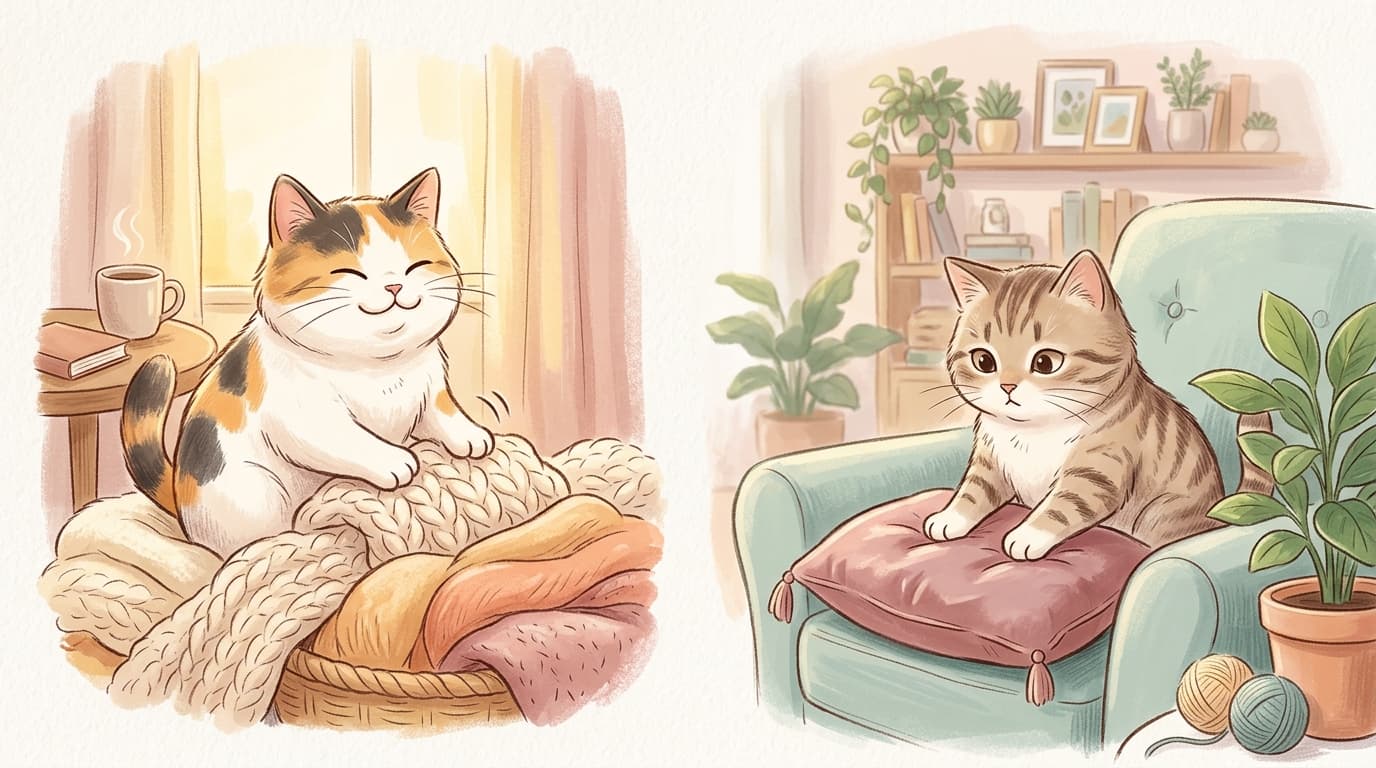
№ 12Cat kneading usually means comfort, but it can also be a self-soothing stress signal. Learn how to tell the difference.