How Cats Apologize: 6 Subtle “Sorry” Signals Most Owners Miss
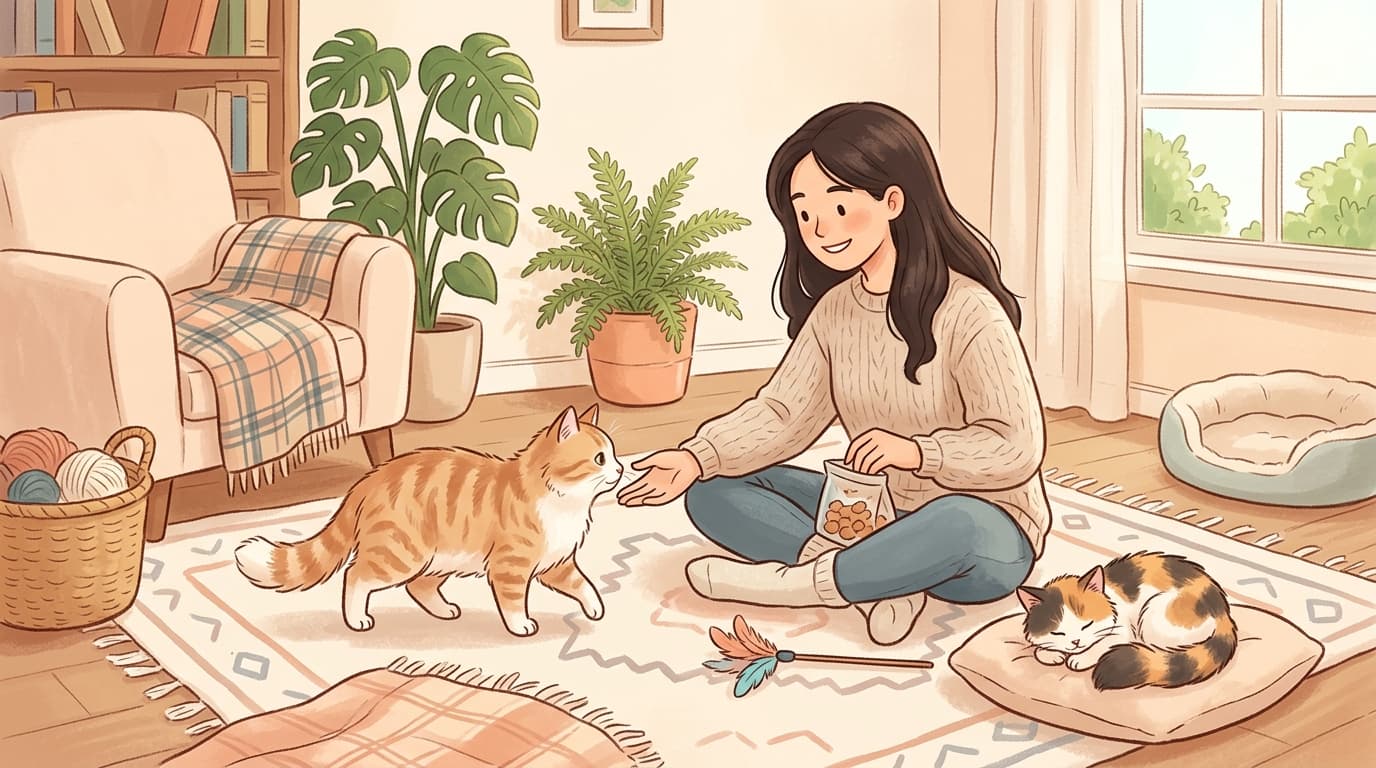
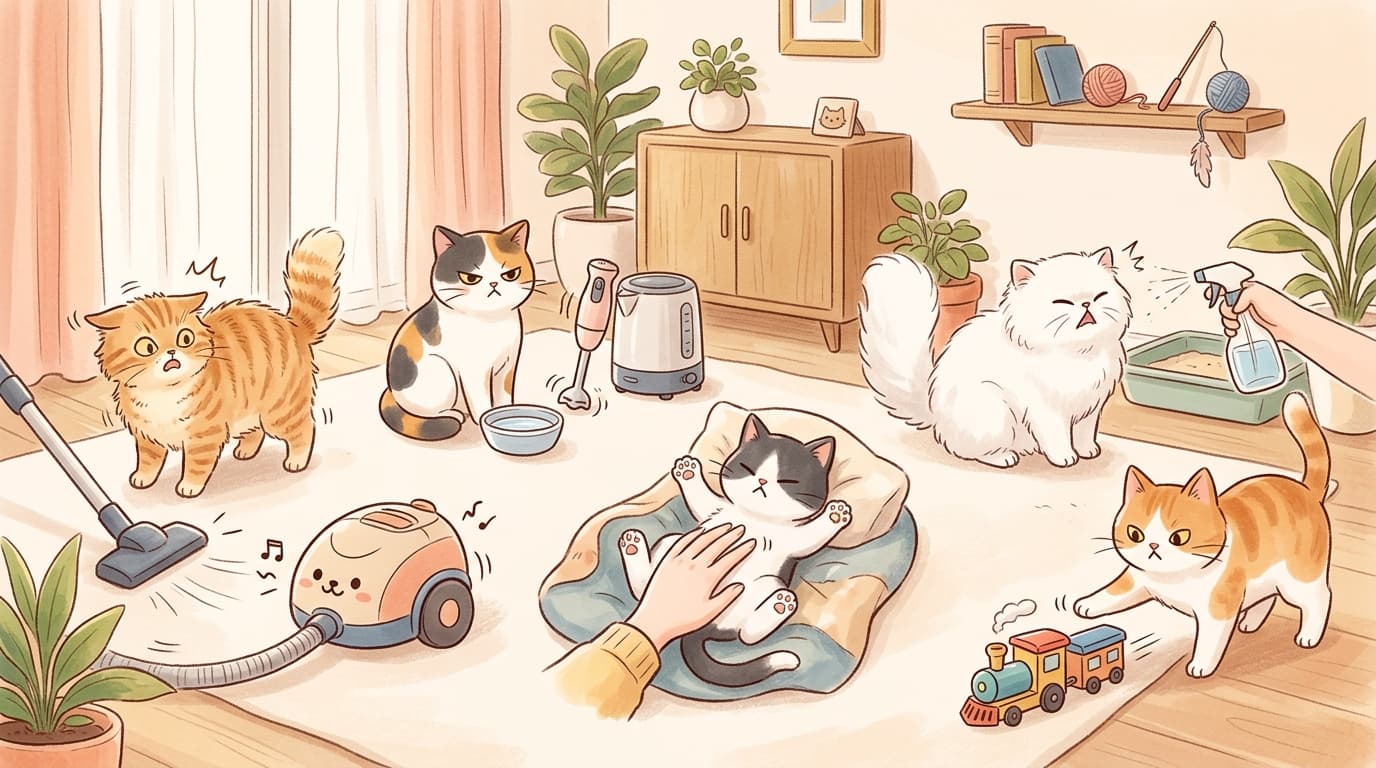
Your cat knocks something over, scratches the sofa, or launches into a 3 a.m. sprint—and you react like any normal person. Then they stare at you like you’re the one being dramatic. But what most pet owners don’t realize is what often happens later: your cat tries to make things right, just in a language that’s easy to miss.
Do cats apologize—or do they just move on?
Cats don’t apologize with guilt the way humans do. They don’t “confess,” they don’t sulk on purpose, and they definitely don’t do big, obvious gestures to win you back.
What they do have are reconciliation behaviors: small, intentional signals that show they’re trying to reduce tension and restore the feeling of safety between you. If you’ve ever thought, “My cat has zero remorse,” there’s a good chance you simply didn’t recognize the apology attempt.
1) The slow blink after a tense moment
You’ve probably heard that a slow blink is a sign of trust. What’s easy to miss is when it matters most: right after you’ve scolded your cat, raised your voice, or even just given “the look.”
In that moment, your cat is choosing to soften the situation. A slow blink is like your cat saying, “I’m not a threat. I’m choosing calm.” And it’s not just sentimental—research has found that when humans respond warmly to a cat’s slow blink, cats relax more.
How to respond: Pause. Relax your shoulders. Slowly blink back once or twice. No lecture, no reaching—just a calm “message received.”
2) The surprise head-butt (bunting) that shows up later
After a disagreement, your cat may stroll up with total confidence and press their forehead or cheek into you. It can feel almost rude, like they’re demanding affection after causing chaos.
But head-butting is also a scent-based reset. Cats have scent glands around the face, and rubbing those areas on you leaves familiar chemical markers that help them feel secure. After tension, your body language and even your stress can change the “vibe” for your cat—so they try to rewrite the moment with a comforting, familiar scent exchange.
How to respond: Let it happen. Stay neutral and still, and allow the rub. Think of it as your cat re-labeling you as “safe” again.
3) The toy left at your feet (that you might have ignored)
This one is easy to misread. Your cat picks up a favorite toy—maybe the battered plush mouse they guard like treasure—and drops it near you after things have been tense.
Many people assume it’s a request to play and either ignore it or casually push it aside. But for some cats, offering a valued object is a peace gesture. It’s not about entertaining you; it’s about bridging the gap with the one thing they can “give.”
How to respond: Acknowledge it. Pick it up briefly, look at your cat, and soften your expression. You don’t have to start a play session—just don’t dismiss the offering like it meant nothing.
4) Licking you to calm the relationship (and themselves)
If your cat climbs onto your lap and starts licking your hand, arm, or even your face after a tense moment, it can feel sweet—or a little weird.
In cat social groups, mutual grooming is selective. It’s not just hygiene; it’s relationship maintenance. Grooming helps lower tension, and it’s a behavior reserved for cats (or humans) they truly feel bonded to.
How to respond: If it’s safe and you don’t hate it, let your cat finish. Pulling away too fast can feel like rejection right in the middle of their “repair attempt.”
5) The belly display (the most misunderstood apology signal)
This is the big one. Your cat rolls over and shows their belly after a conflict, and your human brain goes, “Aww, they want tummy rubs.” You reach in—and get smacked.
Showing the belly isn’t automatically an invitation. For cats, the belly is the most vulnerable area. Rolling over after tension often means something closer to: “I’m lowering my defenses. Please don’t stay angry.” It’s a fragile peace offering, not a touch request.
How to respond: Don’t reach. Instead, lower your energy. Stay still. Slow blink. Let your cat remain in control of the distance and the contact.
6) The quiet “shadowing” from room to room
After a tense moment, your cat might not cuddle or demand attention—but they keep appearing in the same room as you. They sit off to the side, look away, pretend to nap… and then follow you to the next room and do it again.
It’s easy to assume they’re bored or hungry. But often, it’s a closeness strategy: staying near without forcing interaction. And it’s especially meaningful because cats are perfectly capable of being alone. Choosing your space anyway is a calm, persistent way of saying, “I’m still here. I’m not giving up on us.”
How to respond: Let the presence be enough. Speak softly if you want, but don’t pressure your cat into contact. Their version of reconciliation can be quiet.
How to accept your cat’s apology (without accidentally rejecting it)
The pattern across all six signals is simple: cats apologize by lowering tension, not by acting guilty. Your best response is usually the same, too—soften, pause, and let them lead.
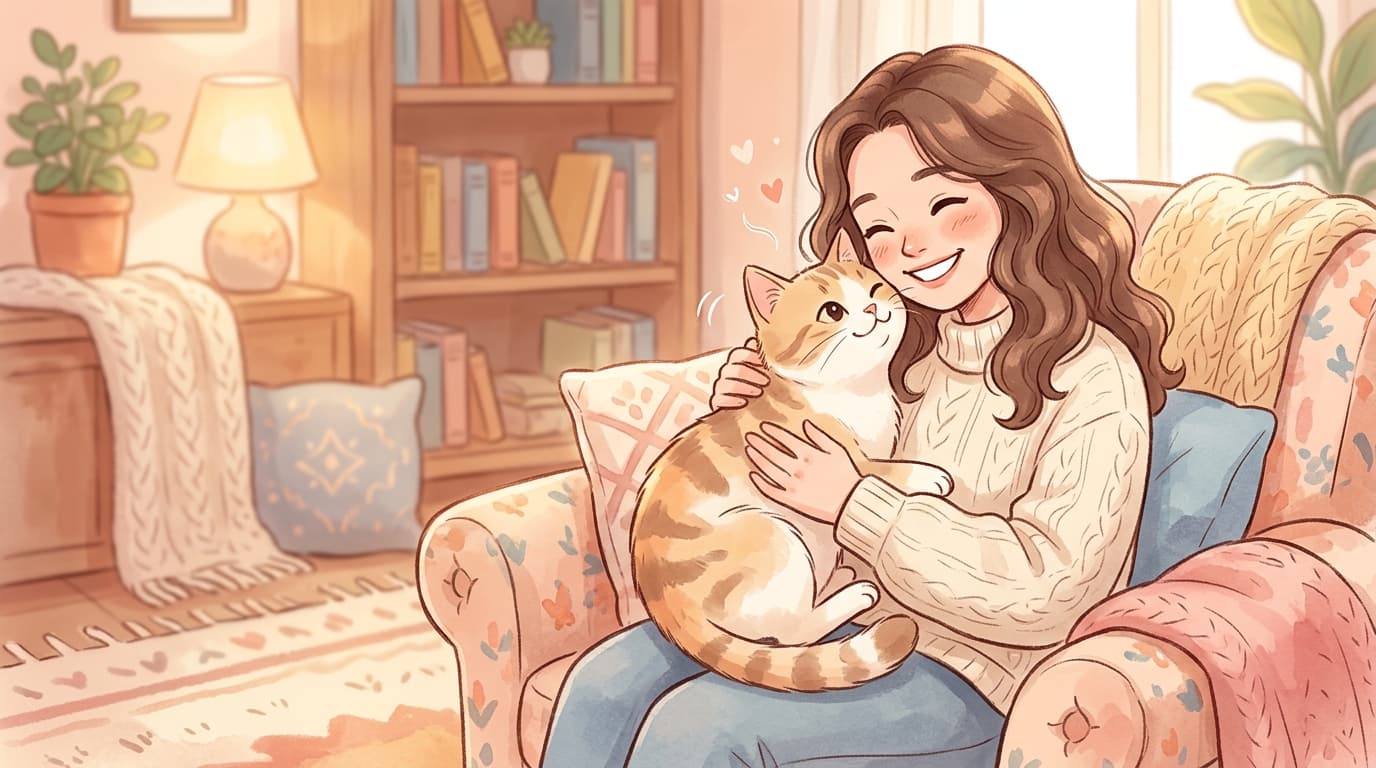
If your cat offers any of these gestures, try not to meet it with sudden grabbing, loud talking, or pushing them away. Even a small acknowledgment—a slow blink, a calm posture, allowing a head rub—teaches your cat that reconciliation works with you.
The takeaway
Your cat might not say “sorry,” but they often do try to repair the moment in subtle ways. Once you learn the signals, you start seeing how hard your independent little roommate is actually working to keep your bond steady.
Meta description: Cats do apologize—just quietly. Learn 6 subtle “sorry” signals (and how to respond) after tension with your cat.
Continue reading

Where Your Cat Sleeps Says a Lot About Love (7 Favorite Spots Decoded)
From your feet to your pillow, your cat’s sleeping spot is a quiet love letter. Here’s what 7 common choices really mean.

Why Cats Knock Things Over: The Real Reasons Behind That Push-and-Scatter Habit
Cats knock things over due to hunting instincts, curiosity, and attention-seeking. Learn what it means and how to curb the habit.

Why Your Cat Follows You to the Bathroom (It’s Not Just Clinginess)
Your cat isn’t being nosy—bathroom follow-ups are driven by instinct, territory, curiosity, and a surprisingly sweet kind of loyalty.