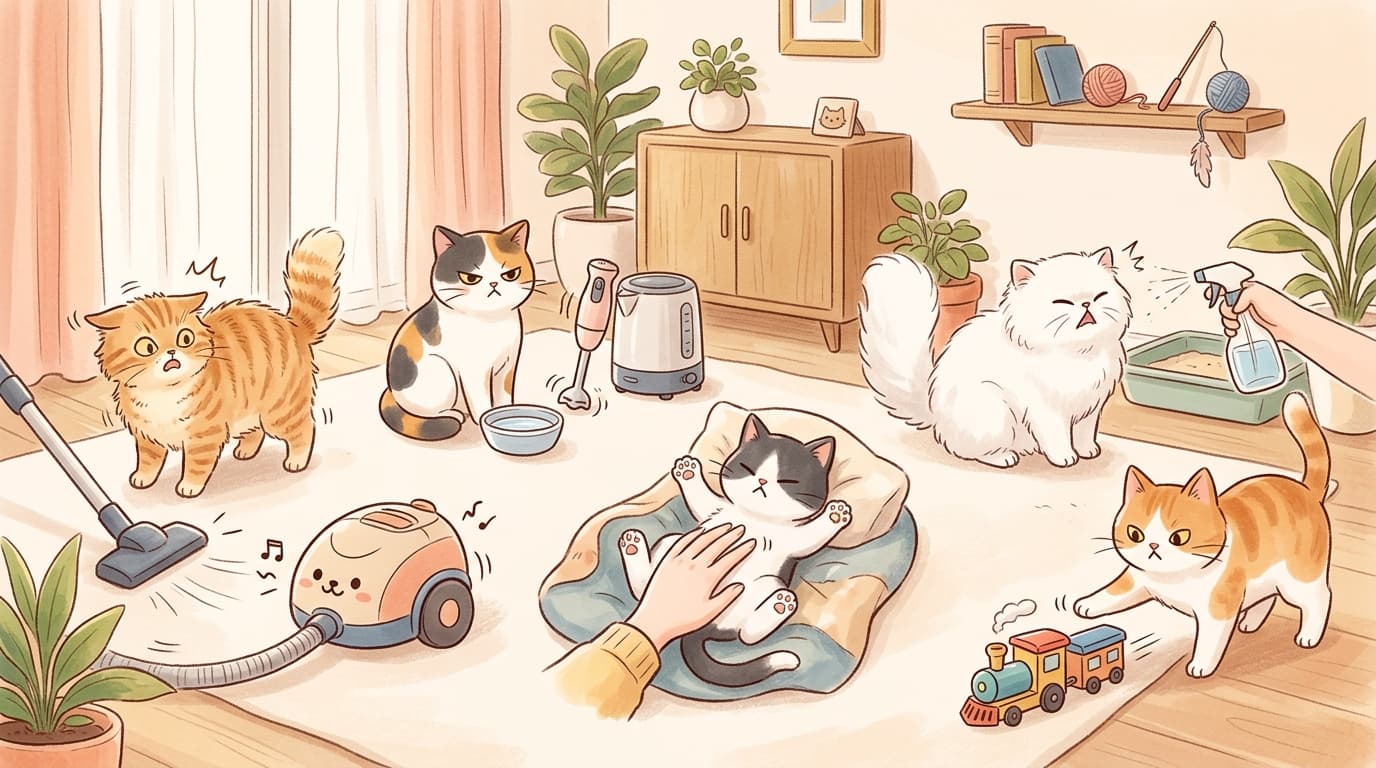
Why Your Cat Bites You While You’re Petting Them (And What They’re Really Saying)
Your cat’s “random” bite usually isn’t love—it’s communication. Learn the real reasons and the subtle signals you’re missing.
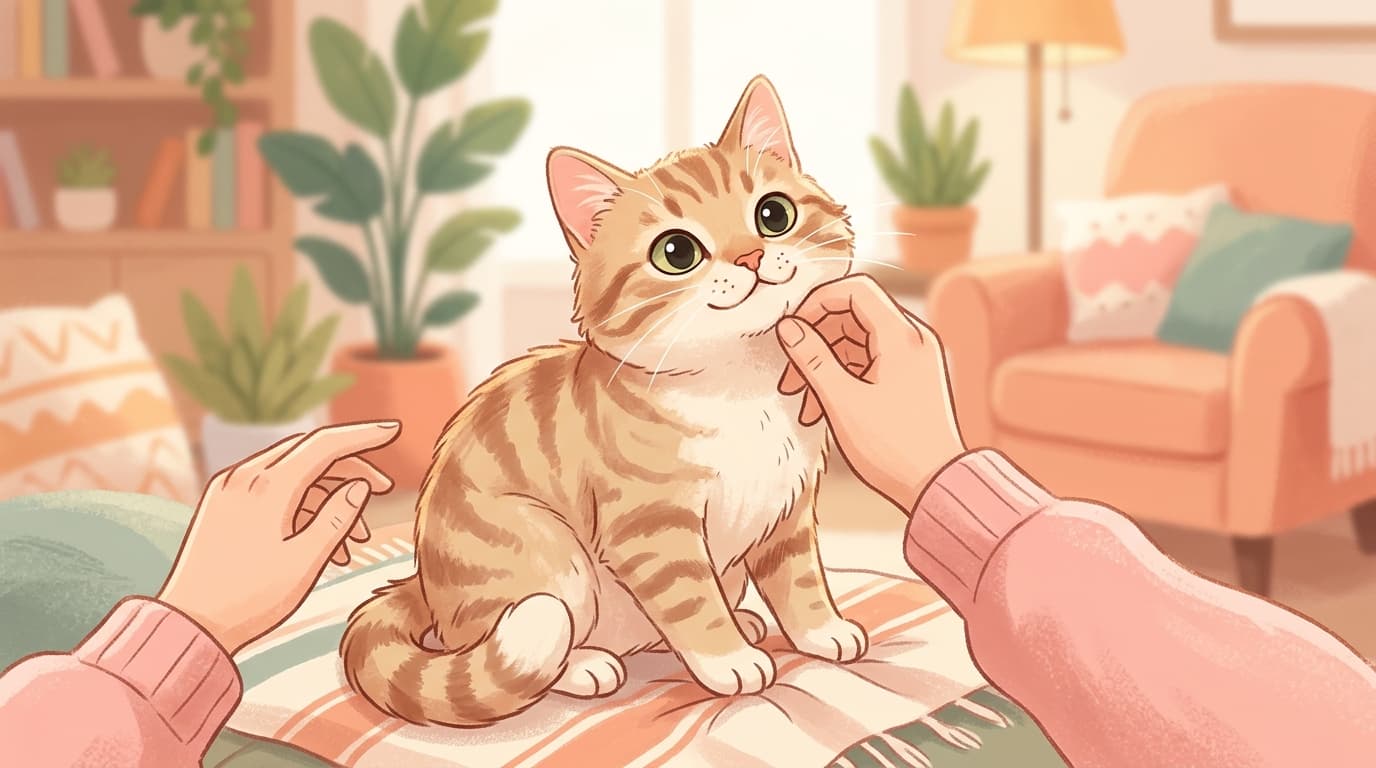
You’re petting your cat, they seem perfectly happy… and then—chomp. It can feel personal, especially when the purr switches to teeth in a split second. Most pet owners don’t realize that this “out of nowhere” bite is usually your cat communicating the only way that works.
The real reason your cat bites during petting
The most common cause is petting overload (sometimes called petting intolerance). Your cat’s nervous system can flip from “this feels good” to “this is too much” faster than you’d expect—especially if the petting is long, repetitive, a bit too intense, or lands on a sensitive spot.
To you, it feels sudden. To your cat, it’s the final step after earlier signals didn’t stop the sensation.
The warning signs most people miss
If you’ve ever noticed your cat’s mood “change for no reason,” there’s a good chance the signs were there—you just didn’t recognize them as a request to pause.
Look for these common clues:
- Tail flicking or whipping (not the slow, relaxed swish—more sharp and fast)
- Ears turning slightly back or rotating away from you
- Skin twitching or rippling along the back, like a little shiver
Those are often your cat’s version of “That’s enough.” If the petting continues, the bite becomes the message you can’t ignore.
It’s not “a love bite” if it leaves a mark
Some cats do gentle, controlled nibbles during affection. But if your cat clamps down hard, leaves dents, or breaks skin, treat it as a clear boundary, not romance.
A strong bite usually means your cat was overwhelmed, startled, or pushed past their comfort zone—not trying to be cute.
Other common reasons cats bite “without warning”
Petting overload is the big one, but it’s not the only one. A bite can also happen when:
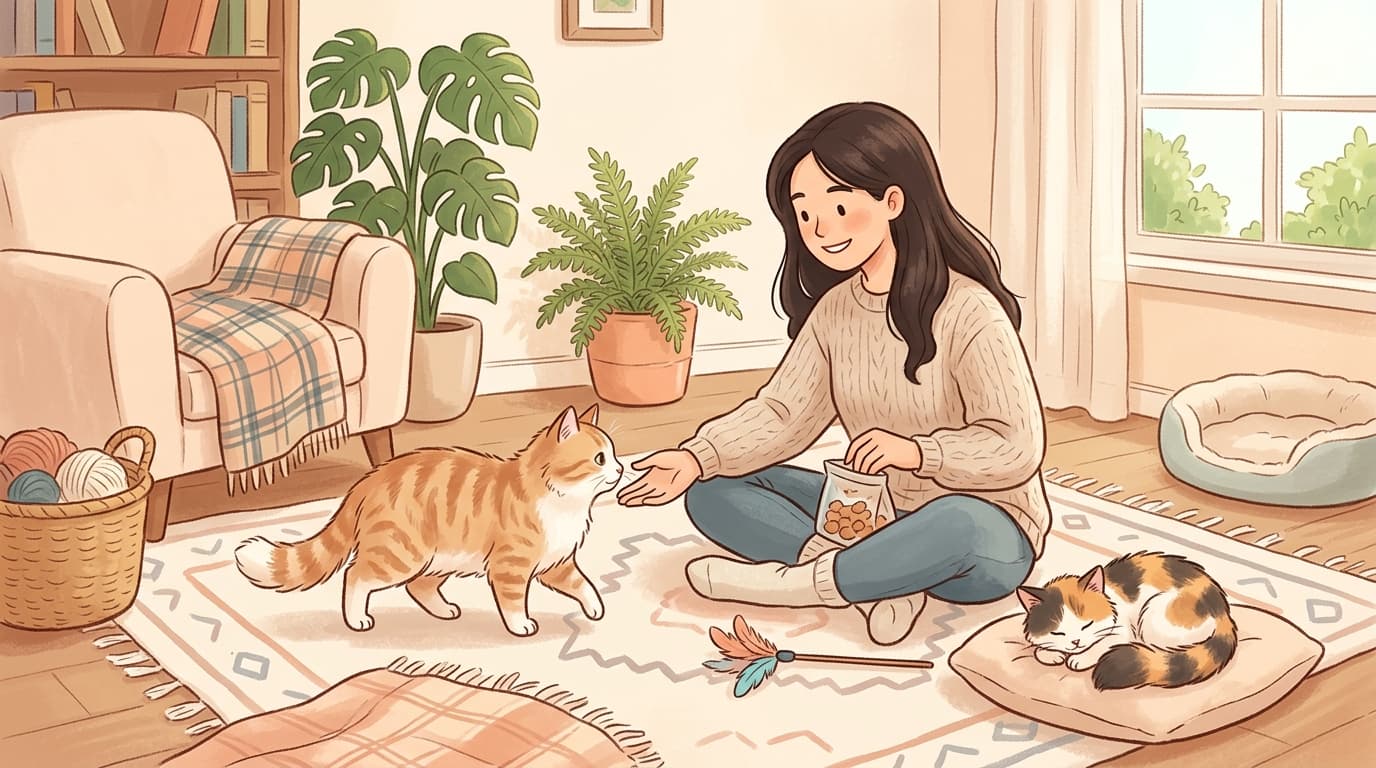
Your cat gets too amped up during play
Excitement builds, your hand moves, and in your cat’s brain the line between “toy” and “human skin” can blur. This is especially common with young cats or cats who don’t get enough daily play that mimics hunting.
Your cat feels trapped or pressured
If your cat can’t easily walk away—because they’re cornered, held in place, or picked up when they didn’t want it—biting can be a quick “I need space now.”
You accidentally touched a sore spot
Cats are masters at hiding discomfort. If you pet a tender area (even by accident), the bite may be self-protection rather than attitude.
Your cat’s hunting reflex kicks in
Fast-moving fingers can trigger instinct before your cat’s “Oh right, that’s my person” part catches up. It’s not hatred—it’s a reflex that fires quickly.
How to prevent petting bites (without walking on eggshells)
You don’t need to stop cuddling your cat. You just need to make it easier for them to say “enough” without using teeth.
- Keep petting sessions shorter and take tiny pauses to see if your cat re-engages
- Pet where your cat consistently enjoys it (many prefer cheeks and head over full-body strokes)
- Watch the tail, ears, and skin—they often change before the bite happens
- Redirect high energy into play (a short wand-toy session can do wonders)
- Let your cat leave without following or pulling them back in
A quick note about other “weird” cat habits that are actually normal
Cats communicate in a whole collection of small, easy-to-misread behaviors. A few you might recognize:
- After a little slip or awkward moment, some cats suddenly start grooming intensely—often a stress “reset,” not a hygiene emergency.
- Ambushing your ankles from behind a doorway is usually hunting instinct plus boredom, not revenge.
- A gentle paw tap to your face can be your cat “checking” you with their super-sensitive paw pads.
- Scratching the floor near the food bowl can be an instinct to “hide” leftovers, even on tile.
- Sitting with their back to you is often a sign of trust, not rudeness.
Once you start seeing these as messages, your cat becomes a lot easier to understand.
The takeaway
A cat that bites during petting usually isn’t being mean—they’re setting a boundary or reacting to overload, excitement, fear, or instinct. The more you learn your cat’s early signals, the less they’ll need to escalate to teeth. And when your cat realizes you listen, affection gets calmer for both of you.
Continue reading

Does Your Cat Really Love You? 8 Quiet Signs of Trust Most People Miss
From slow tail-tip curls to choosing your seat, these 8 subtle behaviors can reveal how deeply your cat trusts you.

Why Your Cat Climbs on You: It’s Not “Just Love” (And What They’re Really Saying)
From lap-sitting to cheek rubs, your cat’s “cute” habits are secret messages about safety, scent, and trust.

Why Your Cat Walks on You at Night (And What They’re Really Trying to Tell You)
If your cat steps on your chest at night, it’s not random. Here are the real reasons—and how to respond without encouraging 5 a.m. wakeups.