Choosing a Cat by Coat Color: What You Should Know Before You Adopt
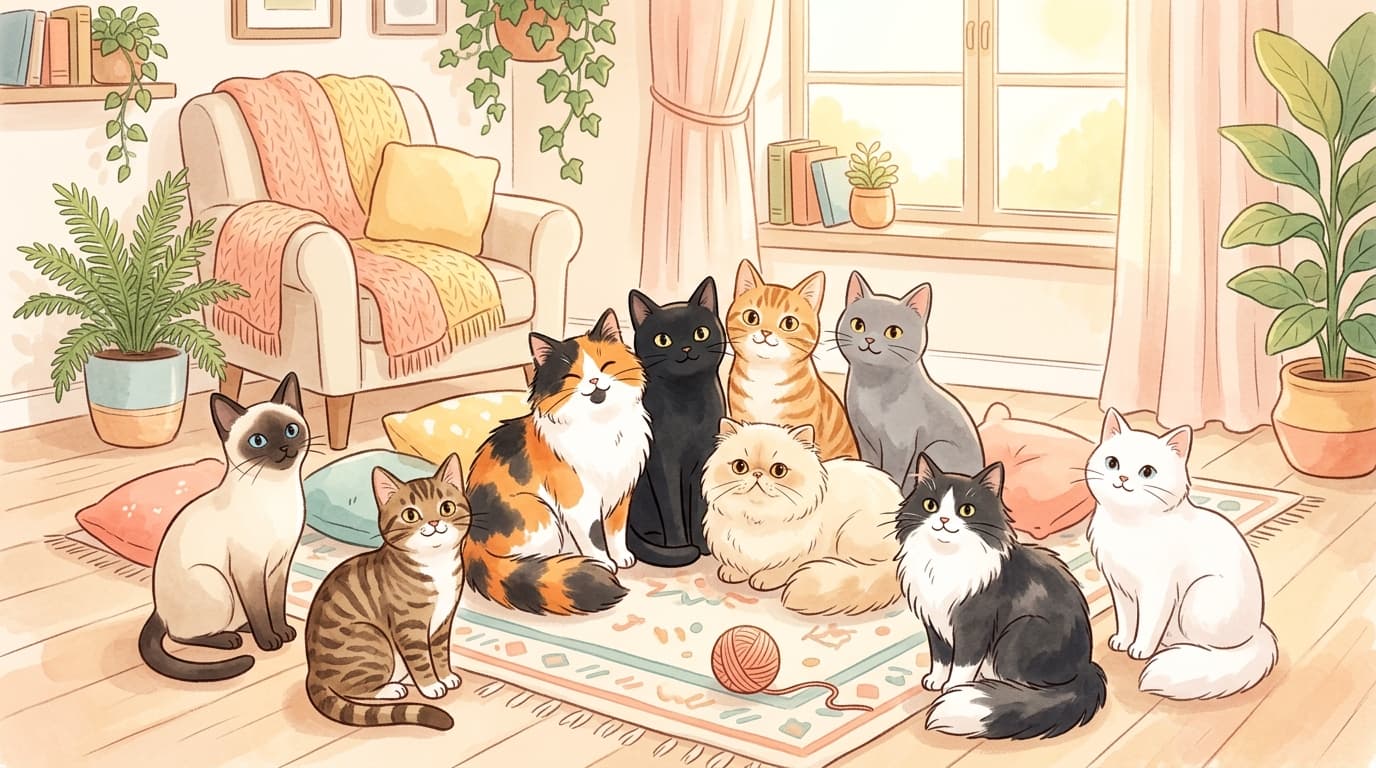
Picking a cat by coat color feels harmless—until you realize you’ve brought home a personality (and a set of needs) you weren’t expecting. Most pet owners don’t realize that certain coat colors and patterns are linked with common traits and even a few practical care challenges.
Why choosing a cat by coat color can backfire
Coat color shouldn’t be the only reason you choose a cat, but it also shouldn’t be ignored. The look that melts your heart can come with a temperament that doesn’t match your household—like a high-energy cat in a noisy home, or a super social cat left alone all day.
Think of color as a “clue,” not a guarantee. Individual personality, early socialization, and environment still matter a lot.
Orange (or yellow) cats: bold energy, big loyalty
Orange cats have a reputation for being friendly, and many are. But orange cats—especially males—are often described as more intense and more likely to show dominant, strong-willed behavior.
That doesn’t mean they’re “bad.” It means they may test boundaries and require more patience and consistent handling. The upside is huge: that same intensity can show up as deep loyalty. If you live alone and want a cat who bonds hard with one person and follows you from room to room, an orange cat can be a dream.
Black cats: misunderstood, often incredibly social
Black cats tend to spend longer in shelters and are returned more often, largely because of unconscious bias—people assume they’ll be distant or “mysterious” before they even meet them.
In reality, black cats raised in affectionate environments are often among the most social. There’s also a commonly shared idea that black-coated cats may have certain genetic advantages tied to melanin that support immune strength. And if you’ve ever had a black cat decide you’re their person, you know it can feel like you earned it.
White cats: beautiful—and sometimes extra responsibility
White cats are adoption magnets, but they can come with a real-life challenge many people don’t anticipate: a high percentage of white cats, especially those with blue eyes, are born with partial or total deafness.
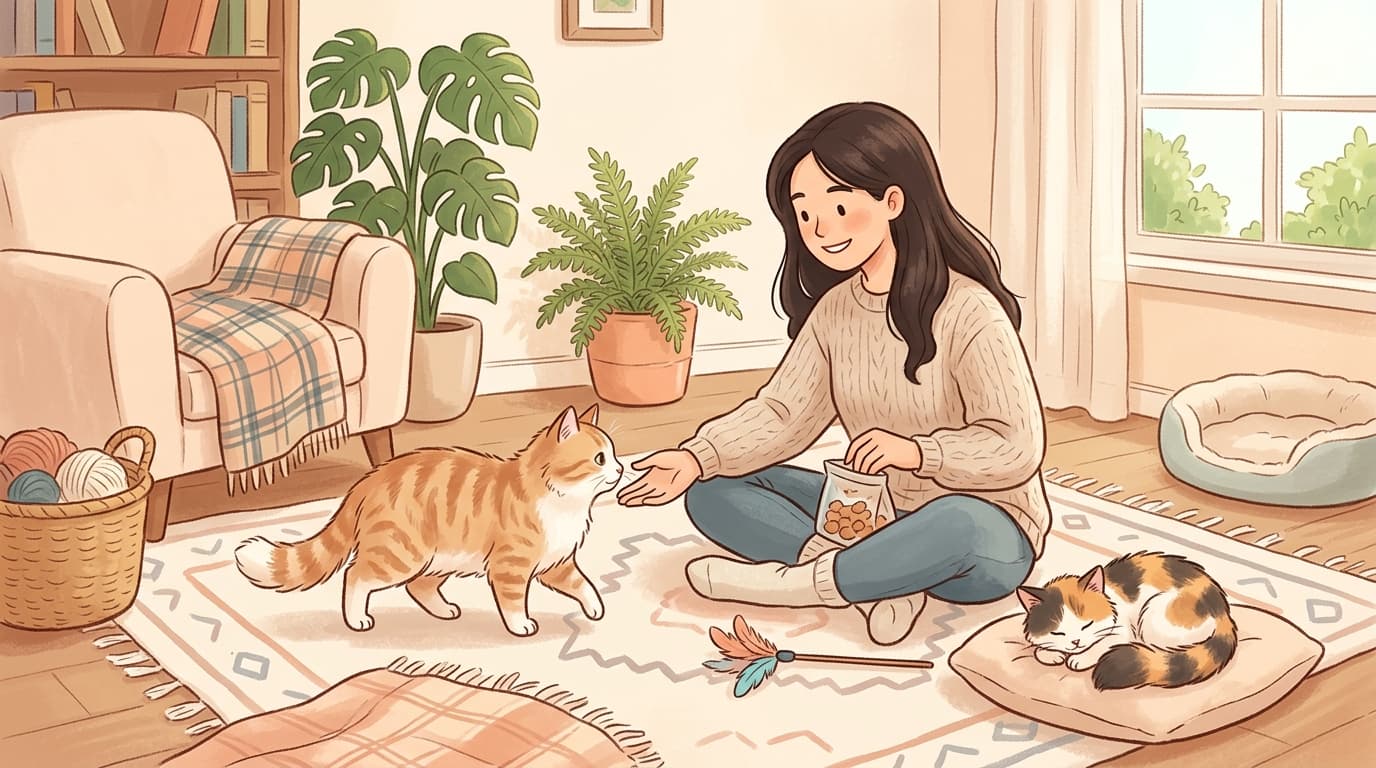
That changes everything about daily life. Deaf (or hard-of-hearing) cats can startle easily because they don’t hear you approaching, and fear can turn into defensive reactions. If you bring home a white cat, be ready to communicate with hand signals, gentle vibrations (like tapping the floor), and predictable routines.
Gray (blue) cats: sensitive souls who absorb the mood of the home
Gray/blue cats often look calm and “easy,” which is exactly why they’re overlooked. But they’re frequently described as emotionally complex: highly intuitive, deeply attached, and very sensitive to stress.
If your home is loud, unpredictable, or constantly changing, a gray cat may become anxious quietly—and you might not notice until behavior or health starts shifting. In a peaceful home with steady routines, though, they can be unbelievably devoted companions.
Calico cats: opinionated, reactive, full of spark
Calico is a pattern (not a breed), and it’s most commonly seen in female cats. Calicos are famous for having strong opinions and quick reactions. They tend to be the kind of cat who makes their preferences crystal clear—especially about personal space.
If you want a laid-back lap cat who tolerates anything, a calico might frustrate you. If you love a cat with personality, boundaries, and a little fire, you’ll probably adore her.
Tortoiseshell (“tortie”) cats: the same energy turned up
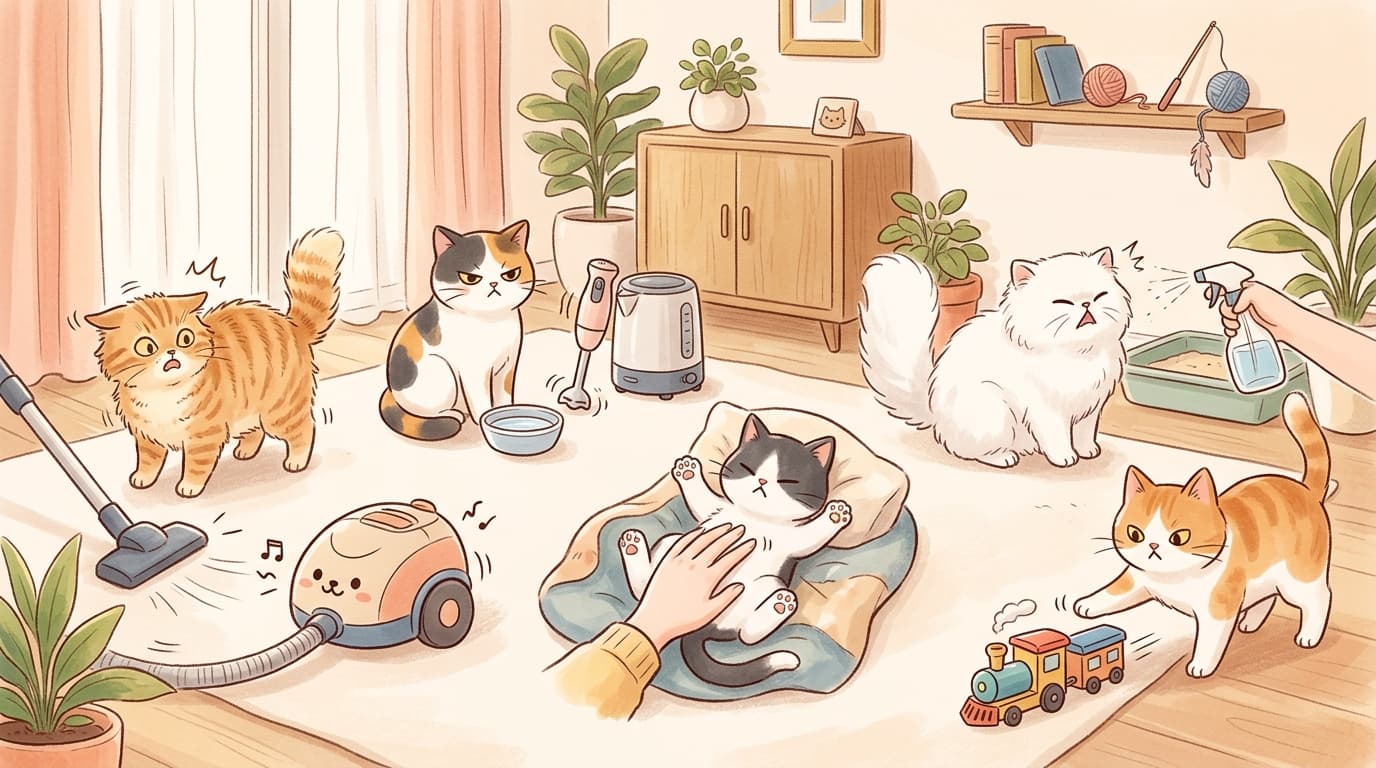
Torties often get labeled as unpredictable because their mood can flip fast—purring one moment, nipping the next—especially if they feel overstimulated.
If you’ve ever noticed your cat getting “too into” petting and then suddenly snapping, this is where learning body language matters. Torties do best with people who can spot subtle signs (tail twitching, skin rippling, ears shifting) and who respect the cat’s “okay, that’s enough” signals. Many torties also bond intensely with one person and may act wary around others.
Tabby cats: smart, busy, and bored easily
Tabbies are the most common pattern, which is why they’re often underestimated. Many tabbies are problem-solvers with fast brains—and a bored tabby will invent entertainment (knocking things off shelves, shredding furniture, ambushing ankles).
The fix usually isn’t punishment. It’s giving them a job: interactive play, puzzle feeders, climbing space, and hunting-style games that let them channel that strong predator instinct.
Tuxedo cats: social, adaptable—and needy in a quiet way
Tuxedo cats often come across like the “easygoing extroverts” of the cat world. They’re frequently described as sociable, adaptable with kids and other pets, and relatively trainable.
But there’s a catch: their social needs can be high. A tuxedo cat left alone for long hours may develop behavior problems rooted in sadness or lack of stimulation. If you’re away from home a lot, plan on extra enrichment—or consider a more independent personality.
Cream (or ivory) cats: gentle, tolerant, and easy to miss when something’s wrong
Cream-colored cats are often described as docile and patient. The risk isn’t attitude—it’s how quietly they handle discomfort. A very passive cat may not “complain” much when stressed or in pain; they might simply withdraw.
If you share your home with a cream cat, be extra observant: changes in hiding, appetite, grooming, or energy can matter more than obvious vocal protests.
Colorpoint and other complex coats: expect strong opinions and surprises
Cats with colorpoint coats (like Siamese-style markings) are commonly very vocal and people-focused. They may demand interaction and become anxious if ignored.
Other complex coats—like smoke patterns—are often described as alert and highly reactive to changes in their environment. The more distinctive the coat pattern, the more it can pay to learn about the cat’s background and early socialization, because they may not fit a “standard” personality template.
A quick bonus: why your cat sometimes ignores still water
Cats are wired to notice movement. Many cats struggle to perceive the surface level of perfectly still water, which is one reason some seem to “ignore” a full bowl.
If your cat is picky about drinking, try refreshing the water often, using a wider bowl, or offering moving water (many cats love fountains).
The takeaway
Choosing a cat by coat color alone can set you up for years of “Why are you like this?” moments. But if you treat coat color as a helpful hint—then match it to your home, your schedule, and your patience level—you’re far more likely to end up with the kind of bond you were hoping for.
Meta description: Your cat’s coat color can hint at temperament and care needs. Learn what orange, black, white, tabby, tuxedo and more often mean.
Continue reading

Microchipping Cats in Spain: What the Law Requires (and What Happens If You Skip It)
Spain now requires microchips for all cats. Learn what the law says, possible fines, and how microchipping works.

Why Your Cat Puts a Paw on You: 5 Real Messages Hiding in That Tiny Tap
That gentle paw tap isn’t always affection. Here are 5 common reasons cats place a paw on you—and what to watch for.

Why Your Cat Licks You (And Why It’s Not Always About Love)
Cat licking isn’t just affection—it can be scent-marking, bonding, stress-soothing, or even checking on you. Here’s what it means.