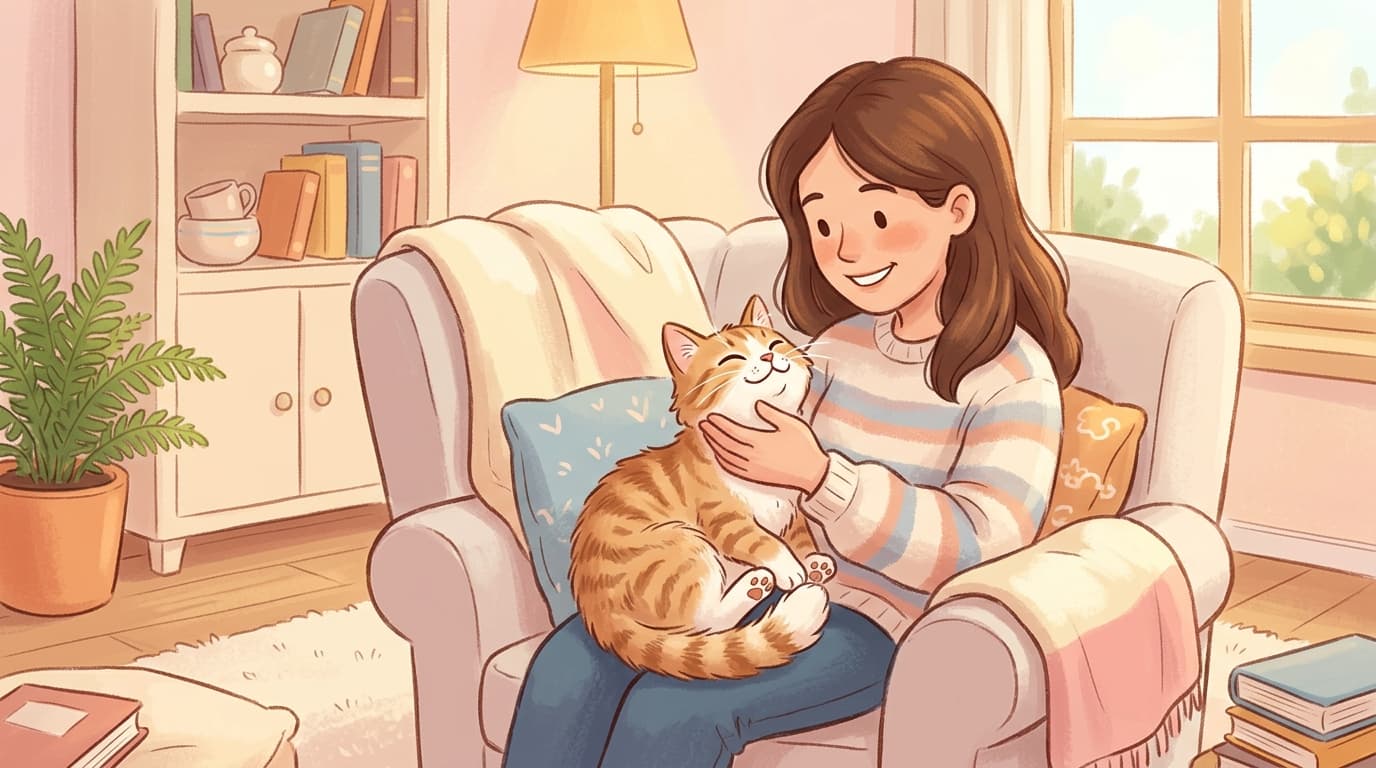
8 Simple Ways to Show Your Cat Affection (That Most People Rarely Do)
Most people think a happy cat just needs food, a couple of toys, and a quick scratch on the head. But cats are picky in a very specific, very “cat” way—and tiny daily choices can be the difference between a cat who merely lives in your home and a cat who truly thrives.
If you’ve ever bought something fancy for your cat only to watch them fall in love with a cardboard box, you already know: their idea of affection and comfort doesn’t always match ours.
1) Add a “prey ritual” before meals
For your cat, eating isn’t meant to be a sudden jump from napping to crunching kibble. Their instincts expect a sequence: notice something, stalk it, chase it, catch it… then eat and rest.
When dinner appears with zero build-up, some cats end up restless or oddly frustrated—like their brain was promised an outlet that never arrived. Try this: before you put the bowl down, spend two minutes doing something that wakes up their hunting mode. A quick wand-toy session, a little chase-the-string, even a short burst of energetic petting if your cat likes that. Then serve the meal.
It’s a small change, but many cats seem more satisfied afterward—calmer, more “complete,” and ready to nap like they just earned it.
2) Let your cat sniff the “outside world” you bring home
You know that moment when you walk in with groceries or a package and your cat shows up to inspect everything like a tiny security guard? That’s not them being nosy for no reason.
To your cat, new objects smell like information. Where you went. What animals were nearby. What’s changed in the environment. Their sense of smell is wildly more sensitive than ours, and sniffing your bags is basically reading the neighborhood news.
Instead of shooing them away, give them a minute to investigate. It’s free enrichment, and it often seems to settle them—like they’ve updated their mental map of the world.
3) Give them “high ground” to feel in control
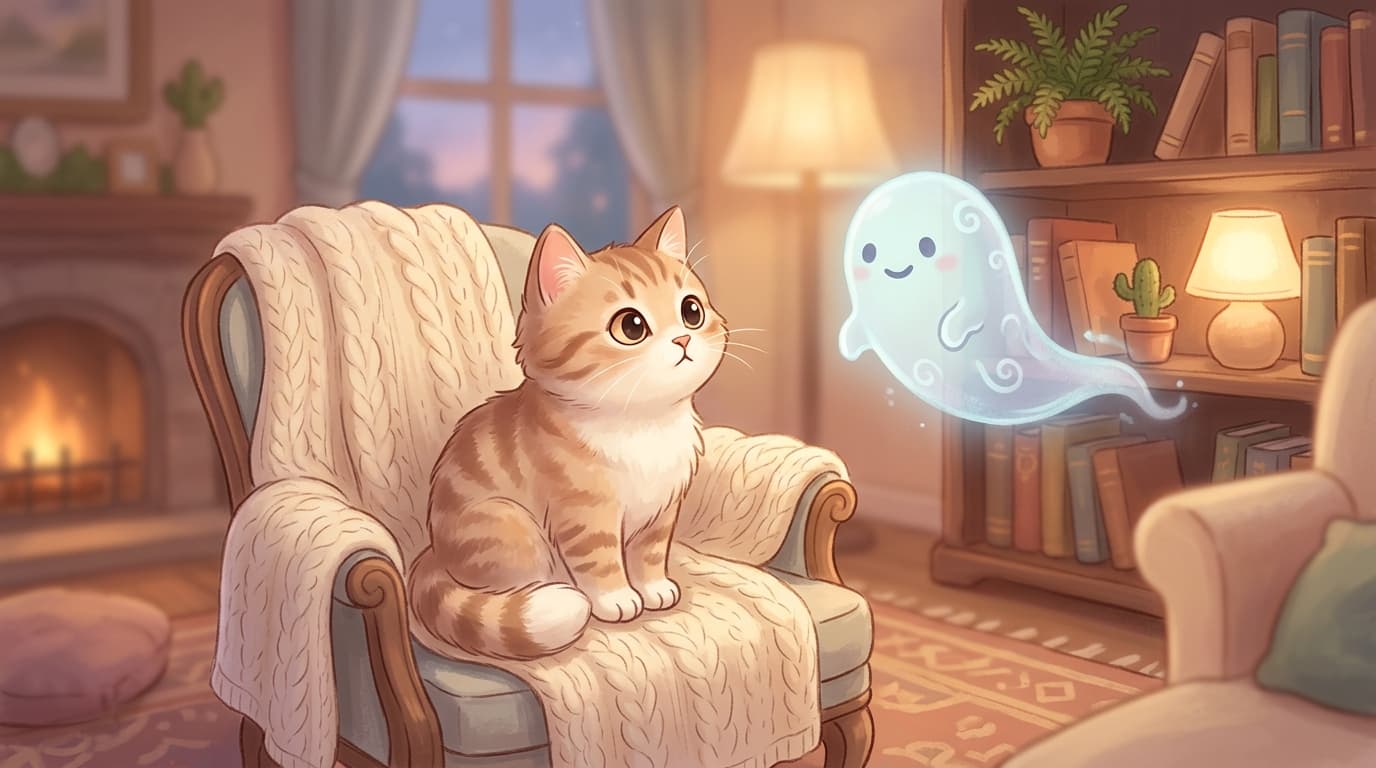
Cats love the top of the sofa, the highest shelf, the back of a chair—anywhere they can survey the room. That’s not a quirky preference. From an elevated spot, a cat can watch for opportunities and feel safer from surprises.
If your cat spends most of their time at floor level, they may feel less secure than you realize. You don’t need to redesign your house; even one tall cat tree, a cleared shelf, or a stable perch near a window can make a big difference. From up high, many cats visibly relax because they can monitor their territory without feeling vulnerable.
4) Leave a piece of “you” behind (your scent is comfort)
If your cat sleeps on your sweater, your pillow, or the shirt you just tossed on a chair, it’s not only about softness. Your scent can be a powerful safety signal.
For many cats, curling up on something that smells like you is a way to feel secure and socially connected—especially when you’re gone for hours. If you tend to tidy everything away before leaving, try leaving a worn T-shirt or a small blanket you’ve used in a spot your cat likes. It’s a simple comfort item that can help your home feel less “empty” while you’re out.
5) Respect the magic of cardboard boxes and small hideouts
Cats and boxes are a classic duo for good reason. A box holds warmth (cardboard is surprisingly cozy), and the walls create a protected little zone with fewer angles to worry about. Inside a snug space, your cat can relax more deeply because they don’t feel exposed.
Before you recycle that sturdy box, consider keeping one in a quiet corner. You can even rotate boxes occasionally to keep it interesting. It may become your cat’s favorite “sanctuary,” no expensive bed required.
6) When your cat interrupts you, see it as social bonding
Your cat walks across your keyboard. Sits on your book. Plants themselves directly between your face and the thing you’re focusing on. It’s easy to label this as annoying or attention-seeking, but there’s a sweeter interpretation.
Cats notice what matters to you. If you stare at a laptop for an hour, that object becomes important in their eyes. By placing themselves right in the middle, they’re not necessarily trying to sabotage your life—they’re trying to be part of the moment you’re invested in.
If you can, offer a compromise: a cozy spot beside your workspace, a small blanket on the desk corner, or a quick pause to give them a gentle touch before you continue.
7) Play that feels unpredictable (because your cat is a hunter)
A motionless toy on the floor is, to many cats, basically a dead thing. Their brain is built to respond to quick, irregular movement—the kind that mimics a bird or mouse trying to escape.
That’s why wand toys, feather teasers, and strings that dart behind furniture often work so well. The goal isn’t just exercise. It’s mental satisfaction. When cats don’t get a chance to express that chase-and-catch instinct, boredom can creep in—and boredom is where a lot of unwanted behaviors (and sometimes weight gain) begin.
Short, lively play sessions beat a pile of ignored toys every time.
8) Appreciate the “shadow cat” who follows you everywhere
Some cats trail you from room to room, even to the bathroom. It’s tempting to assume it’s always about food, but often it’s about connection and curiosity.
Cats can be more social than people give them credit for. In group settings, they keep track of each other’s movements and routines. If you’re your cat’s main person, your actions are the headline event of the household. Following you is their way of staying informed, feeling secure, and sharing your space.
If you’ve ever noticed your cat quietly escorting you through your day, take it as a small compliment: you’re part of their inner circle.
A small shift that can change your whole relationship
Cat affection isn’t always obvious, and it rarely looks like what we expect from dogs. But when you lean into what cats naturally crave—sniffing, perching, hiding, hunting, and staying close—you’re speaking their language.
Pick just one idea from this list and try it this week. Your cat might not say thank you, but you’ll probably see it in the calmer naps, the brighter eyes, and the way they choose to be near you.
Continue reading

Microchipping Cats in Spain: What the Law Requires (and What Happens If You Skip It)
Spain now requires microchips for all cats. Learn what the law says, possible fines, and how microchipping works.

Why Your Cat Puts a Paw on You: 5 Real Messages Hiding in That Tiny Tap
That gentle paw tap isn’t always affection. Here are 5 common reasons cats place a paw on you—and what to watch for.

Why Your Cat Licks You (And Why It’s Not Always About Love)
Cat licking isn’t just affection—it can be scent-marking, bonding, stress-soothing, or even checking on you. Here’s what it means.