10 Small Things Dogs Love (That Most Owners Forget to Do)
From “sniff walks” to quiet togetherness, these simple habits can make your dog feel calmer, safer, and more connected to you.
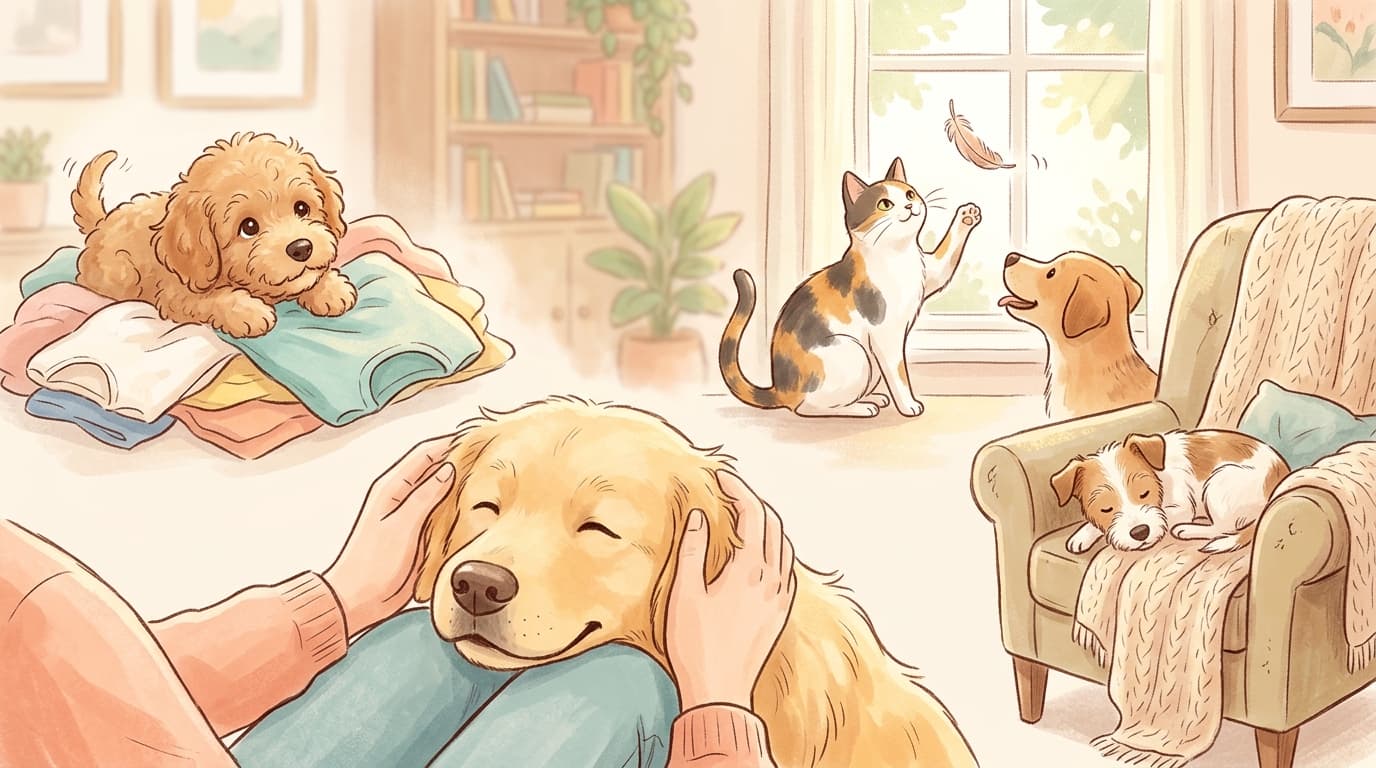
You can feed your dog well, walk them daily, and still miss the little moments they crave most. A lot of what dogs love isn’t flashy or expensive—it’s quiet, consistent, and surprisingly simple.
Below are 10 small things dogs love that owners rarely do, plus easy ways to work them into your normal day.
1) Give your dog “do nothing” time (yes, it counts)
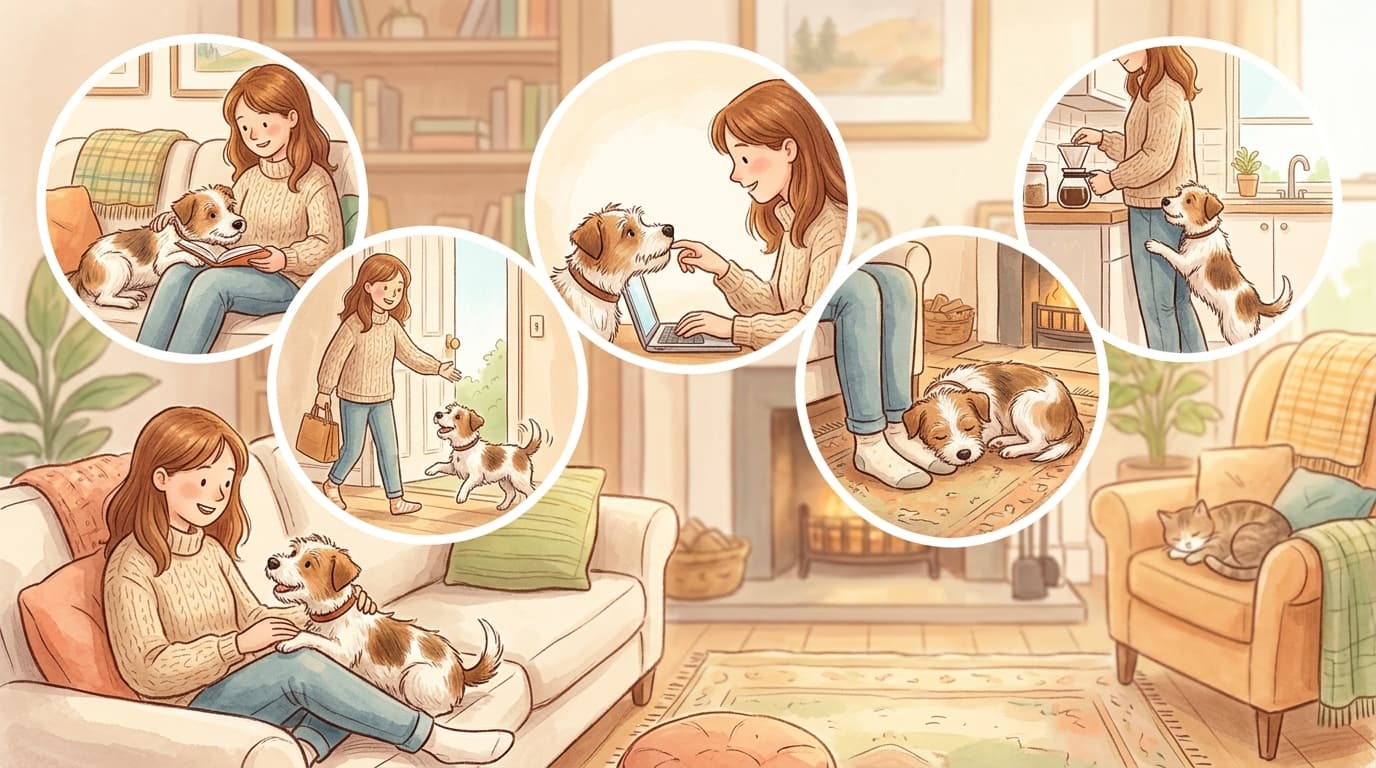
Most of us think quality time means doing something: playing, training, going for a run. But many dogs feel their best during calm, no-agenda togetherness—just being near you.
If you’ve ever noticed your dog finally exhale and melt into the floor when you sit down, you’ve seen it. Try setting aside 10 minutes where you’re simply present: no phone, no chores, no bouncing up and down. Sit near your dog and let the quiet happen. You’ll often get a slow blink, a softer face, or that long, almost-human sigh.
2) Let them finish the sniff on walks
To you, a walk might be about steps and exercise. To your dog, it’s a living newspaper.
Dogs have an incredible sense of smell (wildly stronger than ours), and sniffing isn’t a “waste of time”—it’s mental work. A sniff-heavy walk can leave your dog more satisfied than a brisk march around the block.
Next time your dog locks onto one patch of grass or a lamp post, resist the leash tug. Give them an extra 30 seconds. You’re not spoiling them—you’re letting them process their world.
3) Whisper your dog’s name
You probably say your dog’s name all day long, often in a “come here” or “stop that” tone. A whisper lands differently.
A soft, quiet voice tends to signal safety. It can pull your dog’s attention without adding more intensity to the moment—especially helpful for anxious or easily overstimulated dogs.
Try it tonight when your dog is resting: whisper their name just loud enough for them to hear. Watch how they lean in, ears forward, eyes gentle, like you just invited them into a private little secret.
4) Match your dog’s breathing to help them settle
Dogs are emotional mirrors. If you’re tense, rushing, or breathing shallowly, many dogs pick up on it and carry that same restless energy.
When your dog seems on edge for “no reason,” check your own body first. Then try a simple rhythm: inhale for four counts, exhale for six. Do a few rounds while sitting near them.
You may see your dog yawn, soften, lie down, or press against you. It’s one of the calmest ways to help a dog through storms, fireworks, or generally stressful evenings.
5) Give your dog choices (within safe boundaries)
Your dog’s schedule is basically your schedule. You decide the route, the pace, the rules, the visitors, the bedtime. And that’s normal—but small choices can make your dog feel more confident and engaged.
Easy ways to offer autonomy:
- At the start of a walk, pause and let them choose left or right.
- At a fork, stop for a beat and follow their vote.
- Offer two toys and let them pick.
- Notice where they prefer to rest and honor it when you can.
Most pet owners don’t realize how much a “you choose” moment can change a dog’s whole posture—taller, bolder, more relaxed.
6) Acknowledge their alerts instead of instantly shutting them down
When your dog barks at the window, it’s easy to jump straight to “Stop!” But alerting is deeply instinctive. In your dog’s mind, they’re doing their job.
If you ignore or dismiss it, some dogs escalate because they think you didn’t get the message. Instead, try a calm check-in:
Walk over, look where they’re looking, and say something simple like, “I see it. Good job.” Then redirect them away.
That tiny acknowledgment tells your dog, “I heard you, I checked, we’re okay.” Over time, many dogs become calmer because they trust you’re paying attention.
7) Create predictable rituals your dog can count on
Dogs don’t just like routines—they love rituals: small actions that happen the same way, in the same order, tied to the same moments.
A ritual might be:
- A quick ear scratch right before the leash goes on
- A specific phrase before meals
- A consistent bedtime cuddle in the same spot
The magic is in the predictability. Your dog starts anticipating the good part before it even happens, and that anticipation is a big piece of joy.
8) Respect your dog’s “no” the first time
Dogs communicate constantly, but their polite “please stop” signals are easy to miss: turning the head away, lip licking, yawning when not tired, leaning back, moving away.
When those signals get ignored, some dogs stop being subtle and jump to growling or snapping because the quiet options didn’t work.
Respecting your dog’s no can be as simple as this: you reach to pet them, they turn away, and you pause—no forcing, no guilt-tripping, just space. Ironically, dogs who feel safe saying “not right now” often become more affectionate over time because they trust you’ll listen.
9) Celebrate the tiny reunions
Your dog doesn’t experience time like you do. Five minutes can feel huge. So when you come back and they act like you returned from a year-long voyage, that’s real relief—not drama.
Instead of brushing past them, give a calm, warm greeting:
- Pause for 30 seconds
- Get down to their level
- Use a soft voice
- Let them sniff you and take you in
You don’t have to reward jumping or chaos to acknowledge the emotion. You’re simply telling your dog, “I’m back, and I’m happy to see you too.”
10) Let your dog keep watch while you sleep
Many dogs choose a sleeping spot that keeps you in sight or puts them facing the door. That isn’t random—it’s protective instinct.
Letting your dog see you at night can make them feel included and purposeful, like they have a real job: guarding the pack during its most vulnerable hours.
This doesn’t mean your dog needs to sleep in your bed. But if they’re shut away from the family at night, consider leaving the door open or allowing a spot nearby where they can check in and settle.
The takeaway
Your dog doesn’t need constant entertainment. They need to feel safe, included, and heard.
Pick two of these habits to try this week—maybe a slower sniff walk and 10 minutes of “do nothing” time—and watch how quickly your dog’s body language starts to soften around you.
Continue reading

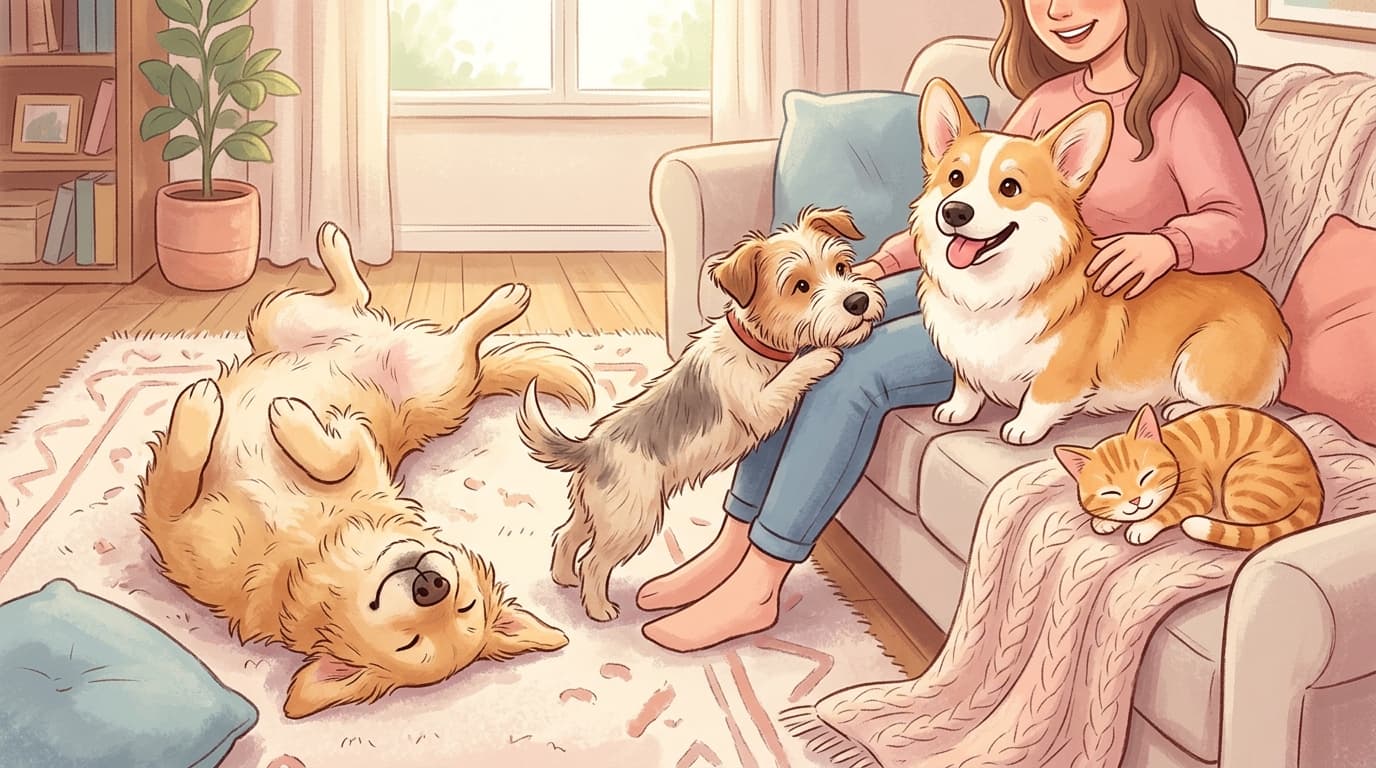
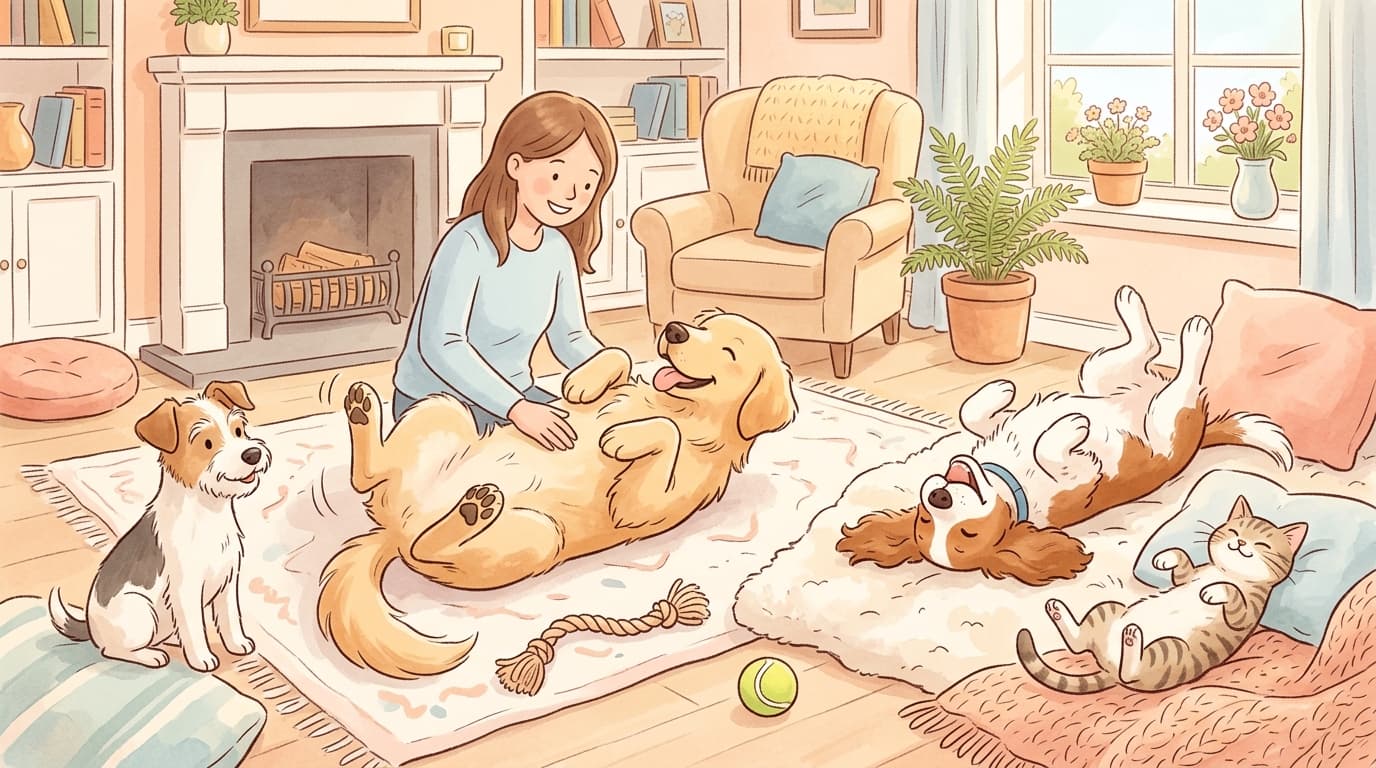
When Your Dog Shows Their Belly: How to Tell “Rub Me” From “I’m Nervous” (and What to Do Instead)
A belly-up dog isn’t always asking for rubs. Learn the body language cues and a simple “scratch, pause, opt-in” method.

5 Things Your Dog Does Only for You (And You Might Be Missing Them Daily)
Five subtle behaviors that show your dog has chosen you as their safe place, comfort person, and favorite human.

15 Signs Your Dog Is Truly Happy (Not Just ‘Fine’)—From Belly-Up Sleep to Micro-Touches
From belly-up sleep to weird joy rituals, these signs reveal when your dog feels safe, secure, and genuinely happy.