5 Things Your Dog Does Only for You (And You Might Be Missing Them Daily)
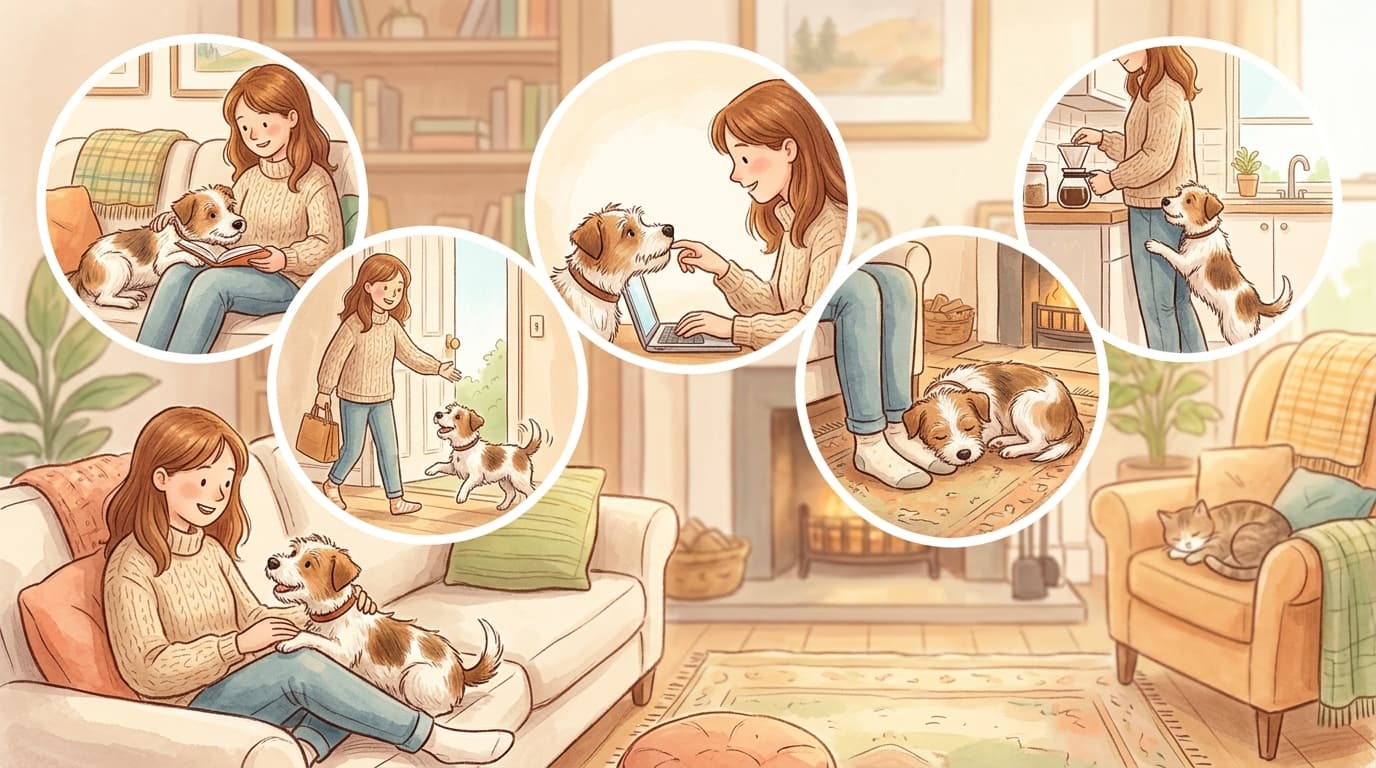
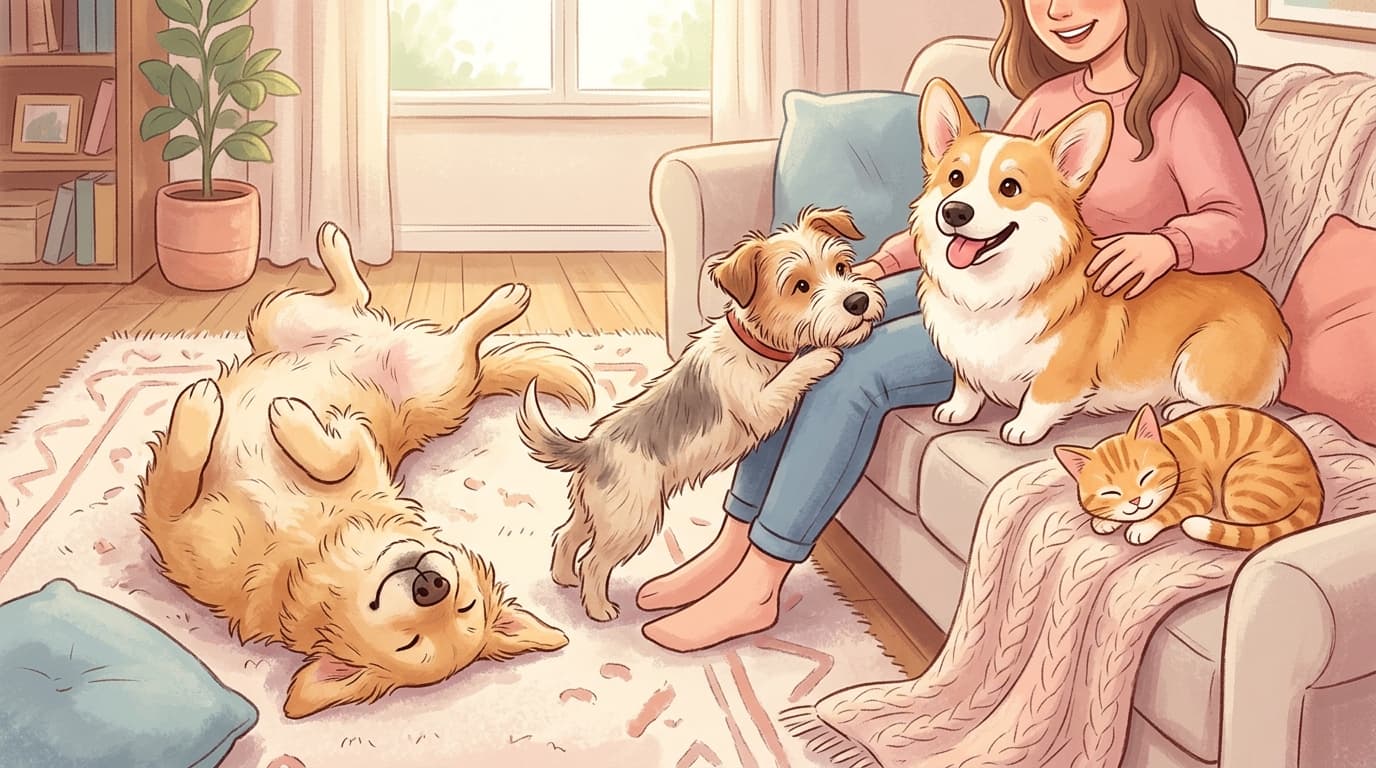
Most pet owners don’t realize how often they walk right past love in motion. The truth is, there are a few things your dog does only for you that are so quiet, they look like “nothing” until you know what you’re seeing.
Below are five behaviors that often show up in ordinary moments: on the couch, at the doorway, on a rough day, or in that split second after you get home.
1) Vigilant sleep: the “nap” that’s actually watch duty
If you’ve ever noticed your dog sleeping near you and waking up the second you shift your legs, you’re not imagining it. Some dogs don’t fully “power down” when their favorite person is close.
Researchers have looked at how dogs sleep around their owners and found that highly attached dogs can show different sleep patterns in their person’s presence (including more alertness and quicker responsiveness). In normal-life terms: your dog may be resting, but part of them is still tuned in to you.
What it looks like at home:
- They choose the floor beside your bed or couch instead of another cozy spot.
- Their ears flick, even when their eyes are closed.
- They wake fast, then immediately check in on you before anything else.
2) The “offering”: bringing you a toy, sock, or random object when you’re not okay
You come home heavy. Your shoulders are tight. You haven’t said a word. Then your dog appears with a toy, a shoe, or whatever was easiest to grab, and places it near you like it matters.
This can be a real comfort behavior. Studies on dogs and human emotion have shown that dogs respond differently to distress sounds (like crying) than neutral sounds, often approaching and trying to make contact. At home, that contact sometimes turns into an “offering,” because giving you something is one of the few ways your dog can try to change your mood.
How you can tell it’s comfort and not just play:
- They bring the item, then pause and watch you instead of insisting on a game.
- They get physically close (leaning, sitting on your feet, pressing into your leg).
- They do it most when your energy is off, not when you’re already playful.
3) The full-body “reset”: the tiny melt that happens only with their person
This is the one most people miss, because it happens in seconds.
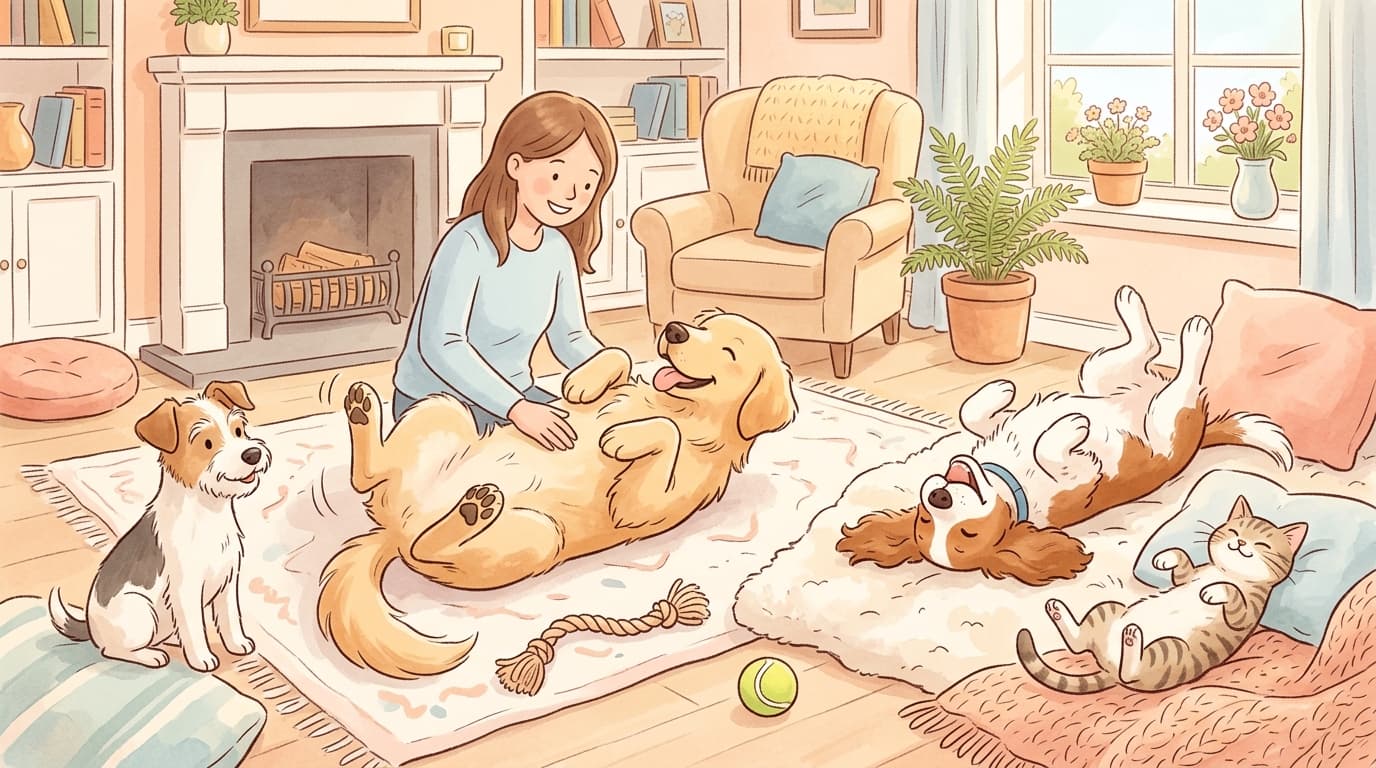
Your dog walks up alert, body ready, muscles a little braced. Then, as soon as they’re close to you, their whole frame changes. Shoulders drop. The spine softens. The face looks different. It’s like their body just decided, “I’m safe now.”
In simple terms, your presence can be the cue that lets their nervous system switch from on-guard to at-ease. And it usually doesn’t happen around everyone.
What it looks like:
- A visible “exhale” as they come near you
- A slow sit or flop instead of hovering
- Softer eyes and a looser mouth
- Less scanning of the room
Once you start noticing this postural reset, you’ll see it everywhere: after guests leave, after a noisy moment, after a walk, after you return from the other room.
4) Protective positioning: choosing the spot between you and “whatever that was”
Some dogs have a habit of placing themselves where the action is. The doorway. The hallway. The space between you and a stranger. The angle that lets them keep you in view.
This isn’t always about aggression or training. For many dogs, it’s a natural “secure base” pattern: they orient around their primary person, and their body placement reflects who they’re prioritizing.
Moments to watch:
- Doorbell rings and they move to stand between the sound and you
- A stranger approaches and they hover in your orbit
- You sit down and they choose the side that faces the room
Not every dog does this, and friendly dogs can still do it in subtle ways. Sometimes it’s as small as them shifting one step so you’re behind them.
5) Emotional contagion: your dog doesn’t just notice your feelings, they catch them
Your dog can pick up on your emotional state faster than you might expect. Part of that is scent and routine. Part of it is close companionship.
Researchers have found that long-term stress patterns can sync between dogs and owners, including cortisol (a stress hormone) levels aligning over time. That’s emotional contagion in a measurable way: when you’re chronically tense, your dog may carry some of that tension in their body too. And when you’re calm, they often settle more easily.
If you’ve ever noticed your dog doing this, it’s probably familiar:
- They get clingier when you’re anxious
- They pace or watch you closely when you’re upset
- They relax faster when you’re relaxed, especially at home
It’s a sweet thought, but it’s also a practical one: your dog is taking emotional cues from you all day.
A simple “bond check” you can try tonight
Sit in your usual spot. Don’t call your dog. Don’t pat the couch. Don’t make a big deal.
Just be still and see how long it takes for your dog to look over, shift closer, or place themselves where they can keep track of you. It’s not a test you pass or fail. It’s a quiet glimpse of how much your dog is already monitoring your location like it matters.
The takeaway
The things your dog does only for you are often small: half-awake sleep, a toy placed at your feet, a posture that melts, a body that blocks the doorway, a mood that mirrors yours. If you start spotting them, ordinary days feel a lot less ordinary.
Continue reading

How to Leave Your Dog Home Alone Without Triggering Separation Anxiety
Use these 9 simple routines to keep your dog calm, busy, and secure when you leave the house.

Everyday Habits That Hurt Your Dog’s Feelings (and What to Do Instead)
Small daily habits can quietly stress your dog. Learn what hurts your dog’s feelings—and the simple swaps that rebuild trust.

Female Dogs Aren’t Just “Smaller Males”: 8 Key Differences Every Dog Owner Should Know
Female dogs often learn faster, bond differently, and hide pain better. Here are 8 real-life differences to understand your girl.