Female Dogs Aren’t Just “Smaller Males”: 8 Key Differences Every Dog Owner Should Know
If you’ve ever felt like your female dog is quietly “reading the situation” while other dogs barrel right in, you’re not imagining it. Female dogs often move through the world with a different rhythm than males—different motivations, different social choices, and even different ways of showing (or hiding) discomfort.
Below are eight differences that can help you understand your girl more clearly—and work with her instead of feeling confused by her.
1) Female dogs can be quiet strategists
A lot of male dogs tend to respond fast: movement happens, they’re in it. Many female dogs, by contrast, pause first. That tiny moment of hesitation can look like stubbornness, but it’s often processing.
Studies on canine cognition have found female dogs can perform especially well on tasks that involve cooperating with humans and following human cues. In everyday life, that can show up as a dog who seems to “think it through” before she commits.
What this means for you: If your female dog hesitates before a cue, try not to rush to repeat yourself five times. Give her a beat to decide, then reward the choice you want. Many females do best with clarity and purpose, not pressure.
2) The heat cycle creates a real hormonal roller coaster
If your female dog is unspayed, her body goes through major hormonal shifts about every six months. Estrogen rises first (often bringing physical changes and more emotional sensitivity), then progesterone becomes dominant (which can look like calm… or anxiety, clinginess, or sudden “leave me alone” vibes).
Male dogs don’t have that same cyclical swing. And even if your female is spayed, early hormone exposure during development can still shape temperament and emotional responsiveness.
What this means for you: If your dog suddenly seems extra sensitive, needy, or withdrawn and she’s intact, check the calendar. Patterns often repeat from cycle to cycle.
3) Female dogs can be selective guardians
Most people assume the loud dog is the protective dog. But a lot of female dogs protect in a quieter way: watching, positioning, and deciding whether action is necessary.
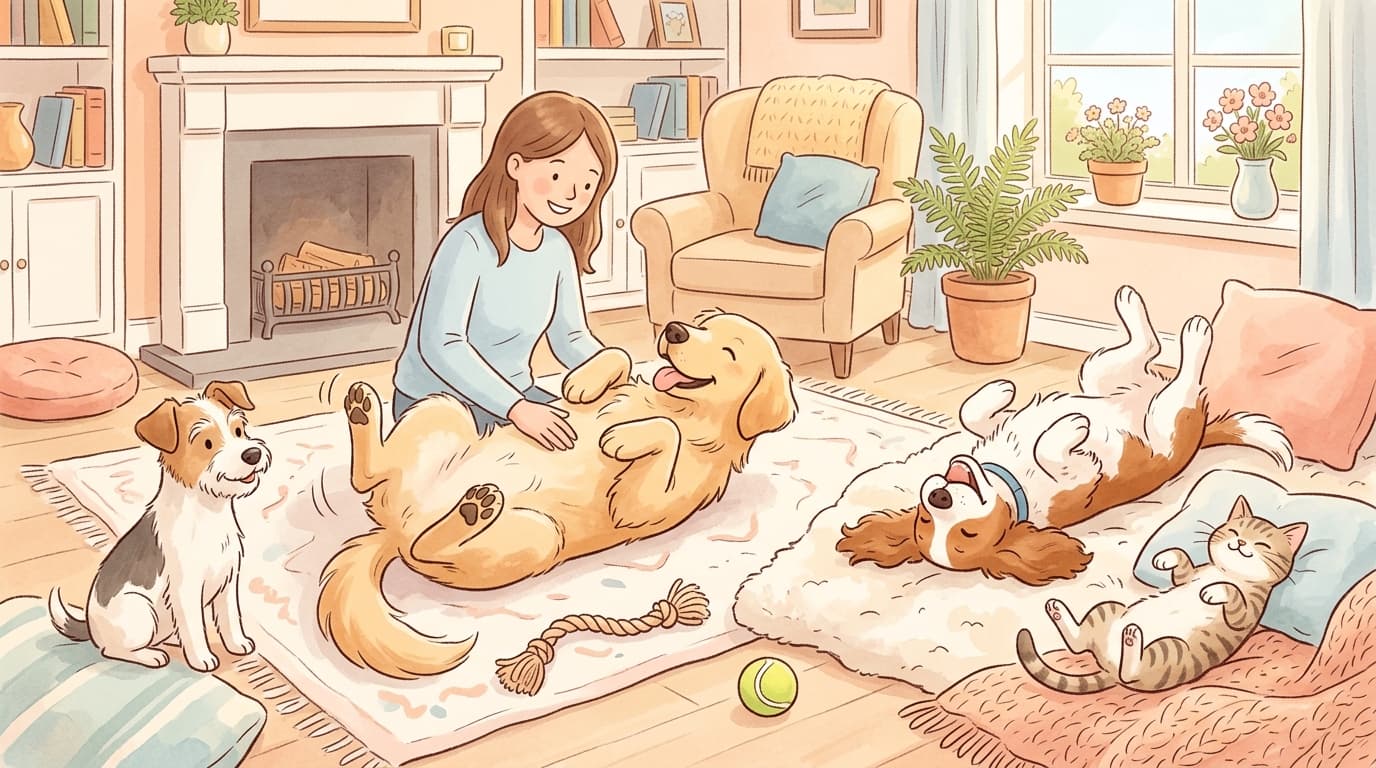
You might notice your female dog placing herself between a child and a new visitor, or hovering closer when someone in the house is unwell. She may not bark first. She may not announce. She may simply manage the space.
What this means for you: Pay attention to where she places her body. With many females, “protective behavior” looks more like thoughtful supervision than noise.
4) Female dogs often learn faster—and get bored faster, too
If you’ve ever watched an eight-month-old male puppy bounce off the walls while a female puppy seems to “get it,” you’ve seen a common pattern. Some trainers report females pick up cues quickly and settle into routines sooner.
One study (Royal Society Open Science, 2017) found female dogs showed greater obedience during testing, processing information efficiently with less repetition.
The catch: that quick learner brain can start tuning you out if training becomes repetitive.
What this means for you: Keep sessions short and varied. Add tiny challenges—new locations, new rewards, new sequences—so she stays mentally engaged.
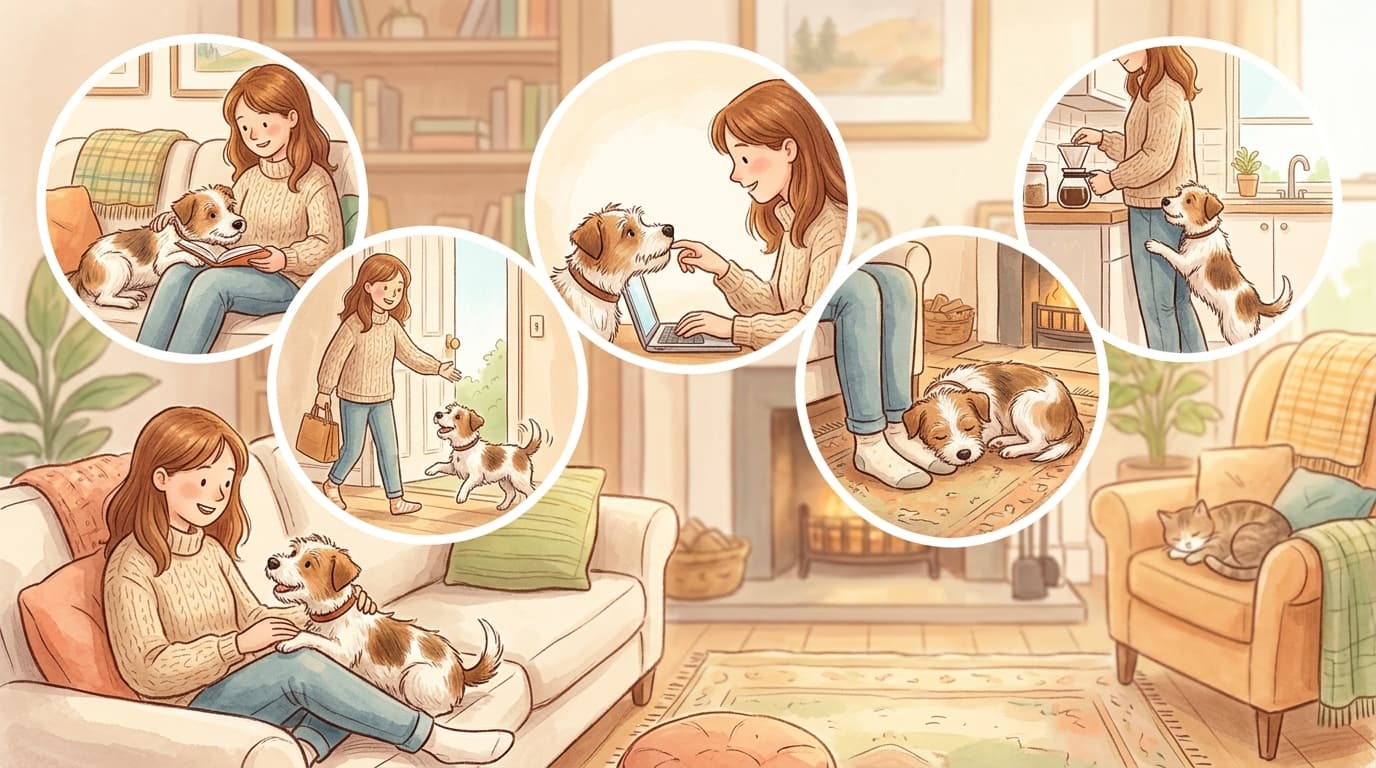
5) Many female dogs form a “single person” bond
Some dogs love everyone equally. Others choose a person.
Behavior professionals often note that female dogs may bond intensely with one specific human—usually the one who feeds her, walks her, and spends consistent quiet time with her. She’ll follow them room to room, perk up differently to their voice, and position herself to keep them in view.
If that person travels or becomes unavailable, some females don’t just “miss them”—they can change their behavior in noticeable ways, like restlessness, withdrawal, or even refusing food.
What this means for you: If you want a more flexible family bond, share caregiving. Rotate walks, meals, and calm cuddle time so your dog learns that safety and comfort come from more than one person.
6) Female dogs have unique health concerns (and timing matters)
Female dogs face certain risks males don’t.
Unspayed females can develop pyometra, a serious uterine infection linked to hormonal changes during heat cycles. Mammary tumors are another major concern; many females develop at least one in their lifetime, and a significant portion can be malignant.
Spaying before the first heat can reduce the risk of mammary cancer later, but removing sex hormones may also affect things like bone development, metabolism, and potentially aspects of behavior. There isn’t a one-size-fits-all answer—timing can change the trade-offs.
What this means for you: Don’t treat spaying as a purely “routine” checkbox. It’s a real decision with real variables, especially around age and breed.
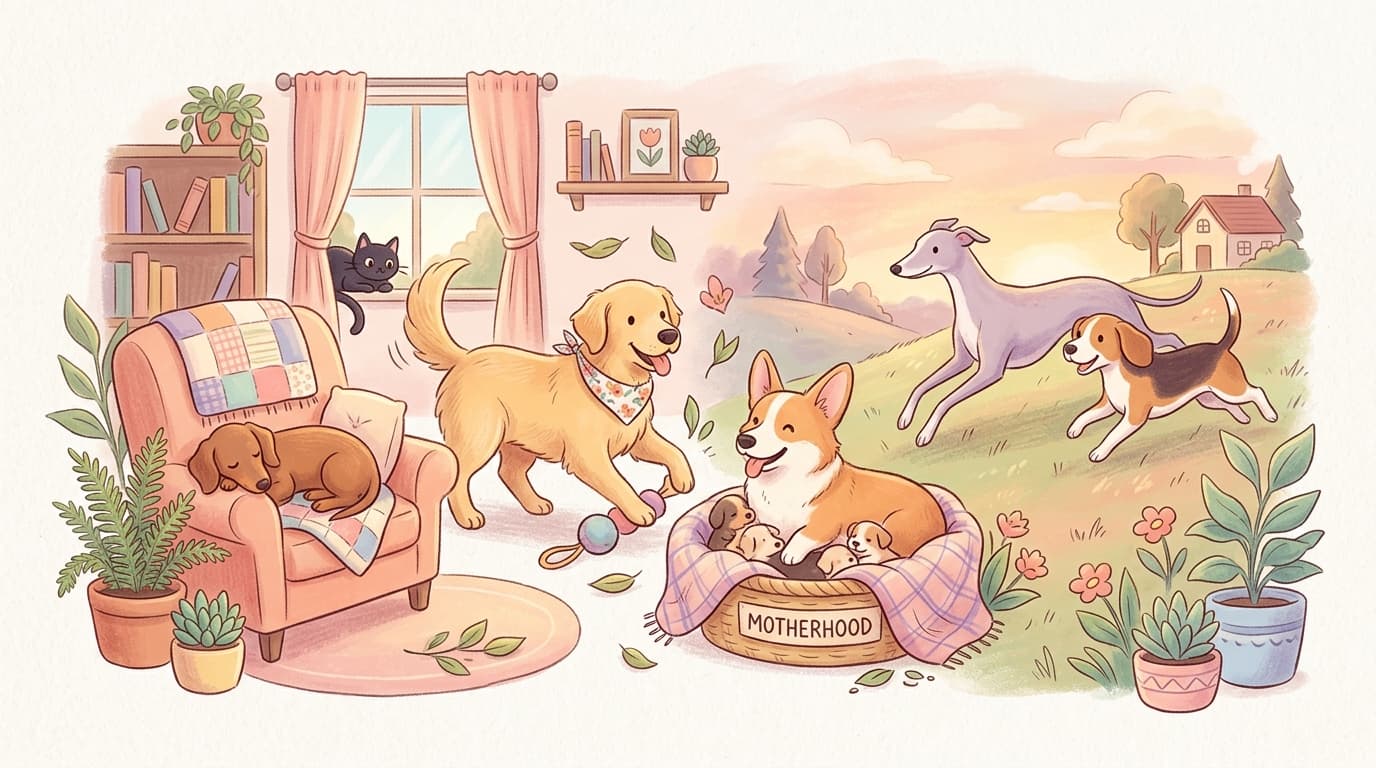
7) The nurturing response can show up even without puppies
Most pet owners don’t realize how strongly maternal wiring can exist even in a female dog who’s never been bred.
Many females become extra attentive when someone is sad, sick, or stressed—staying close, resting their head on you, or refusing to leave your side. Hormones tied to maternal behavior (like oxytocin and prolactin) can rise even without pregnancy.
In some unspayed females, this can even tip into false pregnancy (pseudopregnancy), where a dog shows physical and behavioral “mothering” signs and may guard a space or “adopt” objects.
What this means for you: If your female becomes protective of a toy, bed, or corner of the house after a heat cycle, it may not be random weirdness—it can be biology expressing itself.
8) Female dogs can mask pain in subtle, easy-to-miss ways
Female dogs may hide discomfort remarkably well. In the wild, a weakened female could attract danger and put the group at risk—so acting normal had survival value.
That’s why some females keep eating, greeting you happily, and even playing while something is brewing underneath. The clues often look tiny: a slightly slower jump, a brief pause before stairs, a new sleeping position, or a quiet avoidance of activities she used to enjoy.
What this means for you: Trust small changes. If your dog’s habits shift—movement, posture, willingness to do certain activities—your “she’s acting a little off” feeling is worth taking seriously.
A simple way to understand your female dog better
Your female dog isn’t being dramatic, stubborn, or “moody for no reason.” She may be processing, bonding deeply, guarding quietly, learning fast, and hiding discomfort all at once.
Watch her patterns, not just her volume. The more you notice the subtle stuff, the more your relationship starts to feel like a conversation instead of a guessing game.
Meta description: Female dogs aren’t just smaller males. Learn 8 differences in behavior, bonding, learning, hormones, health risks, nurturing, and pain masking.
Continue reading

16 Five-Second Habits That Make Your Dog Feel Truly Loved (No Treats Required)
These 16 tiny, five-second habits help your dog feel safe, seen, and deeply loved—without extra toys, treats, or long walks.

Is Your Dog Guarding You While You Sleep? 8 Nighttime Signs They’re Watching Over You
From sleeping facing the door to silent sound checks, these nighttime habits can mean your dog is keeping watch while you rest.

Why Your Dog Licks You Every Day (And What It Really Means)
Daily dog licking isn’t about salt or snacks. It’s bonding, comfort, and pack love—plus 14 other signs your dog adores you.