You can feed your dog the best food, buy the cutest toys, and still accidentally stress them out before breakfast. The wild part is that a lot of what hurts your dog’s feelings looks like “normal” love, “normal” discipline, or “normal” life.
Dogs don’t judge you the way humans do—but they do keep track of patterns: what feels safe, what feels unpredictable, and what makes their world calmer or scarier.
If you’ve ever reached into the bowl mid-meal to “make sure they won’t guard,” your dog isn’t thinking about manners. Their brain is reacting like a resource might disappear.
The same thing can happen with toys, bones, or even that gross sock they stole. Snatching something away without warning teaches one lesson: things I value can vanish when humans approach. That’s how tension around food and possessions quietly grows.
Try this instead: make your presence near their stuff predict good things. Walk by and drop something better into the bowl. If they have an item, trade for a treat or another toy. You’re building trust, not a standoff.
Big squeals, frantic petting, letting them jump all over you—it feels like love. But for many dogs, it cranks their nervous system up so high they can’t settle afterward. Over time, arrivals and departures become emotionally huge events instead of just… normal life.
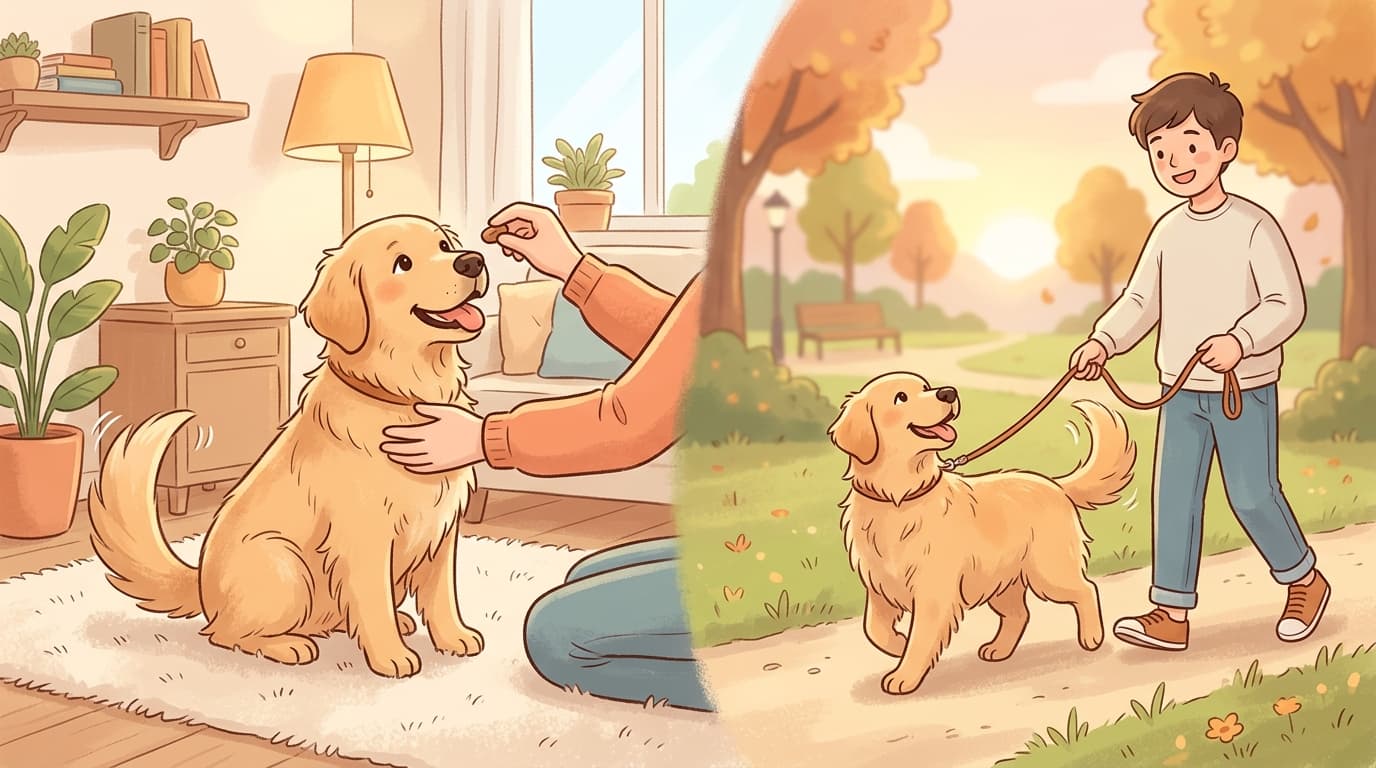
Try this instead: walk in calmly, put your things down, and give them a minute to decompress. Then greet them warmly, but gently. You’ll often see a calmer dog within days.
A crate can be a cozy “bedroom” for your dog—until it becomes the place they get sent when you’re annoyed. Dogs learn by association. If the crate equals rejection, it stops being a safe retreat and starts feeling like social exile.
Try this instead: protect the crate’s reputation. Feed meals near it, toss treats inside, stash favorite toys there, and let your dog choose it as a chill-out spot.
Thunder, the vacuum, a weird object on the sidewalk—some fears look silly to us. But your dog’s body is having a real stress response. If you laugh, film it, or drag them closer, they don’t learn bravery. They learn you won’t help when they’re scared.
Try this instead: stay steady and calm. Give them distance, let them retreat, and pair the scary thing with good stuff (treats at a comfortable distance). Confidence grows from feeling supported.
Most pet owners don’t realize this: many dogs tolerate hugs and top-of-the-head pats rather than enjoying them. A hug can feel like restraint. A hand coming down over the head can feel intense or threatening—especially if it’s fast.
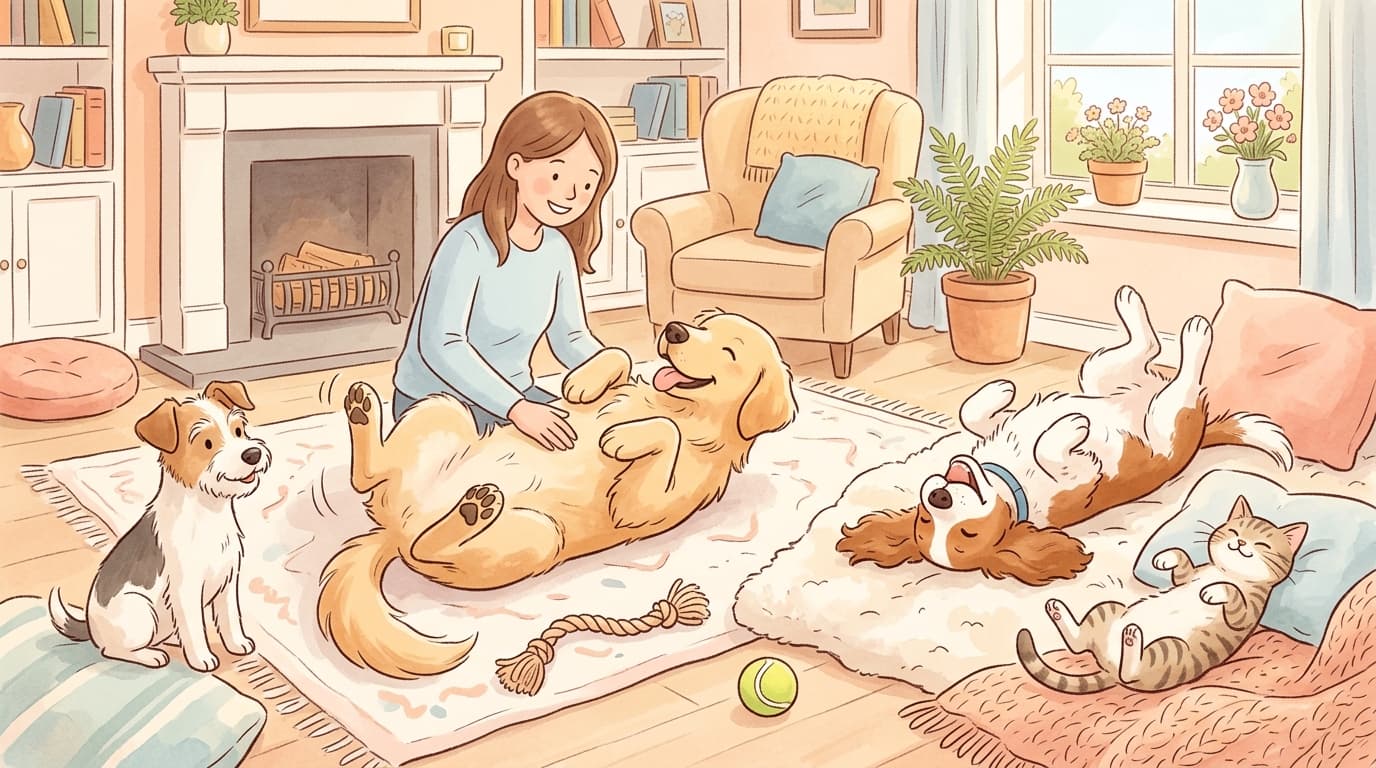
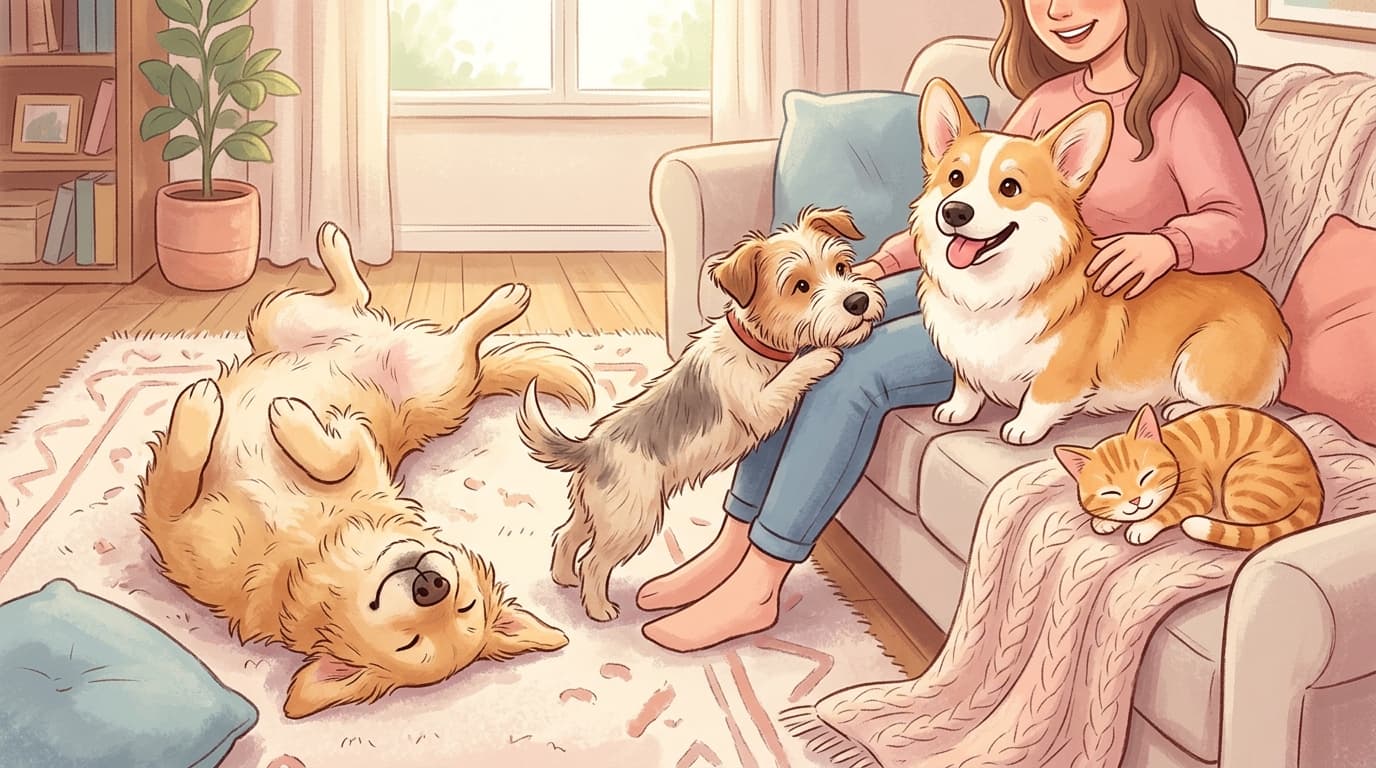
Try this instead: watch what your dog chooses. Many dogs love chest rubs, shoulder scratches, long strokes along the side, or a gentle scratch near the base of the tail. The best affection is the kind your dog leans into.
Couch allowed on Monday, scolded on Tuesday, allowed again because they look cute on Wednesday… to your dog, that’s not flexibility. It’s chaos.
Dogs feel safest when they can predict outcomes. If the same behavior sometimes earns cuddles and sometimes earns anger, they can’t build a reliable map of “what works.” That uncertainty can show up as hyperactivity, “stubbornness,” or anxious behavior.
Try this instead: pick your rules as a household and stick to them. Consistency isn’t harsh—it’s clarity.
Imagine not knowing when meals happen, when the walk happens, or when you’ll get attention. That’s what a random schedule can feel like to your dog.
A simple routine acts like an anchor: predictable meals, predictable potty breaks, predictable rest times. It helps your dog relax because they don’t have to guess what’s coming next.
Try this instead: keep the basics steady (feeding, walks, bedtime), even if the rest of your day is busy.
That “guilty look” after you find a mess usually isn’t guilt. It’s your dog reading your body language and realizing you’re upset.
If you scold them minutes or hours later, they don’t connect your anger to the earlier behavior. They connect it to you arriving or you finding things—which is a terrible association to build.
Try this instead: if you didn’t catch it in the moment, focus on prevention next time (management, more exercise, better chew options). If you do catch it, redirect immediately.
The nudge, the stare, the paw, the quiet hovering by the door—those are real communication attempts. When they get ignored over and over (hello, phone scrolling), dogs often do one of two things: escalate (barking, pestering, destructive behavior) or go quiet and stop trying.
That quiet version can look like a “good, easy dog,” but it may actually be emotional withdrawal.
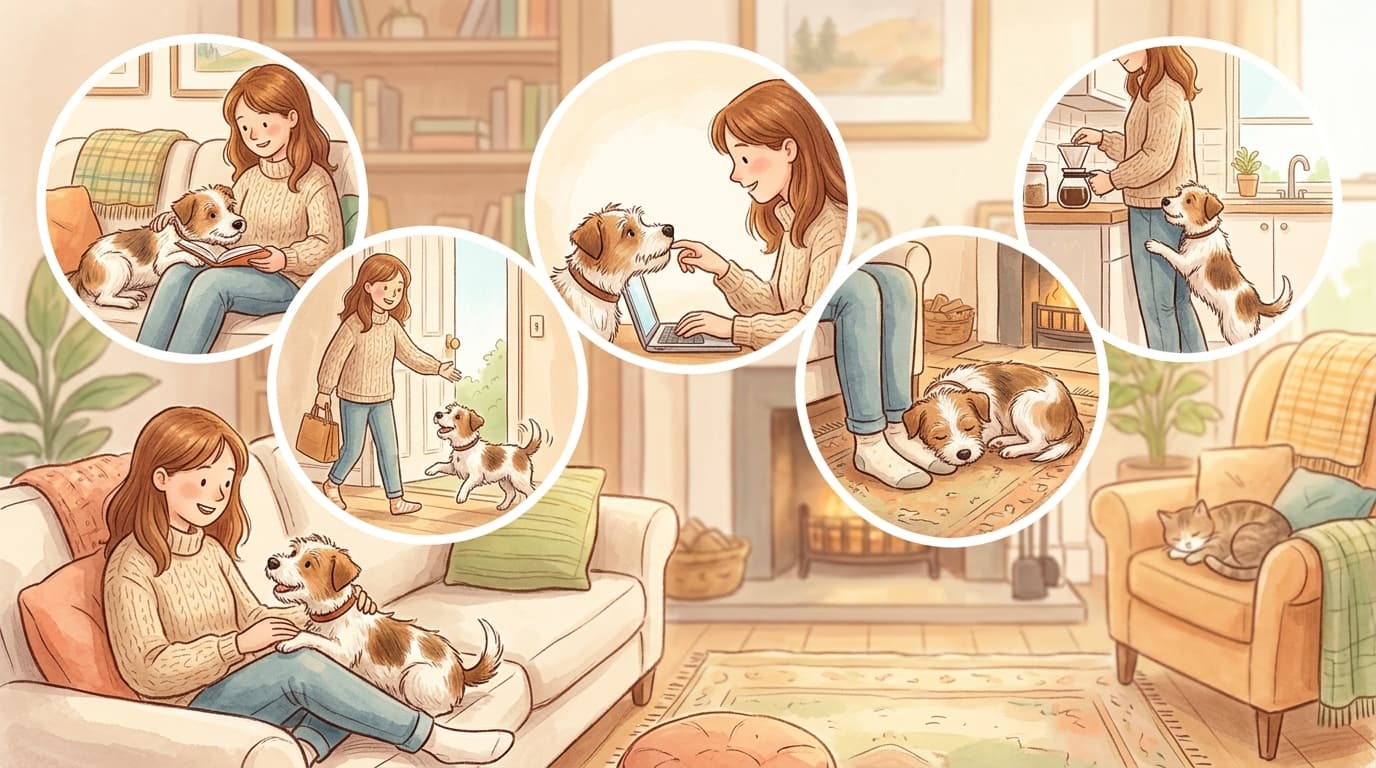
Try this instead: acknowledge them. You don’t have to start a play session every time, but a quick glance, a word, or a gentle touch tells your dog: I see you. You matter.
Volume doesn’t equal clarity. For some dogs, yelling is scary and confusing. For others, it’s still attention (which can accidentally reinforce the behavior). Either way, it rarely teaches what you want.
Try this instead: use calm, low cues, interrupt the behavior, redirect to something appropriate, and reward the right choice.
If you’ve ever noticed your dog lean into your leg right when you’re rushing out the door, you’ve seen how much they crave connection. Constantly shooing them off, nudging them away, or physically rejecting contact can land as social rejection—not just “not now.”
Try this instead: build tiny moments of connection into your day. A two-second scratch and a warm word can go a long way.
Walks are great, but play hits different. It burns energy, relieves stress, and builds your bond. A dog who doesn’t get enough play often finds their own version—chewing, digging, getting wild indoors.
Try this instead: short, frequent play is perfect. Five minutes of tug, a quick fetch session, or a sniffy “find it” game in the living room counts.
Fake throws, messing with them while they’re trying to enjoy a toy, dressing them up when they’re clearly uncomfortable—humans call it funny. Dogs often experience it as confusing or unfair.
Try this instead: keep games honest and mutual. If you start a play ritual, follow through so your dog learns you’re predictable.
Startling a sleeping dog can trigger a panic response, especially in older dogs or dogs with a rough past. You might see a snap or growl that feels “out of character,” but it’s often pure startle.
Try this instead: use your voice first and let them wake up fully before touching.
Some dogs love guests. Others find strangers in their home overwhelming. If you push a shy dog into interactions, they don’t “get used to it.” They learn that their discomfort doesn’t matter.
Try this instead: give them a safe retreat space and let them approach new people at their own pace.
A super-clean smell might make you happy, but frequent baths can dry out your dog’s skin and coat by stripping natural oils. Constant itchiness isn’t just physical—it can make a dog generally more on-edge.
Try this instead: bathe only as often as your dog truly needs (many do fine with occasional baths plus spot-cleaning). Use dog-specific products.
A sudden jerk on the neck can turn a walk into something your dog braces for. Even if your dog keeps moving, they may start associating the outdoors with unpredictable discomfort.
Try this instead: consider a well-fitted harness and teach loose-leash walking by stopping when the leash gets tight, then rewarding when they come back to you.
So much emotional stress starts with one assumption: that your dog understands your logic, your exceptions, and your “you know what you did.” Dogs live in the moment and learn through timing, tone, and repetition.
When you adjust your expectations, you get softer without becoming a pushover. You get clearer. Your dog gets calmer.
Pick just two changes: one that adds predictability (a routine or consistent rule) and one that adds safety (calmer greetings, better trading, gentler handling). Your dog doesn’t need perfect—your dog needs you to be understandable and steady.