Why Punishment Still Shows Up in Dog Training (Even in Reward-Friendly Homes)
A new survey suggests dog training choices reflect our ethics, not just what “works.” Here’s why punishment persists and what to do instead.
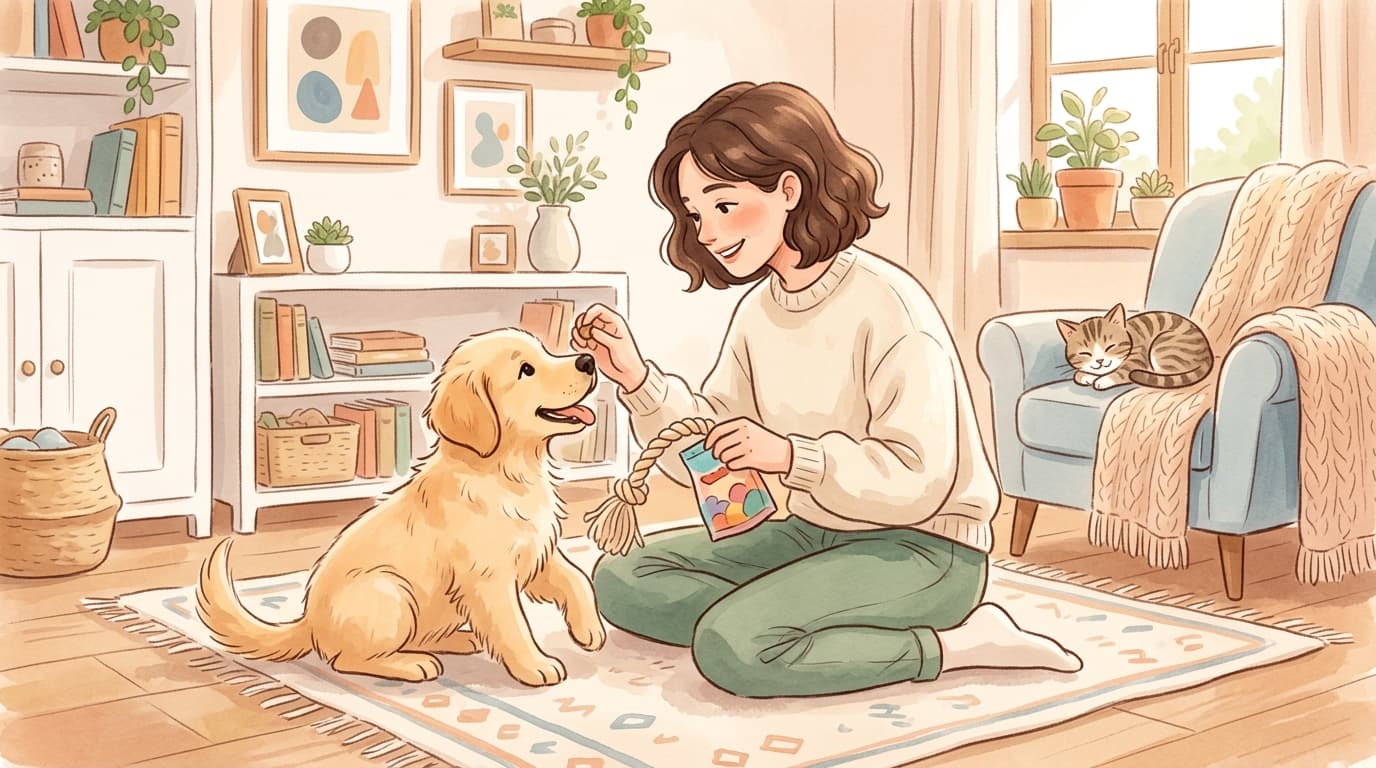
Most dog owners genuinely like the idea of rewarding good behavior. But the moment your dog is barking at the window for the tenth time, pulling like a sled dog, or ignoring you at the park, punishment can suddenly feel like the “realistic” option.
A large survey suggests that shift isn’t just about training technique—it may be tied to what we believe animals are owed by humans.
Dog training choices may reflect your ethics, not just your toolbox
Researchers surveying 500 dog guardians in the United States found that people’s training methods lined up with broader ethical views about animals.
In other words, your approach to dog training may say as much about your worldview as it does about your timing with treats.
The study grouped attitudes into a few broad orientations, including:
- Human-centered views (animals are primarily here to serve human needs)
- Animal protection / welfare views (animals deserve care, compassion, and protection)
- Animal rights views (animals have inherent rights that should be respected)
And a clear pattern showed up: guardians with more human-centered views were more likely to use punishment-based methods, including verbal scolding and physical corrections. Guardians with stronger welfare-leaning views were more likely to lean into praise, treats, toys, and other reward-based strategies.
Positive reinforcement is mainstream… yet punishment is still common
One of the most surprising takeaways is how normal rewards already are.
In this survey:
- 97% of guardians reported using praise in training
- 86% reported using treats or toys
So yes—reward-based dog training is already part of everyday life for most people.
But punishment is still hanging around in a big way:
- 46% reported using some form of punishment
- 25% reported using physically aversive methods
And only a relatively small slice of people fell into the category of primarily positive training.
If you’ve ever noticed yourself praising your dog one minute and then snapping “No!” the next, you’re not alone. A lot of homes are “reward-friendly” in theory, but still keep punishment in the back pocket for stressful moments.
Why punishment in dog training persists (even for well-meaning owners)
If rewards are so popular, why do so many people still reach for corrections when things get hard?
Culture teaches us that “consequences” are necessary
Many dog guardians absorb training norms from family traditions, popular media, and advice passed around like it’s common sense. If you grew up seeing leash jerks, alpha talk, or scolding framed as “just how you teach,” it can feel irresponsible not to do it.
Frustration makes quick fixes tempting
Punishment often shows up when a problem has already escalated—your dog is over threshold, you’re embarrassed, the situation feels urgent, and you want it to stop now.
That’s the moment where people aren’t thinking about long-term learning. They’re trying to regain control of the situation.
The dog training world is easy to misread
In many places (especially in the U.S.), dog training is largely unregulated. That means confident advice can look like expertise even when it’s not rooted in a solid understanding of learning, stress, and behavior.
A persuasive trainer, a viral clip, or a friend’s “this worked for me” story can normalize harsh methods fast—especially if the dog looks quiet afterward.
“But it works” is a seductive argument
Punishment can suppress behavior in the moment. That’s exactly why it feels convincing.
But “works” is a bigger question than “did the barking stop for 30 seconds?” It also includes what your dog learned about you, how safe they feel trying new behaviors, and what emotional fallout may be brewing under the surface.
A better path: make reward-based training practical under pressure
Telling people “just don’t punish” rarely helps if they don’t know what to do instead in real time. The more useful fix is making positive reinforcement training feel doable when life is messy.
Prevent problems before they explode
A huge part of successful dog training is noticing patterns early. If your dog loses their mind at the front window every afternoon, you can plan around it rather than waiting for the daily meltdown.
Manage the environment so your dog can succeed
Most pet owners don’t realize how much progress comes from simple setups. Use distance, barriers, leashes, baby gates, and predictable routines to reduce opportunities for unwanted behavior to rehearse.
Reinforce what you want repeated—on purpose
Rewards aren’t just “nice.” They’re information.
If you want your dog to check in with you on walks, you have to pay that behavior consistently at first. If you want calm greetings, you have to reward calm moments before the jumping starts.
Build skills gradually instead of waiting for a crisis
Dogs aren’t machines you program through pressure. They’re sentient beings learning how to live in a human world.
That means training works best when you layer difficulty slowly: easier version first, then slightly harder, then real-life chaos later.
Pay attention to stress and emotional regulation
A dog who’s overwhelmed can’t learn the way you want them to. A big part of “better training” is recognizing when your dog is stressed, overexcited, or frightened—and adjusting the situation so learning can happen.
The takeaway: the future of dog training is better setups, not harsher consequences
If you want a training approach that holds up when things get difficult, focus on mechanics: better timing, clearer reinforcement, smarter environments, and gradual skill-building.
Your dog is constantly learning what you’re like to live with. The more you can become predictable, fair, and rewarding, the more your dog will choose the behaviors you actually want—without you needing punishment as a backup plan.
Continue reading

When Your Dog Shows Their Belly: How to Tell “Rub Me” From “I’m Nervous” (and What to Do Instead)
A belly-up dog isn’t always asking for rubs. Learn the body language cues and a simple “scratch, pause, opt-in” method.

5 Things Your Dog Does Only for You (And You Might Be Missing Them Daily)
Five subtle behaviors that show your dog has chosen you as their safe place, comfort person, and favorite human.

15 Signs Your Dog Is Truly Happy (Not Just ‘Fine’)—From Belly-Up Sleep to Micro-Touches
From belly-up sleep to weird joy rituals, these signs reveal when your dog feels safe, secure, and genuinely happy.