Why Dogs Bark at Night: 7 Common Causes (and What You Can Do About Them)
Dogs bark at night for real reasons—senses, boredom, anxiety, territory, discomfort, and more. Learn 7 causes and practical fixes.
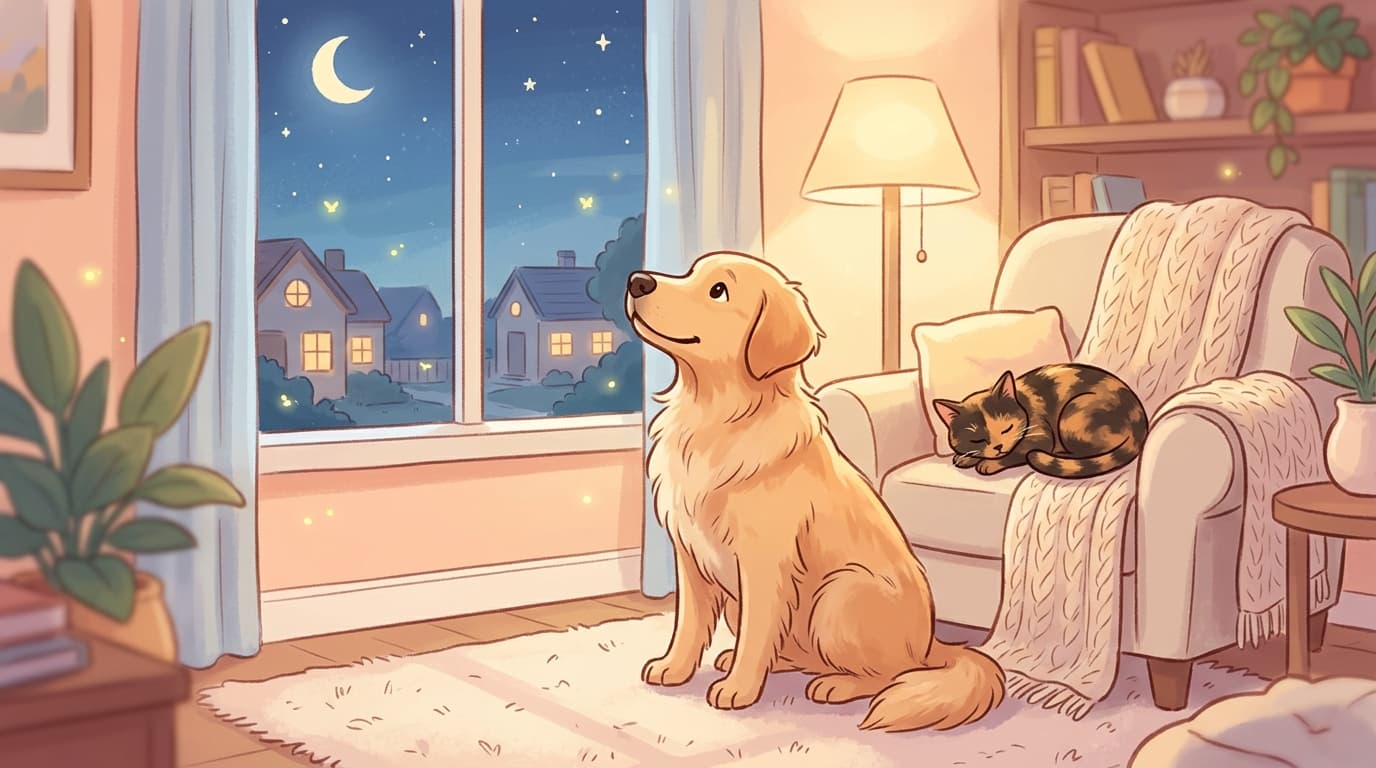
Your dog can hear a world you can’t—especially after dark. So when nighttime barking starts up in an otherwise quiet house, it’s usually not “for no reason.” It’s your dog reacting to something that feels real, urgent, or rewarding.
1) Dogs bark at night because their senses ramp up
Dogs are basically built for noticing things we miss. At night, your neighborhood gets quieter, which means small sounds carry farther—distant footsteps, a car door two streets over, a critter in the bushes, even subtle rustling outside.
If you’ve ever sat up thinking, “There’s nothing there,” while your dog stares at the window like a security guard, this is why. To your dog, that faint noise is information.
What helps: Close windows, use thicker curtains, and try a steady background sound (like a fan or white noise) to mask tiny outdoor noises.
2) Territorial instincts can kick in after dark
Many dogs feel more protective at night. The yard, the hallway, the front door—those are “their” zones, and barking is one of the main ways dogs say, “I hear you, and you’re not welcome.”
This is especially common if your dog sleeps near a window, the front door, or a fence line where they can hear movement.
What helps: Limit access to “patrol posts” at night (like the front window), and create a cozy sleeping spot in a quieter area of the home.
3) Boredom and leftover energy don’t disappear at bedtime
A dog who didn’t get enough exercise or enrichment during the day can turn into a night owl. Barking can be a release valve for pent-up energy—especially in young dogs, working breeds, and dogs who spend long hours without much to do.
Most pet owners don’t realize that mental stimulation counts just as much as physical exercise. A dog can come back from a walk and still be under-stimulated if they didn’t get to sniff, think, or engage.
What helps: Add a little more activity earlier in the day (or early evening), plus a brain task: short training sessions, food puzzles, or a sniffy walk where your dog sets the pace.
4) Separation anxiety can show up at night
Some dogs bark at night because they feel isolated. If your dog is used to being near you and suddenly sleeps in another room—or if the household routine changes—they may vocalize to get comfort or reconnect.
This type of barking often sounds repetitive and persistent, like your dog is “calling” for you.
What helps: Make bedtime predictable. A calming routine (same time, same place, same cues) can reduce anxiety. For some dogs, moving the bed closer to you temporarily and gradually increasing distance can help them adjust.
5) Your dog may be responding to other dogs you can’t hear
Night sound travels. One dog barking blocks away can trigger another, and another, and suddenly your dog is joining a neighborhood chorus.
Even if you can’t clearly hear the first bark, your dog probably can—and they may feel compelled to answer.
What helps: White noise can reduce how much your dog hears outside. Closing windows and bringing your dog farther from exterior walls can also make a difference.
6) Discomfort or age-related changes can cause nighttime barking
Sometimes nighttime barking is your dog trying to tell you they don’t feel right. Pain, discomfort, or confusion can make dogs more vocal after dark—especially seniors.
If your older dog has started barking at night out of nowhere, or seems restless and unable to settle, it’s worth taking seriously. Sudden behavior changes can be a clue that something physical (or cognitive) is going on.
What helps: Look for patterns: Is it after they lie down? After stairs? After a long day? If the barking is new, escalating, or paired with other changes (pacing, accidents, stiffness), schedule a veterinary check.
7) Attention-seeking can become a learned nighttime habit
Dogs are excellent at learning what works. If barking leads to you coming over, talking, petting, letting them on the bed, giving a treat, or opening the door, your dog may repeat it—because it got results.
This doesn’t mean your dog is being “bad.” It means the behavior has been reinforced.
What helps: Decide what you want to reward. If you respond, keep it boring and consistent—no big reactions. Then make a point of rewarding quiet behavior before barking starts (for example, when your dog settles on their bed).
How to reduce barking at night (a practical plan)
You’ll get the best results by tackling the cause and the habit at the same time:
- Meet their needs earlier in the day: exercise plus mental enrichment.
- Keep bedtime consistent: same routine, same sleep spot, same cues.
- Reduce triggers: close curtains, block window access, add white noise.
- Don’t accidentally reward barking: reinforce calm, quiet moments instead.
- Get help if it’s sudden or intense: especially for senior dogs or abrupt behavior changes.
Nighttime barking is frustrating, but it’s also information. Once you figure out whether your dog is hearing something, guarding, anxious, bored, uncomfortable, or simply repeating what worked before, you can make nights calmer for both of you.
Continue reading

When Your Dog Shows Their Belly: How to Tell “Rub Me” From “I’m Nervous” (and What to Do Instead)
A belly-up dog isn’t always asking for rubs. Learn the body language cues and a simple “scratch, pause, opt-in” method.

5 Things Your Dog Does Only for You (And You Might Be Missing Them Daily)
Five subtle behaviors that show your dog has chosen you as their safe place, comfort person, and favorite human.

15 Signs Your Dog Is Truly Happy (Not Just ‘Fine’)—From Belly-Up Sleep to Micro-Touches
From belly-up sleep to weird joy rituals, these signs reveal when your dog feels safe, secure, and genuinely happy.