The One Thing That Shapes How Your Dog Sees You: Your Response in Tiny High-Stakes Moments
Your dog judges you in quiet moments—fear, nudges, mistakes, walks, and pain. Small responses shape trust more than you think.
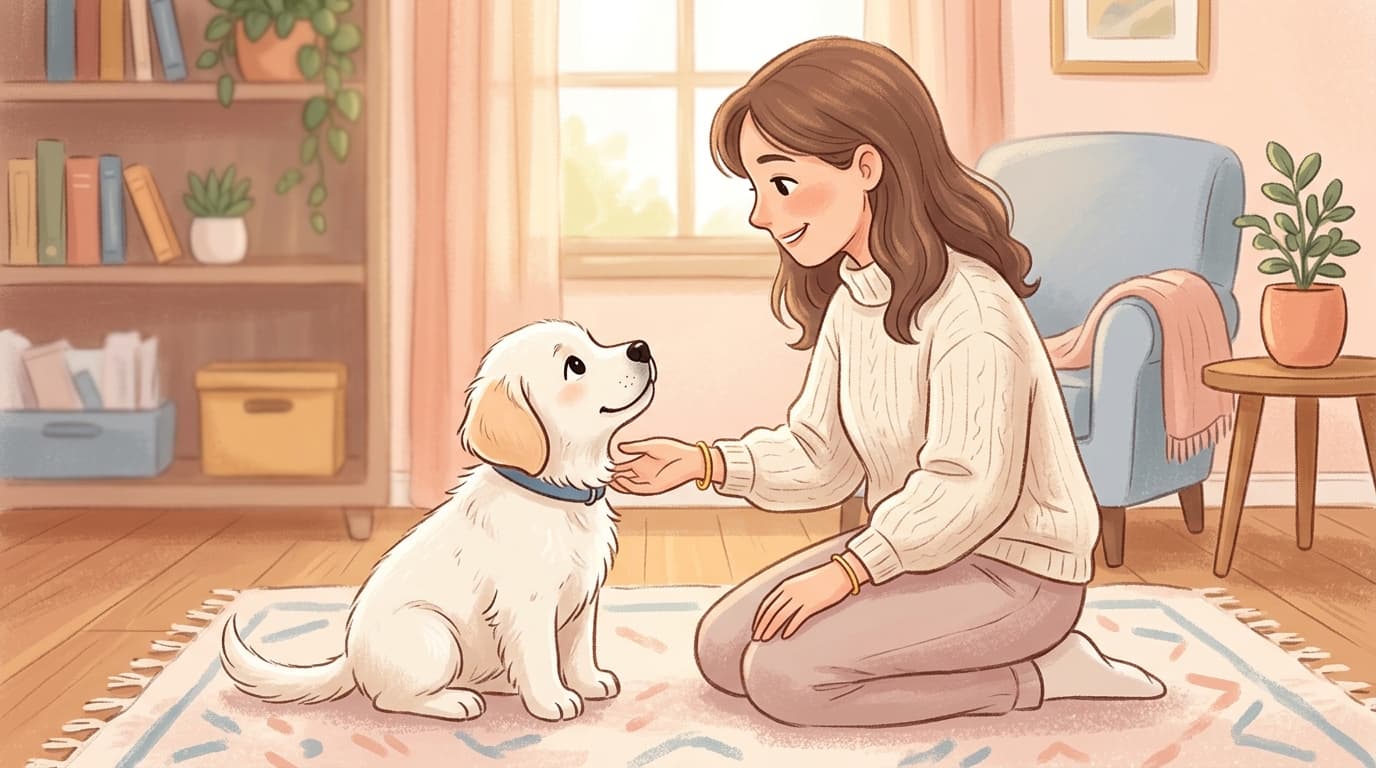
Your dog isn’t building an opinion of you from big, dramatic events. It’s forming one from quick, easy-to-miss moments—especially the ones that carry a little emotional weight. If you’ve ever felt like your dog treats one person as “safe” and another as “unpredictable,” this is usually why.
How your dog sees you is built in stress moments—especially when they look to your face
When something startles your dog—thunder, fireworks, a strange noise—many dogs don’t just react to the sound. They check you. They watch your face, your posture, and even the way you breathe, as if they’re asking, “Is this actually dangerous?”
If you tense, rush in fast, or raise your voice (even in a well-meaning “It’s okay!”), your dog can read that as confirmation that the situation is scary. Over time, your reaction can become part of what they associate with the trigger.
But if you stay loose in your body, keep your movements calm, and act like the world is still normal, you’re giving your dog a powerful cue: this moment is manageable. Dogs that experience that steadiness again and again often start orienting toward their owner more in future scary situations—because you’ve proven you’re a reliable reference point.
The 3-second rule: what you do right after your dog nudges you
Picture it: you’re mid-text, mid-email, mid-anything. Your dog walks over and gently pushes their nose into your hand, or gives a small whine that says, “Hey, are we okay?”
What happens next—especially in the next few seconds—teaches your dog a pattern. Dogs don’t only notice whether you respond. They notice how quickly, how warmly, and how consistently.
If the usual response is a shove-away, a heavy sigh, or a sharp “Not now,” many dogs eventually stop initiating. Not because they’re being dramatic, but because they’re learning that checking in doesn’t work here.
The alternative doesn’t require dropping everything. A quick glance, a soft word, or a two-second touch before you go back to what you were doing can be enough. Those tiny “micro-responses” add up, and they shape whether your dog keeps reaching out to you—or starts keeping to themselves.
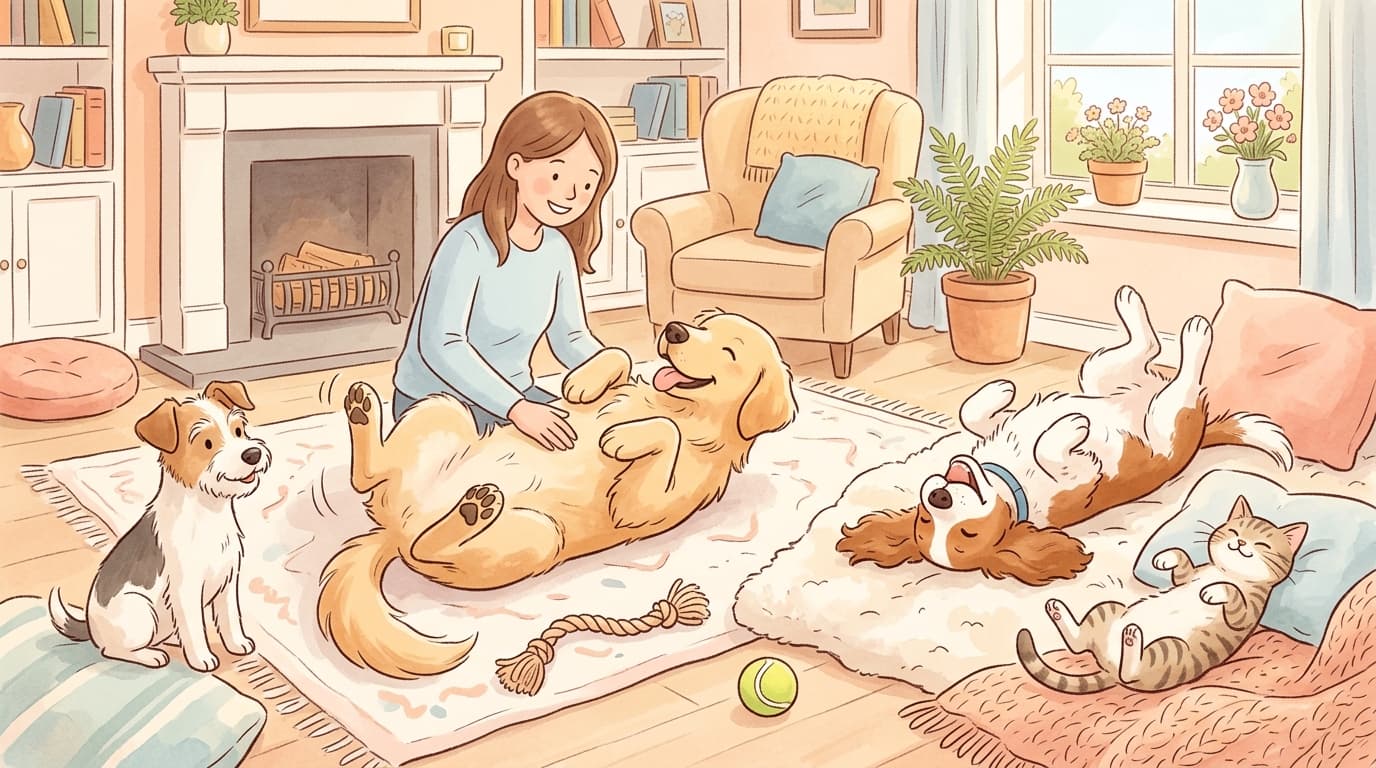
The moment they walk away mid-pet: respecting your dog’s quiet “no”
Dogs set boundaries in subtle ways. A head turn. A lip lick. A slight lean away. Getting up and moving to the other side of the couch while you’re still petting.
Most pet owners don’t realize those are real signals until the dog feels forced to get louder about it. When small signals are ignored repeatedly, dogs may escalate: a head turn can become a freeze, and a freeze can become a growl. And if that growl gets punished, some dogs learn an even riskier lesson—stop warning entirely.
When you pause the second your dog turns away, you’re teaching them something that changes how your dog sees you: their communication works with you. Their “no” gets respected. That sense of control often shows up later as a dog who seems less tense and less defensive in unfamiliar situations.
Your face after a mistake: what your dog learns from your expression
A knocked-over glass. A chewed shoe. An accident on the rug. In those moments, your dog is reading your face like a headline.
Dogs are unusually tuned in to human expressions, and many will hesitate around an angry-looking face. So if your eyebrows drop, your jaw tightens, and your posture shifts forward, your dog may not interpret it as, “I did wrong.” They often interpret it as, “My human just changed suddenly, and I don’t know what happens next.”
When the response is looming, yelling, or grabbing a collar to drag them toward the “crime scene,” the lesson many dogs take away is that mistakes make you intense and unpredictable.
A calmer pattern—pause, exhale, then redirect—tends to help dogs recover faster after slip-ups. It also keeps your dog from practicing those appeasement behaviors you might have noticed: lip licking, crouching low, or avoiding eye contact as they try to defuse tension.
The leash moment that matters: letting them finish the sniff
To you, a walk might be exercise and a schedule. To your dog, it’s information.
That long sniff at the hydrant, the slow scan of a new bush, the lingering investigation at the corner—these are your dog’s little rituals. Walks that allow more sniffing and choice (instead of constant rushing and leash-yanking) are often linked with lower stress afterward, and many owners notice their dog seems more settled.
Cutting every sniff short isn’t “mean,” but repeated interruptions can send a steady message: your preferences don’t matter much today. On the flip side, calmer, choice-based walks often produce more voluntary check-ins—your dog looks to you not because they’re worried, but because the partnership feels good.
How you show up when something is wrong—without panicking or hovering
Pain, illness, and aging reveal the foundation of your relationship fast.
Dogs often try to hide discomfort. So when your dog chooses to limp toward you, rest their head on your lap, or stay close instead of withdrawing, that’s trust in real time.
In these moments, your emotional tone matters. If you panic, fuss, or hover constantly, your dog can absorb that anxiety and feel even more unsettled. But if you stay close without crowding, quiet without ignoring, and present without smothering, you become a steady place to land.
Dogs remember who you were in the hard moments. And that memory can shape how readily they seek comfort from you later.
A simple takeaway you can use today
Your dog’s “category” for you—safe, steady, unpredictable, too busy—is built from small interactions that happen every week (and often every day). Pick one moment to practice: soften your face after a mistake, offer a quick response to a nudge, or let the sniff session finish. Your dog will notice, and the relationship shifts one tiny moment at a time.
Continue reading

When Your Dog Shows Their Belly: How to Tell “Rub Me” From “I’m Nervous” (and What to Do Instead)
A belly-up dog isn’t always asking for rubs. Learn the body language cues and a simple “scratch, pause, opt-in” method.

5 Things Your Dog Does Only for You (And You Might Be Missing Them Daily)
Five subtle behaviors that show your dog has chosen you as their safe place, comfort person, and favorite human.

15 Signs Your Dog Is Truly Happy (Not Just ‘Fine’)—From Belly-Up Sleep to Micro-Touches
From belly-up sleep to weird joy rituals, these signs reveal when your dog feels safe, secure, and genuinely happy.