Pollen Allergy in Dogs: The Itchy Spring Symptoms (and Simple Ways to Ease Them)
Pollen allergy in dogs often shows up as itchy skin, ear infections, and hair loss. Learn symptoms and easy ways to reduce flare-ups.
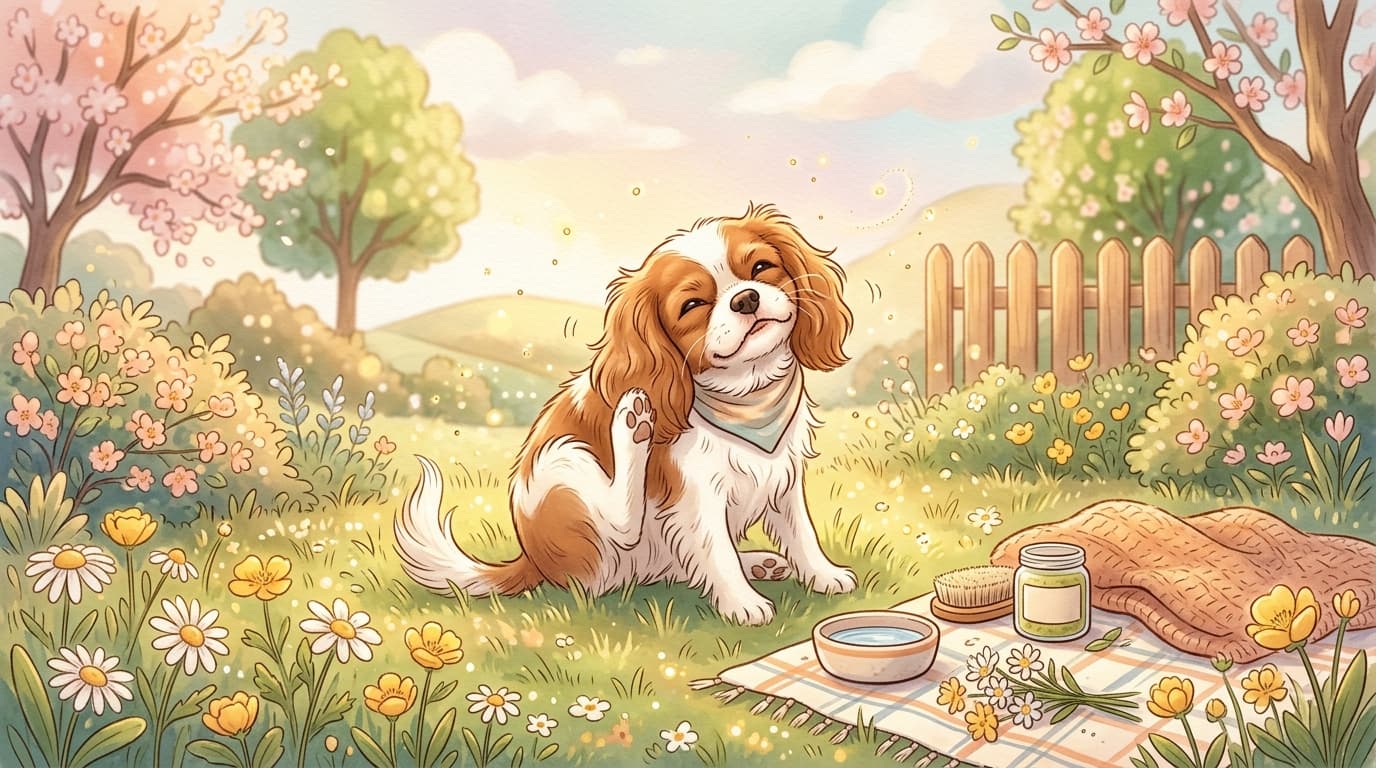
Spring can be gorgeous… and miserable if your dog suddenly can’t stop scratching. Pollen allergy in dogs usually doesn’t look like human hay fever—no dramatic sneezing fits—because it tends to hit the skin instead.
What pollen allergy in dogs looks like (it’s usually a skin problem)
In many dogs, seasonal pollen triggers a condition often referred to as canine atopic dermatitis. Basically, your dog’s immune system overreacts after pollen lands on their body, and the skin becomes inflamed and intensely itchy.
Most pet owners don’t realize this at first because the signs can look like “just dry skin” or “maybe fleas.” But if the timing lines up with spring (or certain months every year), pollen may be the real culprit.
Common symptoms of pollen allergy in dogs
If you’ve ever noticed your dog acting totally normal indoors but turning into a scratching machine after walks, this list will sound familiar:
- Intense itching (scratching that seems nonstop)
- Red, irritated skin
- Constant licking or chewing, especially on paws or legs
- Recurrent ear infections (otitis)—ears that get gunky, smelly, or itchy again and again
- Hair loss or thinning in the spots your dog attacks the most
Where pollen tends to bother dogs the most
Pollen sticks to fur like dust. On many dogs it collects heavily on:
- Belly/abdomen (especially in short-haired dogs or dogs that brush against grass)
- Paws and legs (from walking through plants)
- Ears (both from contact and from the inflammation that can lead to repeat ear issues)
That’s why a dog can come home from a perfectly normal walk and then start licking paws or rubbing their face like they’re trying to crawl out of their own skin.