Dog Biting the Base of the Tail? Common Causes and What You Can Do Next
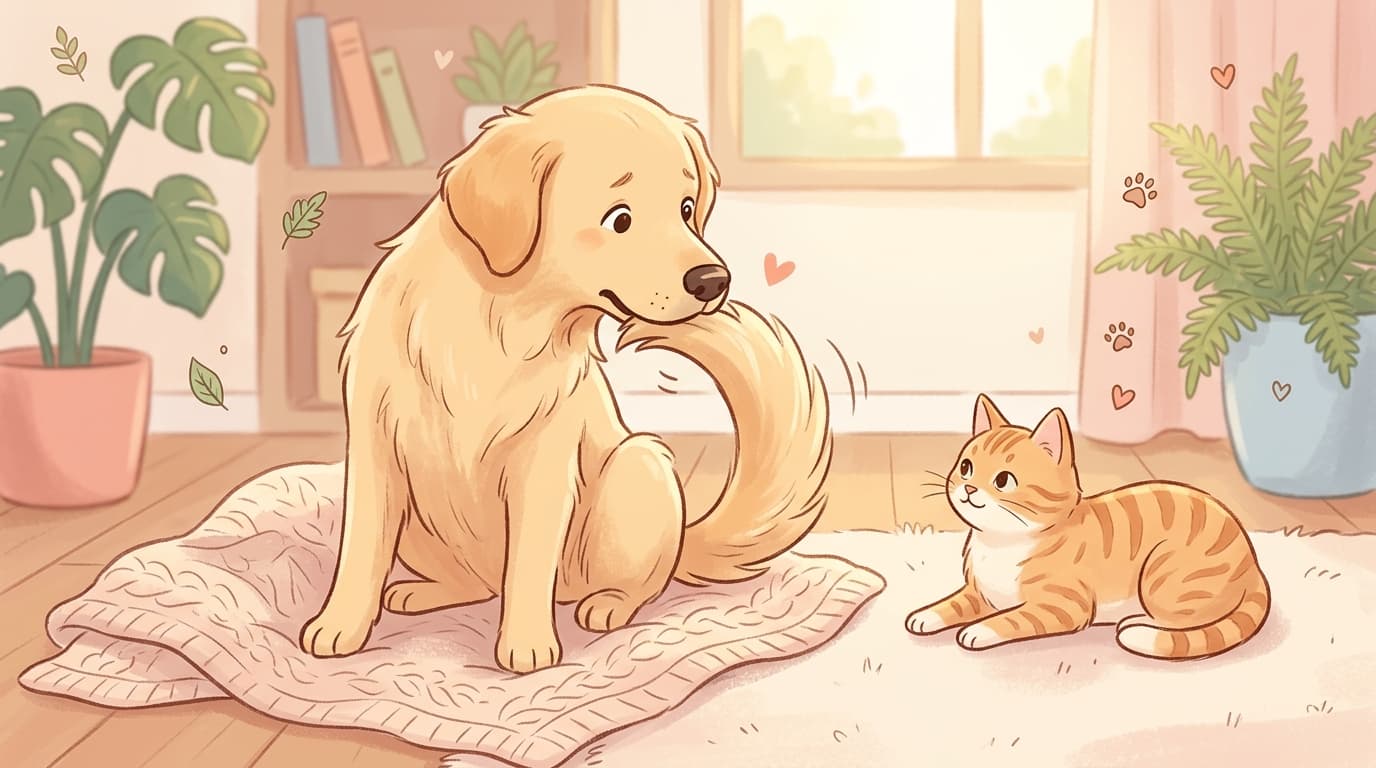
If your dog nibbles or scratches the base of their tail once in a while, it might be nothing. But if it’s happening often, that spot is basically your dog’s way of waving a red flag that something feels wrong.
Below are the most common reasons a dog bites the base of the tail, what clues to look for, and how to respond before the skin gets sore or infected.
Fleas: the #1 reason dogs bite the base of the tail
Fleas love hanging out around the back end, especially near the base of the tail. The itch they cause can be intense, and many dogs react by chewing or “pinching” the area with their teeth.
Most pet owners don’t realize that some dogs are allergic to flea saliva. With flea allergy dermatitis, even a single flea bite can trigger major itching, redness, scabs, and hair loss. If your dog keeps chewing, the skin can break and secondary infections can show up fast.
Signs that point toward fleas:
- Constant itching focused near the tail base
- Red, irritated skin and small scabs
- Thinning hair or bald patches in that area
- You may spot flea dirt (tiny black specks) in the coat
Skin infections at the tail base (bacteria or yeast)
Moisture, small wounds, repeated scratching, or poor hygiene can set the stage for a skin infection around the tail base. Once the skin is inflamed, your dog chews to get relief—then the chewing makes everything worse.
Clues it may be an infection:
- Redness and swelling
- Crusts or scabs that keep returning
- Oozing or discharge
- A noticeable bad smell
Allergies that show up as tail-base itching
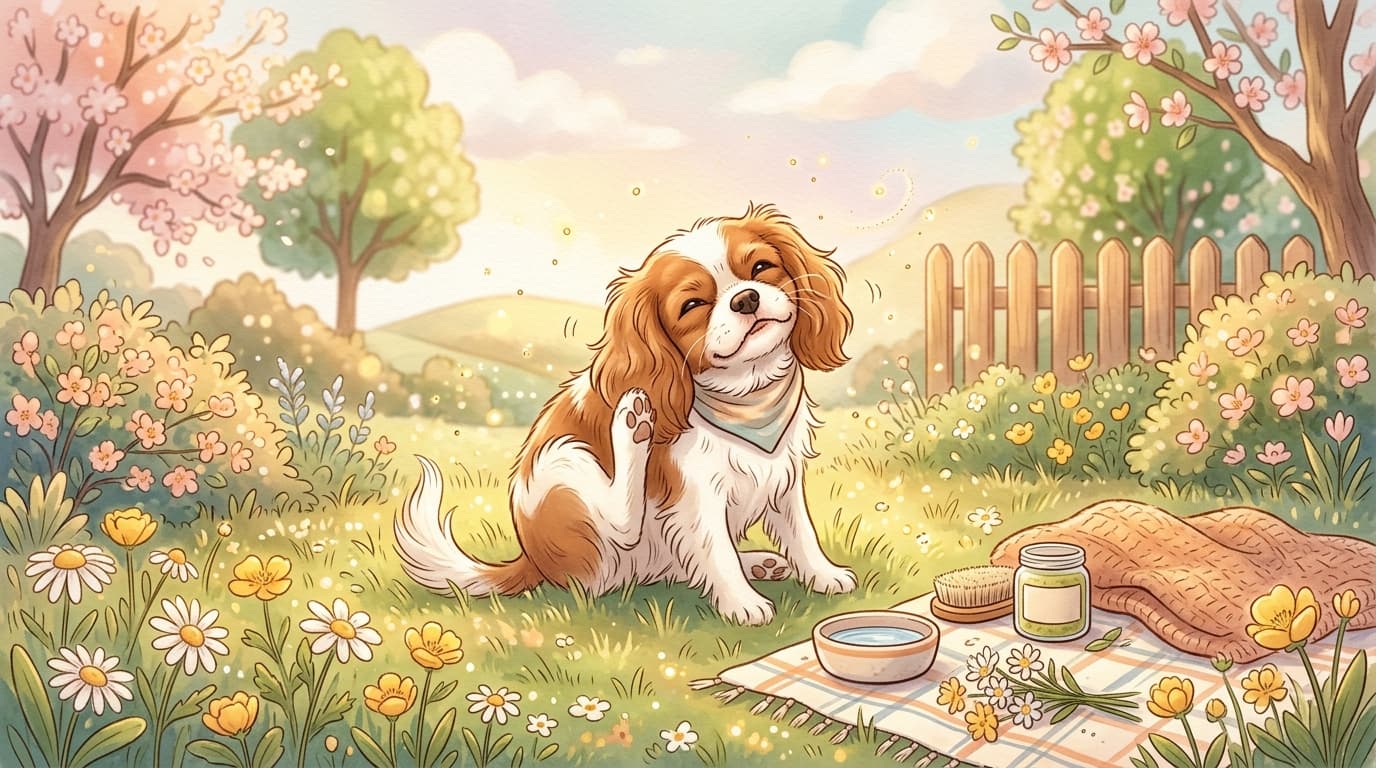
Dogs can develop allergies to things like pollen, certain foods, chemicals, or parasites. Skin allergies often cause strong itching and inflammation, and the base of the tail is one of the classic “hot zones,” along with the ears, paws, belly, and sometimes the face.
If you’ve ever noticed your dog rotating between licking paws, scratching ears, and then suddenly going after the tail base, allergies can be a big suspect. The more they scratch and chew, the easier it is for the skin to get damaged and infected.
Common allergy patterns:
- Itching that comes and goes (seasonal) or persists (year-round)
- Multiple itchy areas, not just the tail
- Recurrent skin irritation or ear issues
Anal gland problems (more common than you’d think)
Anal glands sit on either side of your dog’s anus and normally empty when your dog poops. If they don’t empty properly, they can get blocked, creating pressure, irritation, and pain. Many dogs react by licking, biting, or chewing the area nearby—including the base of the tail.
Signs that suggest anal glands:
- Scooting (dragging the butt on the floor)
- Discomfort sitting down
- Licking under the tail a lot
- A strong, fishy odor
If anal glands stay blocked, they can become infected or even form an abscess, so this is one to take seriously.
A foreign object stuck in the fur or skin
After a romp outside, a grass awn, splinter, or small plant piece can lodge near the tail base. That creates a very specific, localized irritation—your dog can’t “fix” it, so they chew.
What it can look like:
- Sudden, intense focus on one exact spot
- A small puncture, swelling, or tender bump
- Your dog yelps or flinches when you touch the area
Stress, anxiety, or boredom (compulsive chewing)
Sometimes the skin isn’t the original problem. Stress, anxiety, or boredom can lead to repetitive behaviors, including chewing at the base of the tail. In these cases, there may not be true itchiness at all, but the self-chewing still causes real damage.
Hints it may be emotional/behavioral:
- Chewing happens during quiet times or when left alone
- No obvious skin trigger at first, but sores develop over time
- Other stress signs (restlessness, pacing, clinginess)
What to do if your dog keeps biting the base of the tail
If it’s happening repeatedly, don’t wait it out. The sooner you identify the cause, the less chance your dog has of creating painful wounds or secondary infections.
Here’s a practical plan:
- Check the area gently: look for redness, scabs, swelling, discharge, or a bad smell.
- Look for flea clues: flea dirt, tiny moving fleas, or itchiness concentrated around the tail base.
- Notice the “extra” symptoms: scooting can point to anal glands; paw/ear itching can point to allergies; sudden pinpoint pain can suggest a foreign object.
- Book a vet visit for ongoing chewing: fleas, infections, allergies, anal gland issues, foreign objects, and compulsive behaviors can look similar at home, and the right fix depends on the real cause.
Your dog isn’t being “dramatic” or “weird” when they chew that spot—they’re trying to solve a problem the only way they know how. Catch it early, and you’ll save them a lot of discomfort.
Continue reading

Female Dogs Aren’t Just “Smaller Males”: 8 Key Differences Every Dog Owner Should Know
Female dogs often learn faster, bond differently, and hide pain better. Here are 8 real-life differences to understand your girl.

Pollen Allergy in Dogs: The Itchy Spring Symptoms (and Simple Ways to Ease Them)
Pollen allergy in dogs often shows up as itchy skin, ear infections, and hair loss. Learn symptoms and easy ways to reduce flare-ups.

Dog Biting the Base of the Tail: What It Usually Means (and What to Do Next)
If your dog keeps biting or scratching the base of the tail, fleas, allergies, infections, anal glands, or stress could be behind it.