Dog Biting the Base of the Tail: What It Usually Means (and What to Do Next)
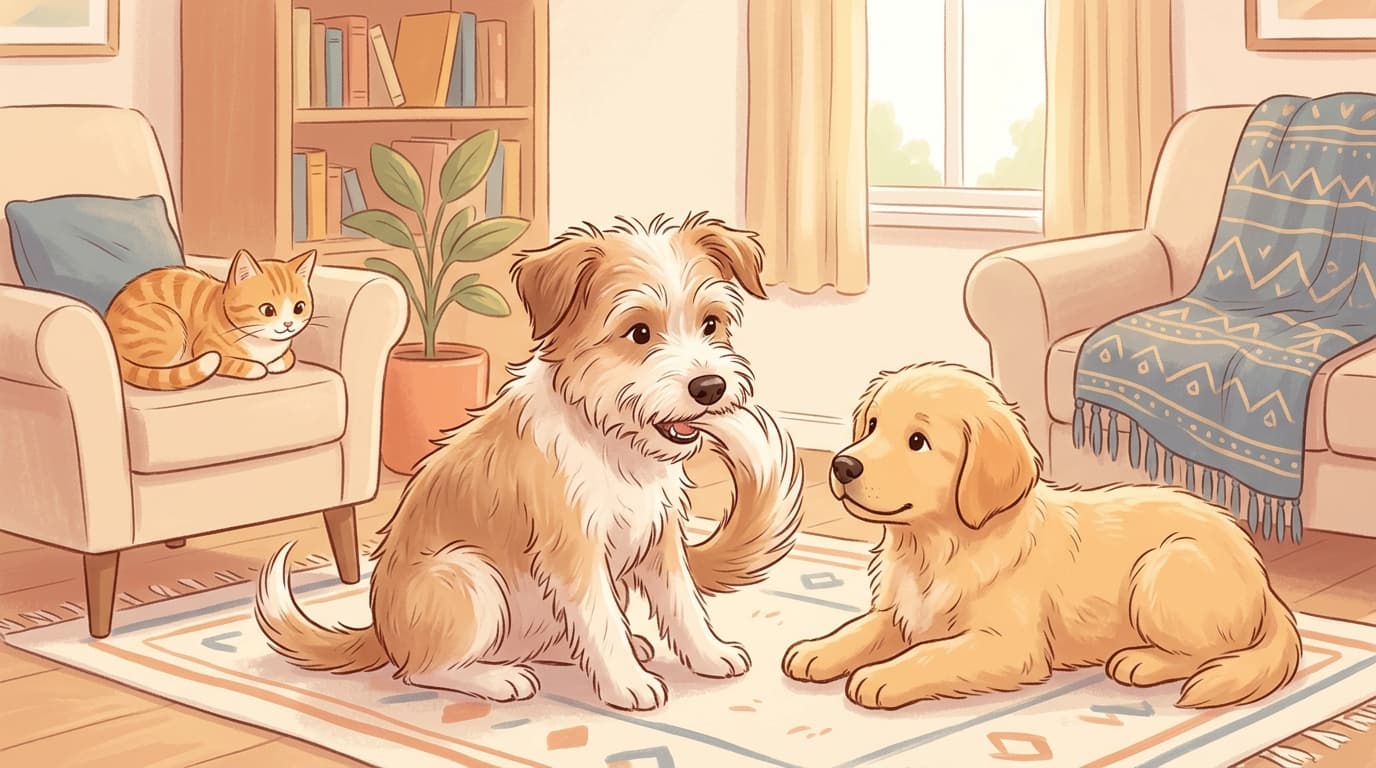
Your dog turns around, starts chewing at the base of their tail, and suddenly it’s all you can focus on. If it happens once in a while, it might be nothing—but if your dog keeps biting the base of the tail, it’s usually a sign something is bothering them.
Below are the most common reasons this shows up, plus what you can look for at home so you can act quickly.
Dog biting the base of the tail: why it happens so often
The base of the tail is a hotspot for irritation. It’s warm, hard for your dog to reach cleanly, and (unfortunately) a favorite place for parasites and skin problems to flare up. If you’ve ever noticed your dog suddenly stop mid-play to scratch there like they can’t think about anything else, that intensity is a clue.
Fleas (yes, even one can be enough)
Fleas love to hang out near the tail base, and the itch can be relentless. Some dogs react strongly to flea saliva, so a single flea can trigger:
- Constant scratching or chewing at the tail base
- Redness and irritated skin
- Scabs or crusty patches
- Hair thinning or bald spots
If your dog is biting the base of the tail and you also see frequent scratching elsewhere, check for flea dirt (tiny black specks) and consider whether their parasite prevention is up to date.
Skin infections from bacteria or yeast
Once the skin gets irritated—whether from moisture, small wounds, or nonstop scratching—it can tip into an infection. The tail base can stay damp or rubbed, which gives bacteria or yeast an easy opening.
Clues that point toward infection include:
- A strong odor from the area
- Oozing, moist skin, or thickened patches
- Increased redness or swelling
- Your dog acting more uncomfortable over time
Infections can snowball quickly because the itch makes your dog chew more, which damages the skin further.
Allergies (environmental, food, chemicals, parasites)
Most pet owners don’t realize how often allergies show up as skin drama rather than sneezing. Dogs can react to things like pollen, certain foods, household products, or even parasites.
Allergy-related tail-base biting often comes with:
- Intense itchiness that seems out of proportion
- Inflamed skin
- Recurring flare-ups (it improves, then comes back)
If the behavior is seasonal or happens after a diet change, a new shampoo, or a different cleaning product, allergies move higher on the list.
Anal gland issues: pressure, pain, and irritation
Anal glands sit on either side of your dog’s anus and normally empty during bowel movements. If they don’t empty properly, they can become blocked, creating pressure and discomfort that radiates to the tail area.
You might also notice:
- Scooting (dragging their rear on the floor)
- Licking around the rear end
- A fishy or unusual smell
- Sensitivity when you touch near the back end
This can make a dog focus on the tail base because it’s close to where the discomfort is coming from.
Something stuck in the fur or skin
After a romp in the yard or a hike, small plant bits can cause big trouble. Things like grass awns (foxtails), tiny twigs, or burrs can poke into the skin near the tail base and create irritation that feels sharp and urgent.
Look for:
- A specific spot your dog targets every time
- Sudden onset after outdoor play
- A small bump, puncture, or tender area
Stress, anxiety, or boredom (not always a physical itch)
Sometimes there isn’t a parasite or infection driving the behavior—your dog is self-soothing or coping. In these cases, the chewing can become a habit, and the skin gets damaged even without a true itch.
This is more likely if:
- The behavior happens during quiet times (like evenings) or when your dog is alone
- Your dog seems restless, under-stimulated, or anxious
- You don’t see obvious redness at first, but the chewing persists
If this sounds familiar, the “fix” isn’t just topical products—it’s improving your dog’s routine, enrichment, and emotional comfort.
When to take action
If your dog is repeatedly biting the base of the tail, don’t wait it out. The longer it goes on, the higher the risk of broken skin, hot spots, and secondary infections that are harder to clear.
A practical next step: check the area gently for fleas/flea dirt, redness, scabs, swelling, or anything stuck in the fur—then get help to identify the real cause so your dog can stop feeling miserable.
You know your dog best. If they’re fixated on that tail base, they’re trying to tell you something.
Continue reading

Can Dogs Eat Avocado? The Real Risks (And Safer Fruit Choices)
Avocado isn’t the best snack for dogs. Learn the risks of the pulp, pit, and skin—and which fruits are safer instead.

How to Leave Your Dog Home Alone Without Triggering Separation Anxiety
Use these 9 simple routines to keep your dog calm, busy, and secure when you leave the house.

Dogs and Humans: The 16,000-Year Friendship That Started With Wolves
New DNA evidence shows dogs have been by our side for over 16,000 years—longer and wider across Eurasia than we thought.