Dogs and Humans: The 16,000-Year Friendship That Started With Wolves
New DNA evidence shows dogs have been by our side for over 16,000 years—longer and wider across Eurasia than we thought.
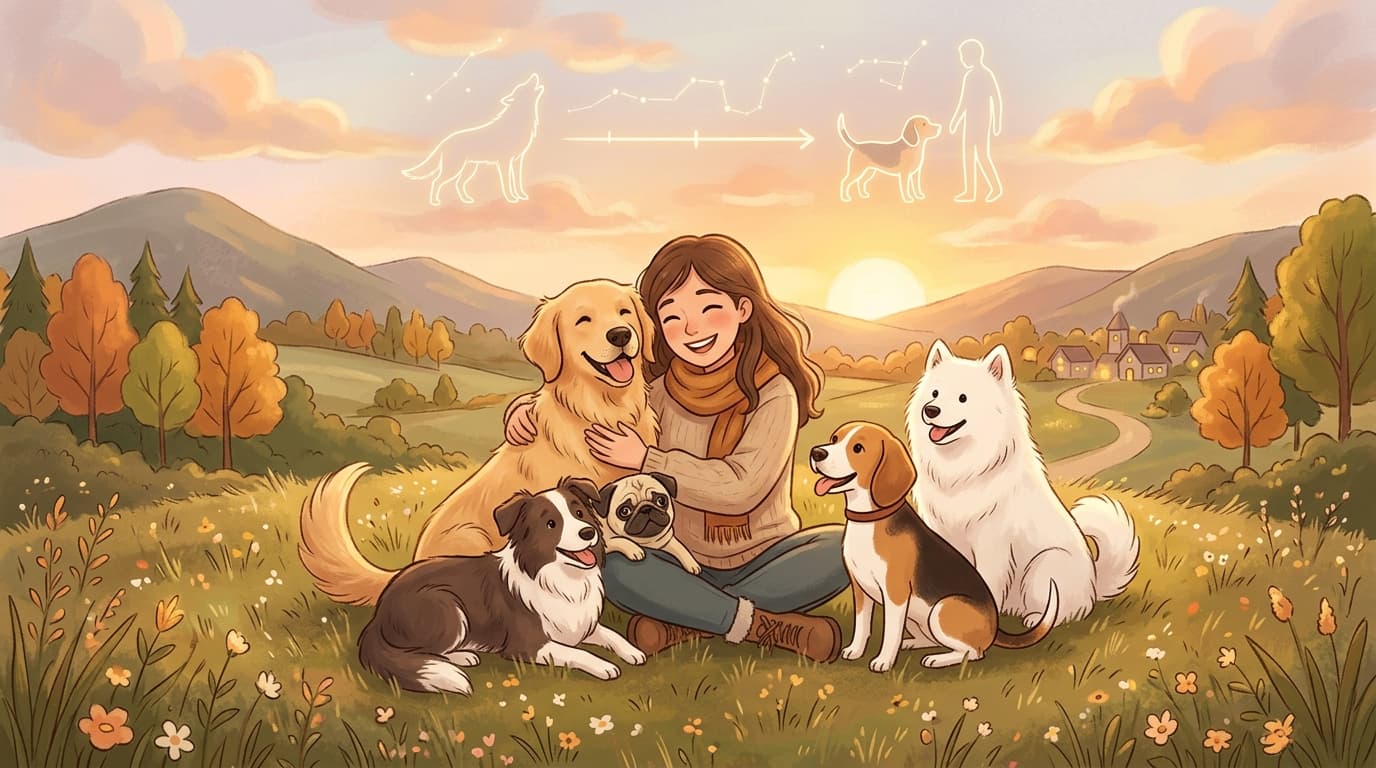
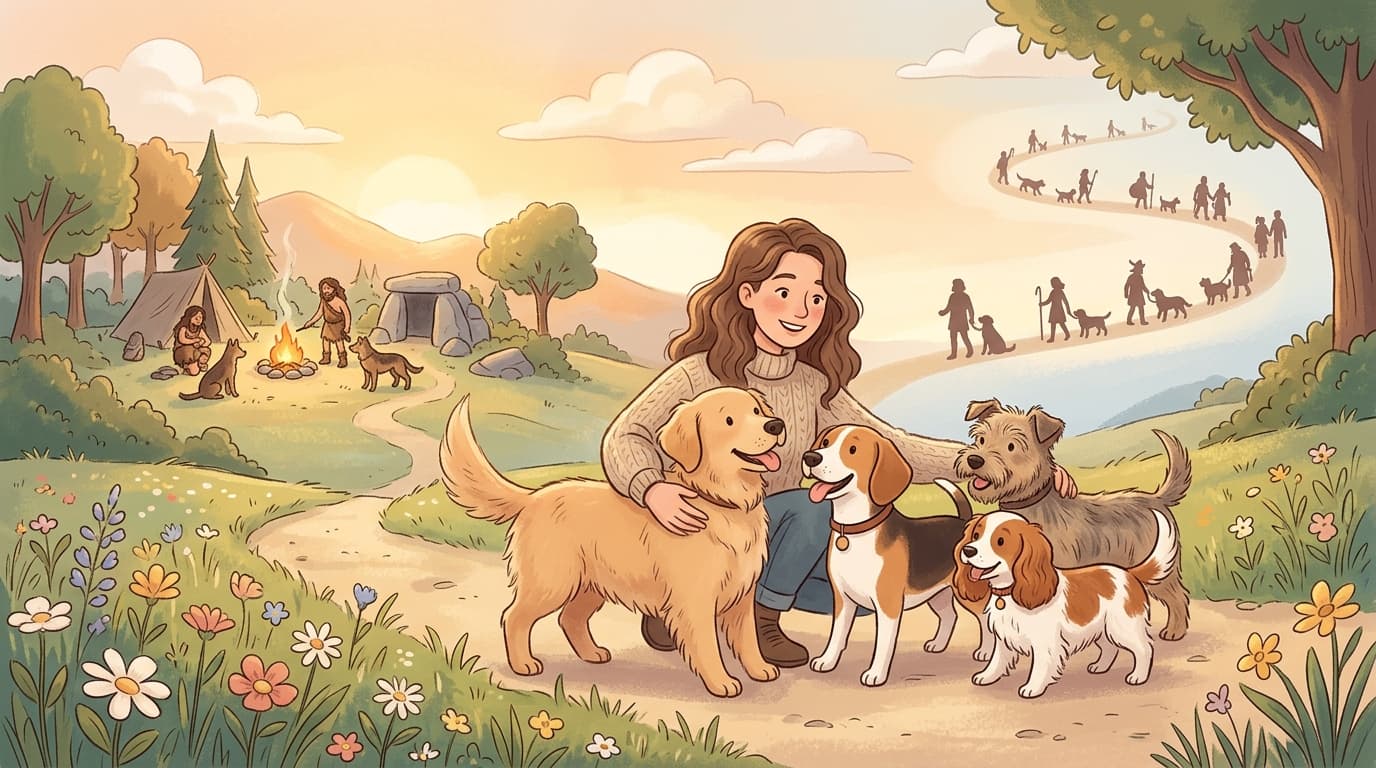
Dogs haven’t just been “around” for a long time—new genetic evidence suggests they’ve been part of human life for more than 16,000 years. That’s a friendship older than farming, older than most of the world’s written history, and honestly kind of mind-blowing.
What DNA reveals about early dogs
For years, the oldest solid proof of dogs living alongside humans was placed at around 10,900 years ago. But recent DNA analysis of animal remains from the Upper Paleolithic pushed that timeline back dramatically.
The oldest known canine DNA was found in the skull of a puppy that lived about 15,800 years ago in what is now Turkey. Based on the skull’s size, this early dog looked a lot like a small wolf—close enough that you can picture a wild-looking pup with a slightly softer future ahead of it.
Dogs were already spread across Western Eurasia
What makes this even more fascinating is that this wasn’t a one-off “first dog” moment in a single place.
Genetically similar early dogs have been identified in several parts of Western Eurasia—places that are now the United Kingdom, Italy, Germany, and Switzerland—dating to roughly 15,800 to 14,200 years ago. In other words, dogs weren’t just beginning to appear; they were already widely distributed.
That tells us something big: the dog-human relationship likely formed earlier than we assumed, and it caught on fast across different human groups.
How the dog-human bond may have started
Most pet owners don’t realize domestication probably didn’t begin with humans “deciding” to create dogs. It was more likely a slow, practical relationship that benefited both sides.
Researchers suggest a couple of realistic beginnings:
- Young wolves approached human camps to scavenge leftovers. The bolder (but calmer) ones got more food and more chances to stick around.
- Humans took in orphaned wolf pups, raising them near people. Some of those pups would grow into adults that were less fearful and easier to live with.
Over time, the wolves that were naturally more tolerant of humans were the ones that survived best around human communities. Generation after generation, that calmer temperament mattered—and eventually, those animals became something new: early dogs.