Dogs Have Been By Our Side for Over 16,000 Years: What DNA Reveals About Our Oldest Pet Bond
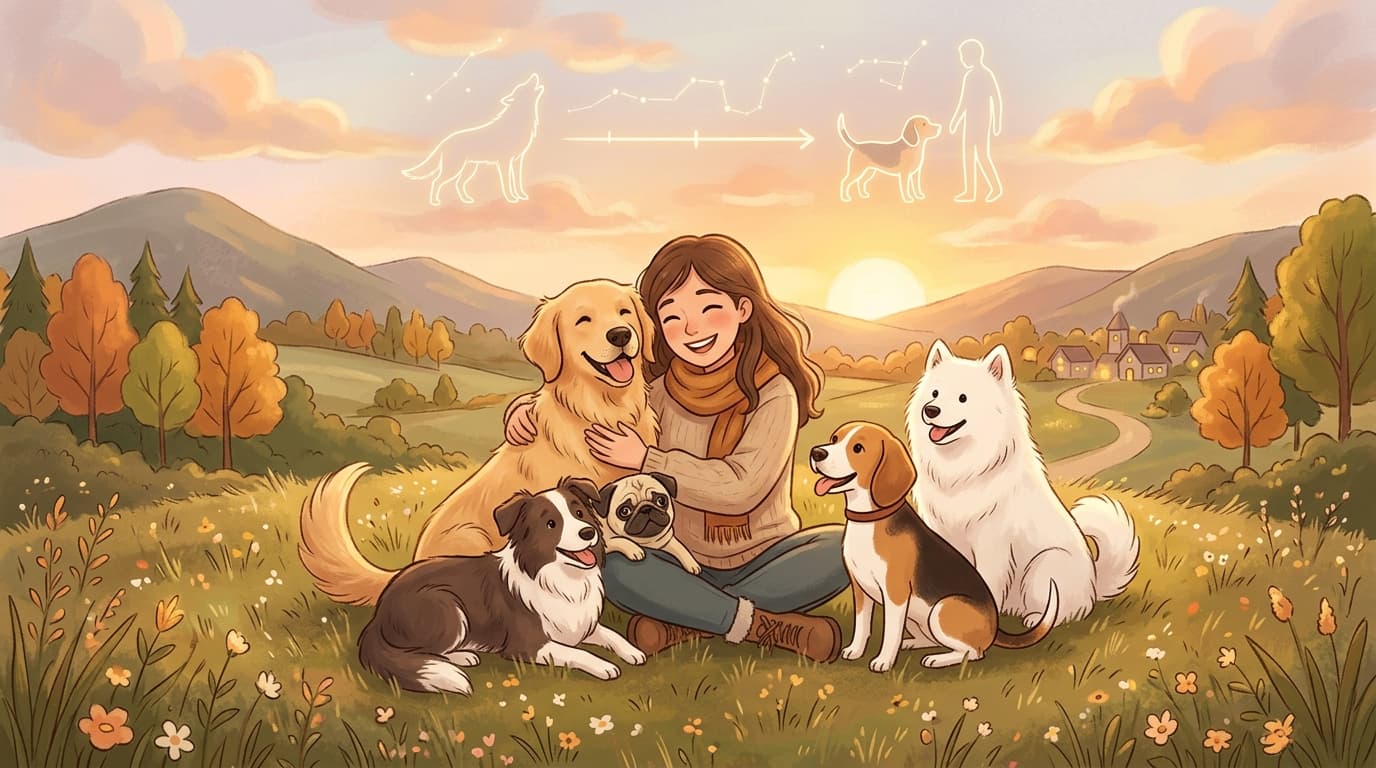
You know that feeling when your dog follows you from room to room like you’re the most interesting thing on Earth? That clingy little shadow has a history far deeper than most of us ever imagined—more than 16,000 years deep.
Recent DNA research is pushing back the timeline of dogs living with humans, suggesting our partnership started about 5,000 years earlier than scientists once believed.
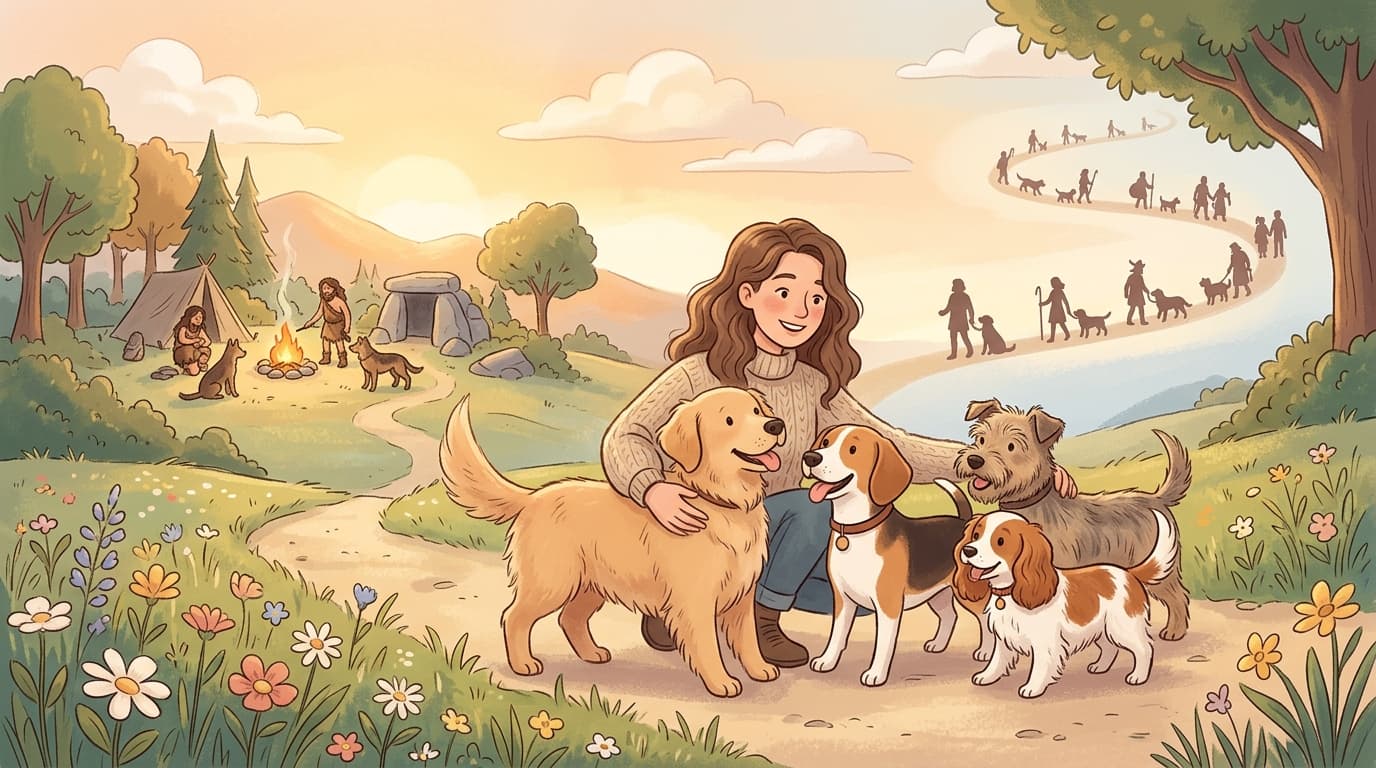
Dogs and humans: a 16,000-year partnership (and counting)
For a long time, the oldest solid evidence for early dogs living alongside people sat around 10,900 years ago. But newer genetic studies of animal remains from the Upper Paleolithic have changed the story.
By analyzing ancient DNA, researchers identified canine genetic material dating back to roughly 15,800 years ago—making it the oldest known dog DNA found so far. That’s not just a small adjustment. It’s a major rewrite of the “when did dogs become dogs?” timeline.
The oldest known dog DNA came from a Paleolithic puppy
One of the most striking finds comes from the skull of a young dog (basically, a Paleolithic puppy) that lived around 15,800 years ago in what is now Turkey.
Based on its remains, this early dog was similar in size to a small wolf. If you’ve ever looked at your dog and thought, “You’d survive exactly zero minutes in the wild,” it’s funny to imagine an ancestor that still looked pretty wolf-ish—yet was already on the road toward life with humans.
Early dogs were already spread across Western Eurasia
This wasn’t a one-off animal in one place, either. Genetic evidence points to other dogs that were closely related showing up across Western Eurasia, including areas that are now:
- The United Kingdom
- Italy
- Germany
- Switzerland
These remains date to roughly 15,800 to 14,200 years ago. In other words, dogs weren’t just beginning to exist—they were already widely distributed during the Paleolithic era.
That’s a big clue that whatever was happening between humans and early wolves (or proto-dogs) caught on fast and traveled far.
How did the first dogs and humans team up?
No one was around to write down the moment it happened, but scientists have a few strong theories about how this relationship began.
One likely scenario: young wolves started hanging around human camps because humans meant food—leftovers, scraps, and easier hunting opportunities. The wolves that were less fearful (and less aggressive) would have had an advantage. They could get closer, eat more, and survive better.
Another possibility is more hands-on: humans may have taken in orphaned wolf pups. Anyone who’s ever brought home a needy rescue understands the impulse. Over time, the calmest, most social animals would have been the ones that stayed.
Either way, the friendlier individuals were gradually woven into human life. Bit by bit, generation by generation, those animals shifted from wild wolves to early dogs.
Why the bond stuck: hunting, guarding, and mutual survival
Once early dogs became part of human groups, the partnership made practical sense.
Humans and dogs were (and still are) a complementary team. Dogs could help with hunting by tracking, chasing, and alerting. They could also act as living alarm systems—hearing and smelling danger long before a person could.
And humans offered something just as valuable: protection, food access, and a social structure that helped these animals thrive.
Most pet owners don’t realize it, but the “jobs” we still see today—retrieving, guarding, scent work, sticking close to their people—have roots that go back to survival, not just training.
Dogs didn’t mirror human migration the way you’d expect
Here’s a surprising twist from the DNA work: while Neolithic humans migrated from Asia into Europe and mixed genetically, dogs didn’t follow the same pattern.
Ancient Asian dogs and European dogs appear to have already been distinct much earlier. That suggests dog history has its own branching timeline—connected to ours through companionship, but not simply dragged along by human movement.
So even though we’ve shared thousands of years side by side, dog evolution doesn’t perfectly track human evolution. It’s more like two long stories that overlap, influence each other, and then keep unfolding in their own ways.
What this means for you and your dog today
That goofy face looking up at you isn’t just a modern pet trend—it’s the result of a relationship that’s been forming for over 16,000 years. The comfort you feel with your dog, the way they read your mood, the way they choose your company over almost anything else… it has ancient roots.
Next time your dog curls up near you like it’s the most natural thing in the world, remember: for humans and dogs, it kind of always has been.
Meta description: New DNA research suggests dogs have lived alongside humans for 16,000+ years—much earlier than we thought.
Continue reading

16 Five-Second Habits That Make Your Dog Feel Truly Loved (No Treats Required)
These 16 tiny, five-second habits help your dog feel safe, seen, and deeply loved—without extra toys, treats, or long walks.

Is Your Dog Guarding You While You Sleep? 8 Nighttime Signs They’re Watching Over You
From sleeping facing the door to silent sound checks, these nighttime habits can mean your dog is keeping watch while you rest.

Dogs and Humans: The 16,000-Year Friendship That Started With Wolves
New DNA evidence shows dogs have been by our side for over 16,000 years—longer and wider across Eurasia than we thought.