Why Shih Tzus Lick So Much: 7 Common Reasons (and When to Worry)
Shih Tzus are famous lickers. Learn 7 reasons behind the behavior—from affection to boredom—and how to tell what your dog means.
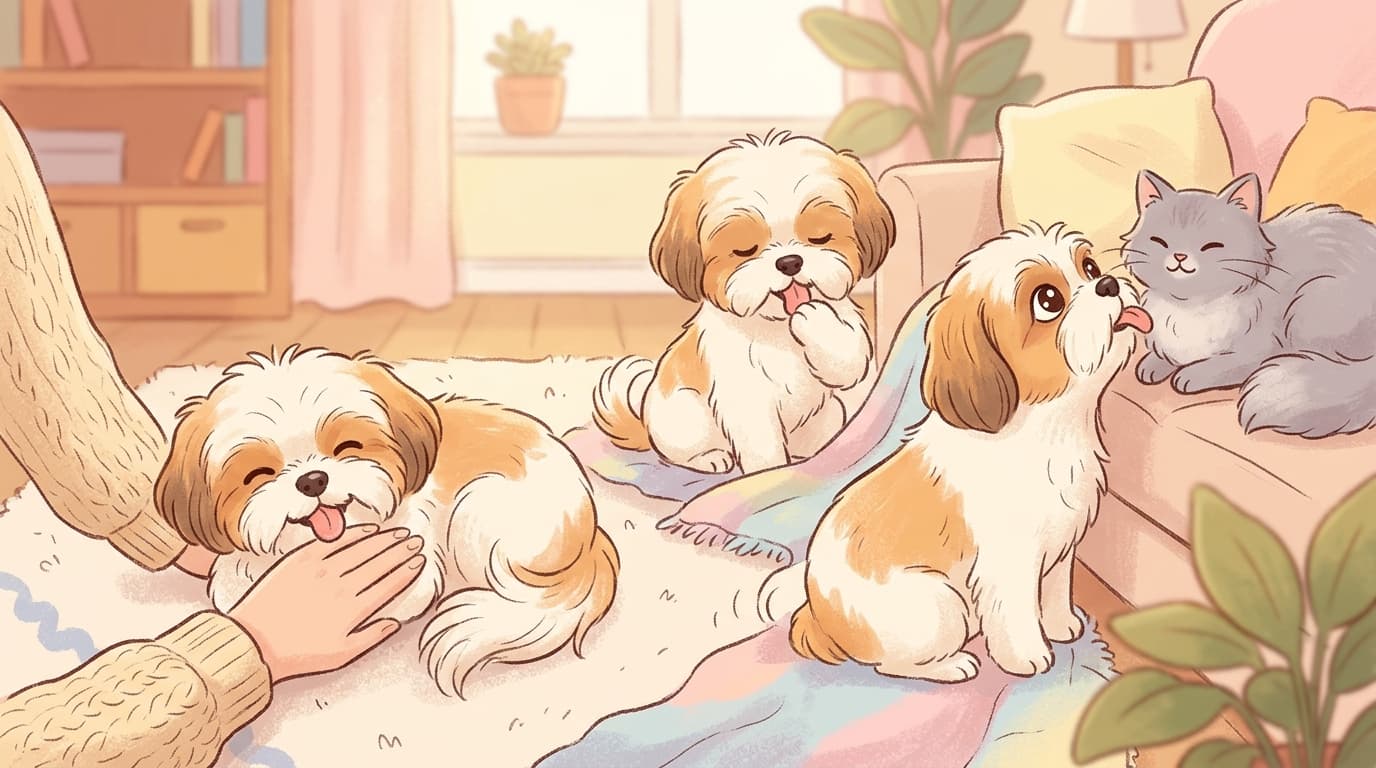
If you live with a Shih Tzu, you’ve probably accepted that your dog’s love language might be… licking. Hands, faces, blankets, the couch—sometimes even the air. Shih Tzus lick so much for a mix of sweet, silly, and occasionally concerning reasons.
1) Affection and bonding (the classic Shih Tzu “kiss”)
One of the biggest reasons Shih Tzus lick so much is simple: they adore you. Licking is a social behavior dogs learn early, and it can be a way of saying, “You’re my person, I feel safe with you.”
Shih Tzus were bred to be companion dogs, so closeness is kind of their whole thing. If your dog climbs into your lap and starts licking your fingers like they’re checking in, that’s often bonding in real time.
2) Attention-seeking (because it works)
Most pet owners don’t realize how quickly dogs connect actions with outcomes. If licking makes you laugh, talk to them, pet them, or even gently push them away while making eye contact, your Shih Tzu may file that under: “Success.”
Over time, the licking becomes a habit because it reliably gets a response. Even “Stop it!” can feel rewarding if what your dog wanted was your attention.
3) Exploring the world through taste and smell
Dogs don’t experience the world the way we do. Your skin carries scents, traces of whatever you touched, and tiny hints of your environment—basically a whole news feed for your dog.
Licking is one way Shih Tzus gather information up close. If you’ve ever come home and your dog immediately starts licking your hands or ankles, they may be “reading” where you’ve been.
4) Self-soothing when they feel stressed or anxious
Shih Tzus lick so much sometimes because it helps them calm down. Repetitive behaviors can be soothing for dogs, especially during stress, loneliness, or changes in routine.
If you notice licking ramps up during thunderstorms, when guests arrive, after you leave the house, or at bedtime, it may be your dog’s way of regulating their emotions. It can look affectionate, but the timing and intensity often tell the real story.