
Cat Headbutting (Head Bunting) Explained: What Your Cat Is Really Telling You
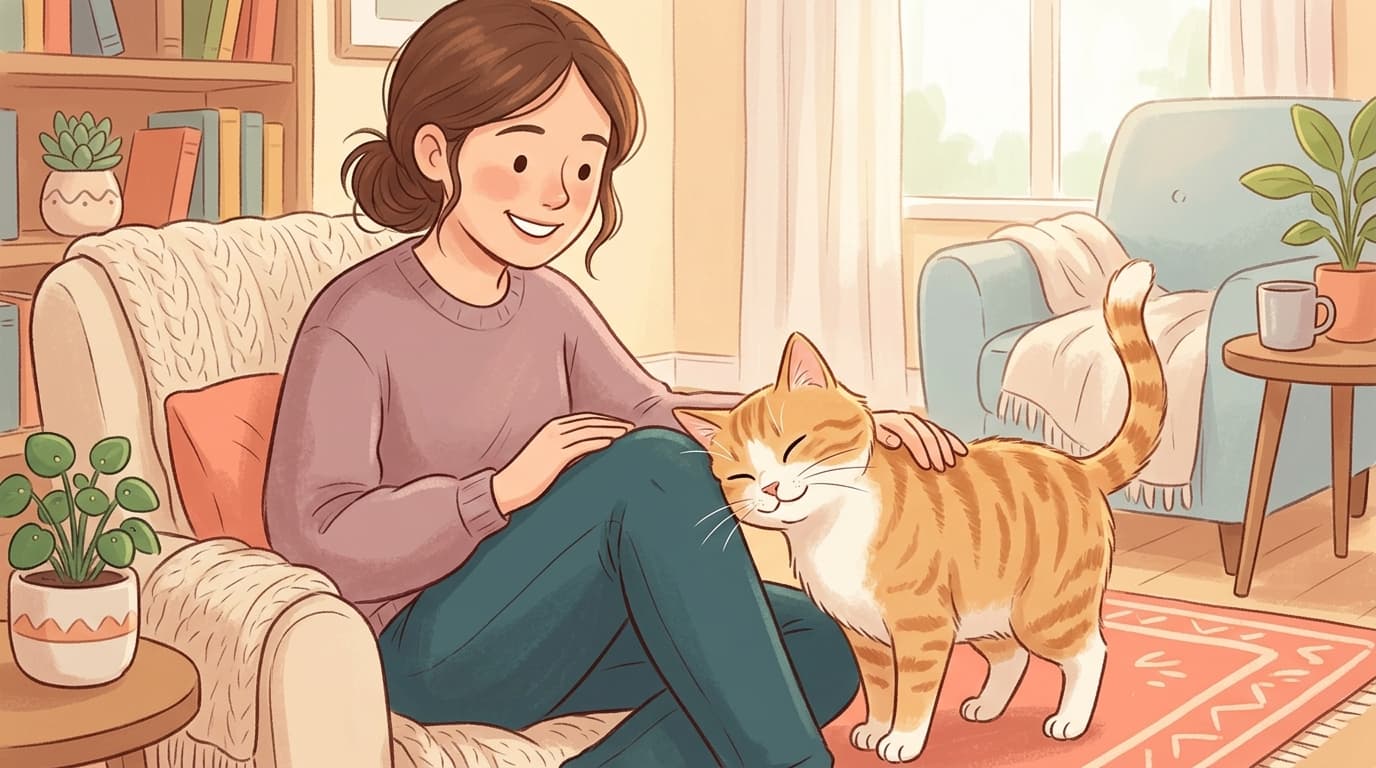
Your cat gently bonks their head against you, and it’s so random you almost move away. Don’t. In cat language, that little “headbutt” is one of the sweetest compliments you can get.
What cat headbutting (head bunting) actually is
That soft bump and rub has a name: head bunting (sometimes called “head banting”). It’s not your cat being pushy or trying to boss you around. It’s a social gesture cats use with the beings and places that make them feel safe.
If you’ve ever noticed your cat rubbing their cheeks on the sofa corner, a doorframe, or your legs, you’ve already seen the same behavior in a different setting.
Why cats do it: scent glands and “you’re in my safe zone”
Cats are territorial in a very practical way: they like their world to smell familiar. They have scent glands around the head, cheeks, and chin, and rubbing those areas on things helps them spread their scent.
On furniture or objects, this is partly about creating a comforting “home base” smell. But when the target is you, it becomes much more personal.
The hidden meaning: trust, affection, and belonging
A cat doesn’t headbutt just anyone. When your cat rubs their head on you, they’re essentially sharing their scent with you—think of it as a feline way of saying:
- “I trust you.”
- “I feel secure with you.”
- “You’re part of my inner circle.”
Most pet owners don’t realize this is also a kind of quiet bonding ritual. Your cat is choosing closeness, and that’s a big deal for an animal that values control over their space.
Signs your cat is extra happy while headbutting
Head bunting on its own is already a great sign, but it’s even more meaningful when it comes with other relaxed body language. If your cat headbutts you and also:
- holds their tail up
- purrs
- slow blinks or squints
- rolls over and shows their belly
…you’re looking at a cat who feels calm, safe, and genuinely content around you.
How to respond (so you don’t accidentally shut down the moment)
When your cat headbutts you, the best response is simple: accept it and answer gently.
Try:
- soft petting on the head
- gentle strokes along the chest
- light pets down the back
The goal is to keep it calm and friendly, not overstimulating. You’re basically replying, “I’m safe too, and I trust you back.”
A tiny “silent conversation” that builds your bond
Head bunting is one of those small everyday moments that quietly strengthens your relationship. So the next time your cat gives you that little forehead bump, pause and enjoy it—you’ve just been welcomed into their trusted circle.
Meta description: If your cat bumps their head into you, it’s a trust signal. Learn what head bunting means and how to respond.
Continue reading
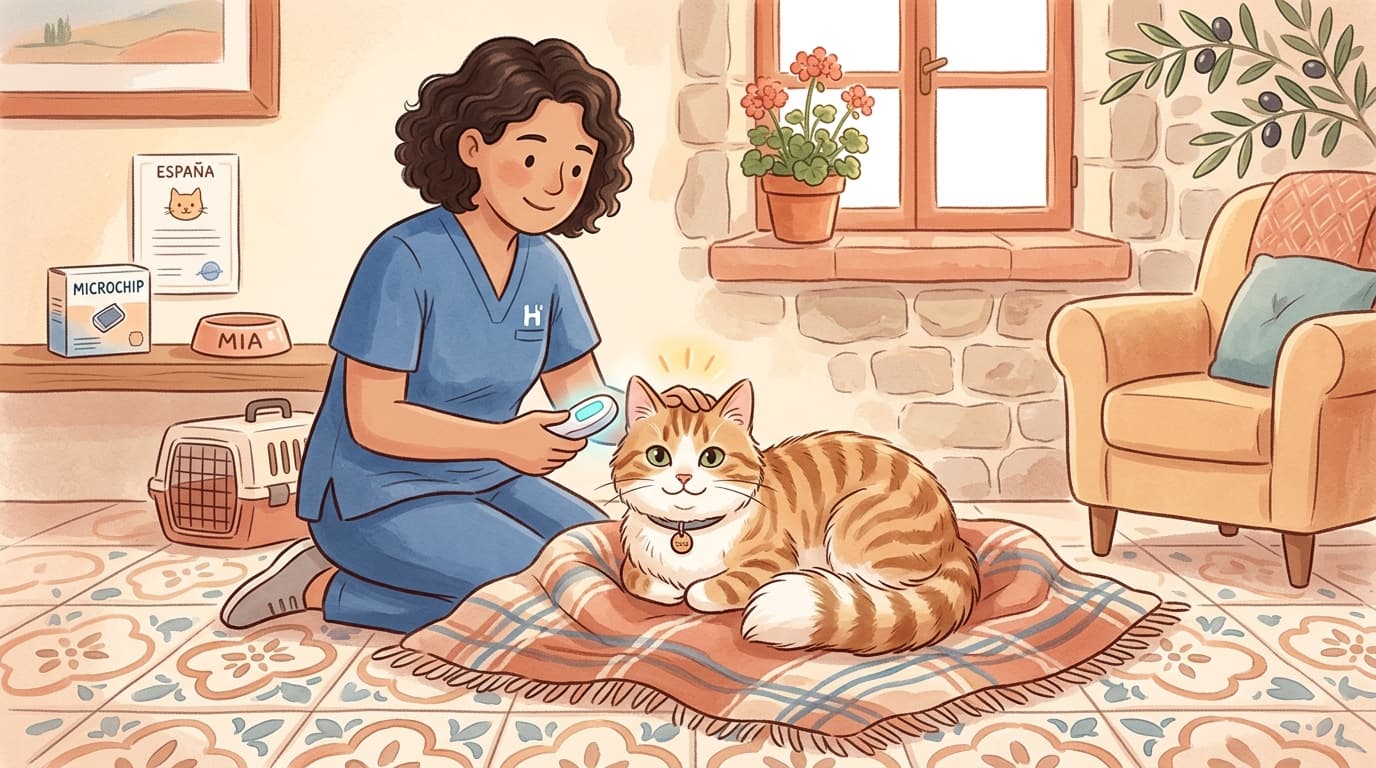
Microchipping Cats in Spain: What the Law Requires (and What Happens If You Skip It)
Spain now requires microchips for all cats. Learn what the law says, possible fines, and how microchipping works.
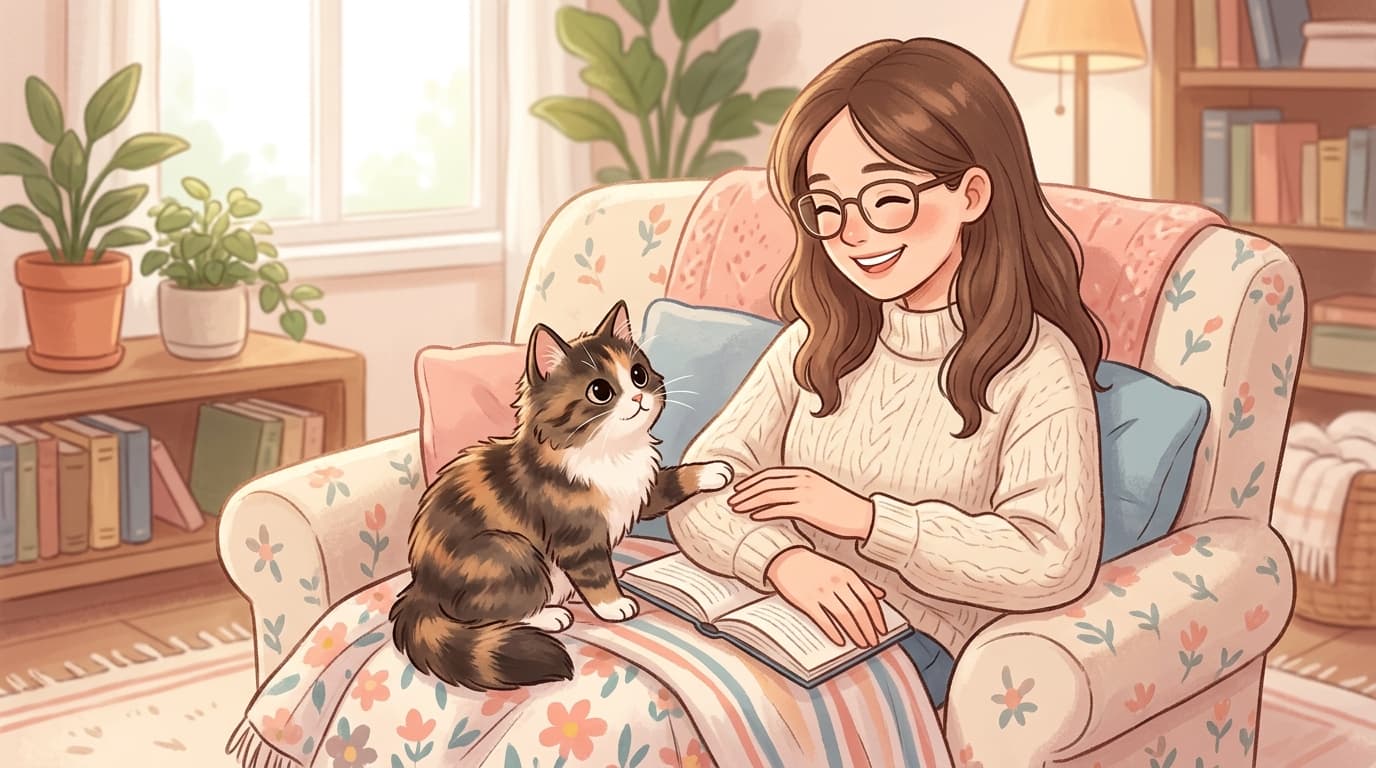
Why Your Cat Puts a Paw on You: 5 Real Messages Hiding in That Tiny Tap
That gentle paw tap isn’t always affection. Here are 5 common reasons cats place a paw on you—and what to watch for.
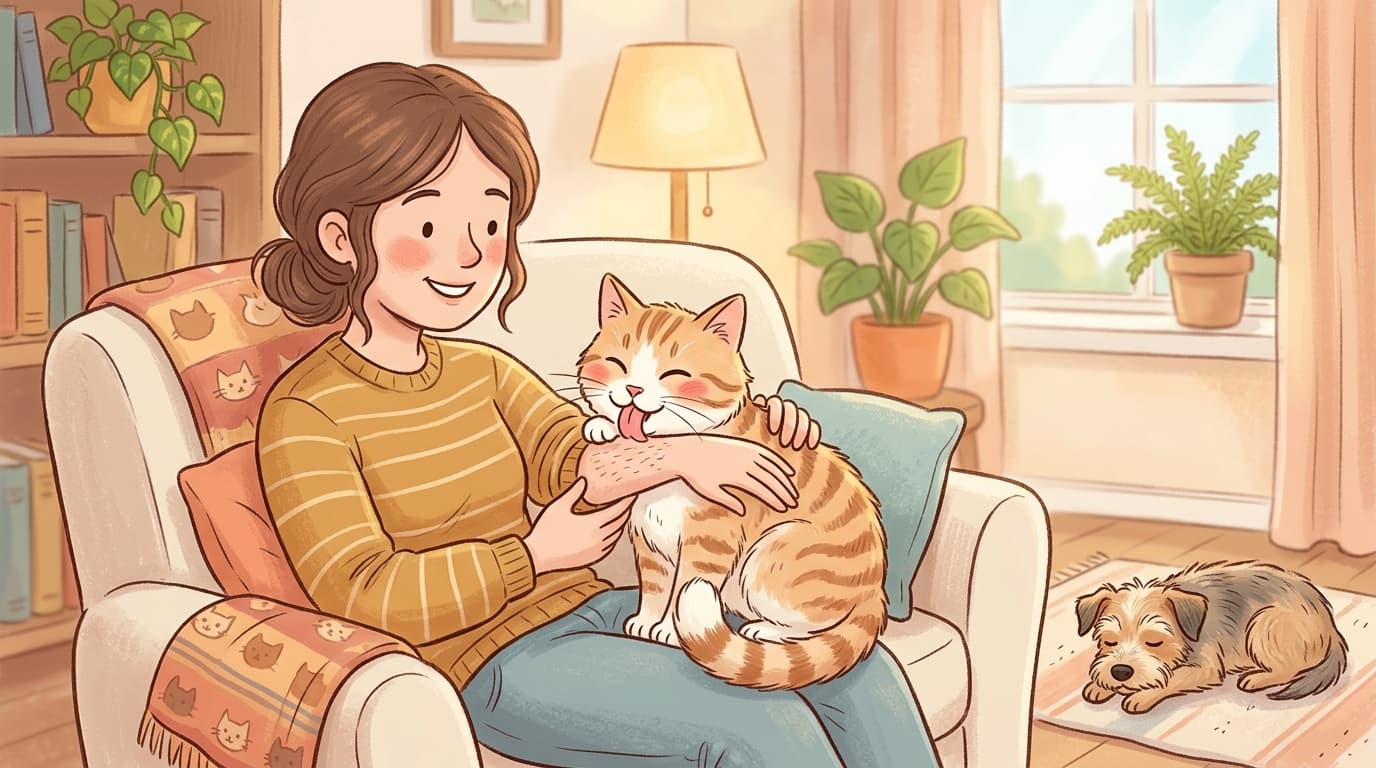
Why Your Cat Licks You (And Why It’s Not Always About Love)
Cat licking isn’t just affection—it can be scent-marking, bonding, stress-soothing, or even checking on you. Here’s what it means.