7 Dog Body Language Signals Most Owners Miss (And What Your Dog Is Really Saying)
You can live with a dog for years and still miss the biggest messages they send you every day. Not because you don’t care—because life is loud and their language is quiet.
Once you start noticing a handful of dog body language signals, your whole relationship shifts. You stop guessing. You start responding.
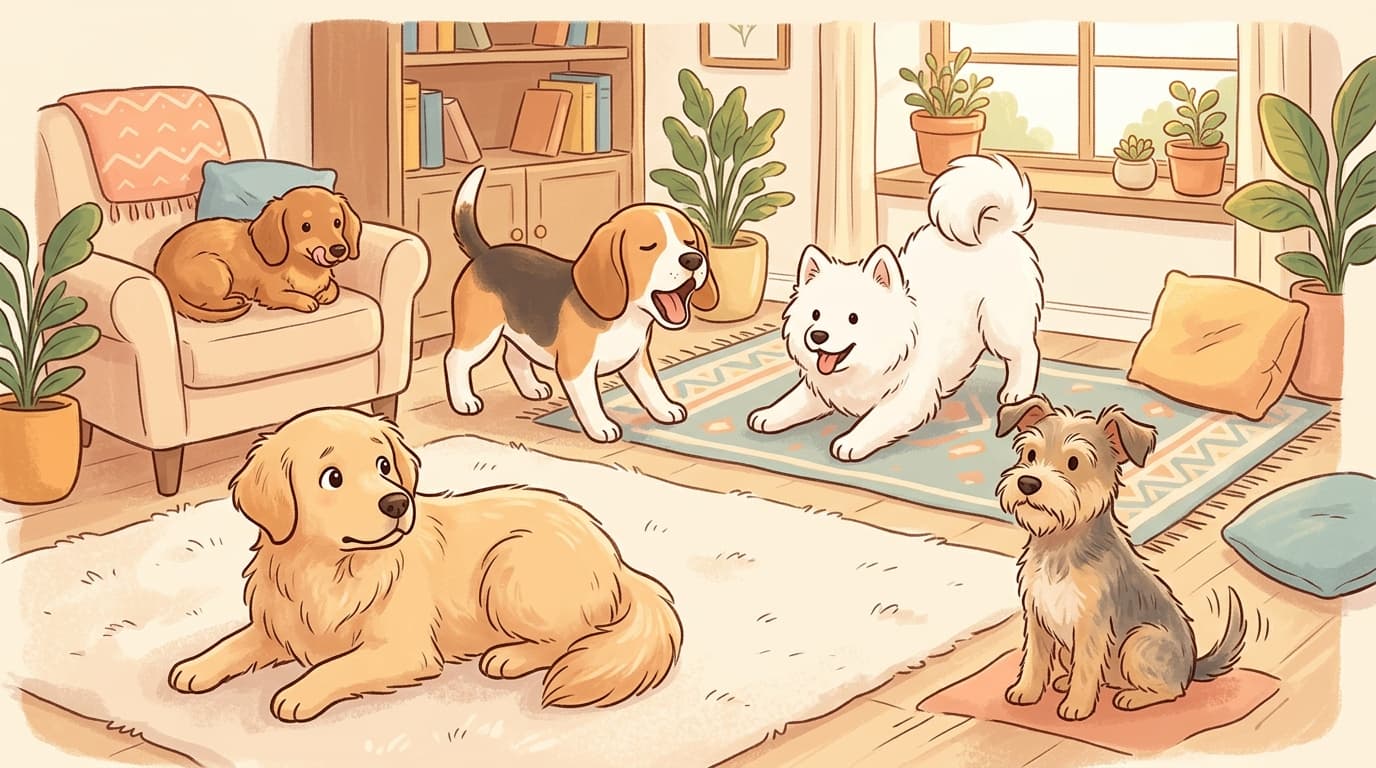
Dog body language signal #1: The “stretch” that’s actually an invitation (the play bow)
That classic move—front legs down, butt up—looks like a simple stretch. But most of the time, it’s a social signal aimed directly at you.
Dogs tend to do it when you’re present and paying attention, not when they’re alone staring at a wall. It’s their way of saying, “You. Right now. Let’s connect.”
What your dog needs from you: a tiny response. Thirty seconds of eye contact, a cheerful word, a quick game, a gentle touch. If you’ve ever noticed your dog bow and then pause like they’re waiting, that little pause is the whole point.
Dog body language signal #2: Sitting in the bathroom doorway
Some dogs plant themselves outside the bathroom like it’s their job. It can look clingy, but it often comes from deep, old instincts about separation and vulnerability.
Closed doors are weird in a dog’s world. They can’t “reason” their way through why you disappeared behind a barrier, so they choose the next best option: stand guard and wait.
What your dog needs from you: reassurance, not annoyance. A calm “I’m here,” a soft glance, or letting them sit nearby without shooing them away can mean a lot.
Dog body language signal #3: The head tilt (and why it’s not just “cute”)
That head tilt can melt you on sight—and yes, it’s adorable. But it can also be a sign your dog is working hard to understand you.
Many dogs tilt when they’re trying to process meaning: your tone, your facial expression, the familiar words inside a sentence. It’s less “Huh?” and more “I’m concentrating.”
What your dog needs from you: clarity and patience. Use the same words for the same things, keep your tone consistent, and give them a beat to figure you out.
Dog body language signal #4: The long, slow exhale (the “reunion sigh”)
Not every sigh is frustration. Sometimes your dog flops down near you and releases a long, slow breath that seems to empty their whole body.
That’s often a sign of emotional settling—tension dropping, nerves calming, the feeling of “Okay, you’re here. I can relax now.” Most pet owners don’t realize how much some dogs hold it together while they wait for their person to come back.
What your dog needs from you: calm presence. Sit with them for a moment, let the greeting be gentle, and allow the reunion to land.
Dog body language signal #5: Bringing you “gifts” (shoes, socks, toys, random leaves)
If your dog greets you by delivering a shoe, it’s easy to assume they’re asking for play—or being a little menace. But bringing objects can be a way to manage big feelings.
Some dogs channel excitement into “I must carry something.” And items that smell strongly like you (hello, shoes) can be especially meaningful.
What your dog needs from you: acknowledgment. You don’t have to throw the slobbery toy, but do notice the offering. A warm “Thank you,” a quick pet, or trading for an appropriate toy can keep the moment positive.
Dog body language signal #6: Sitting next to you… then turning their back
This one throws people off. Your dog comes close, settles in, and then faces away—almost like they’re snubbing you.
In dog logic, turning their back is often the opposite of rejection. It can be a trust move: “I feel safe enough with you that I don’t need to keep my eyes on you.” If your dog regularly rests with their back against your leg or hip, that’s a quiet vote of confidence.
What your dog needs from you: respect for the trust. A gentle hand on their back, slow strokes, or simply staying still so they can fully relax.
Dog body language signal #7: How your dog sleeps near you
Sleep positions are like little paragraphs in your dog’s comfort language.
- Pressed against you: you’re the safe zone.
- Facing the door: they’re keeping watch.
- Back to you: they trust you to handle what they can’t see.
- Head near yours (or on your pillow): they’re seeking closeness, not just warmth.
If your dog suddenly stops sleeping near you, it’s worth paying attention—not to panic, but to get curious. Something about the environment, routine, or comfort level may have shifted.
What your dog needs from you: a safe, consistent resting spot and the feeling that closeness is welcome.
The 3-second habit that strengthens your bond fast
Try this tonight (or the next time you walk in the door): before you reach for your phone, give your dog three seconds of full attention—get to their level, make gentle eye contact, and take one slow breath.
It’s small, but it tells your dog’s nervous system, “We’re together. You matter.” And once you start doing it, you’ll notice how quickly they soften.
A simple takeaway
Your dog is communicating all day long, and most of it isn’t loud or dramatic—it’s subtle, steady, and unbelievably sincere. Notice one signal this week and respond on purpose.
You don’t need perfect training or a complicated routine. You just need to see your dog clearly.
Meta description: From play bows to back-turn trust, learn 7 dog body language signals that reveal what your dog needs from you.
Continue reading

16 Five-Second Habits That Make Your Dog Feel Truly Loved (No Treats Required)
These 16 tiny, five-second habits help your dog feel safe, seen, and deeply loved—without extra toys, treats, or long walks.

Is Your Dog Guarding You While You Sleep? 8 Nighttime Signs They’re Watching Over You
From sleeping facing the door to silent sound checks, these nighttime habits can mean your dog is keeping watch while you rest.

Why Your Dog Licks You Every Day (And What It Really Means)
Daily dog licking isn’t about salt or snacks. It’s bonding, comfort, and pack love—plus 14 other signs your dog adores you.