Dog Poop DNA Testing: How Cities Identify Owners Who Don’t Pick Up
Some cities match dog poop DNA to a registry and fine owners who don’t scoop. Here’s how it works, costs, and limits.
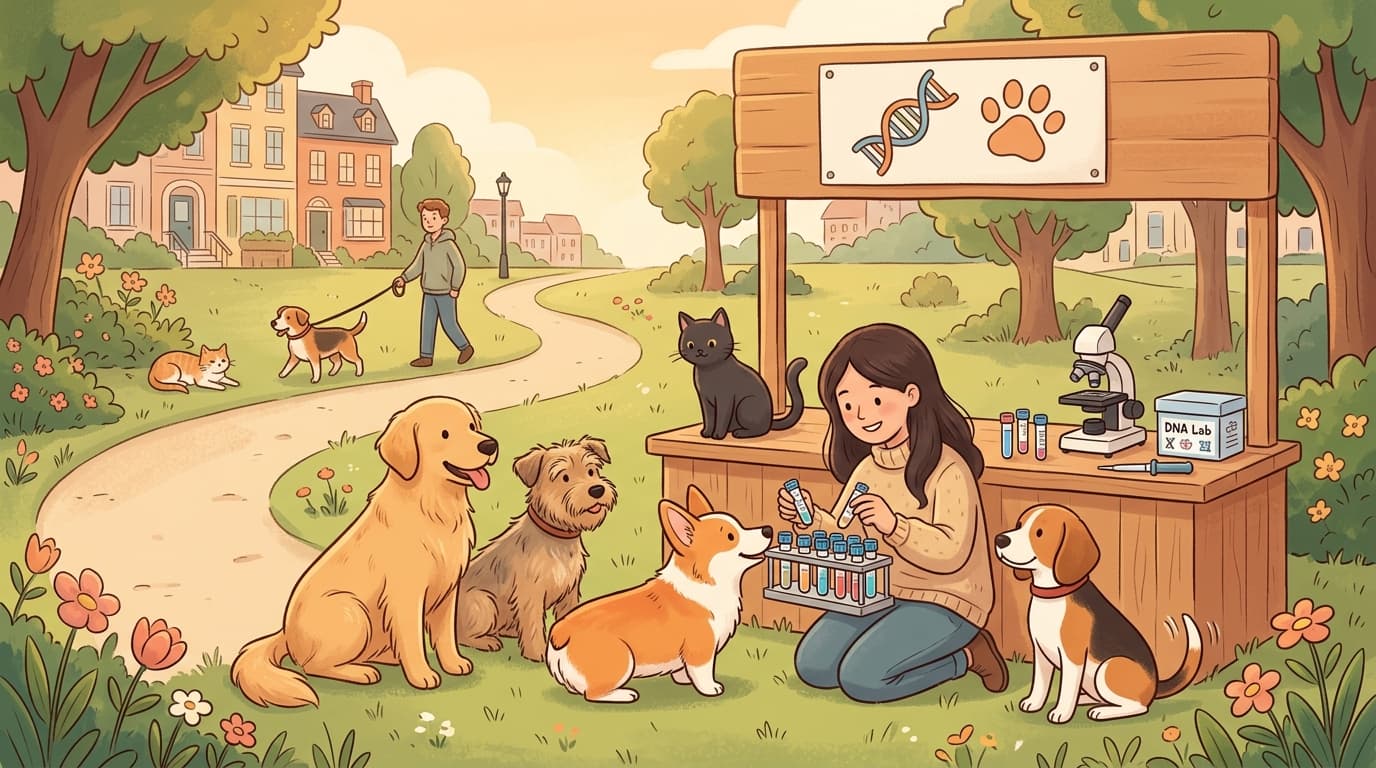
More and more dog owners are learning the hard way that “nobody saw me” doesn’t always matter anymore. In dozens of cities, dog poop DNA testing can link a pile left on the sidewalk straight back to your dog—and to you.
What is dog poop DNA testing (and why cities use it)
Dog poop DNA testing is exactly what it sounds like: municipalities build a DNA registry of local dogs so they can identify who didn’t pick up after their pet. The goal is simple—cleaner streets, fewer arguments between neighbors, and a real consequence for repeat offenders.
Most pet owners don’t realize how easy it is for a city to treat a random poop sample like evidence. If the DNA matches a registered dog, the fine goes to the person responsible for that dog.
How the canine DNA registry works
The process starts with registering your dog’s genetic profile:
- You take your dog to a participating veterinarian.
- A saliva sample is collected (usually a quick mouth swab).
- The sample is sent to a lab that creates your dog’s genetic profile.
- That profile is stored in a municipal database.
Later, if dog poop is found on the street, it can be collected and analyzed. The lab looks for a match between the DNA in the feces and the DNA profiles in the city database. A match typically means the owner gets fined.
The real costs (and the “per dog” detail)
In the places using this system, registering your dog’s DNA usually costs around €33–€45, depending on the municipality. And yes—if you have two dogs, you pay twice; three dogs, three times.
That can feel annoying, especially if you already scoop every time. But cities treat the registry like a tool that only works if most dogs are included.
Moving to a new city can mean paying again
One big limitation: there isn’t a single national database covering everywhere. These registries are municipal.
So if you move, your dog’s DNA profile doesn’t automatically follow you. You may have to re-register and pay again in your new city, because the local council needs your dog in their own system.