
Pine Processionary Caterpillars and Dogs: Symptoms, First Aid, and How to Avoid a Scary Emergency
Learn pine processionary caterpillar symptoms in dogs, what to do immediately, and how to prevent dangerous contact on walks.
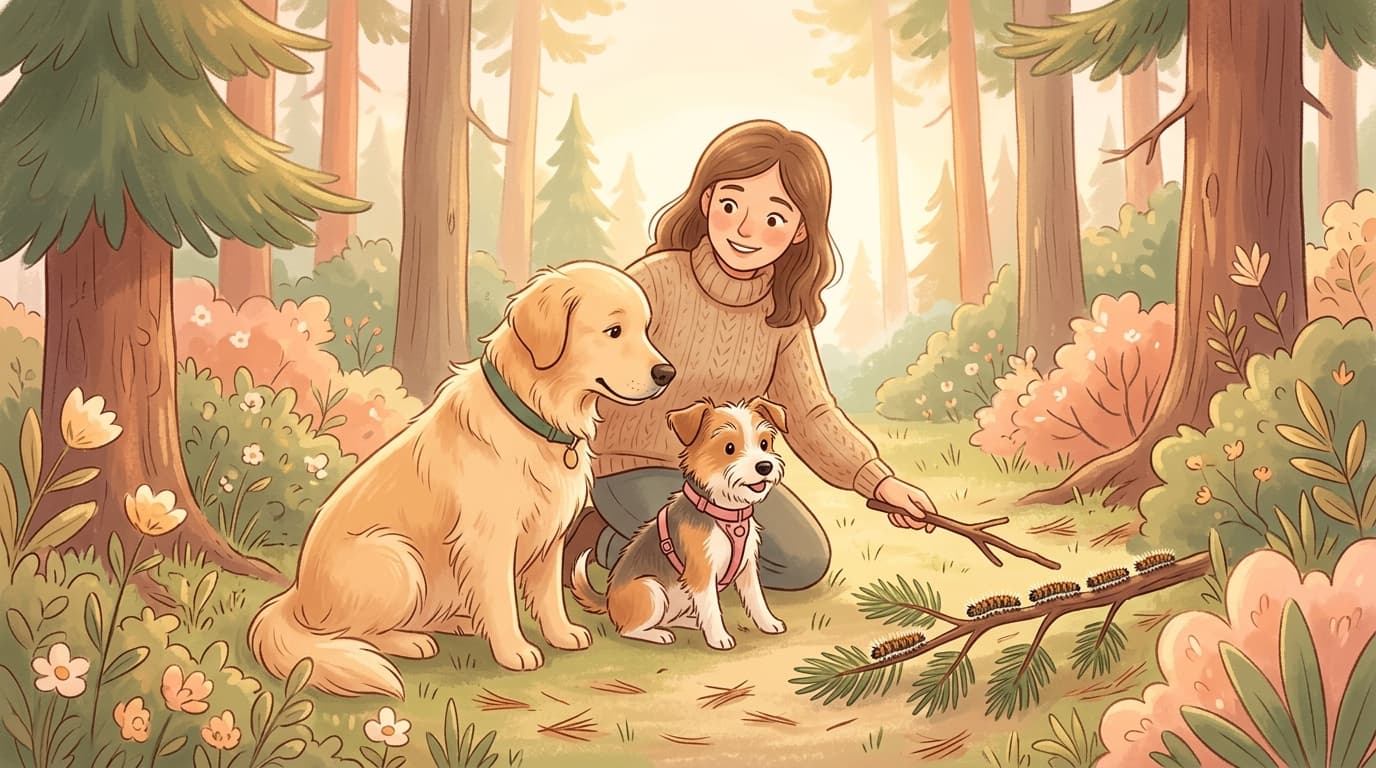
A tiny caterpillar can turn a normal walk into a real emergency in minutes. Pine processionary caterpillars are a serious danger for dogs—especially the curious ones who sniff everything in sight.
What a pine processionary caterpillar is (and why dogs get into trouble)
Pine processionary caterpillars are commonly found in and around pine forests. They spend the colder months tucked into nests and tend to show up when spring arrives—but many pet owners are noticing them earlier each year.
One reason they’re so recognizable is how they travel: often in a nose-to-tail line across the ground. If you’ve ever spotted what looks like a moving “string” of caterpillars on a path, that’s the classic warning sign.
The danger isn’t a bite or a sting in the usual sense. These caterpillars are covered in irritating hairs, and when they feel threatened, they release them. A dog that leans in to sniff (or, worse, mouths one) can end up with those hairs embedded in the skin or tongue.
Why pine processionary caterpillars are so dangerous
Those tiny hairs can lodge into your dog’s skin and mucous membranes and release a highly toxic substance. That’s what triggers the intense reaction.
Most pet owners don’t realize the hairs can cause damage even without the dog actually eating the caterpillar. Just getting close enough to investigate can be enough.
Pine processionary caterpillar symptoms in dogs
Signs can show up quickly. Watch for:
- Excessive drooling
- Swelling and inflammation (especially around the mouth)
- Skin irritation
- Ulcers
- Intense scratching
- Nervousness or agitation
- Breathing difficulties
- General discomfort
- Tongue color changes (red, purple, or black)
In severe cases, poisoning can occur. The tongue can begin to die back (necrosis), and swelling can become so serious it blocks the airway. This is why quick action matters.
What to do immediately if your dog touches or mouths one
Your top priority is getting to a veterinary clinic as soon as possible.
If you truly can’t get there right away, you can take emergency steps to reduce exposure—carefully.
1) Protect yourself first
Put on gloves before you touch anything. Those irritating hairs can affect you too.
2) Remove the caterpillar and any visible hairs
If you can see the caterpillar or hairs on your dog, remove them carefully while wearing gloves.
3) Rinse with hot (not scalding) water—never rub
Pour hot water over the affected area, but make sure it’s not hot enough to burn. Do not rub, scrub, or apply pressure, since that can push hairs in deeper.
Heat can help inactivate the toxin, but it won’t undo the damage already done—so this is a first-aid step, not a complete fix.
4) If the tongue is affected, don’t let your dog swallow the water
This part is tricky and important. If the problem is on the tongue, you don’t want your dog swallowing water that may carry hairs.
A safer approach is to use gauze soaked in hot water and wipe from the inside out. Replace the gauze repeatedly, because hairs can stick to it—and you don’t want to accidentally reintroduce them onto the tongue.
How to prevent pine processionary caterpillar accidents on walks
Prevention is mostly about awareness and route choices:
- Be extra cautious during the seasons they’re active (often spring, sometimes earlier)
- Avoid areas with lots of pine trees if you’re seeing caterpillars locally
- Watch the ground for “processions” (the telltale line)
- Check your dog after walks, especially around the mouth, paws, and face
If you’ve ever noticed your dog vacuuming up smells along a trail like it’s their full-time job, you already know how fast trouble can happen. A little extra scanning during walk time can spare your dog a painful, dangerous encounter.
The takeaway
Pine processionary caterpillars are small, common in pine areas, and genuinely hazardous for dogs. Learn the symptoms, act fast if exposure happens, and choose your walking spots wisely—your dog will still get a great adventure, just a safer one.
Continue reading

Can Dogs Eat Avocado? The Real Risks (And Safer Fruit Choices)
Avocado isn’t the best snack for dogs. Learn the risks of the pulp, pit, and skin—and which fruits are safer instead.

Dogs and Humans: The 16,000-Year Friendship That Started With Wolves
New DNA evidence shows dogs have been by our side for over 16,000 years—longer and wider across Eurasia than we thought.

Dogs Have Been By Our Side for Over 16,000 Years: What DNA Reveals About Our Oldest Pet Bond
New DNA research suggests dogs have lived alongside humans for 16,000+ years—much earlier than we thought.