Why Dogs Are So Loyal to Humans: Evolution, Oxytocin, and the Pack Mindset
Dogs’ loyalty isn’t magic—it’s evolution, brain chemistry, social instincts, and daily routines that turn you into their safe place.
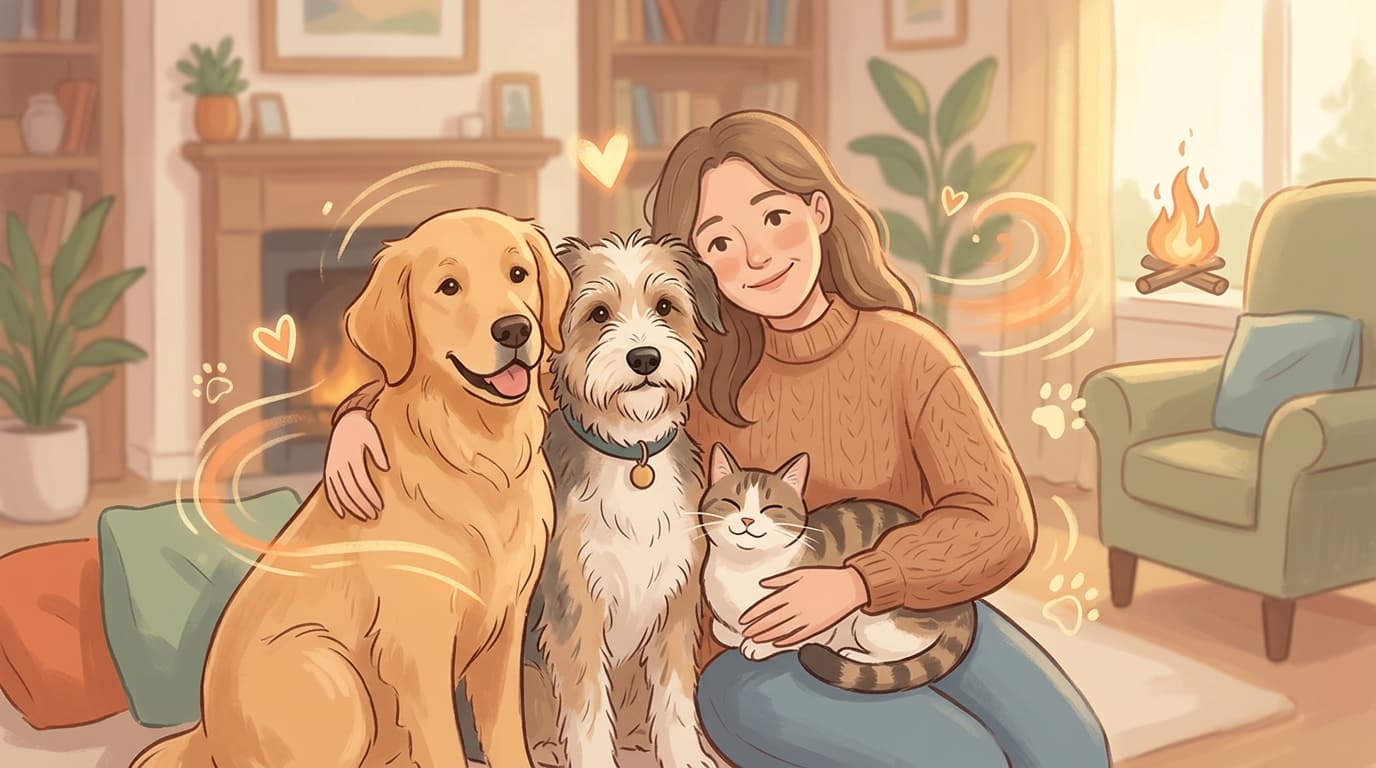
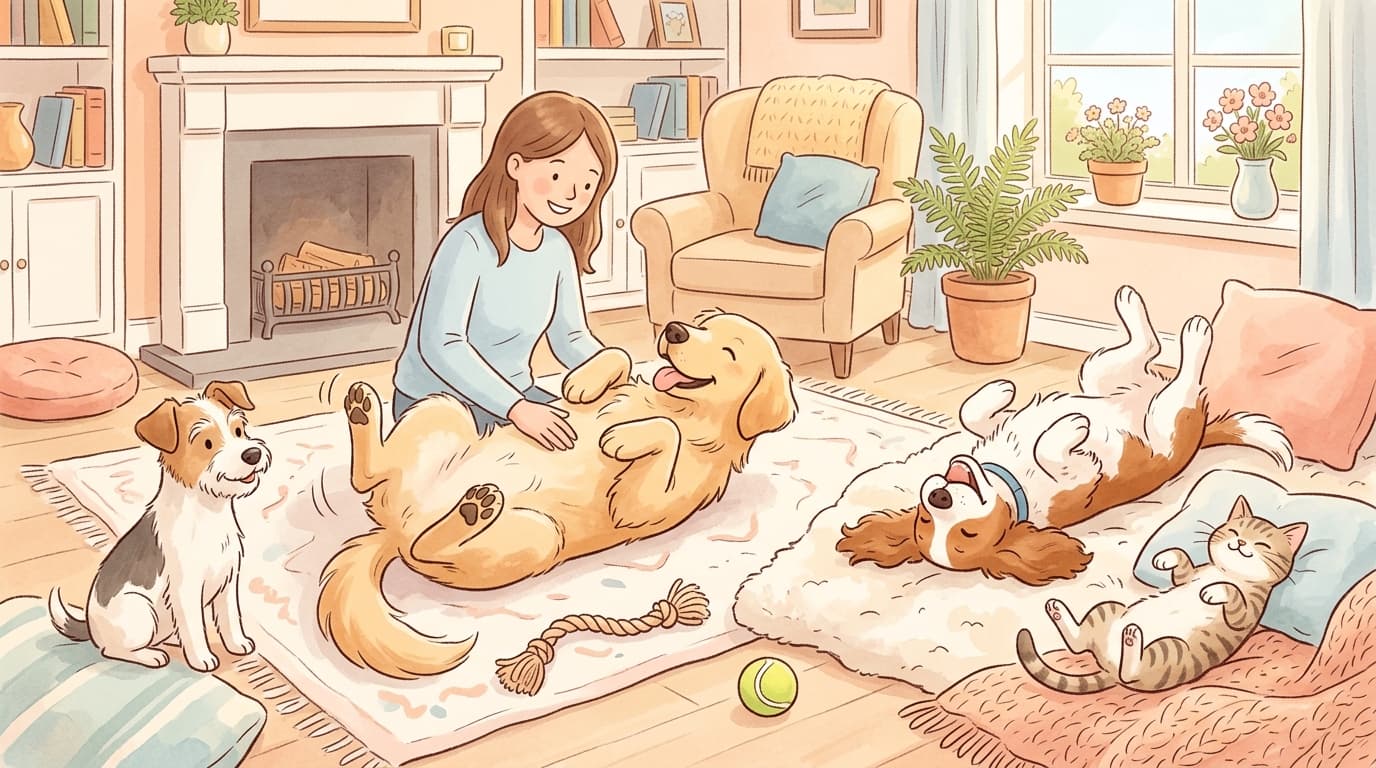
Dogs have a reputation for sticking by your side no matter what—sometimes even more devoted to you than to other dogs. That kind of loyalty can feel almost magical, but it’s actually built from thousands of years of partnership, plus a brain that’s wired to bond.
Dogs evolved with humans, not just alongside us
A big part of dog loyalty comes from history. Long ago, some wolves were a little less wary and bold enough to approach human camps for scraps. The calmer, more cooperative ones benefited most—more food, more safety, more chances to survive.
Over generations, that natural “selection” created animals that were better at living with people. Dogs didn’t simply get used to humans; they gradually became specialists at fitting into our world. The dogs most inclined to bond with humans were also the ones most likely to thrive.
Dog loyalty is boosted by oxytocin (yes, in both of you)
One of the clearest scientific explanations for why dogs are so loyal to humans comes from neuroscience.
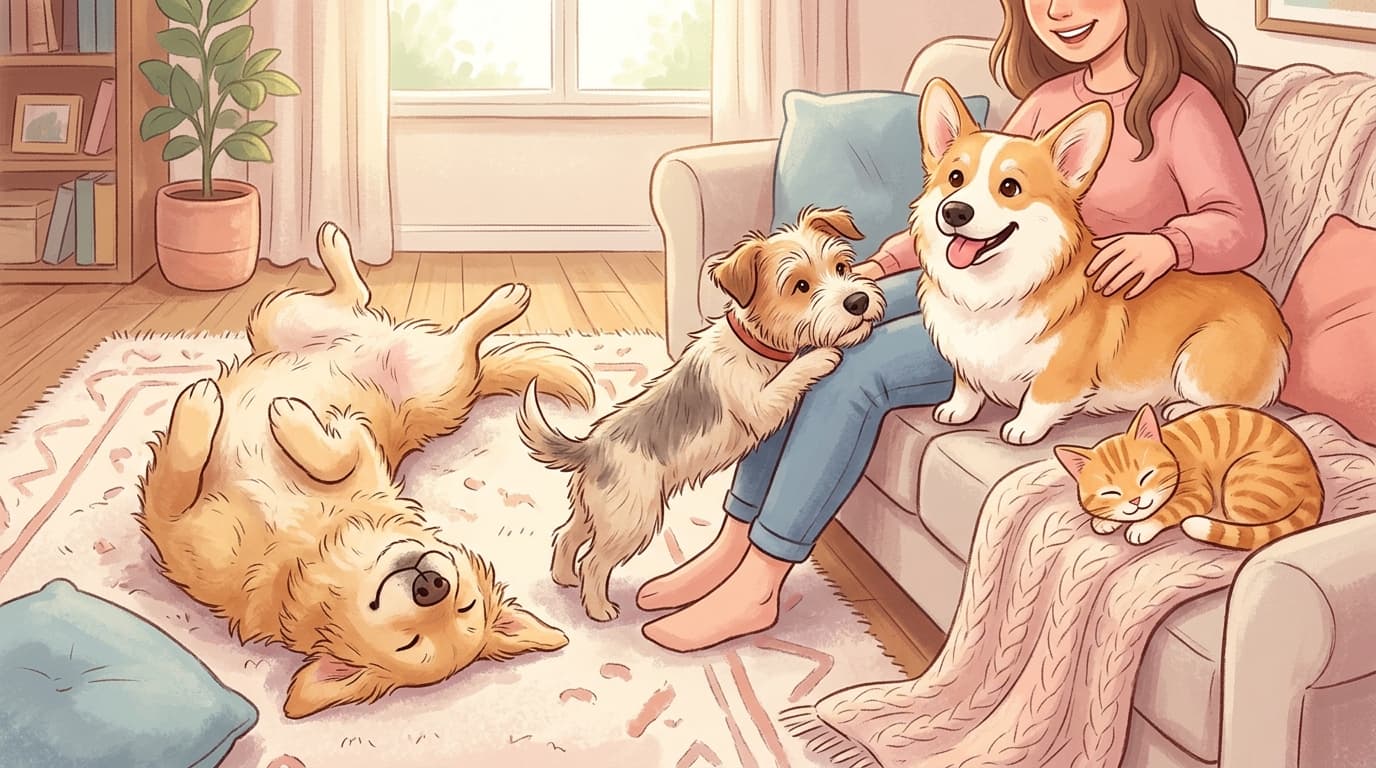
When you interact with your dog—petting, playing, cuddling, even making soft eye contact—both of you can release oxytocin. That’s the same hormone tied to bonding between human parents and babies. In simple terms, your dog’s brain “rewards” connection with you.
If you’ve ever noticed your dog gazing at you like you’re the most fascinating thing in the room, that look isn’t just cute. It can be part of a chemical loop that reinforces attachment: your presence becomes linked with comfort and safety.
Your dog treats you like their pack
Dogs come from social, cooperative ancestors. Pack living wasn’t optional—it was survival. In a pack, loyalty and trust matter because hunting, protection, and raising young depend on teamwork.
Modern dogs still carry that social blueprint, but now you’re the pack.
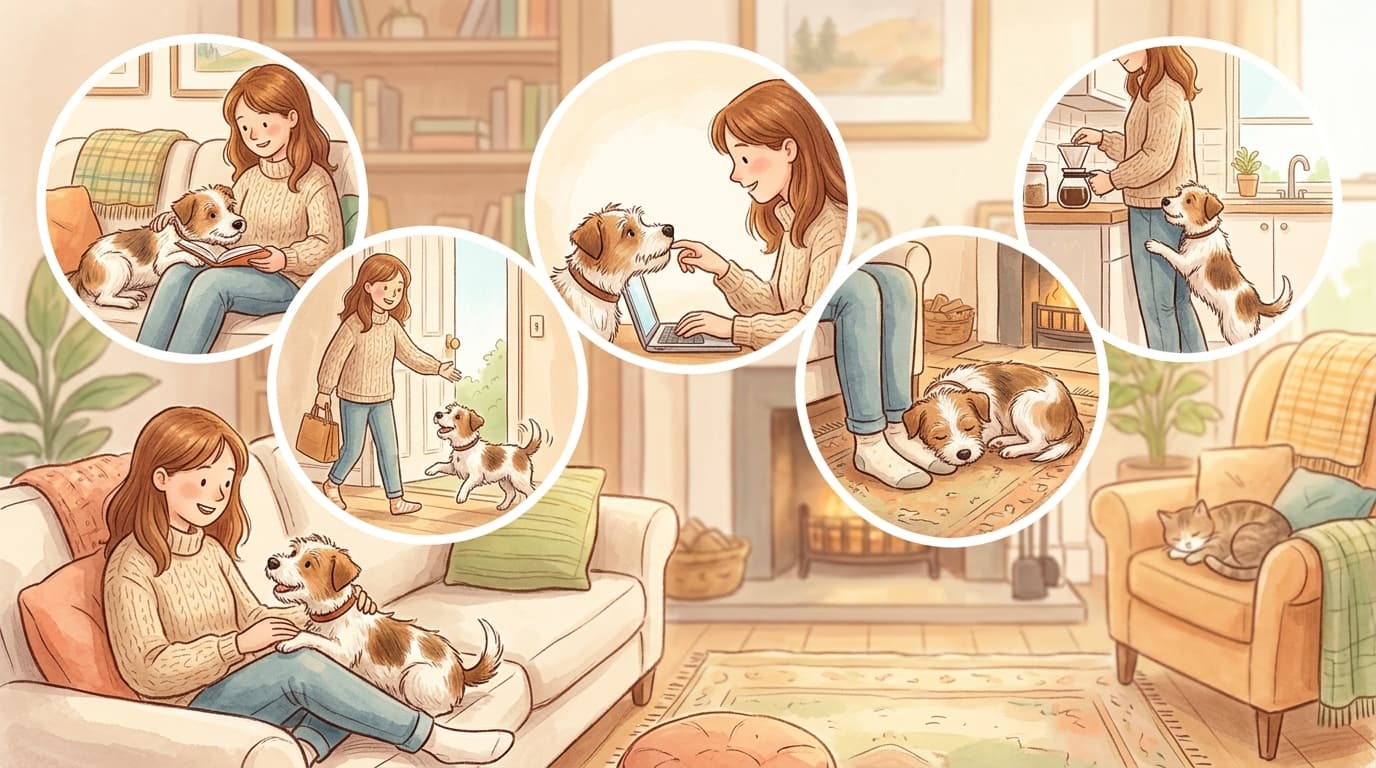
That’s why so many dogs:
- follow you from room to room
- check in on you frequently
- get uneasy when you leave
- relax most when you’re nearby
From your dog’s perspective, staying close to you isn’t clingy—it’s smart. Near you equals security.