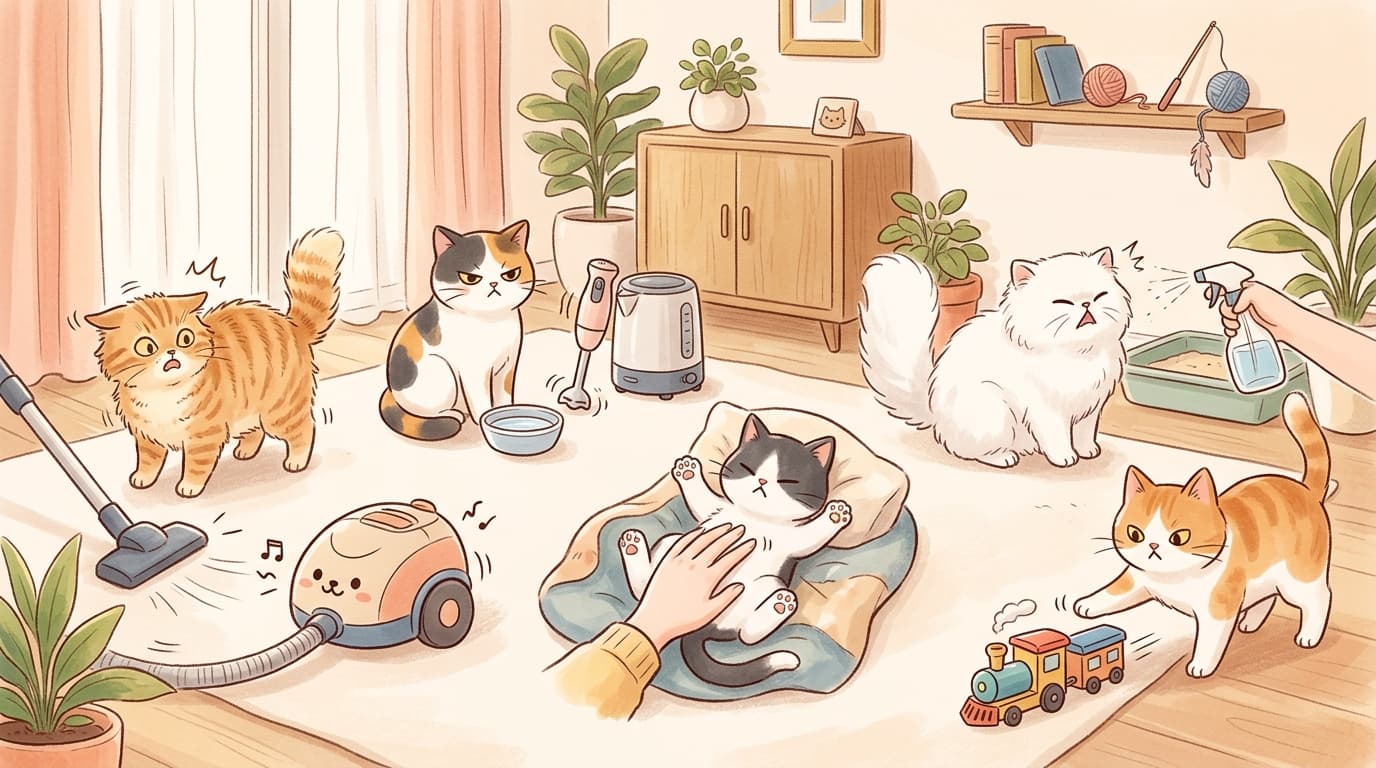
5 Quiet Things Your Cat Has Been Waiting for You to Do (That Build Real Trust)
Your cat craves more than food and toys. Try these 5 small, quiet habits to build trust and make your cat feel truly safe.
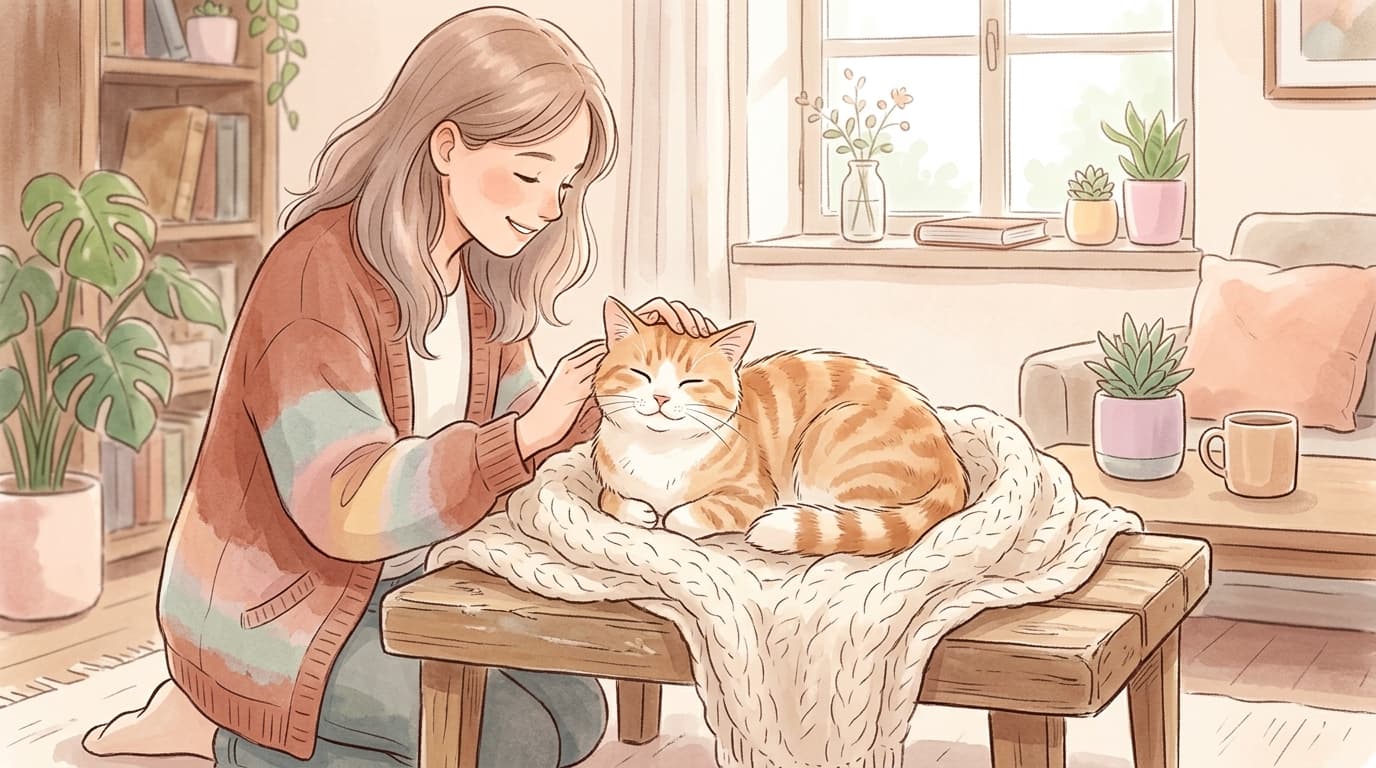
You can buy the fanciest food, keep the litter spotless, and still miss the one thing your cat wants most: a daily sense of safety and respect. Most pet owners don’t realize how often cats ask for this in tiny, silent ways.
Your cat isn’t just living in your home—your cat is learning you. The sound of your keys, the way you walk when you’re tired, the energy you bring into a room. And based on all that, your cat keeps waiting for a few simple signals that say, “I see you. I respect you. You’re safe with me.”
1) Give your cat “legal” high places
If you’ve ever found your cat on top of the fridge or perched on the highest shelf like royalty, you’ve seen a deep instinct in action. Height isn’t your cat being naughty. It’s your cat choosing a spot that feels secure.
From up high, your cat can watch what’s happening before anything surprises them. That’s why constantly shooing them down can unintentionally send the message that their comfort doesn’t matter.
Try this instead:
- Clear a top shelf or the top of a sturdy cabinet and make it a cat-approved zone.
- Add a tall cat tree or climbing tower where your cat can reach the “top” safely.
- Treat that spot like your cat’s seat—your home’s little lookout point.
When cats have a trusted perch, many become noticeably calmer. They hide less, they start observing instead of worrying, and the whole house feels more predictable to them.
2) Practice the “do nothing” test
This is where humans mess up with the best intentions. Your cat sits near you—close, but not touching—and you immediately reach out to pet them. Totally normal for us.
For your cat, that quiet moment might have been a trust test: “Can I relax near you without being grabbed, interrupted, or crowded?”
Physical contact is a big deal to cats. Touch means vulnerability. So when your cat chooses to sit nearby without asking for petting, the kindest move is often… no move at all.
What to do:
- Stay still for a moment.
- Let the silence sit between you.
- Wait for your cat to close the distance, or clearly invite contact.
The more you show your cat you won’t invade their space automatically, the more your cat learns you’re safe to be around.
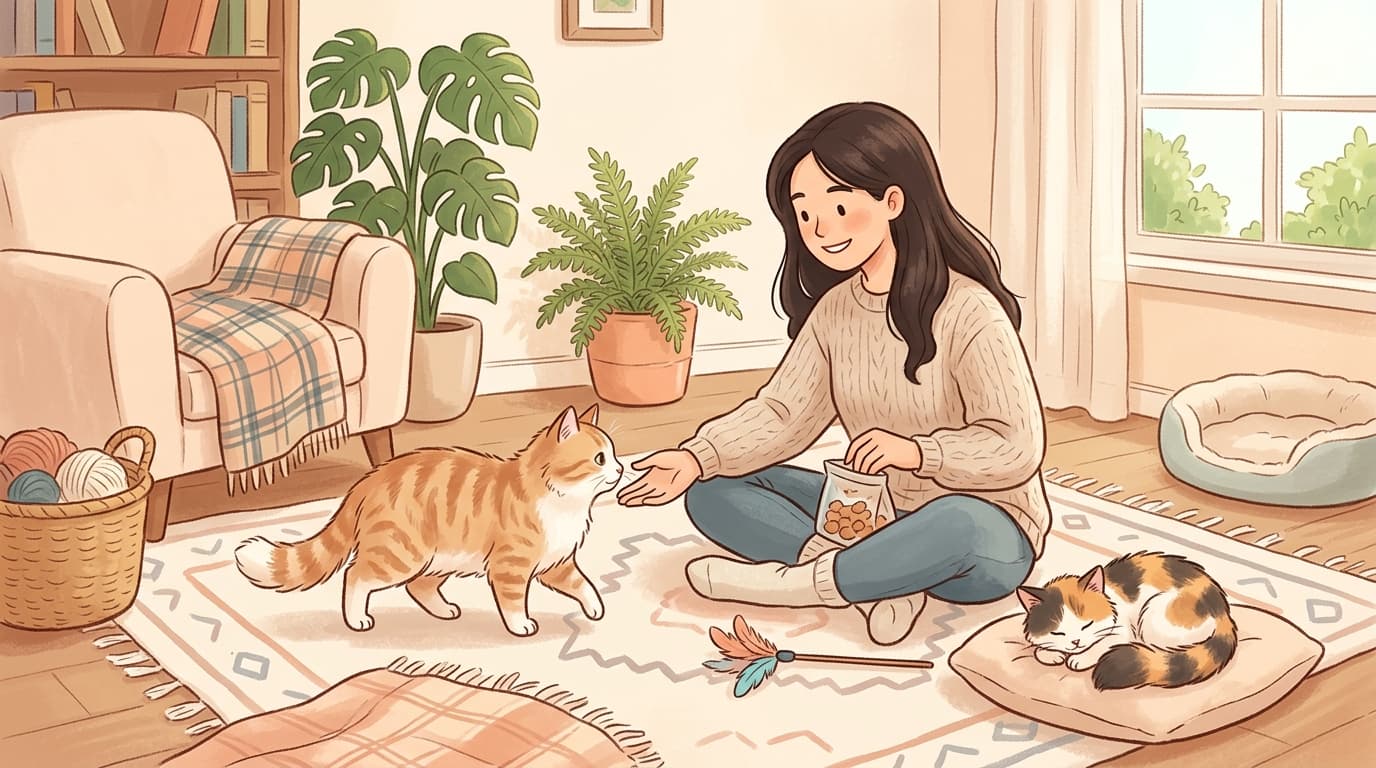
3) Use the finger greeting (and let your cat decide)
Imagine a giant rushing up and hugging you before saying hello. That’s how sudden head-scratching can feel to some cats—especially shy ones.
Cats experience the world through scent in a way we can barely imagine. So a respectful “hello” is giving your cat a second to read you first.
Try this quick ritual:
- Hold one finger about 2 inches (5 cm) from your cat’s nose.
- Keep your hand still. Don’t poke or chase.
- Let your cat lean in and sniff.
If your cat gently bumps your finger with their nose, that’s a clear green light. You didn’t just greet your cat—you handed them control over the interaction, which is huge for trust.
4) Get down to your cat’s level
To your cat, you’re basically a friendly skyscraper. Even if your cat loves you, being approached from above can feel intense.
One of the fastest ways to soften your presence is to shrink your silhouette and meet your cat in their world.
Make it a habit:
- Sit on the floor for 10 minutes a day.
- Don’t make it “a thing.” Just be there.
- Let your cat investigate you instead of you pursuing them.
You may notice your cat becomes braver and more curious. Some cats even start showing more vulnerable body language—relaxed posture, slow blinks, and yes, sometimes the belly (which is more about trust than an invitation to rub).
5) Talk back to your cat—yes, really
Adult cats don’t typically meow to other adult cats the way they meow to humans. That voice your cat uses with you? It’s a communication style they’ve shaped for life with people.
That means your cat has likely been “talking” to you for years—short morning meows, longer complaining sounds, soft little chirps, and attention-calls that seem to come out of nowhere.
The simple habit that changes the relationship:
- Respond when your cat vocalizes.
- Use a calm voice—say anything.
- Make it feel like a conversation, not a command.
Cats can recognize their person’s voice and react differently to it than to strangers. When you answer, you’re telling your cat their voice matters—and that your home is a two-way relationship, not just roommates sharing space.
A small daily routine that makes your cat feel truly safe
Your cat’s life with you is their whole universe, and it goes by fast. Give them the high perch, the quiet moments, the respectful greeting, your shared eye-level time, and the simple gift of answering back.
Do those things consistently, and you won’t just have a cat who lives in your house—you’ll have a cat who feels understood in it.
Continue reading

Why Your Cat Walks on You at Night (And What They’re Really Trying to Tell You)
If your cat steps on your chest at night, it’s not random. Here are the real reasons—and how to respond without encouraging 5 a.m. wakeups.

Choosing a Cat by Coat Color: What You Should Know Before You Adopt
Your cat’s coat color can hint at temperament and care needs. Here’s how orange, black, white, tabby, tuxedo and more often differ.

Burmilla Cats: 5 Traits That Make This Shimmery Breed So Easy to Love
Meet the Burmilla cat: a shimmering coat, emerald eyes, a gentle voice, and a perfect mix of playful and calm.