Daily Wet Food for Cats: What Changes in Hydration, Weight, Coat, and Behavior
Most cat owners think wet food is simply a “nicer” or “healthier” option. But giving your cat wet food every day can shift how their body manages water, how satisfied they feel after meals, and even how peaceful your home feels around feeding time.
1) Daily wet food boosts hydration in the way cats are built for
Cats aren’t “being difficult” when they barely touch the water bowl. They’re designed to get most of their fluids from food.
In nature, feline ancestors hunted prey that was mostly water. That’s why many cats have a low thirst drive today—your cat’s body didn’t evolve expecting a separate glass of water next to dinner.
This is where daily wet food for cats can be a big deal. Dry kibble is typically around 10% moisture, while wet food is commonly in the 75–80% range. That difference can quickly raise your cat’s overall hydration.
What you might notice at home
- Litter box changes: often more urine volume and lighter-looking urine
- Less “living on the edge” of dehydration (even if your cat still drinks some water)
Better hydration also means the kidneys don’t have to work as hard concentrating waste. And because the urine is generally more diluted, it can lower the risk of urinary crystals and blockages—problems that are especially common in male cats.
2) Daily wet food can make weight control easier (without constant begging)
If you’ve ever wondered why indoor cats gain weight so easily, it’s not always because they’re lazy. A lot of it comes down to what’s in the bowl and how it affects metabolism and fullness.
Many dry foods rely heavily on starches and carbohydrates. Cats are true carnivores, and their bodies aren’t great at using a high-carb load the way humans (or even dogs) can. Extra energy can end up stored as body fat before you realize what’s happening.
Wet food tends to be higher in animal protein and naturally lower in carbs. Add in the moisture, and you get a meal that often feels more filling with fewer calories.
Why this matters for appetite
Protein creates a stronger “I’m satisfied” signal. If your cat seems hungry again an hour or two after kibble, it may not be a personality flaw—it can be the meal wearing off quickly.
3) A shinier coat is often the first visible “inside change”
Your cat’s fur can be surprisingly honest about what’s going on internally. Dull hair, excessive shedding, or flaky skin aren’t just cosmetic annoyances—they can be clues.
Wet food is typically rich in animal-based protein and fats, the very building blocks your cat uses for healthy skin and a glossy coat. Meanwhile, many dry foods (even decent ones) are highly processed, and that can affect how intact certain nutrients remain.
If you’ve tried every brush, grooming glove, and fancy shampoo and your cat’s coat still looks tired, diet is worth a serious look. Most pet owners don’t realize how often “coat problems” start in the food bowl.
4) Daily wet food can calm food anxiety and reduce frantic eating habits
Some cats act like every meal might be their last: loud meowing, inhaling food, guarding the bowl, waking you up at dawn. It’s easy to label this as “just how they are.”
But dry food can digest quickly and may not trigger strong satiety signals, especially in cats that are already prone to worrying about access to food. Wet food helps in two ways:
- Protein tends to keep cats satisfied longer.
- Moisture adds volume, gently stretching the stomach and reinforcing the “I’m full” message.
If you’ve ever noticed your cat sprinting to the kitchen the second you move, a steadier sense of fullness can make mealtimes feel calmer. Many cats eat, wash their face, and actually relax instead of continuing to patrol for snacks.
When wet food helps, but you still need a plan
Some cats gulp because of history: growing up in a multi-cat home, competing at the bowl, or spending time on the street. In those cases, wet food often helps a lot, but pairing it with a puzzle feeder or slow-feeding setup can make the biggest difference.
5) The quiet downside of daily wet food: food safety
Wet food is not “all day bowl” food.
Once it sits out at room temperature, bacteria can multiply quickly. And the tricky part is that spoiled wet food may still look fine and even smell okay to you.
A simple handling routine that keeps wet food safe
- Follow the 2-hour rule: don’t leave wet food out longer than about 2 hours (less if your home is warm).
- If your cat is a grazer: serve smaller portions more often so there’s less sitting in the dish.
- Refrigerate leftovers right away: cover and store unused portions promptly.
- Use refrigerated wet food within 48 hours after opening.
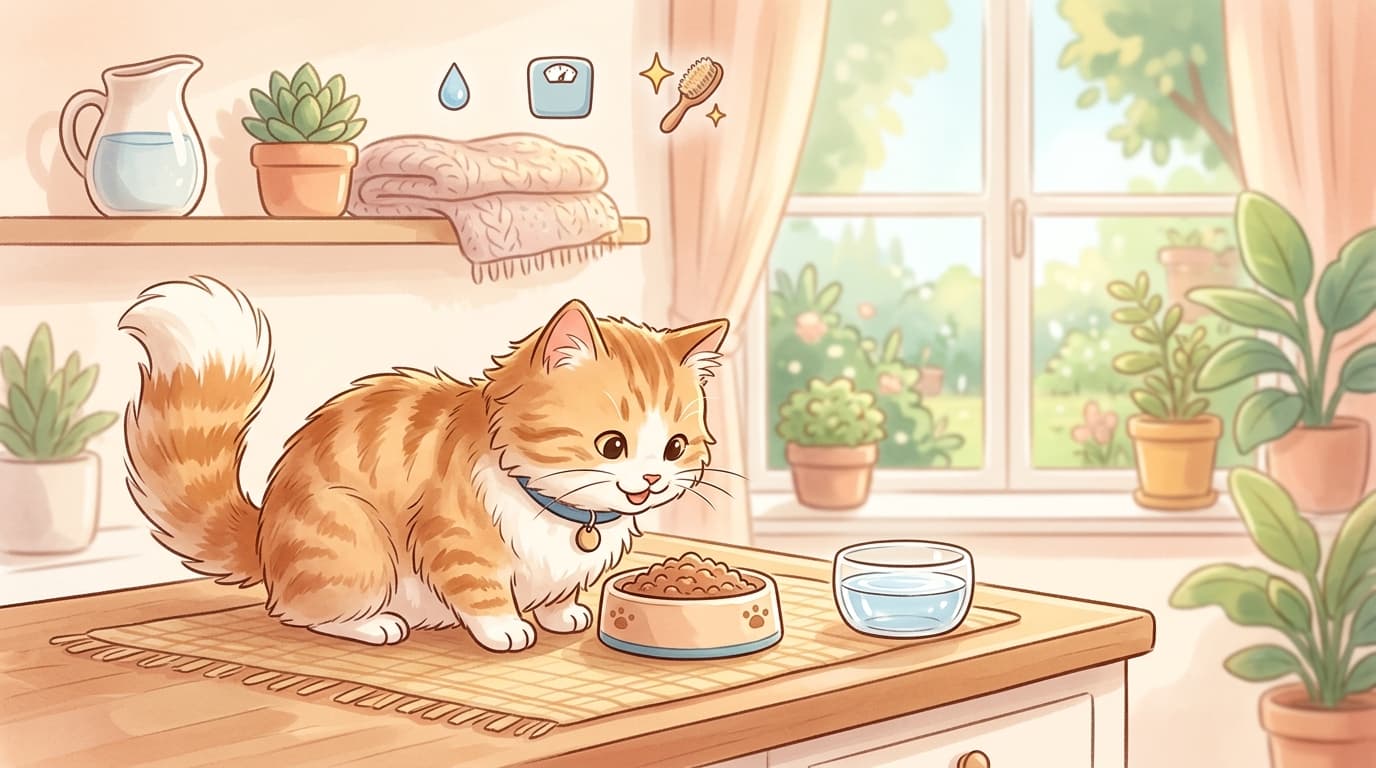
- Don’t serve it fridge-cold: many cats prefer food closer to body temperature, like fresh prey. Warm it slightly (a few seconds in the microwave or a bit of warm water mixed in) so it’s more appealing and easier to eat.
The takeaway
Daily wet food can support hydration, a healthier urinary system, steadier weight, a better coat, and calmer behavior around meals. The biggest “make or break” detail is handling it safely and serving it in a way that fits your cat’s eating style.
Pay attention to what you see at the bowl and in the litter box, and you’ll quickly learn what routine helps your cat feel their best.
Meta description: Daily wet food can boost hydration, support urinary health, help weight control, improve coat shine, and reduce food anxiety in cats.
Continue reading

Where Your Cat Sleeps Says a Lot About Love (7 Favorite Spots Decoded)
From your feet to your pillow, your cat’s sleeping spot is a quiet love letter. Here’s what 7 common choices really mean.

Why Cats Knock Things Over: The Real Reasons Behind That Push-and-Scatter Habit
Cats knock things over due to hunting instincts, curiosity, and attention-seeking. Learn what it means and how to curb the habit.

Why Your Cat Follows You to the Bathroom (It’s Not Just Clinginess)
Your cat isn’t being nosy—bathroom follow-ups are driven by instinct, territory, curiosity, and a surprisingly sweet kind of loyalty.