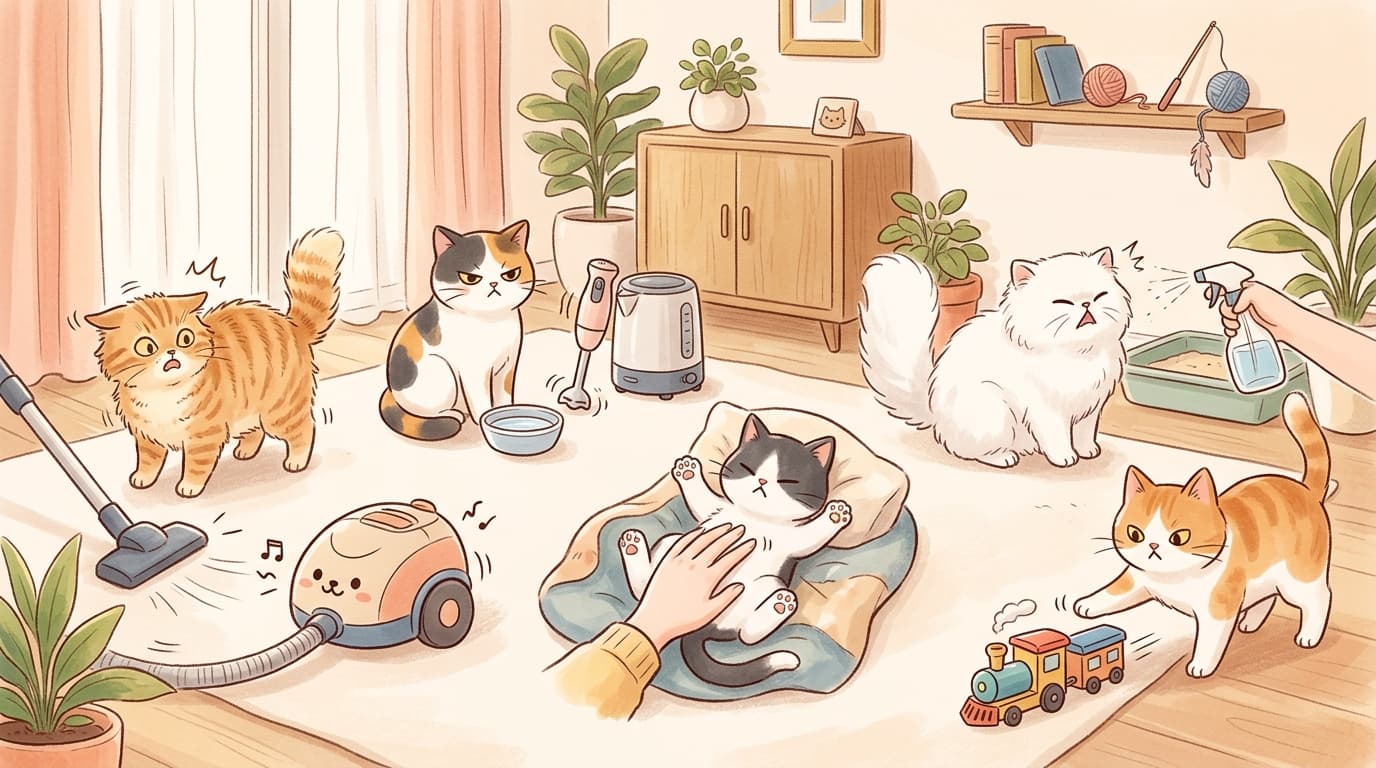
Is Your Cat Jealous of a New Cat? What’s Really Happening (and How to Fix It)
Your cat isn’t “jealous” of a new cat—usually they’re scared. Learn why it happens and how to introduce cats calmly, step by step.
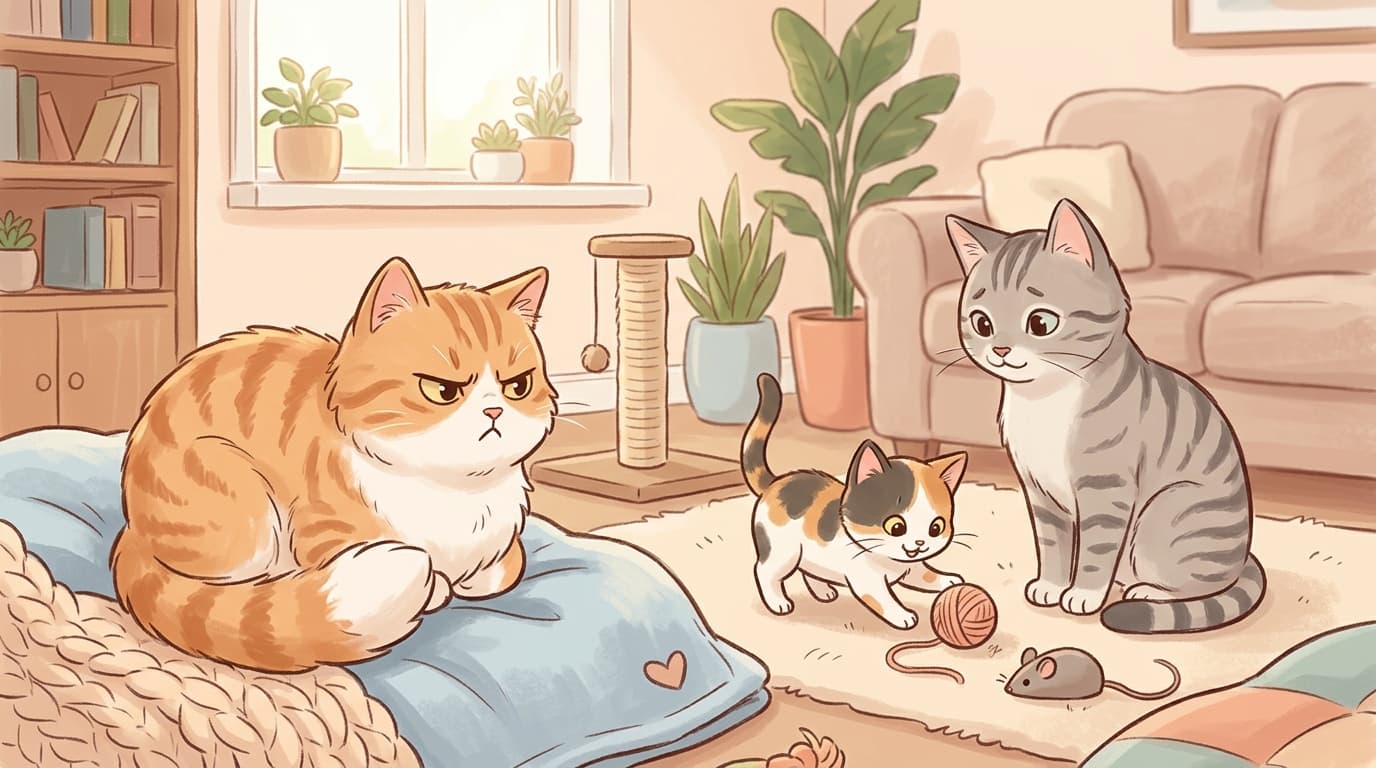
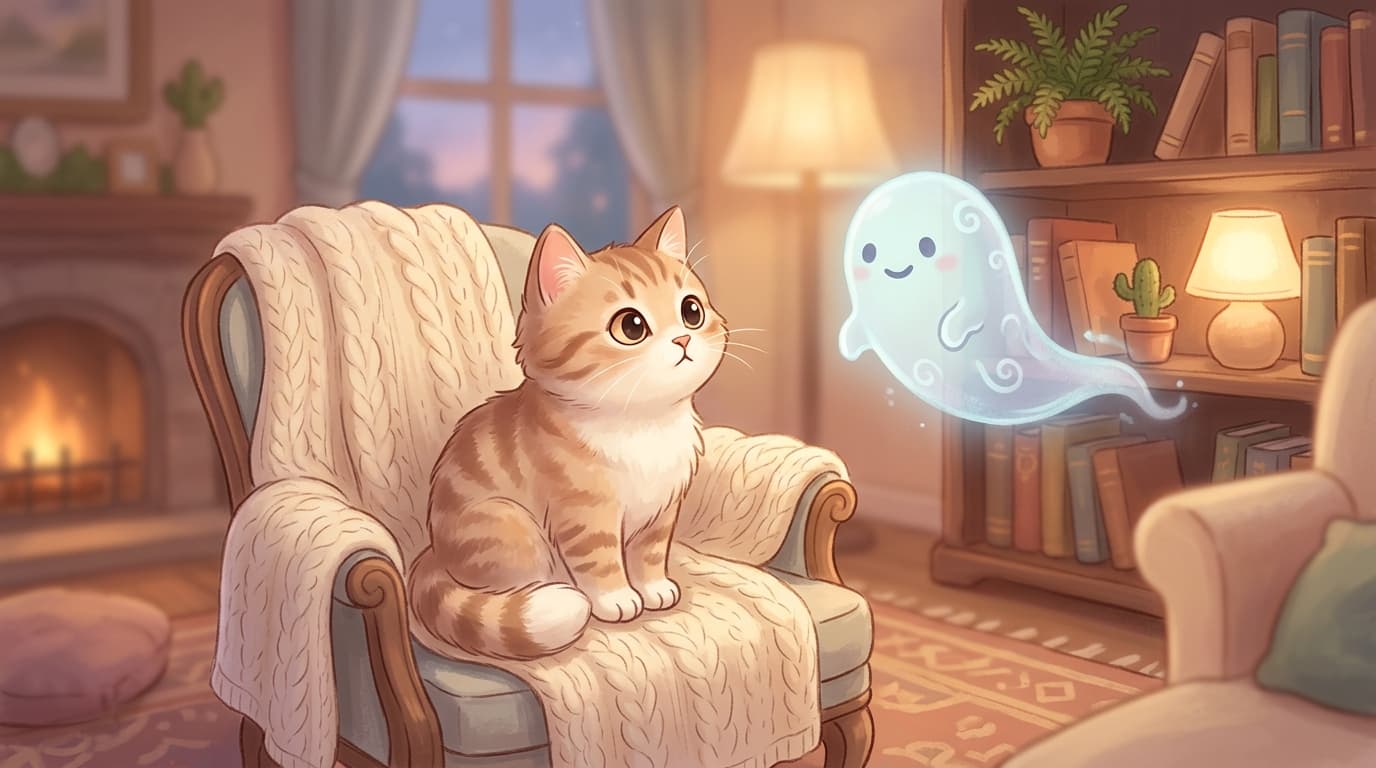
Bringing home a second cat sounds like a sweet idea… until your original cat starts hiding, skipping meals, and acting like the house is suddenly haunted. It’s easy to label it as jealousy, but what you’re seeing is usually something simpler and more primal: your cat feels unsafe.
Are cats jealous of a new cat, or just stressed?
Cats don’t experience jealousy the way humans do, with complicated thoughts like “you love them more than me.” What looks like jealousy is most often fear and stress triggered by a big change.
Your cat has a strong survival instinct, and a huge part of that is territory. Home isn’t just “where they live”—it’s the place they’ve mapped, claimed, and made predictable. They rub their cheeks on furniture, scratch certain spots, nap in favorite corners, and generally fill the space with their scent. That scent is comforting because it signals, “This is mine. I know what happens here.”
A new cat barging into that environment can feel like an intruder, not a potential friend.
Why your first cat hides, stops playing, or eats less
If you’ve ever noticed your cat suddenly becoming quiet and distant after the newcomer arrives, it’s usually because they perceive a threat—not just to “their stuff,” but to their safety.
Common signs your resident cat is overwhelmed include:
- Hiding or spending long stretches under the bed or behind furniture
- Avoiding you or acting unusually withdrawn
- Eating less or refusing meals
- Reduced play and general “shut down” behavior
This isn’t your cat being dramatic or punishing you. It’s their way of coping while they try to figure out whether this new situation is dangerous.
Introducing cats the right way: go slow and start with scent
The biggest mistake is putting both cats together right away and hoping they “work it out.” For many cats, that kind of forced meeting creates a stress spike that makes everything harder.
A smoother approach is gradual introductions, starting with scent—because cats learn a lot about each other long before they ever make eye contact.
Step 1: Let them meet through smell first
Before face-to-face introductions, help your resident cat get used to the new cat’s scent.
- Rub a towel or soft cloth on the new cat’s body.
- Leave that towel in your resident cat’s space for a few days.
If the new cat is already home, you can still do a version of this by keeping them in separate rooms and swapping scents (blankets, bedding, towels) so each cat learns, “That smell exists here, and nothing bad happened.”
Use a barrier for the first “visual” meetings
Once both cats seem calmer with the idea of the other’s scent, let them see each other safely.
A physical barrier works well—think a glass door, baby gate, or another setup where they can look and sniff without being able to rush each other. This helps prevent panic and gives both cats control over how close they get.
Make the other cat’s presence feel like good news (hello, food)
One of the simplest ways to create a positive association is to use meals.
Place their food bowls near the barrier (on their own sides). Over a few days, you can slowly move the bowls closer if both cats stay relaxed. The goal is for your resident cat to start thinking, “That other cat shows up… and then dinner happens.”
Short, supervised time together—only when they’re ready
When you consistently see calm behavior at the barrier—no intense staring, no hiding immediately, no puffed-up fear—then you can try short, supervised sessions in the same space.
Keep these meetups brief at first. End on a calm moment, not after tension builds. Most pet owners don’t realize that the timeline can be days or weeks depending on the cats, and rushing it often causes setbacks.
Keep your resident cat’s routine steady
While introductions are happening, your first cat needs extra reassurance that their world hasn’t been turned upside down.
Try to:
- Feed at the usual times
- Keep play sessions and quiet time consistent
- Respect favorite sleep spots and “do not disturb” areas
- Spend a little one-on-one time with your resident cat every day
Also, make sure your cat has safe places to retreat—high perches, cozy hideouts, or rooms where they can decompress without being followed.
Reward the calm moments
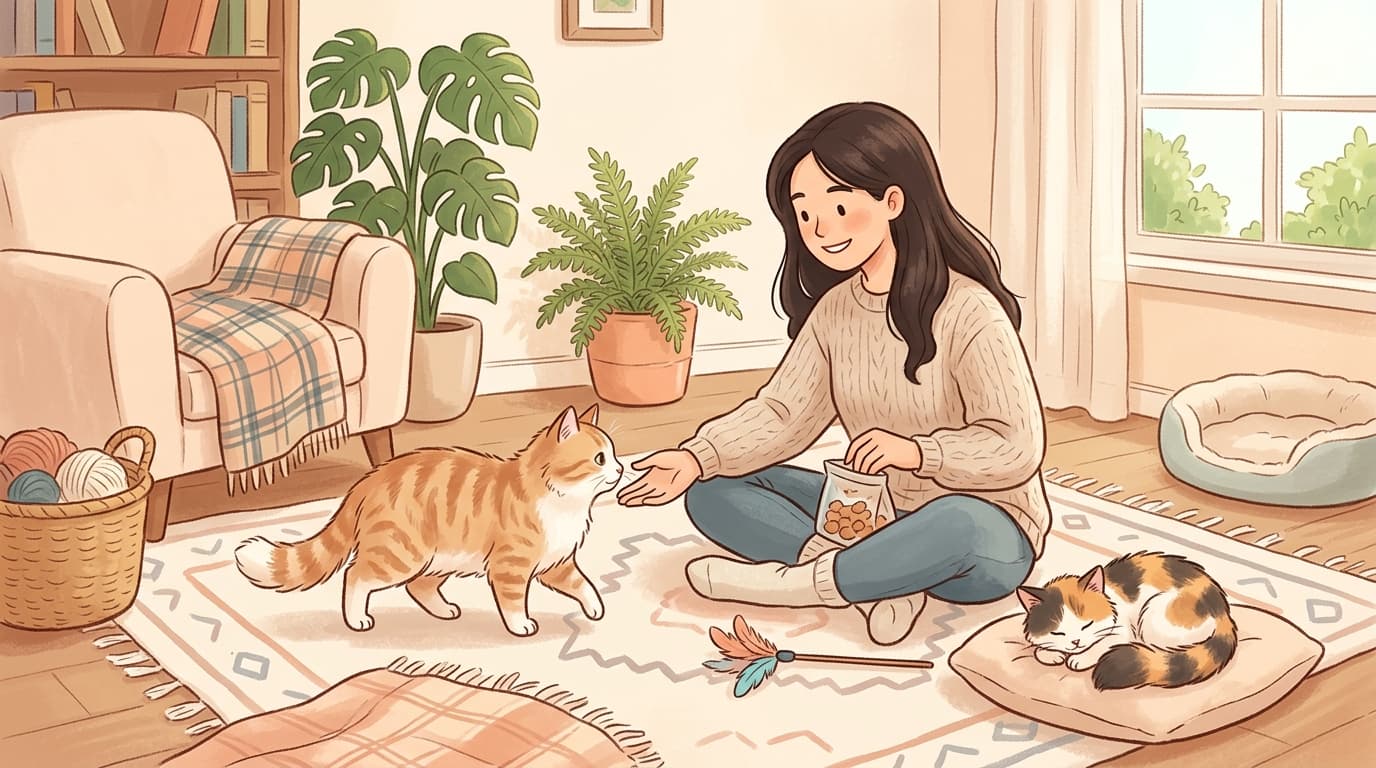
Any time your resident cat does something positive—approaches the barrier calmly, eats near the other cat’s scent, stays relaxed—reinforce it.
That can be gentle affection (if your cat likes it) or a small treat. The point is to help your cat connect calm behavior with good outcomes.
When stress doesn’t improve
If several days go by and your cat’s appetite, mood, or behavior isn’t improving at all, it’s worth checking for underlying issues like pain or illness that could be making everything feel worse.
The takeaway
Your cat isn’t being petty or “jealous”—they’re reacting to a sudden change that feels threatening. With slow introductions, steady routines, and a little patience, most cats settle down and the sadness fades, leaving room for real companionship.
Continue reading

Why Your Cat Walks on You at Night (And What They’re Really Trying to Tell You)
If your cat steps on your chest at night, it’s not random. Here are the real reasons—and how to respond without encouraging 5 a.m. wakeups.

Choosing a Cat by Coat Color: What You Should Know Before You Adopt
Your cat’s coat color can hint at temperament and care needs. Here’s how orange, black, white, tabby, tuxedo and more often differ.

Burmilla Cats: 5 Traits That Make This Shimmery Breed So Easy to Love
Meet the Burmilla cat: a shimmering coat, emerald eyes, a gentle voice, and a perfect mix of playful and calm.