7 Dog Body Language Signals Most Owners Miss (And What Your Dog Is Really Saying)
From play bows to doorway guarding, learn the dog body language signals that reveal trust, comfort, and connection.
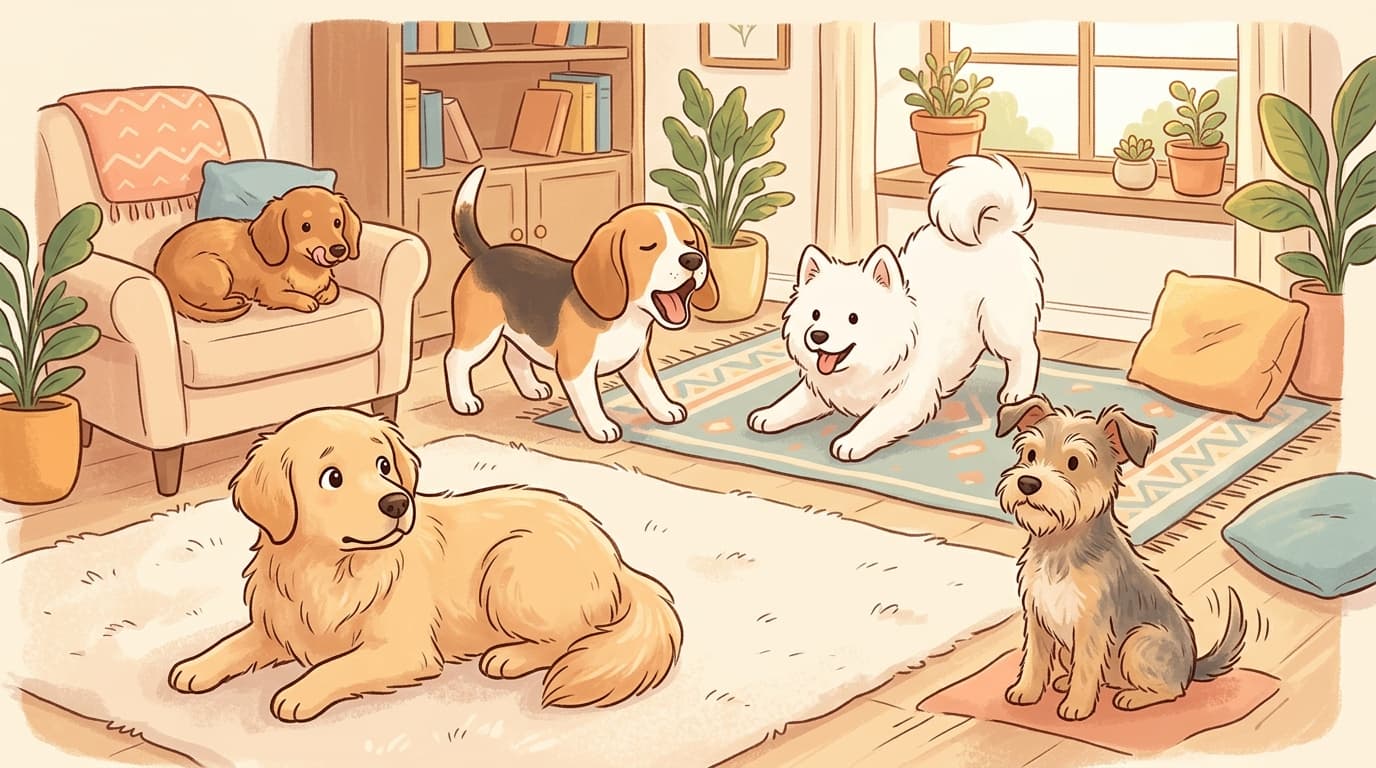
You can live with a dog for years and still miss the biggest messages they send you every day. Not because you don’t care—because life is loud and their language is quiet.
Once you start noticing a handful of dog body language signals, your whole relationship shifts. You stop guessing. You start responding.
Dog body language signal #1: The “stretch” that’s actually an invitation (the play bow)
That classic move—front legs down, butt up—looks like a simple stretch. But most of the time, it’s a social signal aimed directly at you.
Dogs tend to do it when you’re present and paying attention, not when they’re alone staring at a wall. It’s their way of saying, “You. Right now. Let’s connect.”
What your dog needs from you: a tiny response. Thirty seconds of eye contact, a cheerful word, a quick game, a gentle touch. If you’ve ever noticed your dog bow and then pause like they’re waiting, that little pause is the whole point.
Dog body language signal #2: Sitting in the bathroom doorway
Some dogs plant themselves outside the bathroom like it’s their job. It can look clingy, but it often comes from deep, old instincts about separation and vulnerability.
Closed doors are weird in a dog’s world. They can’t “reason” their way through why you disappeared behind a barrier, so they choose the next best option: stand guard and wait.
What your dog needs from you: reassurance, not annoyance. A calm “I’m here,” a soft glance, or letting them sit nearby without shooing them away can mean a lot.
Dog body language signal #3: The head tilt (and why it’s not just “cute”)
That head tilt can melt you on sight—and yes, it’s adorable. But it can also be a sign your dog is working hard to understand you.
Many dogs tilt when they’re trying to process meaning: your tone, your facial expression, the familiar words inside a sentence. It’s less “Huh?” and more “I’m concentrating.”
What your dog needs from you: clarity and patience. Use the same words for the same things, keep your tone consistent, and give them a beat to figure you out.