Why Small Dogs Bark So Much: Genetics, Fear, and the Habits We Accidentally Teach
Small dogs often bark more because of breeding, feeling vulnerable, accidental reinforcement, and unmet energy—not because they’re “annoying.”
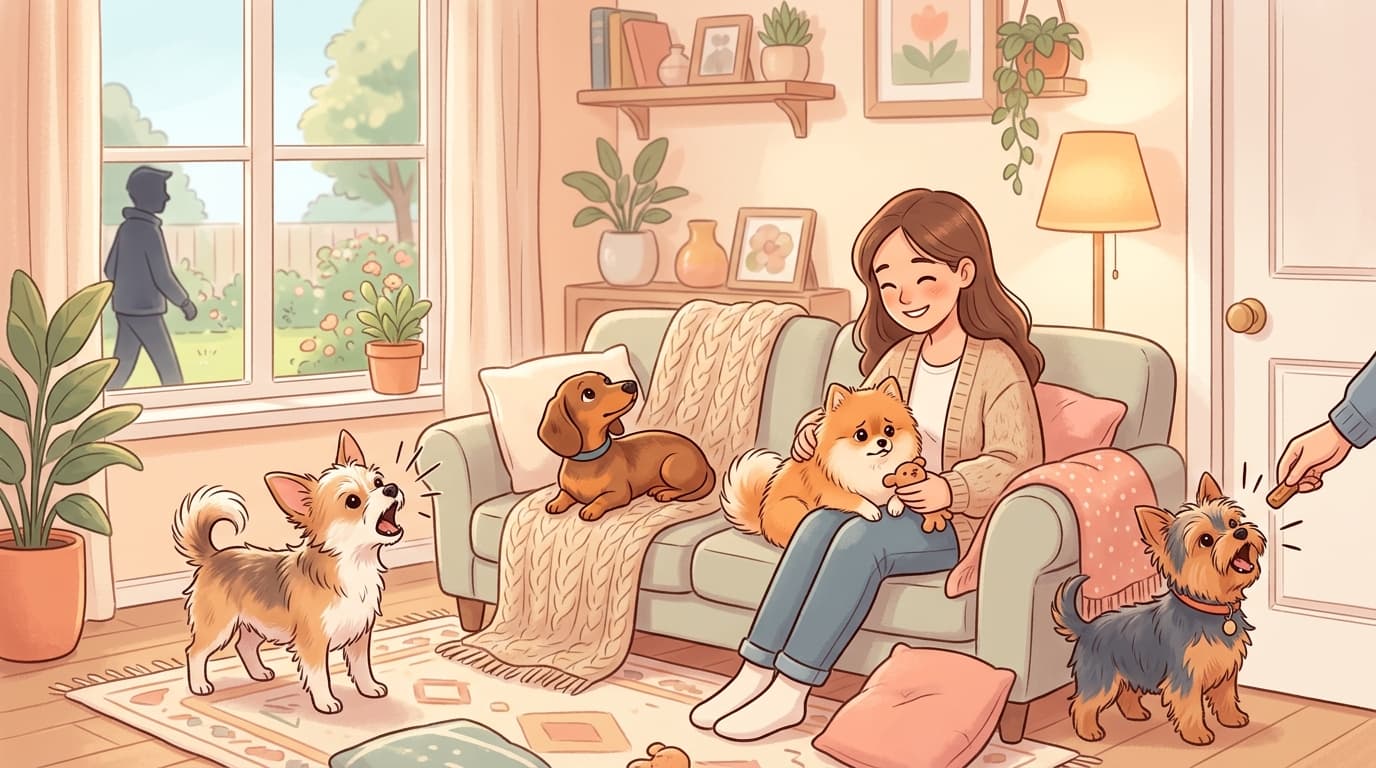
Small dogs bark more than big dogs in a lot of homes, and it’s usually not because they’re “yappy” by nature or trying to be the boss. The real reasons are a mix of genetics, how tiny dogs experience the world, and the little ways we respond that teach them barking works.
Small dogs bark more because many were bred to be alarm systems
A lot of popular small breeds didn’t happen by accident. Humans shaped them for specific jobs, and for many of them, being quick to react was a feature—not a flaw.
Think about breeds like Chihuahuas and many terriers. Historically, they were valued for being alert, noticing changes fast, and sounding off when something felt “off.” So if your small dog barks at footsteps in the hallway or a car door outside, there’s a good chance you’re seeing an instinct that was intentionally encouraged over generations.
Their world feels bigger, louder, and scarier
Most pet owners don’t realize how different daily life feels from a dog’s point of view when you’re only a few inches off the ground.
For a small dog, everything is huge: people’s legs, bicycles, other dogs, vacuum cleaners, delivery boxes, even a guest leaning over to say hello. That can make them feel vulnerable. Barking becomes a distance-making tool—basically their way of saying, “Please don’t come closer.”
If you’ve ever noticed your dog barking most when someone approaches quickly, reaches down, or enters a tight space (like a doorway or elevator), it often points to insecurity rather than “attitude.”
The accidental lesson: barking gets attention (and results)
Here’s where many small-dog households get stuck without meaning to.
When a big dog barks, people tend to correct it or redirect it right away because it feels more serious. When a small dog barks, people often laugh, talk to them, pick them up, or soothe them. From your dog’s perspective, that reaction can feel like a reward.
Over time, barking becomes a strategy:
- Barking makes you look at them.
- Barking makes you pick them up.