Why Small Dogs Bark So Much: Genetics, Fear, and the Habits We Accidentally Teach
Small dogs often bark more because of breeding, feeling vulnerable, accidental reinforcement, and unmet energy—not because they’re “annoying.”
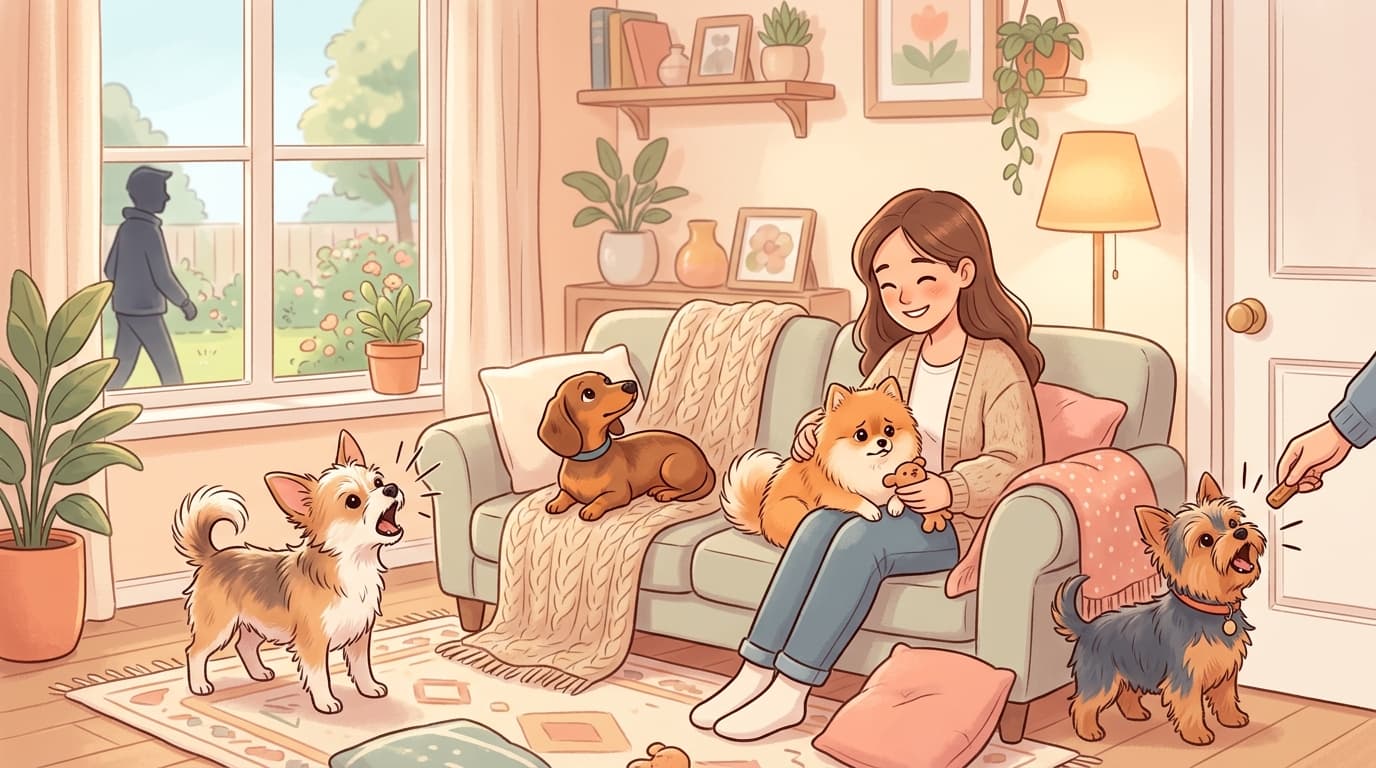
Small dogs bark more than big dogs in a lot of homes, and it’s usually not because they’re “yappy” by nature or trying to be the boss. The real reasons are a mix of genetics, how tiny dogs experience the world, and the little ways we respond that teach them barking works.
Small dogs bark more because many were bred to be alarm systems
A lot of popular small breeds didn’t happen by accident. Humans shaped them for specific jobs, and for many of them, being quick to react was a feature—not a flaw.
Think about breeds like Chihuahuas and many terriers. Historically, they were valued for being alert, noticing changes fast, and sounding off when something felt “off.” So if your small dog barks at footsteps in the hallway or a car door outside, there’s a good chance you’re seeing an instinct that was intentionally encouraged over generations.
Their world feels bigger, louder, and scarier
Most pet owners don’t realize how different daily life feels from a dog’s point of view when you’re only a few inches off the ground.
For a small dog, everything is huge: people’s legs, bicycles, other dogs, vacuum cleaners, delivery boxes, even a guest leaning over to say hello. That can make them feel vulnerable. Barking becomes a distance-making tool—basically their way of saying, “Please don’t come closer.”
If you’ve ever noticed your dog barking most when someone approaches quickly, reaches down, or enters a tight space (like a doorway or elevator), it often points to insecurity rather than “attitude.”
The accidental lesson: barking gets attention (and results)
Here’s where many small-dog households get stuck without meaning to.
When a big dog barks, people tend to correct it or redirect it right away because it feels more serious. When a small dog barks, people often laugh, talk to them, pick them up, or soothe them. From your dog’s perspective, that reaction can feel like a reward.
Over time, barking becomes a strategy:
- Barking makes you look at them.
- Barking makes you pick them up.
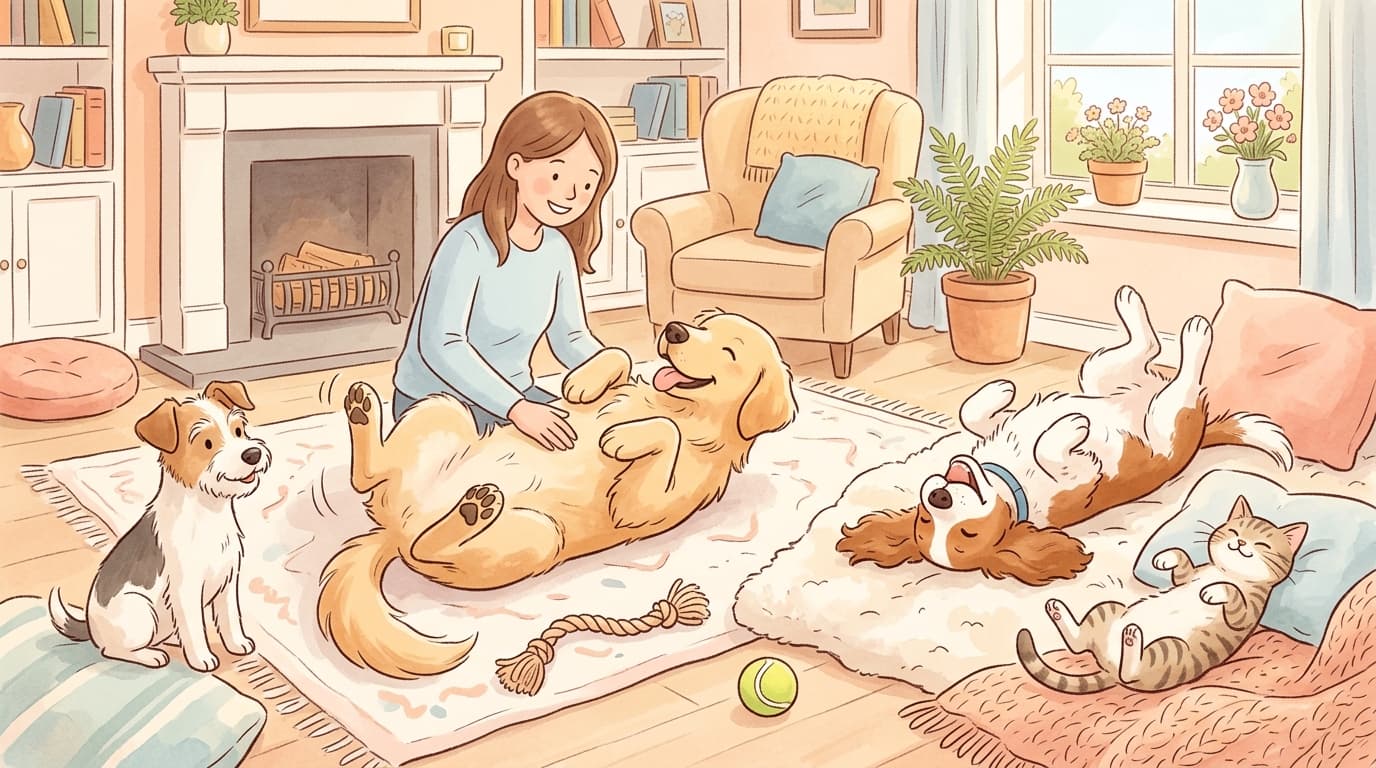
- Barking makes the “scary thing” go away (because the person walks past, the dog across the street disappears, the door closes).
Even if you’re trying to comfort them, your dog may learn, “This noise works.”
Less structure can create more barking
Small dogs are often easier to physically manage, which can lead to fewer boundaries without anyone noticing. You might let things slide that you wouldn’t with a larger dog—like rushing the door, reacting at the window, or demanding attention with noise.
But small dogs still need the same basics: consistent rules, clear routines, and mental stimulation. Without that structure, barking can become their go-to response for excitement, frustration, or “I don’t know what to do right now.”
Big energy in a tiny body
Size doesn’t always match energy level. Many small breeds are surprisingly active and busy-minded. If they don’t get enough outlets—walks, sniffing time, play, training games—energy builds up.
And built-up energy has to go somewhere. For some dogs, it comes out as pacing or chewing. For many small dogs, it comes out as barking: at noises, movement, visitors, or anything that breaks the routine.
How to reduce barking without turning life into a battle
You don’t have to “out-stern” your dog to make progress. The goal is to change what barking does for them.
Try focusing on a few practical shifts:
- Stop rewarding the noise: If barking reliably gets attention, start giving attention for quiet moments instead.
- Add structure: Simple routines (like waiting before going out the door) can reduce overall reactivity.
- Meet their energy needs: Short, frequent walks and brain games often calm small dogs more than you’d expect.
- Change the scary picture: If your dog barks because they feel threatened, create more distance, slow greetings down, and give them a “safe spot” where they don’t have to perform.
Small dogs don’t bark more because they’re annoying. They bark because they were built to be alert, they often feel exposed, and they learn quickly what gets a reaction from you. Once you see the pattern, you can start shaping a quieter, calmer routine—without changing your dog’s big personality in that small body.
Continue reading

7 Dog Body Language Signals Most Owners Miss (And What Your Dog Is Really Saying)
From play bows to doorway guarding, learn the dog body language signals that reveal trust, comfort, and connection.

Dog Body Language Signs of Love: 7 Little Moments That Mean “You’re My Person”
From the play bow at the door to sleeping pressed against you, these dog body language signs quietly prove how much your dog loves you.

Male Dogs vs Female Dogs: 5 Real Differences You’ll Notice at Home and on Walks
From pee-mail to leash pulling and rough play, here are 5 everyday ways male dogs tend to differ from females.