Why Your Dog Chooses One Favorite Person (It’s Not Just Treats)
Dogs pick a favorite person for predictability, safety, and bonding chemistry—not just snacks. Here’s what research suggests is happening.
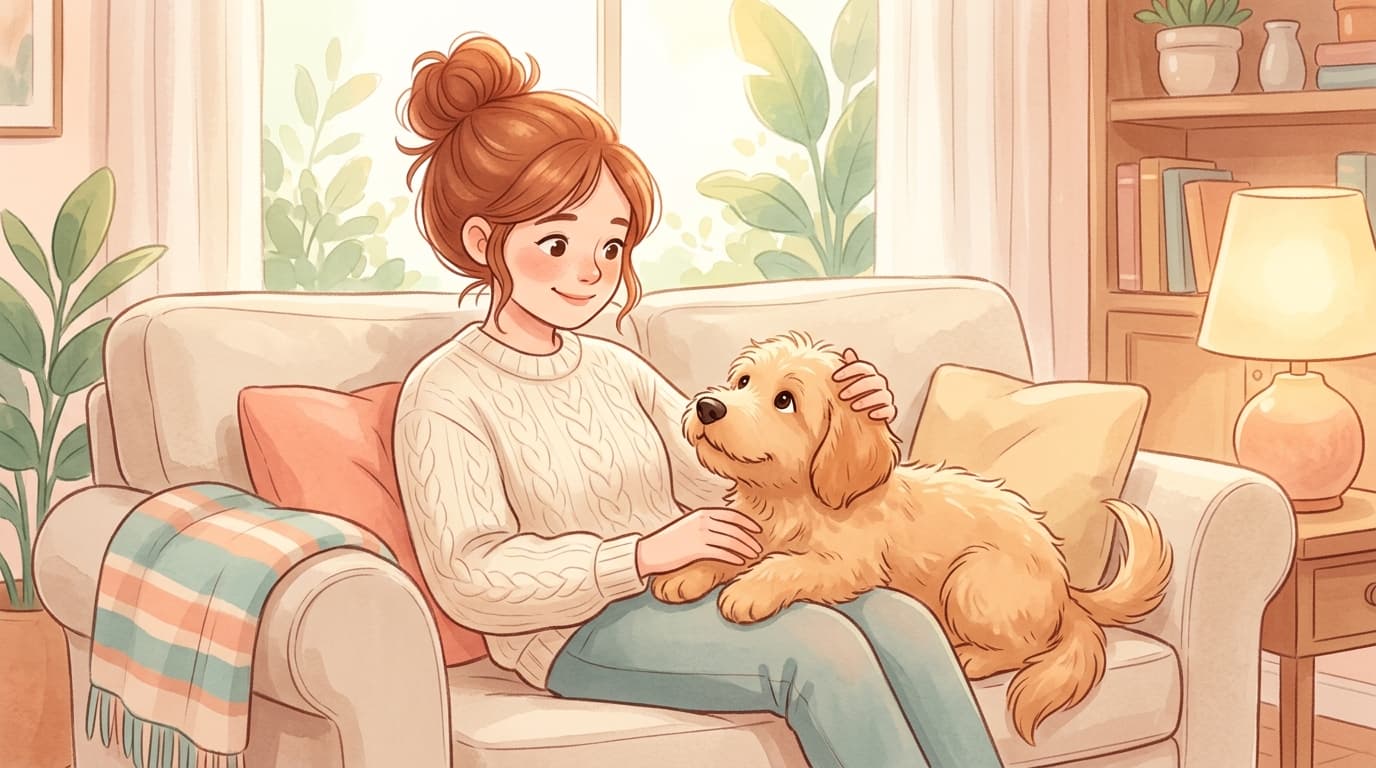
Your dog can be in a room full of friendly people and still make a beeline for one person. Then they exhale, settle, and act like the world finally makes sense.
That “favorite person” feeling is real—and research suggests it’s less about who spoils them most and more about who makes them feel safest.
Your dog picks the person they can “read” most clearly
A lot of owners assume favoritism is about who gives the most treats, plays the most, or met the dog first. But dogs aren’t only chasing fun—they’re constantly scanning for predictability.
Think of your dog’s brain as a pattern-detection machine that’s been fine-tuned for human life over thousands of years. Some people are simply easier for a dog to decode. If your tone, body language, routines, and reactions are consistent, your dog can build a reliable “internal model” of you.
And to a dog’s threat-assessment system, reliable usually equals safe.
Safe doesn’t just mean “nice.” Safe means your dog can stop monitoring the room for surprises. It means they can relax, explore, and be fully present instead of staying on alert.
Why predictability turns into trust (and even shapes who else they trust)
One fascinating thread in attachment research is that a strong bond doesn’t only affect how your dog treats you—it can affect how they treat other people.
In studies looking at canine attachment and social trust, dogs with a strong primary bond didn’t simply prefer their person. They used that relationship like a hub. When dogs observed strangers acting cooperatively toward their owner, they were more likely to feel confident around those strangers afterward.
In other words: your dog’s “social map” can radiate outward from their favorite person.
If you’ve ever noticed your dog warming up to someone faster because you clearly like and trust that person, you’ve seen a version of this in real life.
The early weeks matter… but adult dogs still bond deeply
Puppyhood has a powerful window where social experiences shape what feels normal and safe. Researchers often describe a critical socialization period in early life (roughly the first few months), where the brain is extra flexible and rapidly building its expectations about the world.