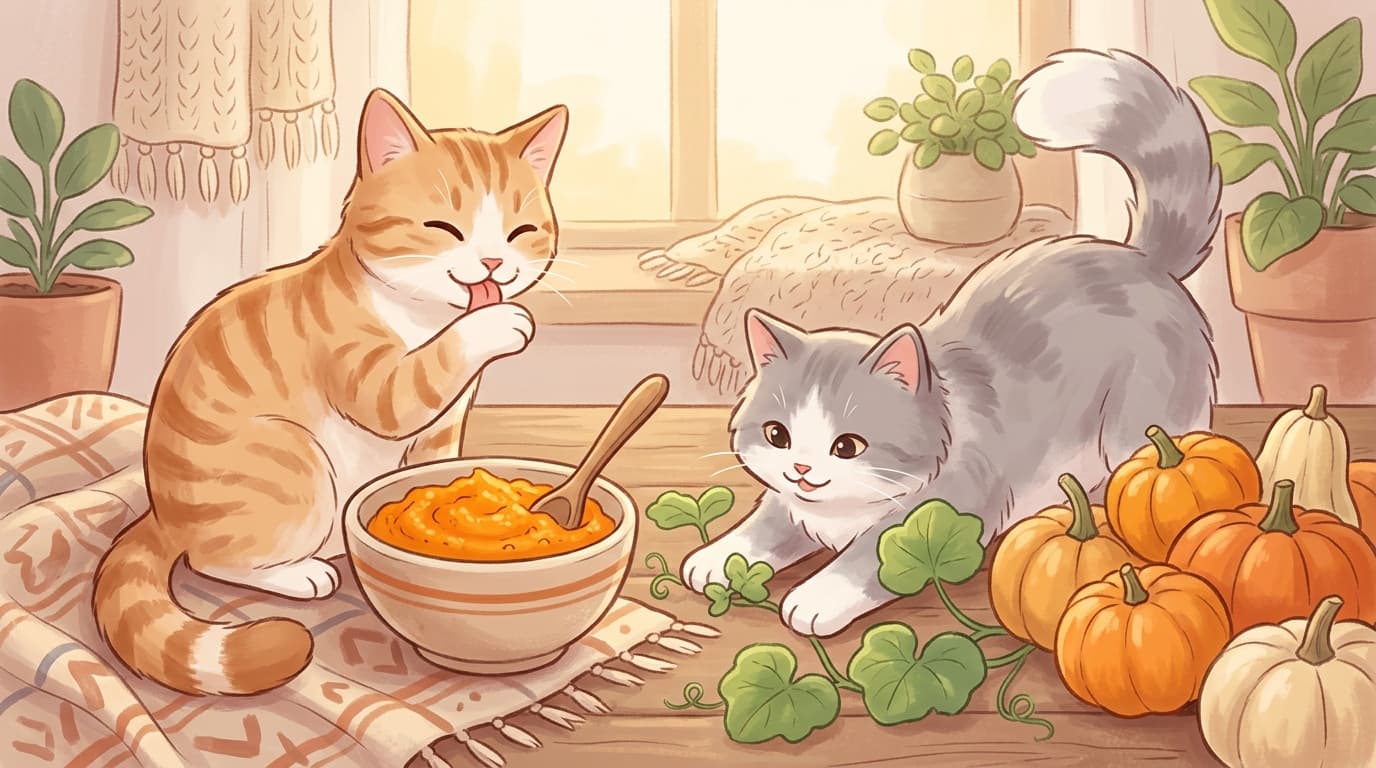
Pumpkin for Cats: The Simple Food Add-In That Supports Digestion and Helps Push Out Worms
Worms can sneak into your home more easily than most people think—through prey, raw meat, and even the dirt on your shoes. That’s why many cat owners end up deworming “just in case” far more often than they’d like. One simple, food-based support that’s surprisingly well accepted by cats is plain pumpkin.
How intestinal worms end up in your cat’s life
If your cat hunts, goes outdoors, or eats anything raw, the risk of intestinal parasites naturally goes up. But even indoor cats aren’t magically protected—eggs can hitch a ride inside on footwear or contaminated surfaces.
The tricky part is that fear can lead to frequent chemical deworming without confirming whether worms are actually present. A more balanced approach is to support your cat’s gut day-to-day and check for worms regularly, then treat only if needed.
Why pumpkin puree for cats can help with worms
Pumpkin is best known for digestion support, and that’s exactly why it can be helpful in the bigger “keep parasites in check” picture.
Here’s what makes it interesting:
- High fiber content: Pumpkin’s fibrous structure helps regulate bowel activity and can get things moving.
- Nutrients your cat’s body can use: It contains beta-carotene plus vitamins and minerals.
- A less comfortable environment for parasites: A well-regulated gut and healthier digestive flow can make it harder for parasites and their eggs to settle in.
Most pet owners don’t realize how much the speed and consistency of gut transit can influence whether “unwanted guests” manage to stick around.
The easiest way to prepare pumpkin puree (the cat-safe way)
Keep it boring. Your cat doesn’t need a fancy recipe—just clean, plain pumpkin.
Option 1: Make it at home
- Choose a fresh pumpkin like Hokkaido or butternut.
- Cook the flesh until soft.
- Puree until smooth.
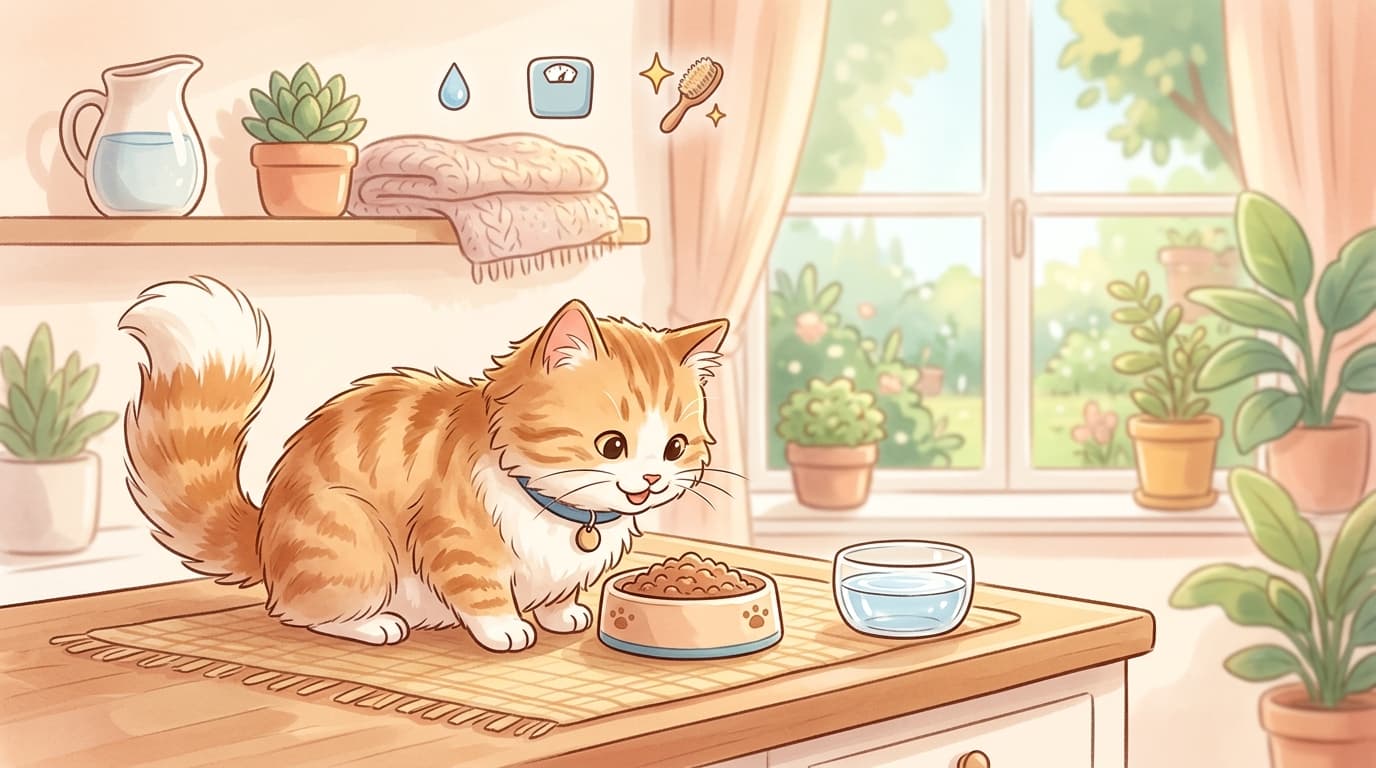
- Serve plain only—no salt, no sugar, no spices, no additives.
Option 2: Use store-bought pumpkin puree This can be convenient, but check the label carefully. You want pure pumpkin with no sugar, spices, or preservatives.
Storage tip: Portion it and keep it in the fridge for short-term use, or freeze small portions so you always have some ready.
How much pumpkin to mix into your cat’s food
Start small, especially if your cat hasn’t had much fiber before.
- Mix a small amount daily into your cat’s usual food.
- Often, about 1 teaspoon per meal is enough (adjust based on your cat’s size and how they handle it).
- Increase slowly only if your cat is tolerating it well.
If you’ve ever noticed your cat turning their nose up at “healthy add-ons,” pumpkin is one of the rare ones that many cats accept because it’s mild and soft—especially when you begin with tiny amounts mixed thoroughly into their regular food.
What to watch for (yes, you can overdo it)
Pumpkin is generally well tolerated, but more isn’t better.
- Too much can cause diarrhea or loose stools.
- If your cat’s poop changes suddenly after you increase the amount, scale back.
Also, pumpkin isn’t a complete shield against worms. Think of it as gut support, not a magic fix.
A smarter routine: pumpkin + testing + hygiene
The most effective approach is a combination of simple habits:
Check before you treat
Instead of deworming blindly, use a home worm test kit to see if there’s actually an issue.
A practical schedule many owners follow:
- Outdoor cats: test about every 2 months
- Indoor cats: test about every 6 months
If the result is positive, then deworming makes sense—and testing first can reduce how often your cat needs medication over time.
Keep reinfection pressure low
Parasites love messy routines. A few hygiene basics make a real difference:
- Clean the litter box regularly.
- Remove poop as soon as you can.
- Keep feeding areas clean, especially if you use wet food.
The takeaway
Plain pumpkin puree won’t replace proper parasite control, but it’s an easy, natural add-in that supports your cat’s digestion and can make the gut a tougher place for worms to thrive. Pair it with regular testing and solid litter box hygiene, and you’ll be doing your cat’s belly a real favor.
Continue reading

Microchipping Cats in Spain: What the Law Requires (and What Happens If You Skip It)
Spain now requires microchips for all cats. Learn what the law says, possible fines, and how microchipping works.

How Cats Secretly Test You Every Day (And What They’re Really Looking For)
Cats test your patience, boundaries, and consistency daily. Learn the subtle signs—and how to earn real feline trust.

15 Human Foods Cats Can Safely Enjoy (And Why They’re So Drawn to Your Plate)
Your cat isn’t being picky—instinct drives their food choices. Here are 15 cat-friendly human foods and how to offer them safely.