8 Subtle Signs Your Dog Is Feeling Sad (And What They’re Trying to Tell You)
From a droopy tail to skipping playtime, learn 8 quiet signs your dog may be feeling sad—and how to respond with support.
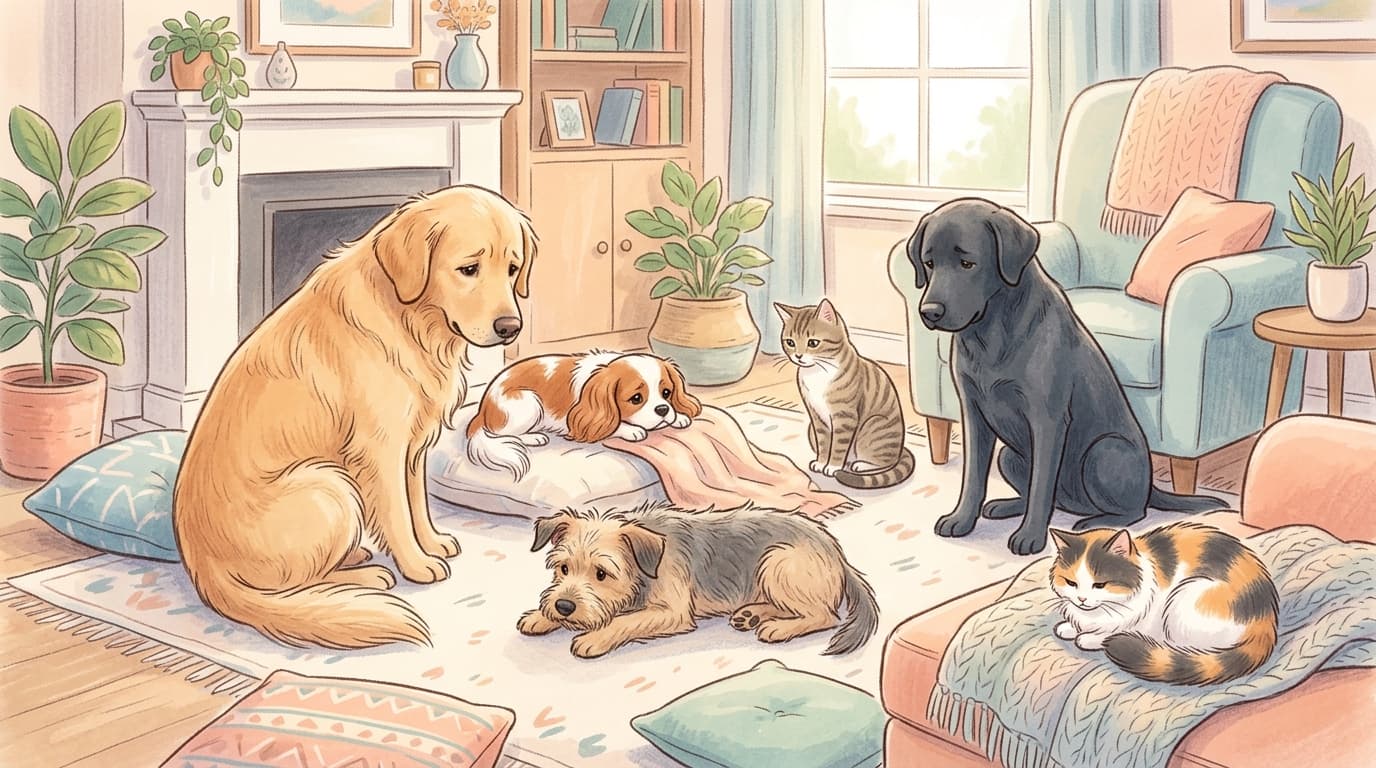
We all picture dogs as permanently cheerful, like happiness is their default setting. But dogs can have low days (or low seasons), and they don’t announce it with words—they show it through small shifts you might miss if you’re busy.
Below are eight common ways a dog may be telling you, “I’m feeling sad,” plus what those changes can mean in everyday life.
1) The tail that suddenly “forgets” to wag
Your dog’s tail is basically their mood flag. When they’re feeling good, it tends to sit higher and move more—especially during moments that normally excite them.
If you’ve ever noticed your dog greeting you with a tail that used to whip back and forth… and now it hangs low or barely moves, that change matters. Tail position and wagging frequency are strongly tied to emotional state, so a consistently droopy, low-energy tail can be one of the clearest body-language clues that your dog’s mood has dipped.
2) A flat, empty greeting at the door
Most dogs treat reunions like a mini holiday. The bouncing, the spinning, the full-body wiggle—it’s not just “being dramatic.” It’s a sign of attachment.
So when a dog who normally rushes the door stops doing it (or does it half-heartedly), it can signal more than “they’ve calmed down.” A sudden, lasting drop in reunion enthusiasm often lines up with emotional withdrawal—like your dog doesn’t have the same fuel for connection right now.
3) Toys collecting dust instead of teeth marks
Play isn’t random for dogs. It’s one of the best everyday indicators that they feel safe, energized, and okay.
A happy dog usually has evidence of joy lying around: a battered squeaky toy, a slobbery rope, something dragged into the living room like a trophy. If your dog’s favorite toys are being ignored—left untouched in corners for days—it can be a quiet sign they’re not feeling like themselves.
4) Keeping their distance from you
A lot of dogs are professional “personal space violators” in the most lovable way. They lean on you, follow you, park themselves nearby, and generally act like your shadow has a heartbeat.