8 Subtle Signs Your Dog Is Feeling Sad (And What They’re Trying to Tell You)
From a droopy tail to skipping playtime, learn 8 quiet signs your dog may be feeling sad—and how to respond with support.
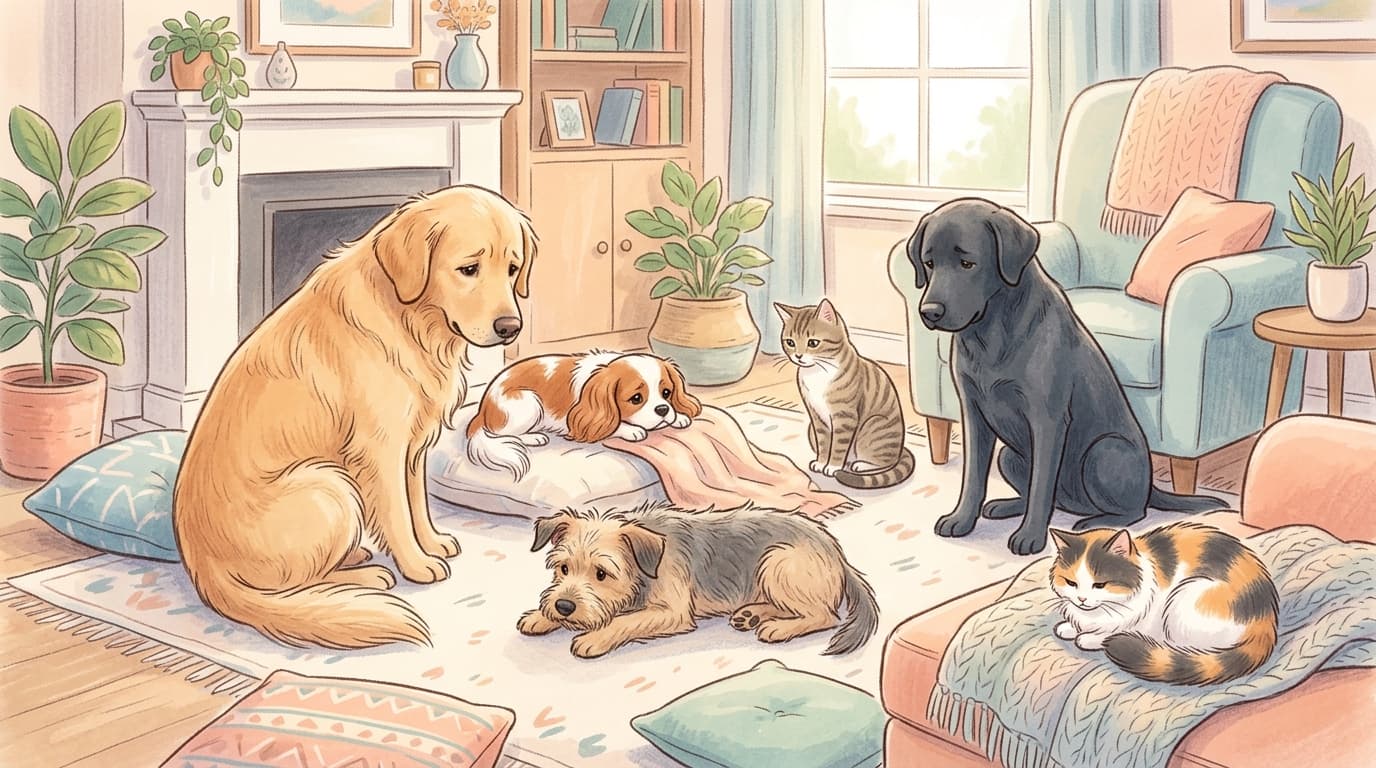
We all picture dogs as permanently cheerful, like happiness is their default setting. But dogs can have low days (or low seasons), and they don’t announce it with words—they show it through small shifts you might miss if you’re busy.
Below are eight common ways a dog may be telling you, “I’m feeling sad,” plus what those changes can mean in everyday life.
1) The tail that suddenly “forgets” to wag
Your dog’s tail is basically their mood flag. When they’re feeling good, it tends to sit higher and move more—especially during moments that normally excite them.
If you’ve ever noticed your dog greeting you with a tail that used to whip back and forth… and now it hangs low or barely moves, that change matters. Tail position and wagging frequency are strongly tied to emotional state, so a consistently droopy, low-energy tail can be one of the clearest body-language clues that your dog’s mood has dipped.
2) A flat, empty greeting at the door
Most dogs treat reunions like a mini holiday. The bouncing, the spinning, the full-body wiggle—it’s not just “being dramatic.” It’s a sign of attachment.
So when a dog who normally rushes the door stops doing it (or does it half-heartedly), it can signal more than “they’ve calmed down.” A sudden, lasting drop in reunion enthusiasm often lines up with emotional withdrawal—like your dog doesn’t have the same fuel for connection right now.
3) Toys collecting dust instead of teeth marks
Play isn’t random for dogs. It’s one of the best everyday indicators that they feel safe, energized, and okay.
A happy dog usually has evidence of joy lying around: a battered squeaky toy, a slobbery rope, something dragged into the living room like a trophy. If your dog’s favorite toys are being ignored—left untouched in corners for days—it can be a quiet sign they’re not feeling like themselves.
4) Keeping their distance from you
A lot of dogs are professional “personal space violators” in the most lovable way. They lean on you, follow you, park themselves nearby, and generally act like your shadow has a heartbeat.
That’s why it can feel so strange when a clingy dog starts choosing the far end of the room. Consistent physical withdrawal—especially if it’s new—can be a sadness signal. It’s not that your dog suddenly dislikes you. It can be that they’re emotionally pulling inward.
5) Ignoring you when you move around the house
Some dogs track you like a tiny furry security camera: you stand up, they stand up. You head to the kitchen, they appear like magic.
If your dog stops doing that and barely reacts when you move, it can mean their motivation is lower than usual. Yes, a little independence is healthy (most pet owners don’t realize that some “shadowing” can be anxiety-driven). But if your dog goes from engaged and curious to consistently uninterested, that change can point to emotional disengagement rather than confidence.
6) Less “spark” in the eyes
Dogs don’t literally have a lightbulb behind their pupils—but you know the look. The bright, mischievous glint. The face that says, “What are we doing next?”
When that expression seems dulled, it often comes with other reduced social signals: less eye contact, less animated facial expression, less interest in interacting. Eye contact for dogs isn’t just seeing you—it’s connecting with you. When it fades, the whole vibe at home can feel different.
7) Slow (or no) response to your voice
Most dogs have a built-in setting where your happy, goofy “dog voice” flips them into attention mode. Say their name with that upbeat tone and you typically get ears up, eyes on you, body ready.
A sad dog may respond late, respond weakly, or not respond much at all. Dogs are highly tuned to human vocal tone, so when that usual spark of recognition and excitement is missing, it can be a sign that sadness (or anxiety) is drowning out their desire to engage.
8) More sleeping, but not the cute dream-sleep
Dogs nap a lot—totally normal. The detail to watch is the quality of that rest.
If your dog starts sleeping longer and heavier, but you see fewer of the classic dream signs (twitching paws, tiny muffled barks, “running” in place), it can point to stress or low mood affecting their sleep patterns. In other words: more time asleep doesn’t always equal better rest. And when sleep gets weird, play and curiosity often shrink right alongside it.
What to do if these signs sound like your dog
Look for patterns, not one-off moments. A single quiet day happens. But if you’re noticing several of these changes at once—and they stick around—your dog is telling you they need extra support.
Start small: add gentle connection (calm play, a sniffy walk, a little training for confidence), protect their routine, and notice what brings even a tiny spark back. Your dog doesn’t need you to “fix” their feelings perfectly—they need you to see them and show up.
Continue reading

7 Dog Body Language Signals Most Owners Miss (And What Your Dog Is Really Saying)
From play bows to doorway guarding, learn the dog body language signals that reveal trust, comfort, and connection.

Why Your Cat Climbs on You: It’s Not “Just Love” (And What They’re Really Saying)
From lap-sitting to cheek rubs, your cat’s “cute” habits are secret messages about safety, scent, and trust.

Dog Body Language Signs of Love: 7 Little Moments That Mean “You’re My Person”
From the play bow at the door to sleeping pressed against you, these dog body language signs quietly prove how much your dog loves you.