Why Your Dog Steals Your Seat: The Real Reasons Behind That “Couch Theft”
Your dog isn’t being rude when they take your spot. Here are the scent, comfort, and attachment reasons dogs “steal” your seat.
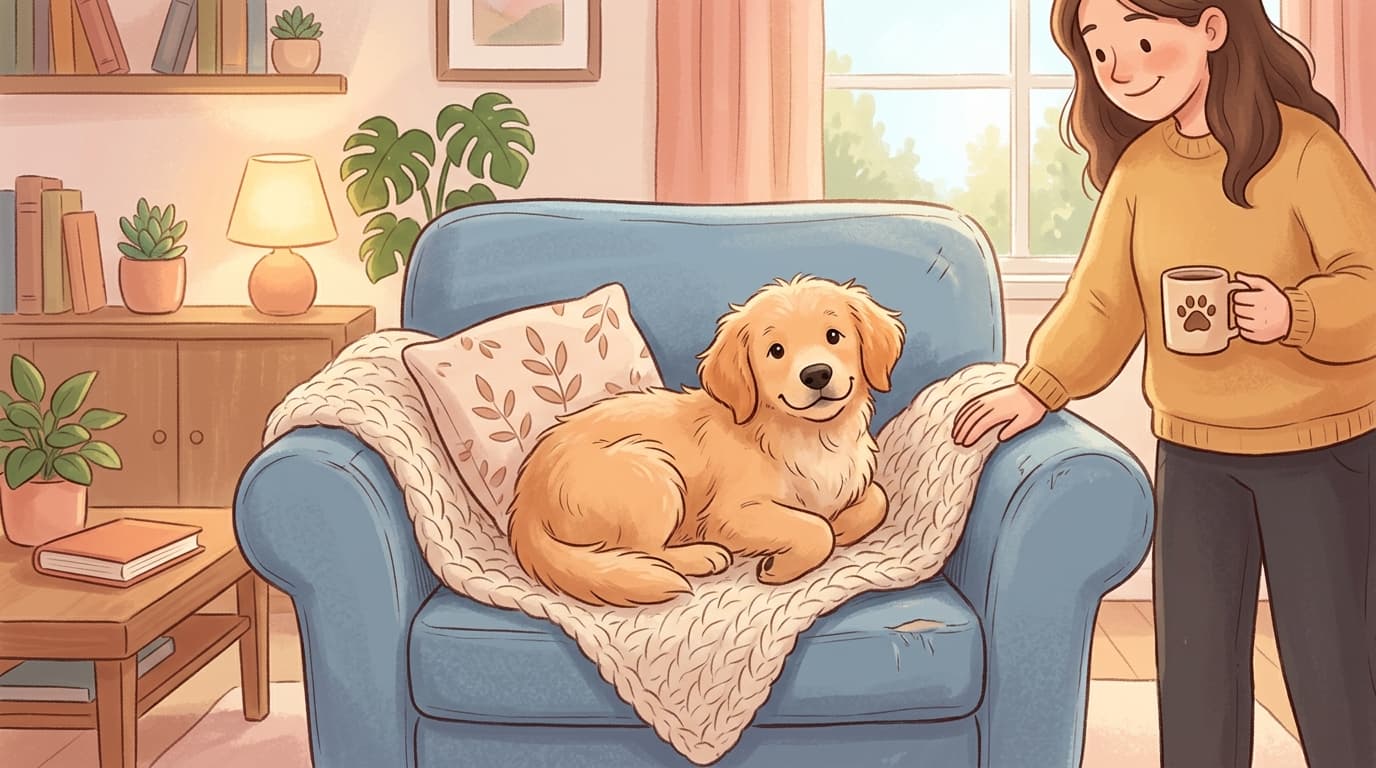
You stand up for a moment, and somehow your dog teleports into your exact spot like they’ve been waiting for it all day. It’s easy to label it as pushy or sneaky—but “seat stealing” is usually one of the most affectionate, comfort-driven things your dog does.
Your seat smells like you (and your dog reads it like a love letter)
Dogs don’t experience your home the way you do. You see a couch. Your dog smells a whole story.
Your favorite spot holds a concentrated version of you: skin oils, the unique “you” scent your dog recognizes instantly, and even subtle chemical changes that come with your mood. Most pet owners don’t realize dogs can pick up on emotional states through scent alone—so that cushion isn’t just familiar, it’s emotionally informative.
If you’ve ever noticed your dog pressing their nose into the fabric and sighing before settling in, that’s not them being dramatic. It’s comfort. It’s the closest thing they have to wrapping themselves in your presence when you’re not right there.
Your dog isn’t stealing your spot—they’re “keeping” it
From a human perspective, it feels like your dog is taking something from you. From a dog perspective, it can look more like protecting something important.
Dogs are wired to value key resting places and meaningful resources, especially those tied to the person they’re most bonded with. Sitting in your spot can be your dog’s way of holding onto the area that feels most like “your place” in the home—keeping it safe, keeping your scent strong, and staying close to what matters.
This is also why dogs often gravitate to things like worn shoes, laundry piles, or pillows when you’re gone. It’s not random mischief. It’s attachment plus comfort-seeking.
Why your seat specifically? It’s a sign of social closeness
In multi-person households, dogs usually don’t choose seats at random. They tend to pick the spot used by the person they feel most connected to.
Over time, your dog builds a surprisingly detailed mental map of the household: who feeds them, who walks them, who settles in for the evening, who feels like “home.” Your seat becomes meaningful because you made it meaningful by using it consistently—and because your dog associates that spot with your calm, your routines, and your presence.