Why Your Dog Sleeps Next to You After 50 (And What It Really Means)
If you’re over 50 and your dog sleeps with you, it’s more than comfort—it’s trust, bonding chemistry, and a nightly security ritual.
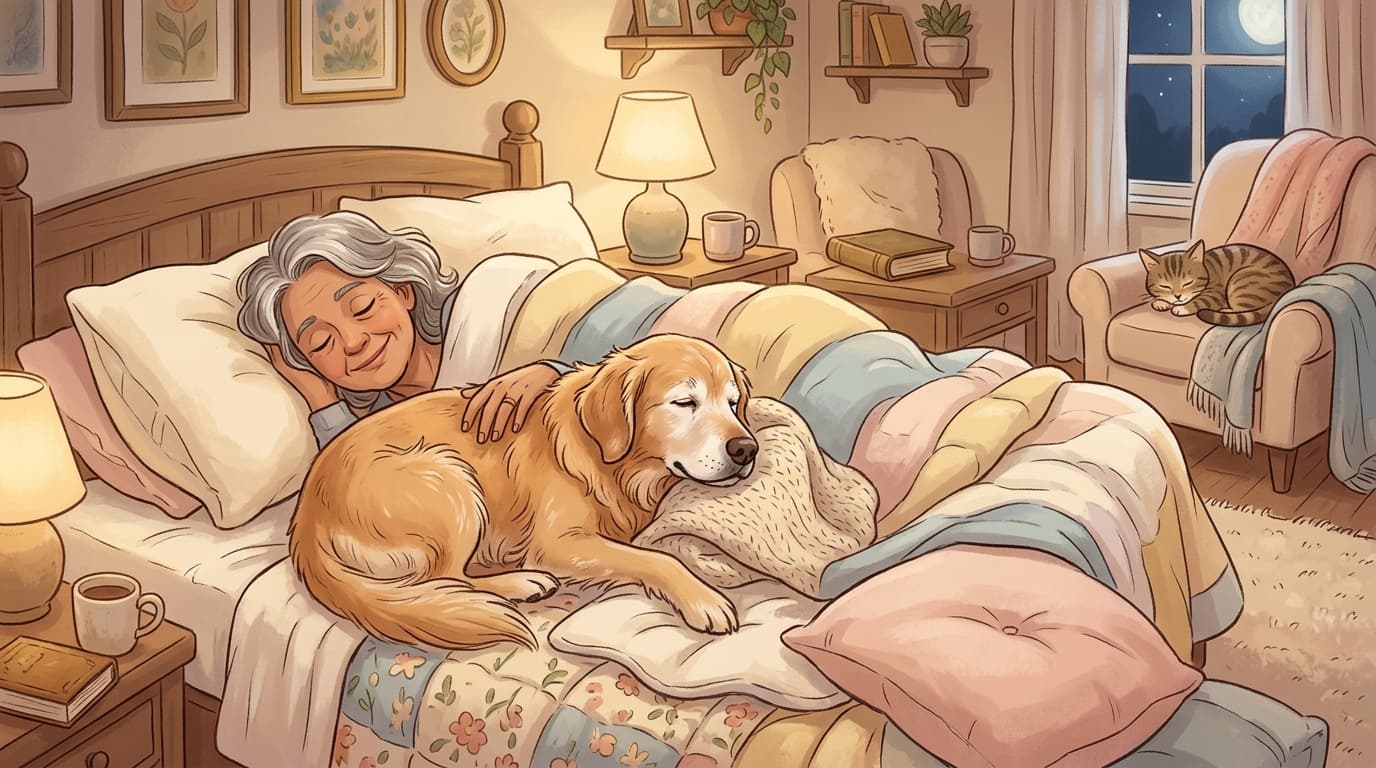
You know that moment when you shut off the lamp and your dog immediately settles in—pressed against your legs, parked at your feet, or somehow taking up half the mattress. If you’re over 50 and your dog sleeps with you every night, it’s not just a cozy habit. It’s a surprisingly deep mix of instinct, trust, and biology.
Your dog sleeps with you because their “pack brain” is still running
Even the most pampered dog carries old wiring from their ancestors. Long ago, canines survived by sticking close to their group at night—sharing warmth, safety, and the comfort of “someone’s on watch.”
So even though your home is safe, quiet, and climate-controlled, your dog’s nervous system still finds nighttime closeness deeply reassuring. If your dog chooses your bed instead of a perfectly good dog bed, they’re basically saying: This is where I feel safest. Your scent, your breathing, and your familiar movements are all signals that everything is okay.
The “feel-good” brain chemistry behind a dog sleeping next to you
A dog sleeping next to you isn’t only about warmth. Physical closeness with a trusted human can trigger the release of oxytocin—the bonding chemical associated with connection and calm.
That chemical shift can help your dog relax more fully, and it often goes hand-in-hand with lower stress levels. If you’ve ever noticed your dog sigh deeply the second they curl up beside you, you’re watching that calm response happen in real time.
Why your dog sleeps with you (and not everyone else)
In a household with multiple people, many dogs pick one “main” person at night. That choice usually comes down to trust built through routine: who feeds them, walks them, comforts them during storms, or simply spends the most steady, relaxed time with them.
Scent matters too. Dogs experience the world through their nose first, and the smell of their favorite person can be grounding in a way we humans don’t fully appreciate. If your dog consistently bypasses others to sleep with you, it’s not about finding the softest spot—it’s a quiet vote of confidence.
The emotional comfort of a dog sleeping with you after 50
For many people over 50, nights can feel different than they used to. Homes get quieter. Routines change. And sometimes bedtime is when loneliness gets loud.
A dog sleeping with you can soften that. Their steady breathing, warm body, and familiar presence can make the room feel less empty and the day feel more “complete.” Most pet owners don’t realize how much that simple nightly ritual can become an anchor—something reliable, comforting, and genuinely calming.
The surprising way your bodies can “sync” during sleep
When you sleep near a calm animal, your body can respond to that closeness. Many people find that a relaxed dog leaning against them has a settling effect—like built-in deep pressure comfort.
Over time, this kind of nightly routine can help your body slide more easily into rest mode. And your dog benefits too: your steady breathing and predictable presence can help them relax into deeper rest than they might manage alone.
Your dog’s “silent guardian” mode doesn’t fully turn off
Even when your dog looks completely knocked out, they tend to wake briefly throughout the night to check the environment. It’s normal canine behavior—tiny moments of alertness to listen, sniff, and make sure everything is still okay.
If your dog sleeps at the foot of the bed or positions themselves between you and the bedroom door, that’s not random. It’s a classic protective setup: close enough to relax, positioned well enough to respond.
What your dog’s sleep position says about how they feel
Where and how your dog sleeps can tell you a lot:
- Curled tightly against you (behind your knees or near your stomach): they’re seeking warmth and closeness, and they feel safe being snug.
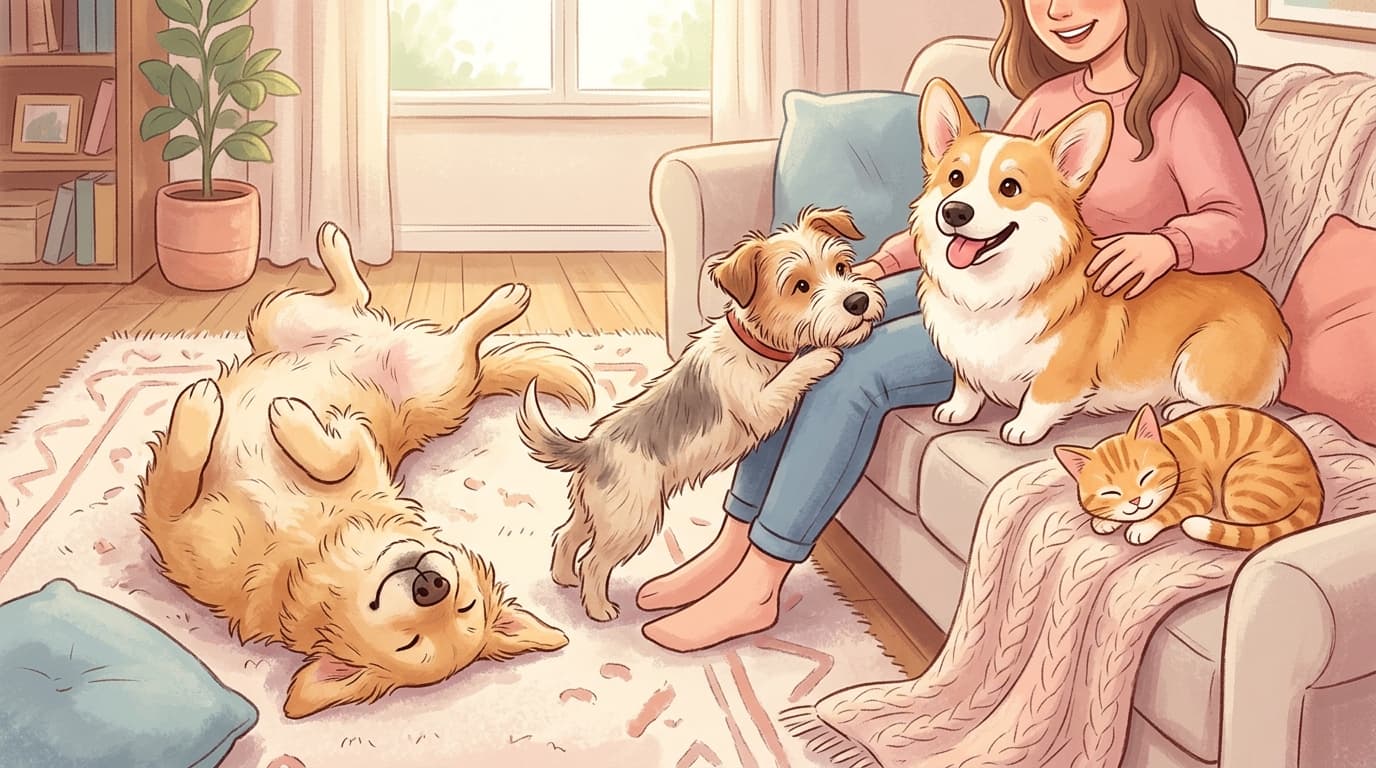
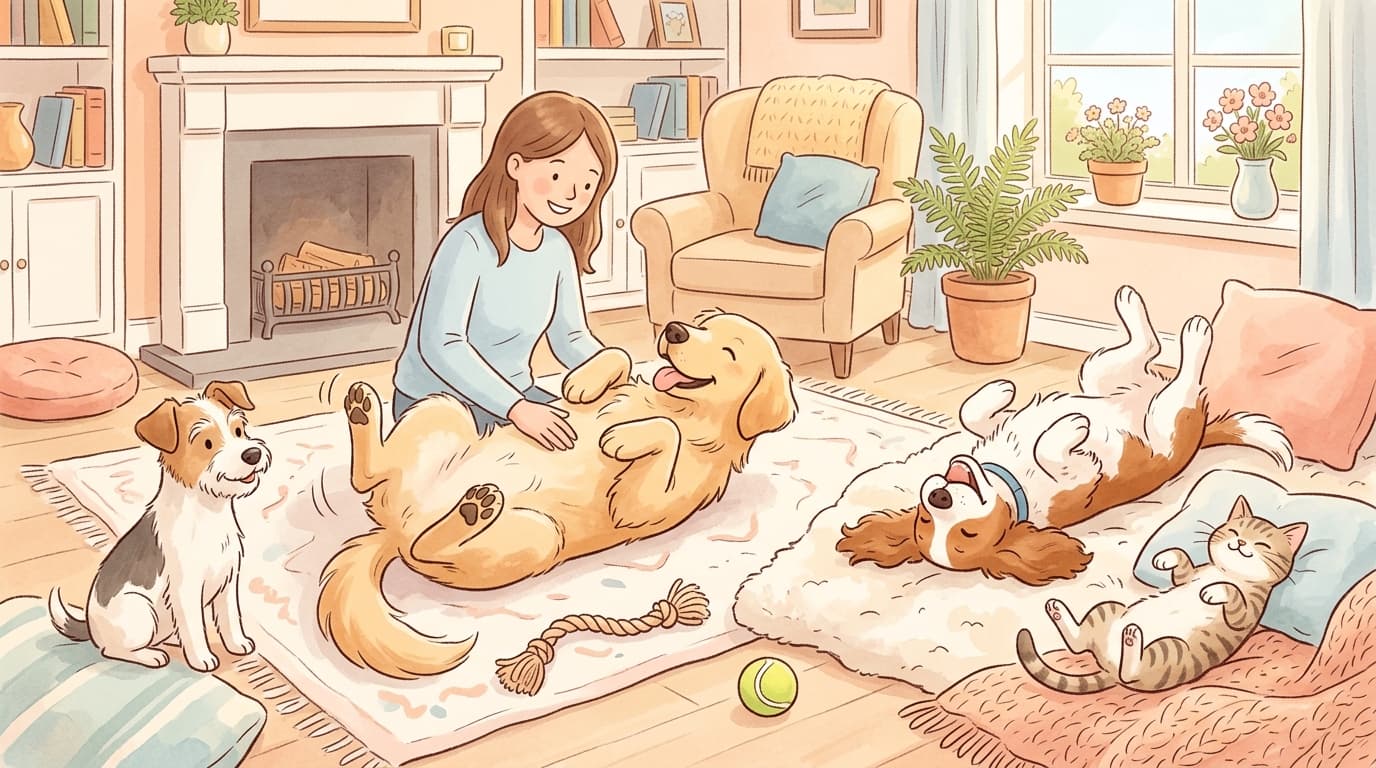
- Sprawled on their back, belly up: this is peak comfort. It’s a sign your dog feels completely secure in your home.
- Posted at your feet: often a mix of closeness and “I’m on duty” energy—near you, but ready to notice changes.
These positions aren’t strict rules, but they’re helpful clues. The big theme is always the same: your dog is choosing a place that feels emotionally and physically safe.
The ultimate trust signal: sleep is vulnerability
Sleep is the most defenseless state for any animal. Dogs don’t casually choose to be vulnerable next to someone they don’t trust.
So if your dog sleeps with you—especially night after night—they’re not just enjoying the mattress. They’re showing you, in the most instinctive way they can, that you are their safest place.
When a dog sleeping with you starts costing you rest
This bond is beautiful, but it has to work for both of you. Some dogs are restless sleepers—kicking, pacing, barking at noises, or shifting constantly. Over time, broken sleep can catch up with you, and quality rest matters more and more as you get older.
Other real-life issues can pop up too: new allergies, joint pain from navigating around a heavy dog, or the simple logistics of sharing space with a large breed.
A smart compromise is setting up a comfortable dog bed right next to your bed. Your dog still gets your scent and your presence, and you both get better sleep.
The takeaway
If you’re over 50 and your dog sleeps with you, it usually means you’ve become their trusted center—comfort, safety, and familiarity all rolled into one. Keep the closeness if it helps you both rest well, and adjust the setup if it doesn’t. Either way, that nighttime choice is your dog’s quiet way of saying: you’re home.
Continue reading

When Your Dog Shows Their Belly: How to Tell “Rub Me” From “I’m Nervous” (and What to Do Instead)
A belly-up dog isn’t always asking for rubs. Learn the body language cues and a simple “scratch, pause, opt-in” method.

5 Things Your Dog Does Only for You (And You Might Be Missing Them Daily)
Five subtle behaviors that show your dog has chosen you as their safe place, comfort person, and favorite human.

15 Signs Your Dog Is Truly Happy (Not Just ‘Fine’)—From Belly-Up Sleep to Micro-Touches
From belly-up sleep to weird joy rituals, these signs reveal when your dog feels safe, secure, and genuinely happy.