Why Your Dog Stares Into Your Eyes: The Bonding Science Behind That Look
That eye contact isn’t random—your dog’s gaze can boost oxytocin in both of you and strengthen your bond. Here’s what it means.
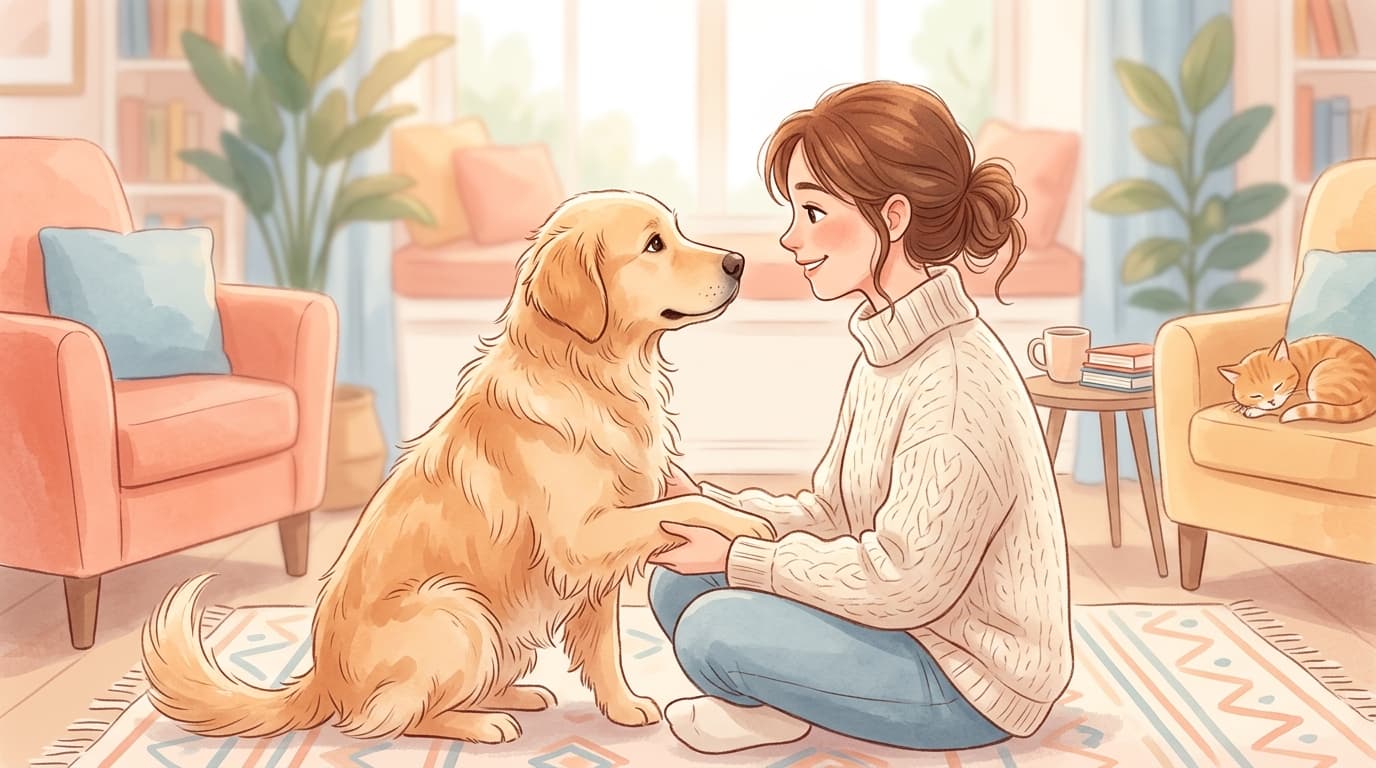
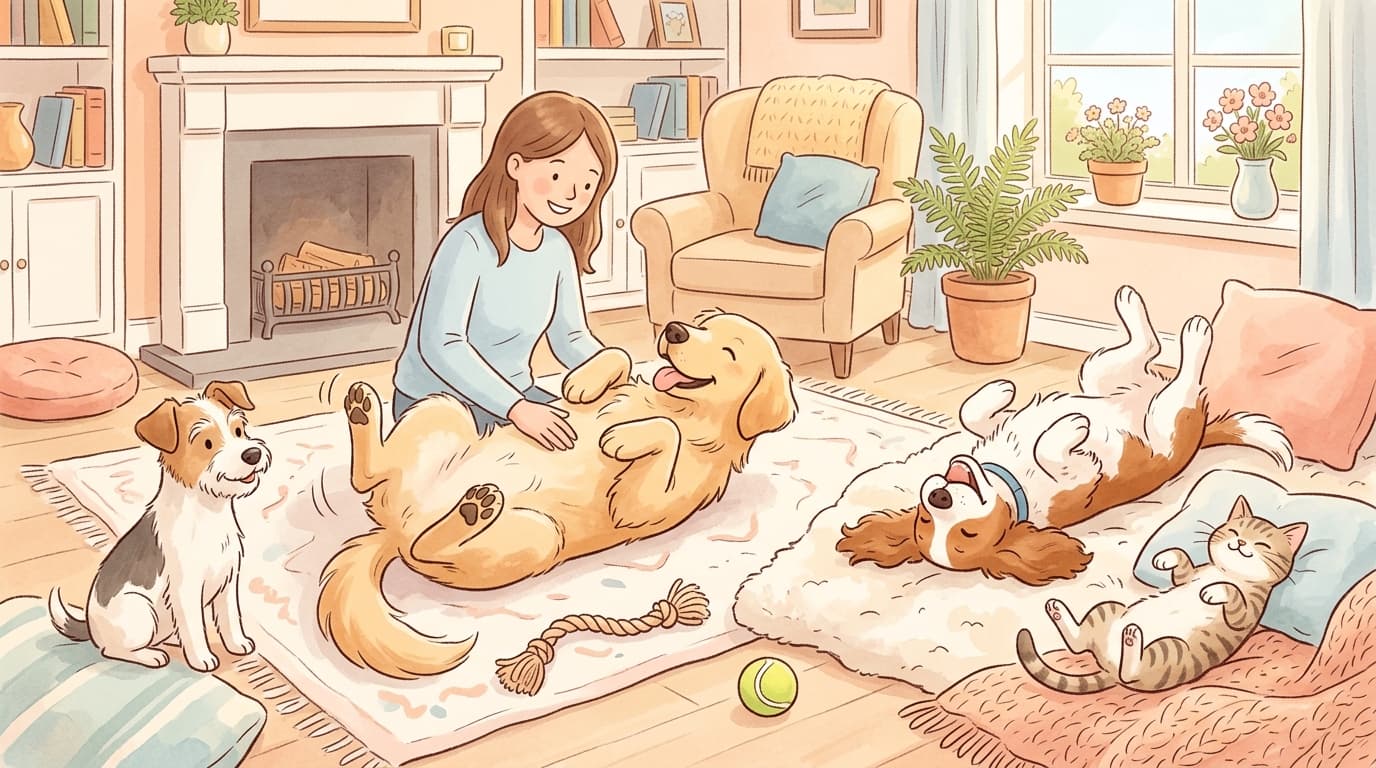
Your dog locks eyes with you and suddenly everything feels calmer, softer, more connected. That moment isn’t just in your head—there’s a real biological reason it can feel so intense.
Scientists have found that dog eye contact can trigger a hormone response in both dogs and humans that strengthens your bond, almost like a built-in “connection loop.”
Dog eye contact and the “oxytocin loop”
There’s a fascinating piece of research (published in Science) describing what happens during friendly, relaxed eye contact between a dog and their person. The basic idea is simple: when your dog looks at you and you look back, oxytocin levels rise in both of you.
Oxytocin is often linked to attachment and trust. It’s also tied to nurturing behaviors—think of the warm, protective feeling you get toward someone you love. In the study, the increase in oxytocin didn’t just sit there as a fun fact; it encouraged more affectionate interaction (like petting and gentle engagement), which then reinforced the bond even more. That’s why researchers describe it as a positive feedback loop: gaze increases oxytocin, oxytocin increases bonding behaviors, and those behaviors encourage more connection.
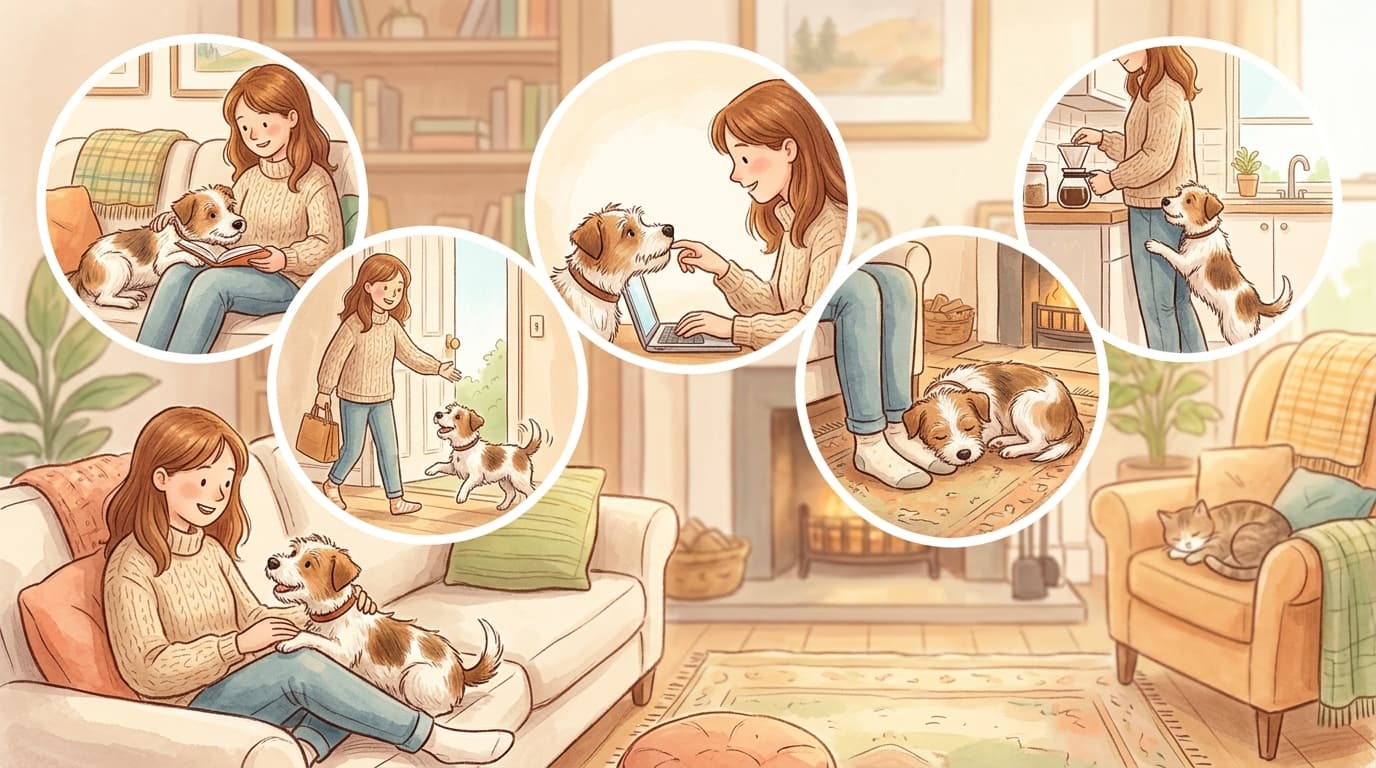
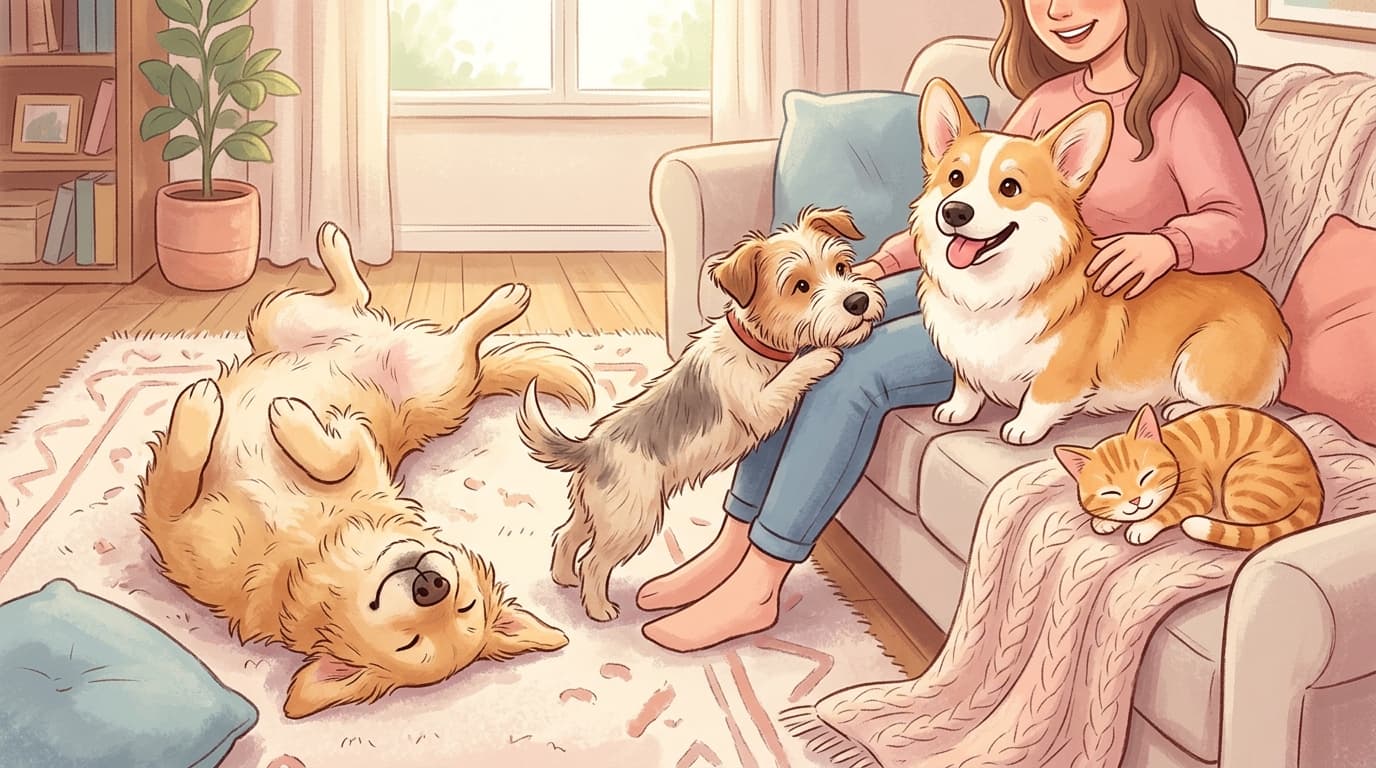
If you’ve ever noticed your dog gazing at you and then leaning in for affection (or following you around afterward like you’re the greatest thing that ever happened), you’ve seen the loop in action.
Why dogs do it (and why wolves usually don’t)
One of the most interesting parts of this research comes from comparison. Researchers looked at wolves raised by humans and socialized, and the pattern didn’t match what happened with dogs.
Even with human upbringing, the wolves didn’t show the same tendency to use prolonged eye contact in the same way, and they didn’t trigger the same oxytocin boost in people. That difference supports a bigger idea: this eye-contact bonding loop is likely a product of domestication.
Over thousands of years living alongside humans, dogs that were better at reading us—and better at communicating with us—would have had an advantage. They were more likely to be fed, protected, and kept close. Humans, in turn, became more responsive to those dogs. So dog eye contact isn’t just a cute habit; it’s part of how dogs and humans adapted to each other.