Why Your Dog Stares Into Your Eyes: The Oxytocin Bond Behind That Look
That intense dog eye contact can trigger an oxytocin “bond loop” in both of you—one reason your connection feels so strong.
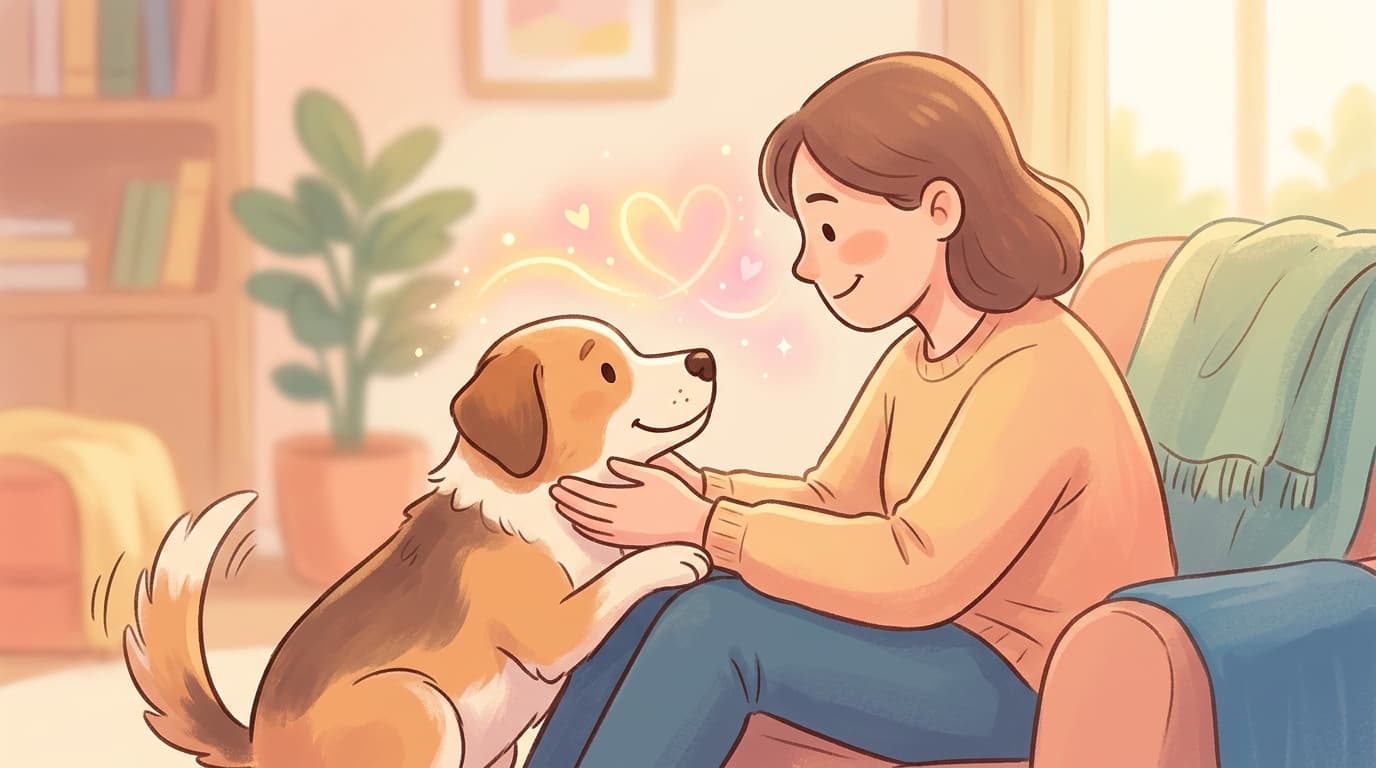
Your dog locks eyes with you and suddenly it feels like you’re the only two creatures in the room. It’s not always about treats or a walk—science suggests that dog eye contact can actually spark a bonding response in both of you.
Dog eye contact can trigger an “oxytocin bond loop”
Researchers have described something often called a positive oxytocin-gaze loop: when a dog and a human make warm, sustained eye contact, oxytocin levels can rise in both. Oxytocin is a brain chemical tied to attachment, trust, and nurturing behavior.
What’s fascinating is how this can become a self-reinforcing cycle. Eye contact boosts oxytocin, oxytocin makes you more likely to interact affectionately (petting, talking, staying close), and those friendly interactions can encourage your dog to look back at you even more. If you’ve ever noticed your dog staring at you and then leaning in for pets—or following you around afterward—this helps explain why the moment can feel so emotionally “sticky.”
Oxytocin doesn’t just happen to you—dogs respond to it too
In the same line of research, when dogs were given oxytocin, they tended to look at humans more. That matters because it suggests the bond isn’t one-sided or purely learned behavior.
In other words, your dog isn’t only staring because they’ve figured out it gets them what they want (though yes, dogs are smart). Their biology can be part of the story too, nudging them toward the kind of social connection that keeps the relationship close.
Why dogs do this (and wolves usually don’t)
One of the most telling comparisons is between dogs and human-raised wolves. Even when wolves are socialized by people, they typically don’t show the same pattern of mutual gaze that boosts oxytocin in humans.
That gap points to domestication as a major reason dog eye contact feels so different. Over thousands of years living alongside us, dogs developed communication habits that work well with human brains—things like sustained eye contact, sensitivity to our gestures, and responsiveness to our voice.
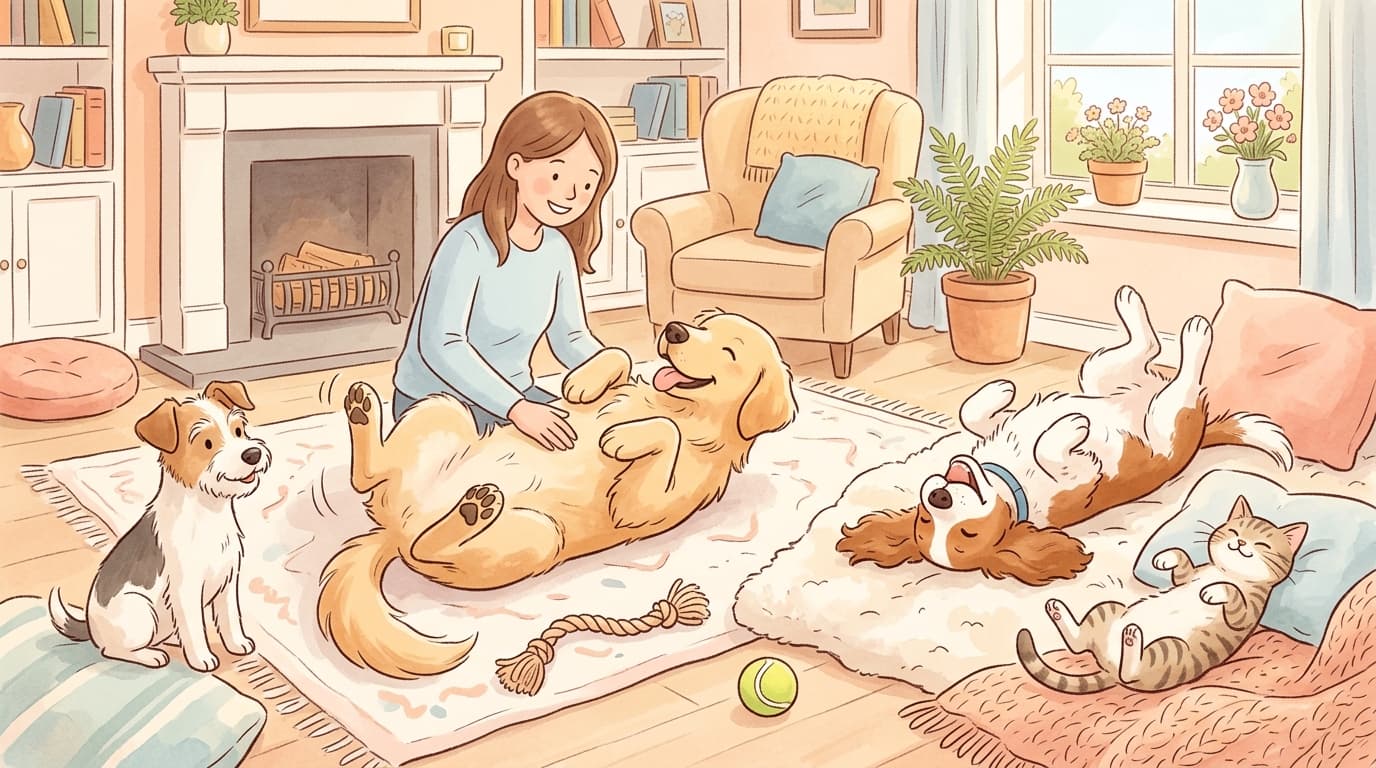
Coevolution: you shaped your dog, and your dog shaped you
Most pet owners don’t realize the relationship goes both ways. The idea of coevolution suggests that dogs and humans gradually adapted to each other.
- Dogs that were better at reading humans (and staying close to us) likely had an advantage—more food, more safety, more chances to reproduce.
- Humans, in turn, became more responsive to dog signals and more emotionally attuned to the animals that bonded with us.
Oxytocin is one of the biological “support beams” holding up that shared history. It helps explain why your dog’s gaze can feel comforting, grounding, and oddly personal.
Not every stare means the same thing: bond vs. stress
A soft, relaxed stare is usually very different from a hard, unblinking one. Context matters.
A bonding look often comes with:
- A loose, comfortable body
- Gentle eyes (not wide and intense)
- Relaxed ears and face
- A calm tail and easy movement
A tense or challenging stare is more likely when your dog is stressed or unsure. Watch for:
- Stiff posture or frozen stillness
- Ears pinned back or very forward and rigid
- A tight mouth, lip licking, or yawning (stress signals)
- A tail held high and stiff—or tucked tightly
If the body looks tight, don’t force eye contact. Give your dog space and let them relax first.
How to encourage healthy dog eye contact (without making it weird)
If your dog naturally offers eye contact in calm moments, you can reinforce the bond in simple ways:
- Respond with gentle attention. Soft voice, slow petting, or just staying close can keep the interaction positive.
- Blink and soften your face. A relaxed expression can help your dog feel safe.
- Pair eye contact with calm routines. Quiet check-ins before a walk, during cuddle time, or while resting together can build trust.
- Respect your dog’s boundaries. Some dogs prefer less direct eye contact, especially if they’re shy or easily overstimulated.
The real reason that look feels so powerful
Dog eye contact isn’t just a cute habit—it’s part of a deep, domestication-shaped communication system that can strengthen your bond on a biological level. That’s one reason dogs don’t just live with us; they connect with us.
Next time your dog looks into your eyes, take a second to notice the rest of their body language. If they’re relaxed, you’re probably watching a tiny moment of trust—and a relationship that’s been thousands of years in the making.
Continue reading

When Your Dog Shows Their Belly: How to Tell “Rub Me” From “I’m Nervous” (and What to Do Instead)
A belly-up dog isn’t always asking for rubs. Learn the body language cues and a simple “scratch, pause, opt-in” method.

5 Things Your Dog Does Only for You (And You Might Be Missing Them Daily)
Five subtle behaviors that show your dog has chosen you as their safe place, comfort person, and favorite human.

15 Signs Your Dog Is Truly Happy (Not Just ‘Fine’)—From Belly-Up Sleep to Micro-Touches
From belly-up sleep to weird joy rituals, these signs reveal when your dog feels safe, secure, and genuinely happy.