Most people assume cats are just tiny roommates who tolerate us for food. But if you’ve ever felt your cat choose you—your lap, your chest, your side of the bed—you’ve seen something a lot of owners miss.
Below are 15 subtle signs your cat truly trusts you, plus how to respond in a way that builds the bond instead of accidentally breaking the moment.
If your cat walks up with their tail held straight up when you get home, that’s not a random habit. In cat social language, tail-up greetings are closely tied to deep comfort and secure attachment.
Look even closer: some cats do a tiny tail-tip quiver when they’re happy to see you. It’s like their body blurts out excitement before they can “play it cool.”
How to pet the right way: Pause before you head to the kitchen. Offer a finger for a quick sniff, then give a couple of gentle strokes along the cheeks or shoulders. Keep it short and sweet—think “warm hello,” not “full-body massage.”
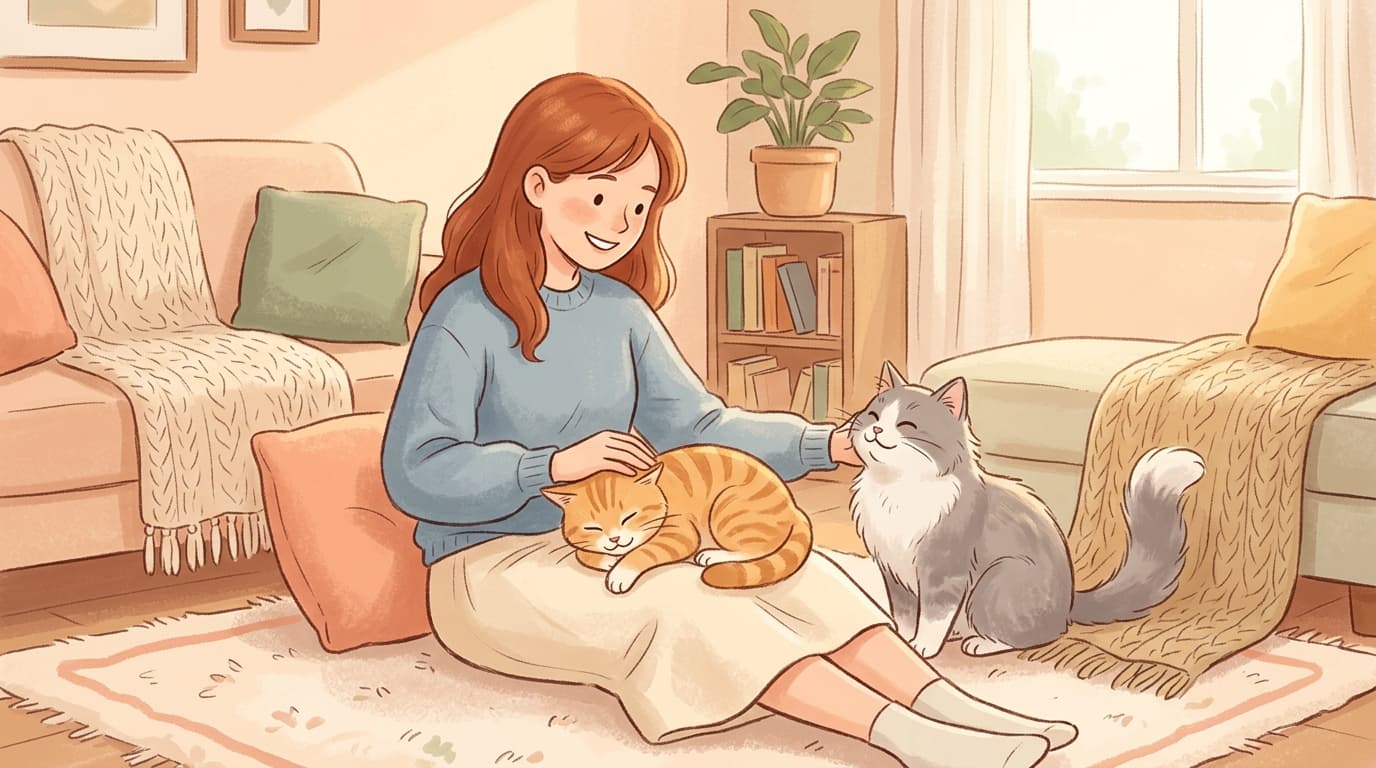
When your cat chooses to sleep on your chest or curled against you, they’re picking a place where they’ll be at their most vulnerable. Deep sleep is when a cat’s defenses are lowest—so choosing your body as the “safe zone” says a lot.
How to pet the right way: Don’t feel like you have to pet at all. Stillness is often the best “response.” If you do touch them, go slow and keep it light—one or two strokes, then stop.
That soft head-to-face rub right after you wake up isn’t just your cat being pushy. Face rubbing is a close-bond behavior—more like a daily “we’re still us” check-in than a demand for breakfast.
How to pet the right way: Meet them halfway. A gentle cheek rub with your knuckles (not fingertips) usually feels less intrusive and more cat-like.
If your cat stares at you with relaxed eyes and slightly widened pupils in a calm room, it can signal positive emotional arousal—your presence is doing something good in their nervous system.
How to pet the right way: Don’t rush in. Try a slow blink back, then wait. Let your cat be the one to close the distance.
If your cat trails you from room to room—or camps outside the bathroom door—you’re not imagining the devotion. Cats with secure bonds often keep their favorite person within reach. For some cats, your presence is genuinely regulating and calming.
How to pet the right way: Reward the closeness without turning it into constant handling. A quick verbal greeting, a brief cheek scratch, then let them continue “supervising.”
Seeing the belly is one of the biggest vulnerability displays a cat can offer. But it’s commonly misunderstood: belly-up often means “I trust you,” not “please touch my stomach.” That’s why so many people go in for the rub and get gently grabbed or mouthed.
How to pet the right way: Treat belly-up as a compliment. Aim for head, cheeks, or shoulders instead. If you want to test the waters, offer a hand near (not on) the belly and see if your cat leans in or stays relaxed.
Many owners notice their cat gets unusually close on hard days—quietly sitting nearby, leaning in, or staying in the same room without asking for anything. Cats can pick up on changes in your posture, facial tension, and voice in ways that surprise people.
How to pet the right way: Keep it low-key. Slow strokes, a calm voice, and letting them choose contact is usually what they’re after.
If your cat parks themselves just within arm’s reach—close enough to touch, but not demanding cuddles—that’s not indifference. It’s a deliberate “together, but not crowded” choice.
How to pet the right way: Don’t take it personally and scoop them up. Let that distance be part of the trust. If you want to connect, extend a hand and see if they come to you.
Cats can distinguish their person’s voice from others. Ignoring you isn’t always rejection; sometimes it’s comfort. A cat who feels safe may not feel the need to rush over every time you call.
How to pet the right way: Use your voice as a gentle cue, not a command. Praise and calm attention work better than repeated calling.
When your cat licks your hand, hair, or face, it often resembles social grooming—something cats reserve for their closest relationships. It can be a caretaking gesture, especially when you’re still, tired, or quiet.
How to pet the right way: If you don’t love the sensation, don’t scold. Redirect with a cheek rub or offer a soft blanket they can knead and groom instead.
If your cat curls up on your hoodie, shirt, or side of the bed, they may be using your scent to settle themselves. For many cats, “smells like you” equals “safe.”
How to pet the right way: Consider leaving a designated “you-scented” item in a favorite spot. It’s an easy way to support your cat’s calm without doing anything fancy.
Some cats do a big, deliberate stretch right as you walk in—front paws long, back arched, whole body loosening. That kind of stretch requires relaxation. It can be a physical expression of relief and safety.
How to pet the right way: Give them a second to finish the stretch, then greet with a light head or cheek stroke rather than grabbing or lifting.
If your cat loops their tail around your leg as they pass—or drapes it over your hand—notice how intentional it is. It’s contact without drama, like a gentle tether.
How to pet the right way: Acknowledge it. A soft “hi,” a small scratch at the base of the ears, and then let them move on.
When your cat presses their forehead to your face, chin, or hand and just holds there—no rubbing, no movement—that stillness is the point. It’s closeness without needing anything.
How to pet the right way: Don’t turn it into a flurry of petting. Stay calm, breathe, and let the moment last as long as your cat wants.
Some cats sit nearby and quietly monitor their person at night. It can look creepy until you realize it may be protective scanning—your cat staying alert while you’re vulnerable.
How to pet the right way: You don’t have to “reward” it. Just make sure your cat has a comfortable perch or bed near you if they like one.
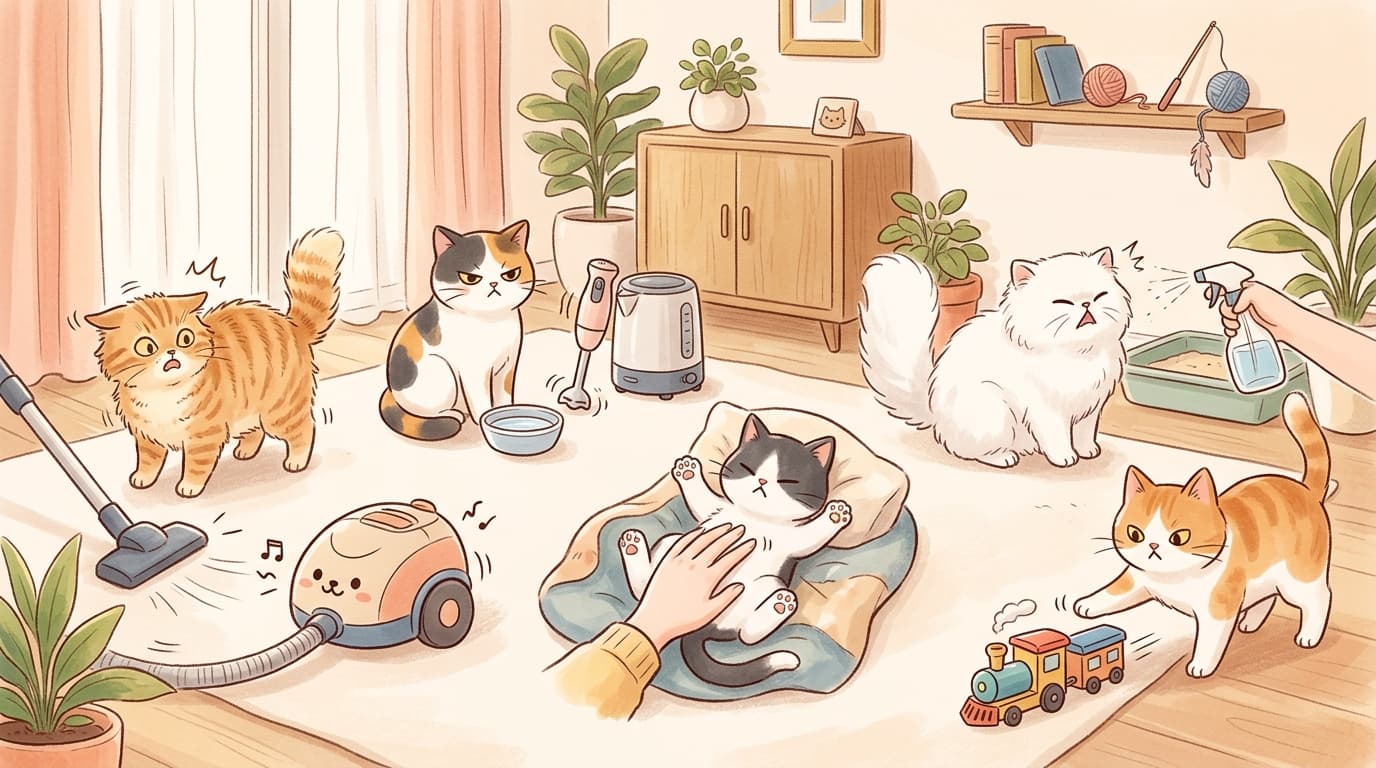
If you’ve ever noticed your cat enjoying pets for 10 seconds and then suddenly acting overstimulated, you’re not alone. A simple method keeps you from petting your cat the wrong way:
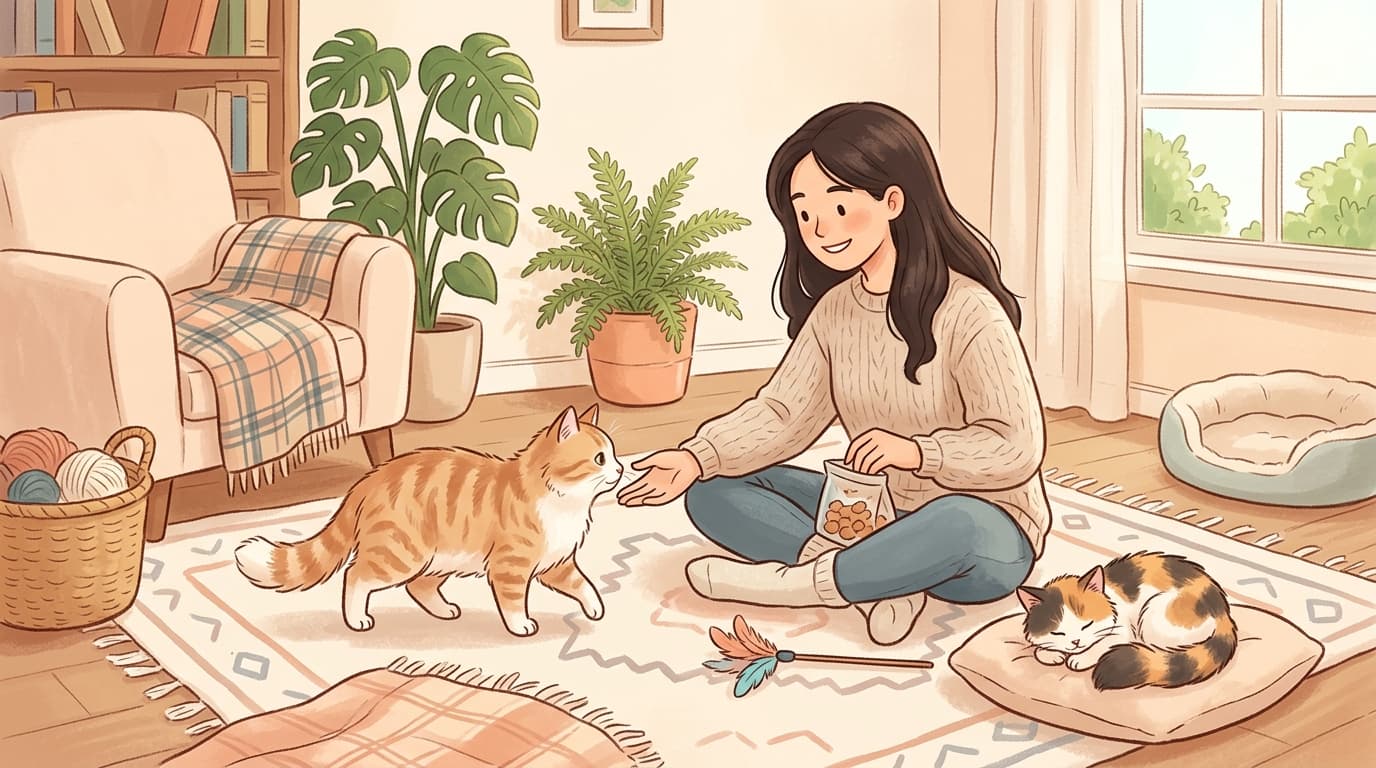
- Invite, don’t impose: Offer a finger or knuckles for a sniff.
- Start where most cats love it: Cheeks, under the chin, base of the ears, shoulders.
- Keep it brief: 2–5 strokes, then pause.
- Let your cat choose the next step: If they lean in, you continue. If they look away or shift, you stop.
This approach respects what your cat is actually saying with their body: “I want connection, but I also want control.”
Your cat’s love language is often quiet, subtle, and easy to miss if you’re rushing past it. Notice one signal today—tail-up greetings, the nearby sit, the forehead press—and respond with slower hands and fewer assumptions. That’s how trust turns into a bond you can feel in the room.