4 Simple Ways to Make Your Dog Ridiculously Happy Every Day
From sniff-heavy walks to tiny daily choices, these 4 simple habits can make your dog noticeably happier and more connected to you.
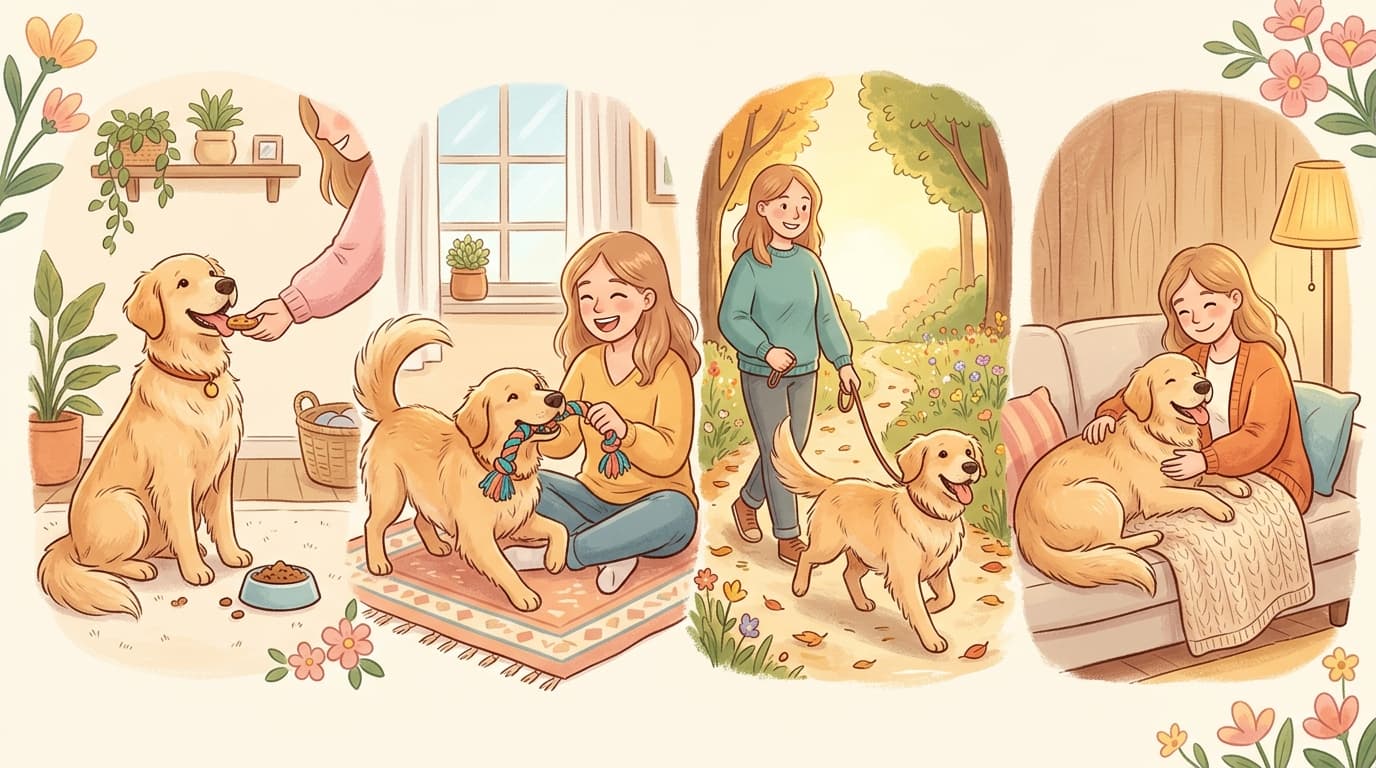
Most dogs look happy a lot of the time… but there’s a difference between “content” and that loose-bodied, sparkly-eyed, tail-swaying kind of joy. The good news is you don’t need fancy gear or a perfect schedule to get there. A few small shifts in how you respond, walk, and play can make your dog feel genuinely great about life with you.
1) Don’t Misread the Gentle “Love Bite”
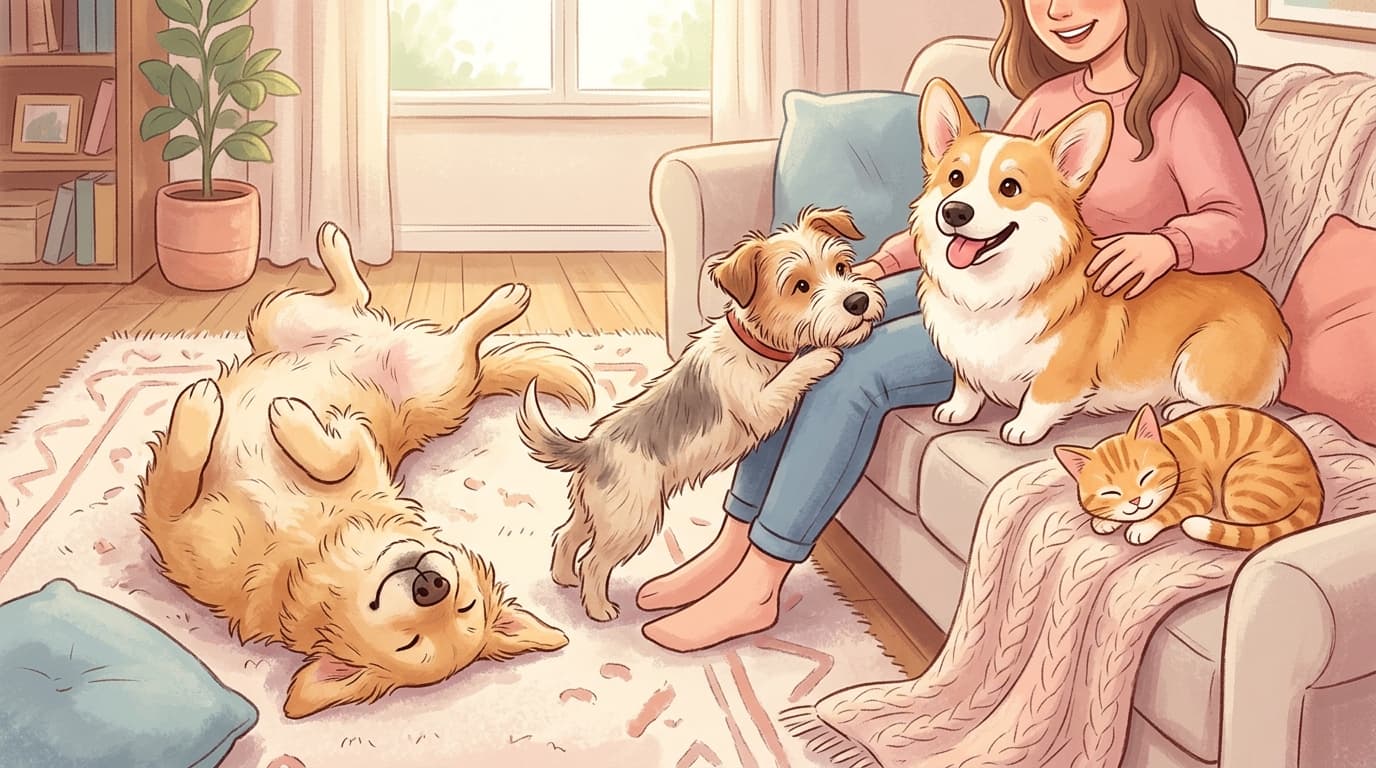
If you’ve ever noticed your dog softly nibbling your sleeve, your hand, or even your hair, your first instinct might be to shut it down. Totally understandable—humans hear “teeth on skin” and think, Not okay.
But in dog-world, gentle mouth contact with someone they trust can be a bonding gesture. You’ll often see this kind of rhythmic nibbling between littermates or from a parent dog grooming pups. With you, it can mean: “You’re safe. You’re mine. We’re good.”
That’s why harshly scolding a dog for this kind of gentle nibble can backfire emotionally. You’re basically rejecting a friendly, vulnerable moment. Over time, some dogs get more reserved in play because they’re worried they’ll “get it wrong.”
How to handle it without encouraging roughness
- Soften your body and stay calm. Tension can ramp a dog up.
- Give feedback without drama: a quiet “Gentle” or “Easy” works better than a big reaction.
- Redirect to something appropriate if they’re getting mouthy: offer a toy or chew so they can keep the affectionate vibe without using your arm.
There is a line, of course. If your dog is frantic, overstimulated, or biting hard enough to hurt, that’s not affection anymore—it’s a dog who needs help calming down. But for the classic soft, rhythmic nibble? That’s often a trust signal.
2) Use “Micro Choices” to Give Your Dog More Agency
Most pet dogs live in a pretty choice-poor world. You decide when the walk happens, which direction you go, who they meet, when play starts, when it ends… even where they’re allowed to lie down.
Structure keeps dogs safe, but total control can quietly flatten their joy. Dogs tend to thrive when they get small, safe moments of control throughout the day.
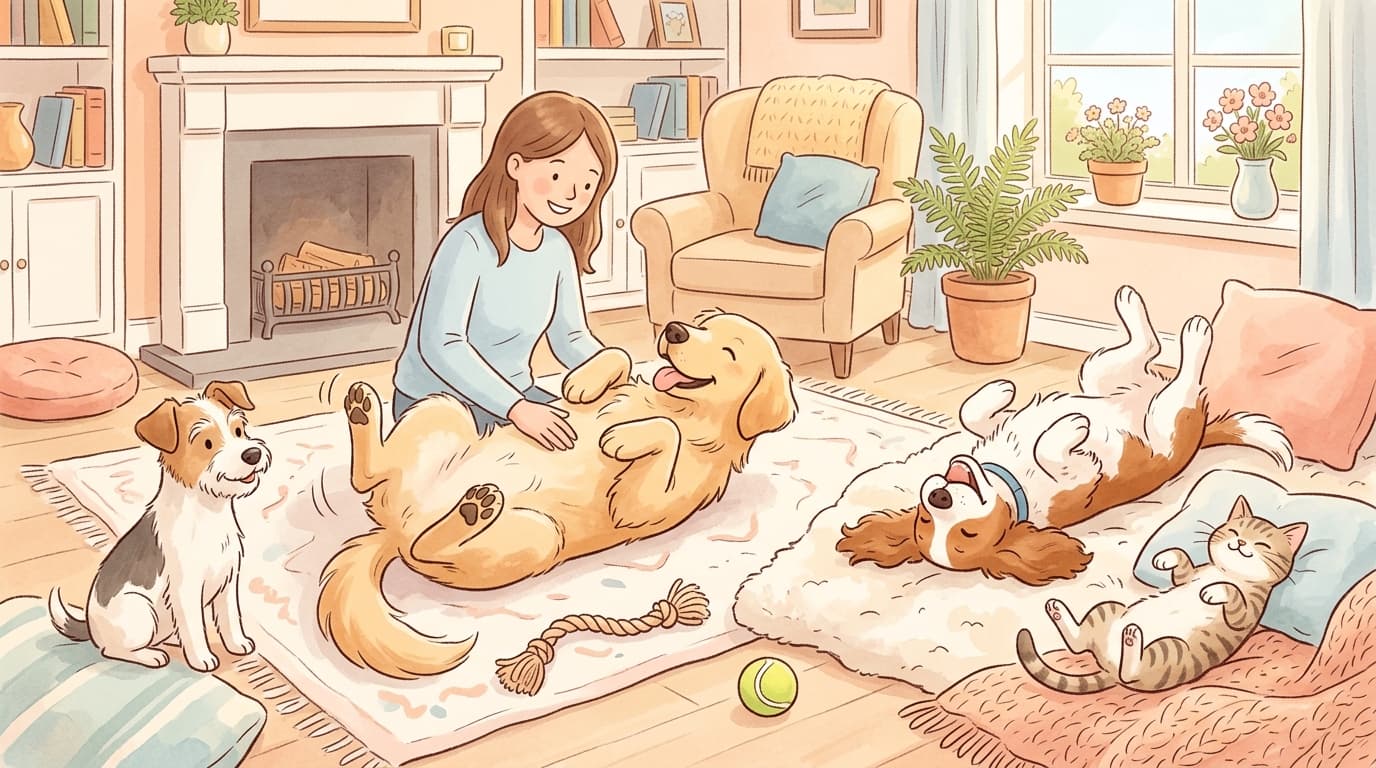
Research has found that when dogs are allowed to make tiny choices during training—like which toy to retrieve—they often show more upbeat body language and can even learn faster. It’s still your game, but now your dog feels like a participant instead of a passenger.
Easy micro choices you can add today
- Toy choice: hold out two toys and let your dog pick with their nose.
- Route choice: offer a left-or-right moment on walks.
- Greeting choice: before letting them meet another dog or person, pause and see if your dog leans in happily—or hangs back.
- Engagement choice: before calling them away from something, give a brief beat so they can choose to come with you, not just be interrupted.
A dog who gets agency isn’t “less obedient.” They’re often steadier, more cooperative, and more likely to check in with you naturally.
3) Let Your Dog Sniff Like It’s Their Full-Time Job
To you, a walk might be exercise. To your dog, it’s information.
A dog’s nose is ridiculously powerful—so powerful that the world becomes a living message board of who’s been here, what they ate, how they felt, and whether they were stressed or relaxed. Every lamppost and grass patch is basically a neighborhood update.
So when a walk turns into a rushed power march—constant leash pressure, constant “Come on!”—your dog loses the chance to “read the news.” And yes, that can genuinely affect their mood.
Try a decompression-style sniff walk
Set aside even 10 minutes where the goal isn’t distance. The goal is letting your dog lead the pace (within reason), stop at interesting smells, and take their time. Keep your voice neutral and resist hurrying them along.
Many dogs visibly soften during this: looser tail, gentler eyes, calmer breathing. It’s one of the simplest ways to make your dog feel good in their body and connected to their environment.
4) Trade One-Sided Obedience for Teamwork
Most pet owners don’t realize how much dogs love cooperation. Yes, dogs can follow cues—but what many dogs crave is the feeling of doing something with you.
Dogs are built for partnership. They watch your intentions, your tone, your movement, and they want to be part of the plan. When every interaction is just commands and compliance, they’ll behave… but they won’t necessarily light up.
Collaborative little “missions” can flip that switch.
Simple teamwork games that make dogs glow
- “Find it” searches: toss a treat and ask them to hunt.
- Hide-and-seek with treats or toys around one room.
- Problem-solving together: hold a treat under one of two cups and let them choose.
- Helpful tasks: if your dog likes carrying things, let them bring a toy to their bed or “deliver” something safe like a soft item.
Even your wording can change the vibe. Instead of barking out a sequence of cues, try an inviting tone—like you’re asking for help. Your dog doesn’t just hear instructions; they feel included.
The Takeaway
If you want a happier dog, think less about “perfect training” and more about connection: respect their affectionate quirks, sprinkle in small choices, protect their sniff time, and create little moments of teamwork. Your dog doesn’t need a bigger world—they need a world that feels shared with you.
Continue reading

7 Dog Body Language Signals Most Owners Miss (And What Your Dog Is Really Saying)
From play bows to doorway guarding, learn the dog body language signals that reveal trust, comfort, and connection.

Dog Body Language Signs of Love: 7 Little Moments That Mean “You’re My Person”
From the play bow at the door to sleeping pressed against you, these dog body language signs quietly prove how much your dog loves you.

Male Dogs vs Female Dogs: 5 Real Differences You’ll Notice at Home and on Walks
From pee-mail to leash pulling and rough play, here are 5 everyday ways male dogs tend to differ from females.