A 5-Minute Pre-Departure Routine to Ease Dog Separation Anxiety
Use this simple pre-departure routine to reduce dog separation anxiety with calmer cues, scent, sound, light, and a quiet exit.
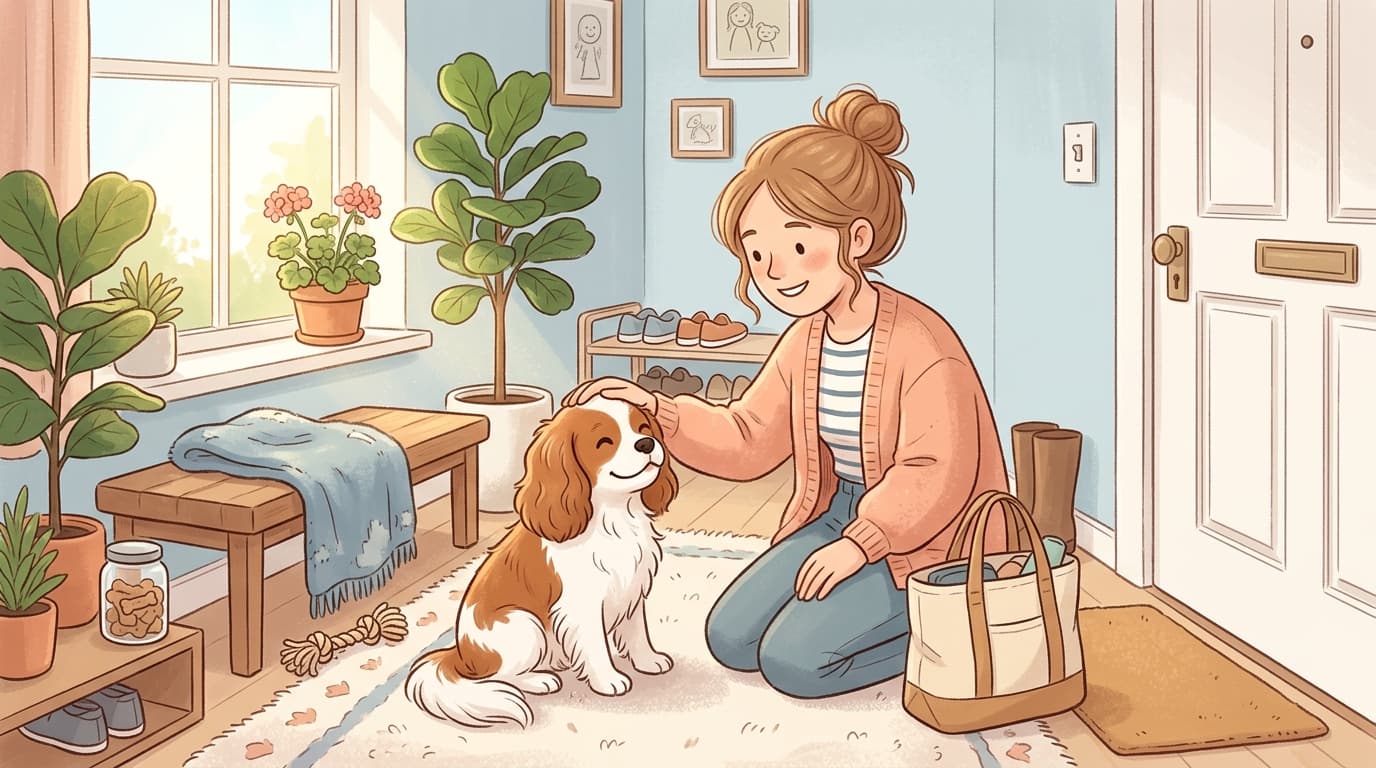
That sad whimper you hear as you head out the door isn’t “drama” or your dog being extra clingy. For many dogs, separation anxiety is a real stress spiral that starts before you’ve even left—often triggered by tiny parts of your morning routine you don’t think twice about.
The good news: you can change what your dog expects from departures in just a few minutes a day, using a handful of simple cues that tell their nervous system, “This is normal. You’re safe.”
Dog separation anxiety starts before you leave
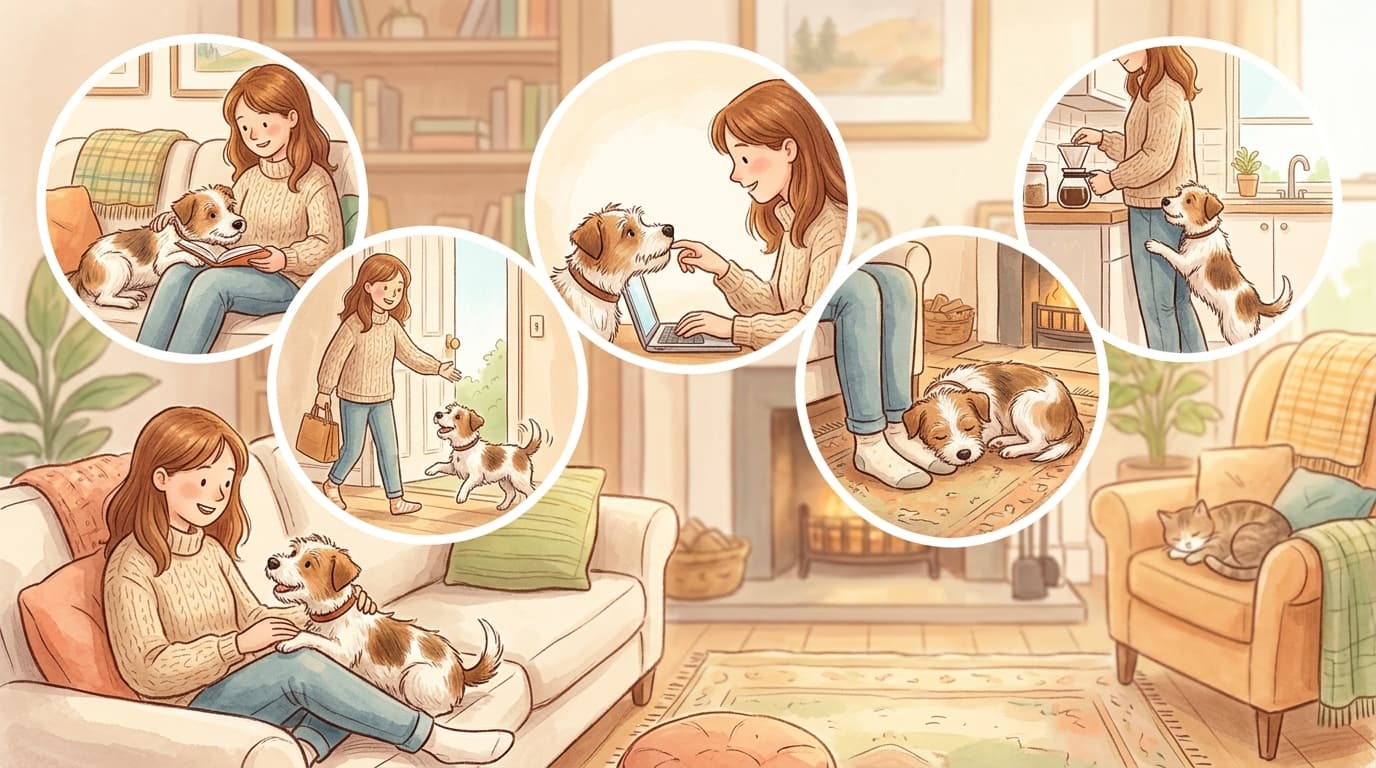
Dogs are ridiculously good at spotting patterns. If you’ve ever noticed your dog perk up the moment you grab your keys or slip on your “work shoes,” you’ve seen it in action.
Over time, everyday objects (keys, shoes, bag, coat) can become emotional alarm bells. Your dog isn’t reacting to the door closing—they’re reacting to the prediction that isolation is coming.
Neutralize the “departure triggers”
A few times throughout the week (especially when you’re not actually leaving), casually pick up your keys, put on your coat, or grab your bag… and then do something boring.
- Jingle your keys and sit on the couch
- Put on your shoes and make coffee
- Pick up your bag and fold laundry
The goal is to make those cues meaningless again, so your dog’s stress doesn’t start climbing before you even reach the door.
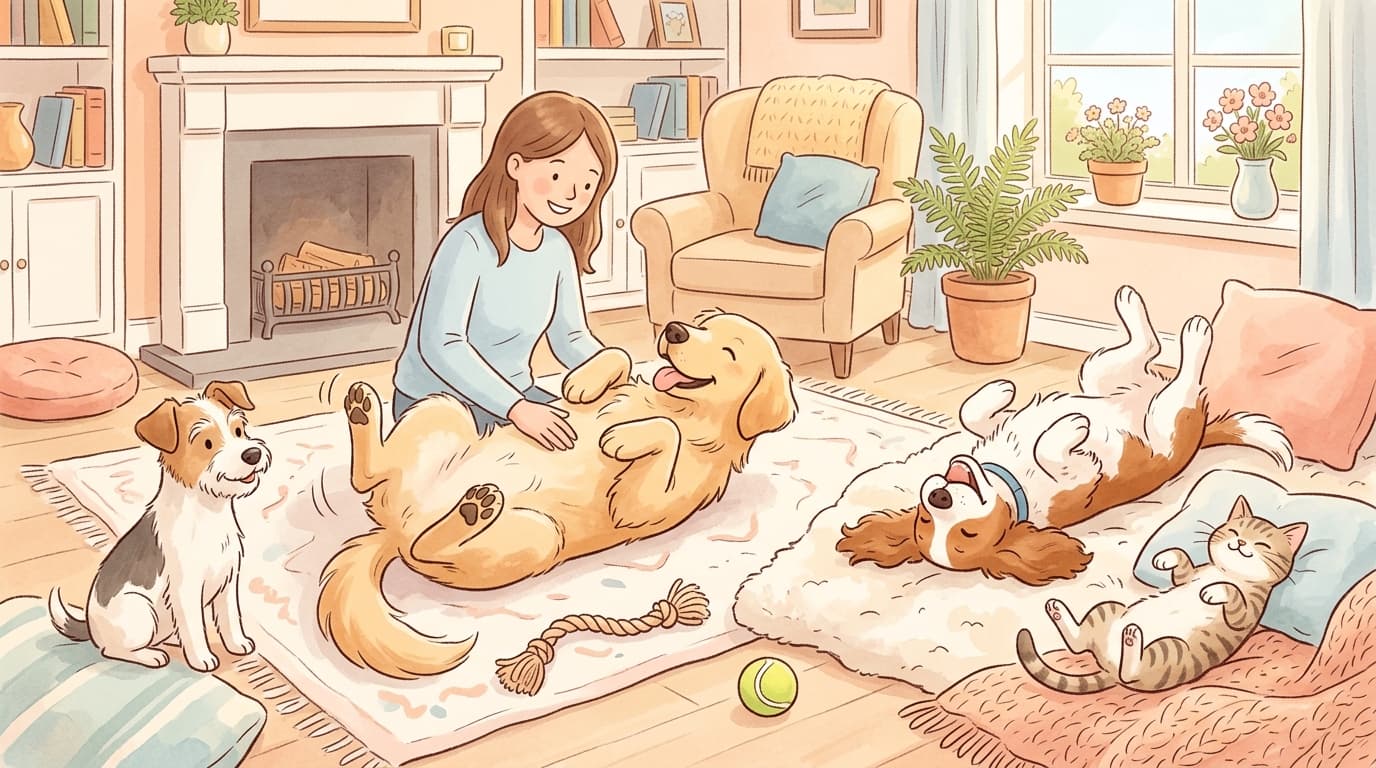
Get on your dog’s level to lower the pressure
Most pet owners don’t realize how intense “rushing energy” feels to a dog. When you’re zipping around the house, towering over them, checking your phone, hunting for your wallet—your dog can read that as tension in the environment.
Before you start your leaving routine, slow down for a moment and physically lower yourself.
- Sit on the floor
- Let your dog approach you (don’t hype them up)
- Offer calm, gentle contact if they want it
This isn’t about a long cuddle session. It’s about signaling steadiness—like you’re telling your dog, without words, that nothing scary is happening.