Your Cat Might Not Recognize Your Face—But They Never Forget These 6 Things About You
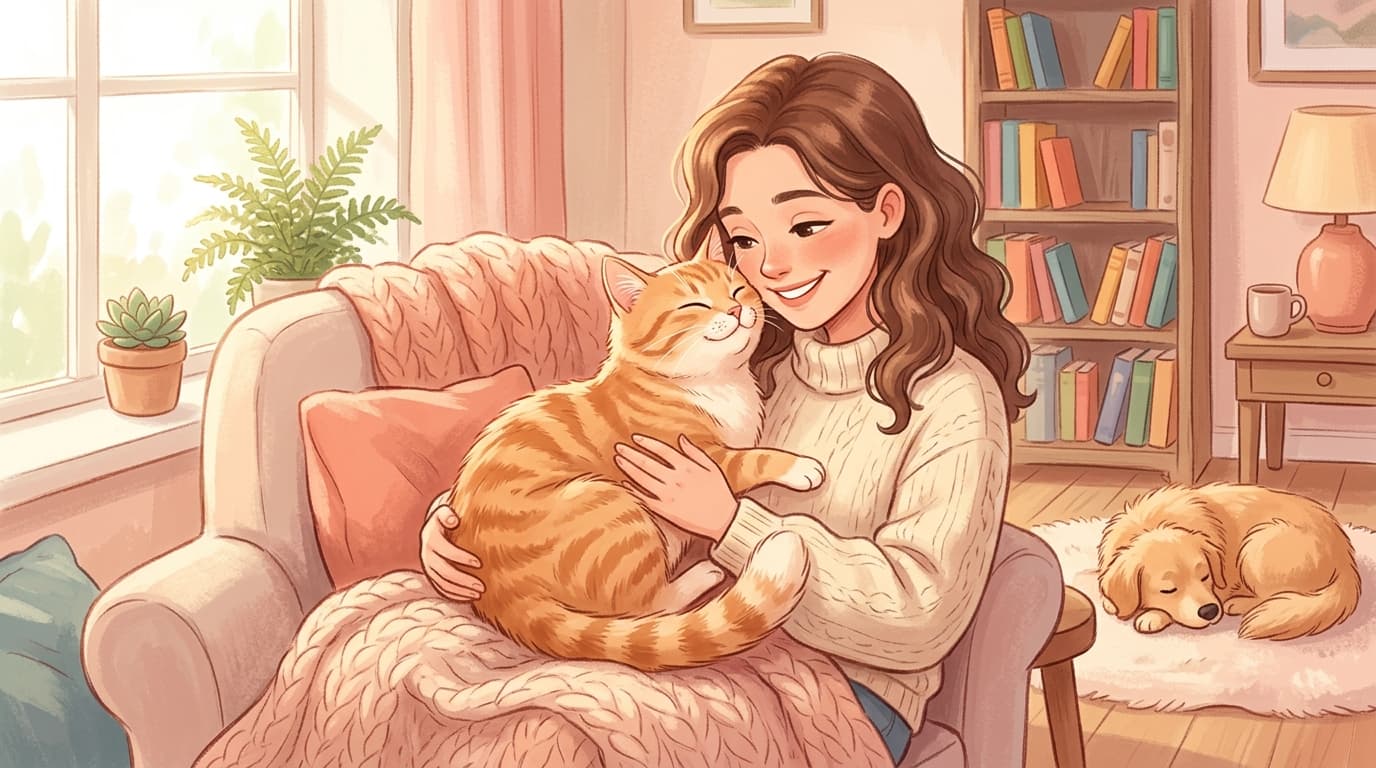
Most people assume their cat recognizes their face the same way they recognize theirs. But your cat’s “you” isn’t a crisp mental photo—it’s a bundle of smells, sounds, rhythms, and feelings they’ve been collecting for years.
Below are six things your cat remembers about you (often more clearly than your actual face), and why that memory can look like love, loyalty, or even stubbornness.
1) Your cat doesn’t recognize your face the way you think
If you’ve ever come home after a trip and your cat is rubbing your legs within seconds, it feels like instant face recognition. What’s really happening is smarter—and more cat-like.
Cats can tell human faces apart, but they don’t rely on facial details the way we do, especially from a distance. Their vision shines at detecting motion and handling low light, not studying tiny features across a room. So instead of “that’s your face,” your cat is more likely working with a general silhouette paired with a flood of familiar, good associations.
What your cat truly uses to identify you is your personal “signature”—and it’s not visual.
2) Your scent is your cat’s real ID card
Your cat knows you by smell in a way that’s hard for humans to imagine. Their sense of smell is far stronger than ours, and they’re constantly building a long-term library of “this is my person.”
It’s not just your natural skin scent, either. It’s the soap you use, the detergent on your clothes, the smell of your home, and even traces of what you’ve been eating. To your cat, you’re a moving cloud of familiar chemistry—and it’s incredibly reliable.
That’s why your cat can recognize you the moment you walk in, sometimes before you even speak.
3) Your cat remembers your footsteps, keys, and other “arrival sounds”
You know that moment when your cat appears at the door like they were waiting the whole time? A lot of that is sound-based memory.
Cats learn the rhythm of your walk. They learn the tiny clink pattern of your keys. They learn the specific noises that mean “my person is home”—even if those noises are subtle to you.
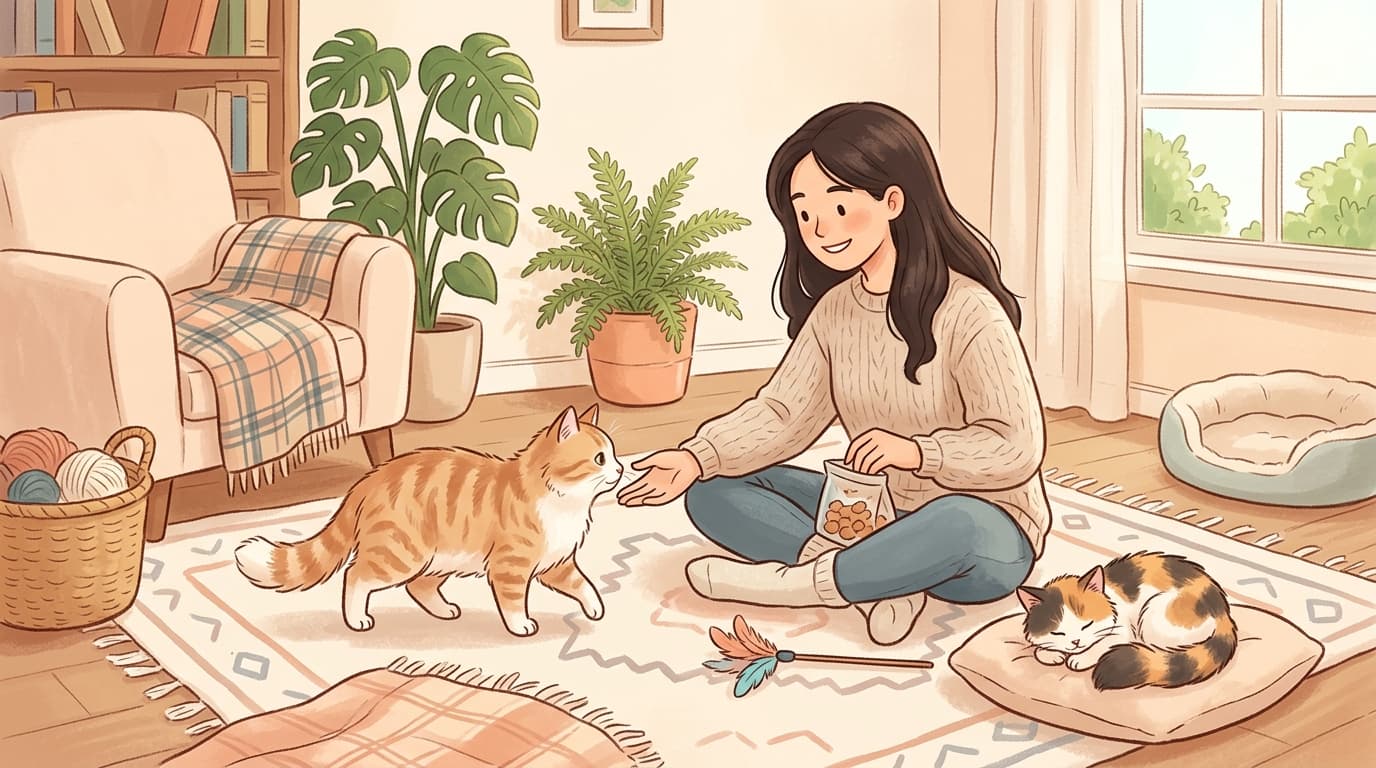
And yes, cats can recognize your voice too. In studies, cats respond differently to their owner’s voice than to a stranger’s. You might not get a dramatic greeting (because… cat), but the ear swivel, head turn, and alert expression are often your proof.
Most pet owners don’t realize this: your cat can know it’s you and still choose not to move. Recognition and enthusiasm aren’t the same thing.
4) The moment your cat decided you were safe never really disappears
There’s a sensitive early window in kittenhood—roughly between 2 and 7 weeks—when a cat’s brain is building its emotional “map” of the world. During this time, kittens absorb what feels safe, what feels threatening, and what kind of beings belong in their inner circle.
Those early experiences don’t sit in their mind like a story they can replay. They become a lasting emotional template.
So if your cat’s earliest memories of people include gentle handling, calm voices, and consistent care, you may have become more than familiar—you became the definition of safety. And if their early experiences were scary or rough, it can take much longer for trust to show up, even if you’re doing everything right now.
5) Your cat stores emotional memories—especially fear
Cats have strong long-term emotional memory. And while happy experiences stick, scary ones tend to stick faster.
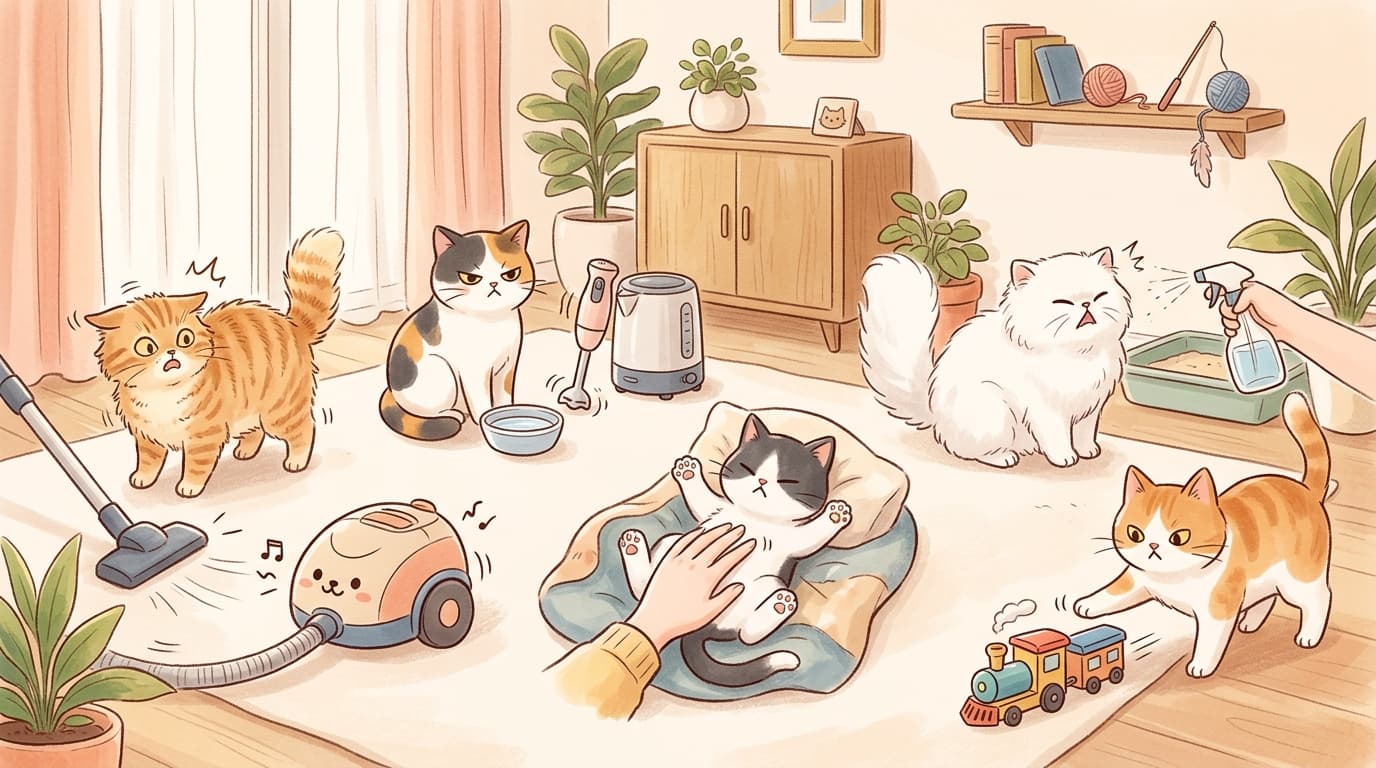
One intense fright can create a lasting association: a painful or stressful appointment, a moment of loud yelling, being grabbed when they felt trapped. You might forget it by dinner time. Your cat may not.
The tricky part is that cats don’t label it like humans do (“my owner had a bad day”). They’re more likely to file it as: “this person + this situation = danger.” That’s why some cats flinch at a raised hand, or suddenly treat the carrier like it’s a portal to doom after one bad experience.
The good news is that positive emotional memory stacks up too. The cat who reliably gets gentle chin scratches. The cat who gets a treat after nail trims. The cat who hears a calm voice during stressful moments. Kindness builds a safety balance in your cat’s mind the same way fear can.
6) Your cat keeps track of where you are—and remembers who used to live with them
If you’ve ever noticed your cat “randomly” appearing the second you sit down, it’s not magic. Research suggests cats mentally track their humans in the home, building an internal map of where you should be based on sound, routine, and movement patterns.
That’s also why cats can look genuinely confused if your voice suddenly comes from an unexpected place—as if reality broke their internal GPS.
And this memory isn’t limited to you. Cats remember other animals they lived with, even after long separations. They can recognize former feline housemates and may even identify them by scent alone.
If you’ve lost a pet while another cat remained, you may have seen it: the searching, the sniffing of old sleeping spots, the restless pacing. That’s not “your cat being dramatic.” It’s your cat noticing the absence of a very specific individual they had stored in memory.
What this means for your relationship with your cat
Your cat may not carry a perfect snapshot of your face, but they carry something more personal: your scent, your sounds, your routines, and the emotional history you’ve built together. Every calm greeting, gentle touch, and familiar phrase becomes part of the “you” your cat trusts.
So the next time your cat recognizes you before you’ve even stepped fully inside, remember—you’re not just seen. You’re remembered.
Continue reading

What Your Cat Has Been Waiting for All Along: 6 Small Changes That Build Real Trust
Your cat isn’t asking for more toys—just a few daily habits that make them feel safe, understood, and closer to you.

How to Stop Your Cat From Throwing Litter Out of the Box (Fast, Lasting Fixes)
Messy litter box? Fix litter flinging with the right box, litter type, fill depth, placement, and a cleaner routine.

Where Your Cat Sleeps Says a Lot About Love (7 Favorite Spots Decoded)
From your feet to your pillow, your cat’s sleeping spot is a quiet love letter. Here’s what 7 common choices really mean.