Cat Sagging Belly Explained: The Truth About the Primordial Pouch
That cat sagging belly is often a primordial pouch—normal, useful, and rooted in wild ancestry. Here’s how to tell it from fat.
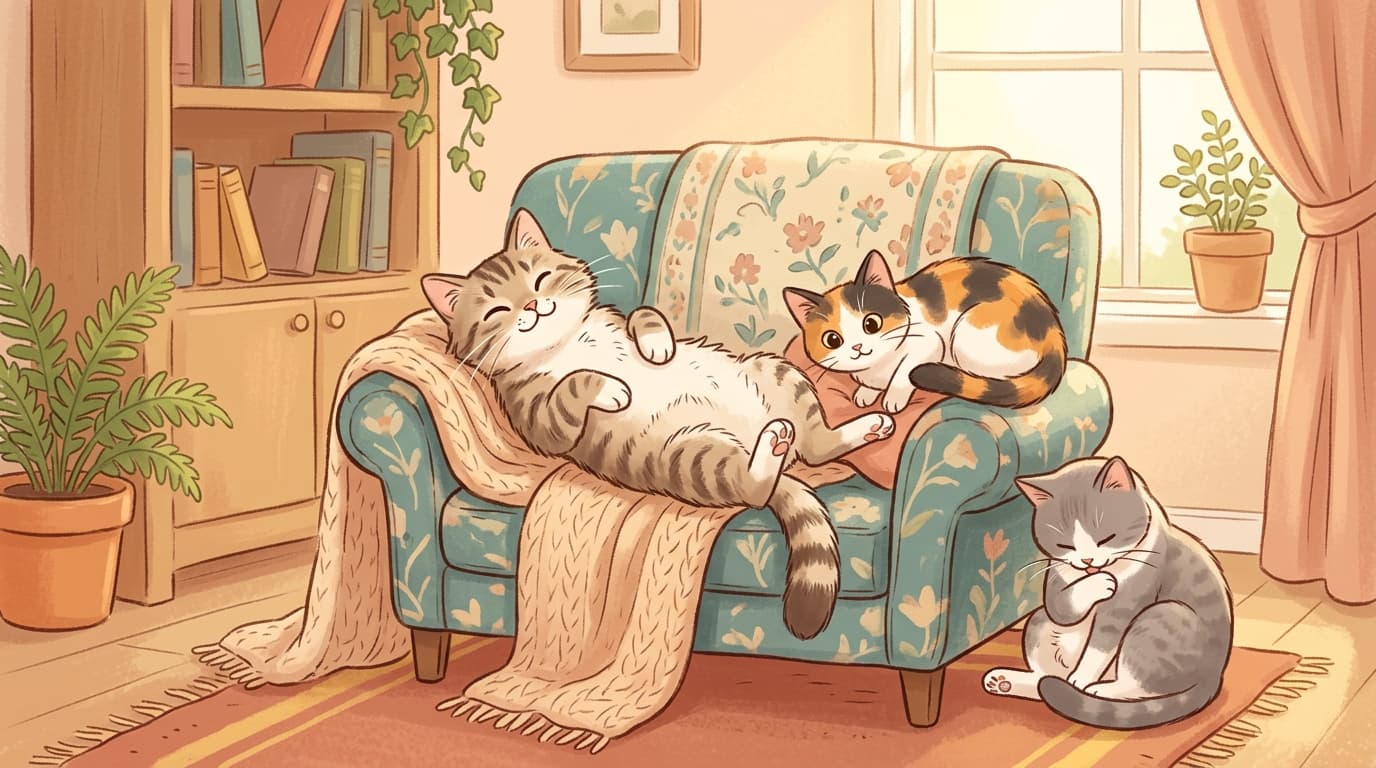
You know that adorable little flap that wobbles under your cat’s belly when they stroll across the room? A cat sagging belly often isn’t “weight gain” at all. In many cases, it’s a totally normal feature called the primordial pouch.
What a cat sagging belly really is (the primordial pouch)
The primordial pouch is a loose fold of skin with a bit of fatty tissue that hangs along your cat’s lower belly, closer to the back legs. It can sway side to side when your cat walks, almost like a small pendulum.
Most pet owners don’t realize it, but this isn’t a weird defect or a sign your cat is automatically overweight. It’s an inherited trait that traces back to cats’ wild ancestors—and it still serves a few clever purposes today.
Why cats have a primordial pouch
A cat sagging belly looks funny, but it’s surprisingly practical.
It helps store energy
In the wild, meals aren’t guaranteed. Having extra fat stored in that lower belly area could help a cat get through times when food was scarce. Your indoor cat may never miss a meal, but the “design” stuck around.
It supports flexible, athletic movement
Cats are basically built for acrobatics. That loose skin gives them extra “stretch” through the body, which can make it easier to extend, twist, and launch into jumps. If you’ve ever noticed your cat elongating mid-leap like a furry rubber band, that flexibility is part of the magic.
It protects vital organs
That extra layer can act like a bit of padding during rough-and-tumble moments—whether that’s a fall, a misjudged jump, or a scuffle. It’s one more way a cat’s body is designed to handle the chaos of real life.
Which cats are more likely to have a cat sagging belly
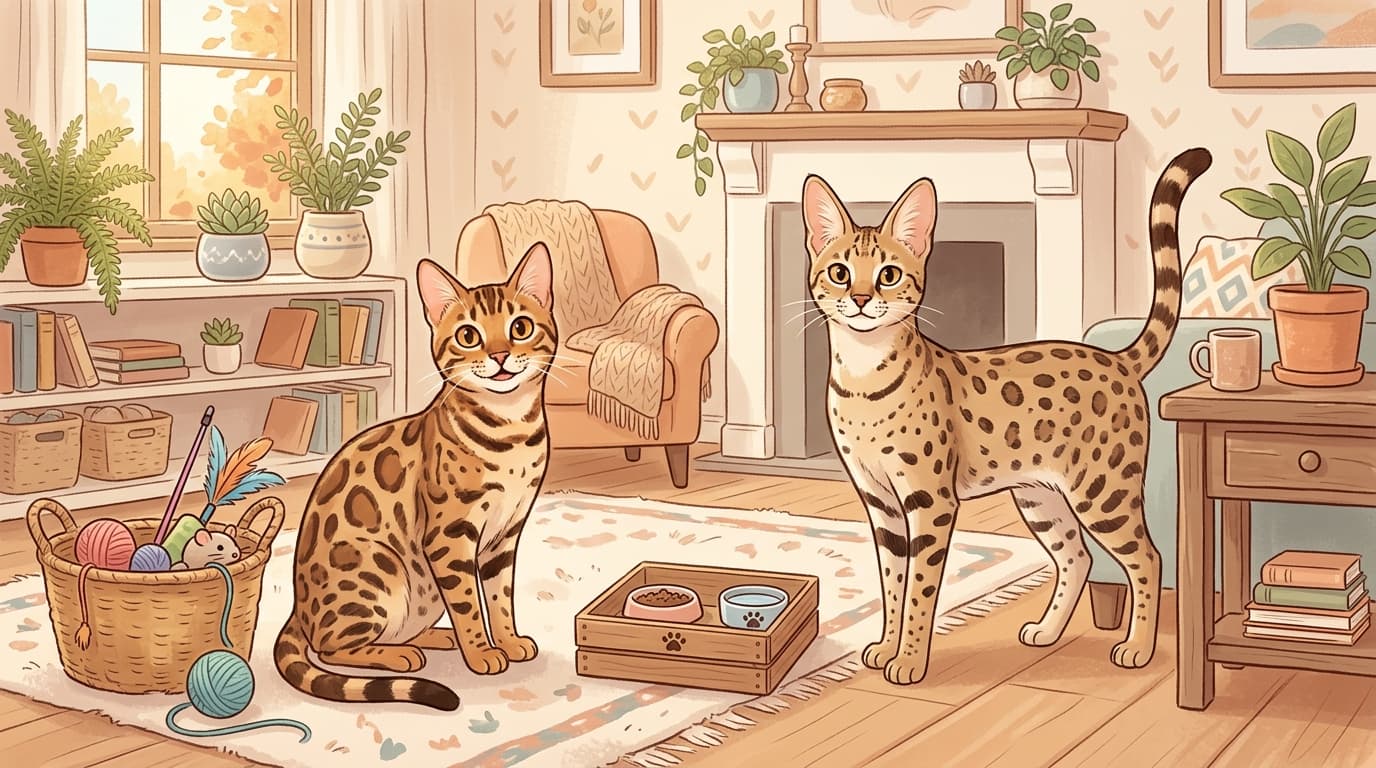
Not every cat has a noticeable primordial pouch. Some have a dramatic sway, while others barely show it.