Cat Seasonal Allergy Symptoms: 7 Signs You Shouldn’t Brush Off
Cat seasonal allergy symptoms often show up on the skin first. Learn 7 signs—itching, over-grooming, ear issues, paw licking, and more.
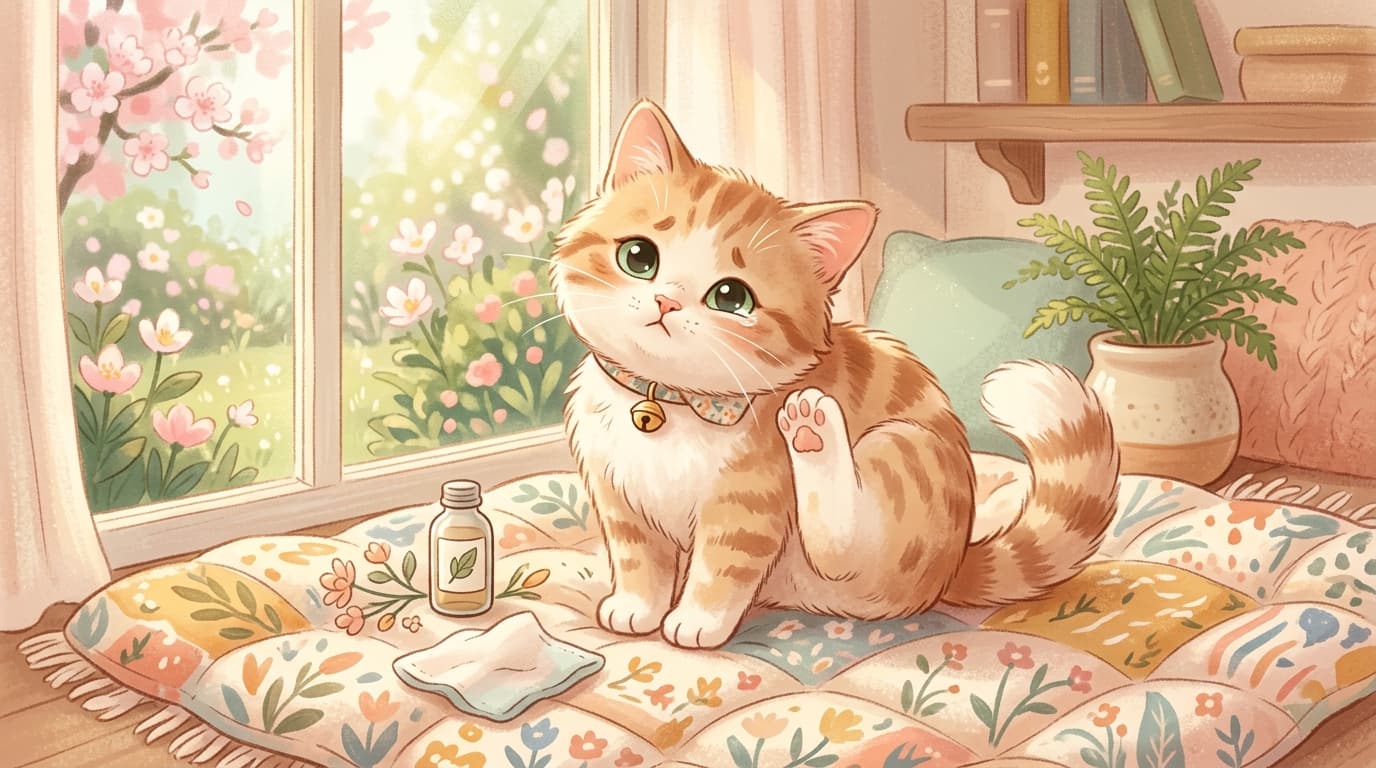
If your cat seems itchier, moodier, or suddenly obsessed with grooming, it might not be “just a weird phase.” Cat seasonal allergy symptoms often show up through skin and behavior long before you’d ever think “allergies.”
Most pet owners don’t realize cats don’t always react like humans do—so the clues can be easy to miss until your cat is truly uncomfortable.
Why cat seasonal allergy symptoms can look so different
With people, allergies usually scream “sneezing.” With cats, allergies are often more of a skin-and-comfort problem. Instead of obvious sniffles, you’ll typically see itching, licking, irritated skin, or changes in attitude.
That’s why paying attention to patterns matters—especially if signs flare up during certain times of year (spring and fall are common culprits).
1) Excessive scratching and itching
A little scratching is normal. What’s not normal is relentless, intense scratching—especially around the neck, ears, and face.
If you’ve ever noticed your cat pausing mid-walk to scratch like they can’t help it, that persistent itch can be a classic allergy signal. Common triggers include pollen, dust, and even flea bites.
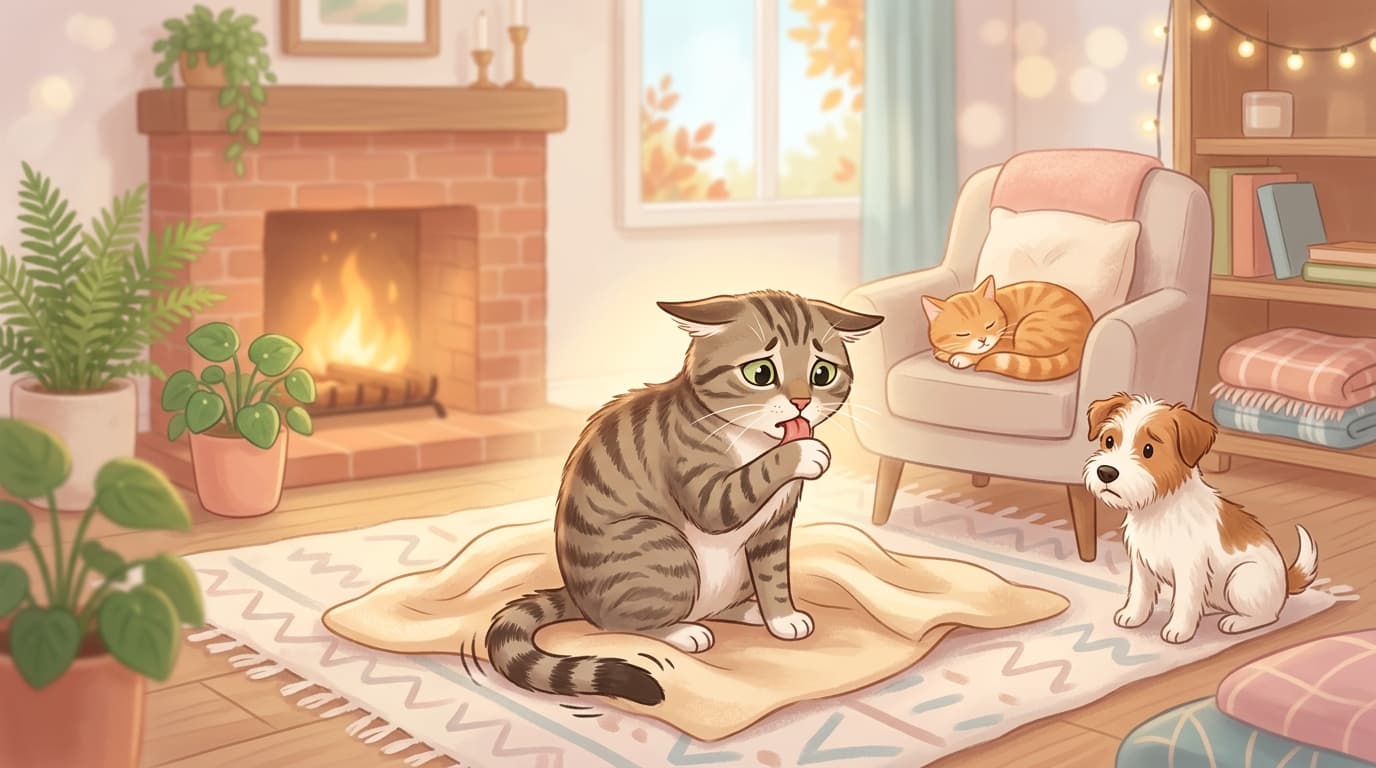
2) Over-grooming that leads to hair loss
Cats groom a lot, so it’s easy to overlook when it turns into over-grooming. But if your cat is constantly licking the same areas, watch for thinning fur or bald patches.
Hair loss from allergies often shows up on the belly, sides, or legs—places cats can reach easily when they’re trying to “fix” that irritated feeling.
3) Red, irritated, or bumpy skin
Allergies can leave visible footprints on your cat’s skin. Look for:
- Redness or inflammation
- Small bumps
- Areas that look extra sensitive or hot
Sometimes it stays in one spot; other times it spreads depending on how strong the reaction is and what’s causing it.
4) Ear trouble and frequent head shaking
If your cat keeps shaking their head, scratching at their ears, or you notice wax buildup or a stronger-than-usual odor, allergies may be part of the puzzle.
Ears can react to the same irritants that affect the skin—so recurring ear issues aren’t always just a one-off problem.
5) Constant paw licking or chewing
Paws are an easy-to-miss clue. Many cats with allergies lick or chew their paws as a self-soothing habit.
If your cat regularly stops to lick their feet (especially after being near open windows, balconies, or dusty corners), it can point to environmental triggers like pollen or indoor allergens.
6) Sneezing, watery eyes, or mild nasal discharge
Respiratory signs can happen too—just less often than skin symptoms. If your cat has seasonal flare-ups of sneezing, watery eyes, or a little nasal discharge, allergies may be involved.
This tends to show up more with environmental triggers like pollen and seasonal changes.
7) Behavior changes you can’t quite explain
Allergies can make cats feel miserable, and cats are masters at hiding discomfort. So sometimes the biggest clue is a shift in personality:
- Irritability
- Restlessness
- Lower energy or less interest in play
If your normally social cat suddenly seems grumpy or withdrawn, discomfort from itching or irritation could be the reason.
Common causes behind these allergy flare-ups
Cat seasonal allergy symptoms can be triggered by more than one thing at once. The most common sources include:
- Flea bites
- Food ingredients
- Dust mites and other indoor allergens
- Pollen and seasonal shifts
- Cleaning products or household chemicals
Even indoor-only cats can react to pollen that drifts in through windows, on clothing, or on other pets.
When these symptoms become urgent
If the signs don’t fade, get worse, or lead to open sores, scabs, infections, or obvious distress, it’s time to get help. Allergies can spiral into painful skin wounds surprisingly fast once the itch-scratch cycle kicks in.
Catching cat seasonal allergy symptoms early can save your cat a lot of discomfort—and save you from the stress of wondering why they suddenly can’t settle.
The takeaway
Trust your gut if your cat’s grooming, scratching, ears, or mood feel “off.” The earlier you spot cat seasonal allergy symptoms, the easier it is to get your cat comfortable again—and get back to the calm, cozy routines you both love.
Continue reading

Bengal vs Savannah Cat: Personality, Size, and Care Differences That Actually Matter
Bengal vs Savannah cats: compare size, personality, energy, and care needs so you can pick the breed that fits your home.

Why Your Cat Wants to Sleep in Your Bed (and Why It’s Usually a Good Sign)
Sleeping beside you isn’t “clingy” behavior—it's trust, routine, and real comfort for your cat (and often for you, too).

Signs Your Cat Is Unhappy: Body Language and Behaviors You Shouldn’t Ignore
Learn the most common signs your cat is unhappy—from tail signals to hiding—plus simple ways to help them feel safe again.